Stainless Steel Nose Cuffs 2027: 9 Picks Worth Wearing
A stainless steel nose cuff is the budget-friendly way to wear nose jewellery without a piercing. It clips onto the side of the nose, holds with gentle spring tension, and comes off at the end of the day with no hole, no healing, and no commitment. For anyone curious about the look of a nose ring, it is the lowest-risk way to try it.
Stainless steel is a sensible choice for this kind of jewellery because it is strong, affordable, and widely available. Surgical-grade stainless steel is used in body jewellery around the world, it resists rust and tarnish, and it keeps its shape through daily wear. It is heavier than titanium, which some people notice and others never think about, but it is also one of the cheapest ways to get a well-made cuff.
Below are nine stainless steel nose cuffs worth wearing in 2027, from a plain polished band to black, gold-toned, and stone-set designs. Each one is described by what it does well, what to watch for, and who it suits best, so you can pick a cuff that fits your nose and your budget.
Key takeaways
- Stainless steel nose cuffs clip on with no piercing, no healing time, and no permanent hole.
- Surgical-grade stainless steel is the safest choice, because it resists rust and tarnish and is widely used in body jewellery.
- Fit matters more than design: an adjustable band that grips gently will stay put all day, while a stiff cuff will pinch or slip.
- Steel is heavier than titanium, so slim bands are usually more comfortable than chunky ones for all-day wear.
- Not all steel is equal: ungraded or nickel-heavy steel can irritate sensitive skin, so check the grade before you buy.
What stainless steel nose cuffs actually are
A nose cuff is a small open ring that sits on the outside of the nostril. It has no post and no backing. The two ends of the ring press lightly against the skin, and the spring of the metal keeps it in place. A stainless steel nose cuff uses the same shape, but the metal is stainless steel, which is strong, shiny, and inexpensive compared with precious metals.
Most cuffs are worn on the side of one nostril, just above the crease where the nostril meets the cheek. Some are thin bands that look like a simple ring. Others carry a small stone, a bead, or a decorative end. The cuff should sit flat against the skin and feel present but not tight. If you can feel it pinching after ten minutes, the fit is wrong, and no amount of getting used to it will fix that.
Steel cuffs suit people who want to try nose jewellery on a budget, people who like to change their look often, and people who want a sturdy cuff they can toss in a bag without worrying about it. They also suit anyone who likes the bright, mirror-like shine of polished steel, which is closer to white gold in appearance than titanium is.
How we chose these stainless steel nose cuffs and what to look for
Look first at the grade of steel. Surgical-grade stainless steel, usually 316L, is the standard to ask for. It is the grade used in body jewellery and medical instruments, and it has a low nickel release, which matters if your skin is sensitive. Avoid cuffs that only say “stainless steel” with no grade, because ungraded steel can contain more nickel and irritate skin.
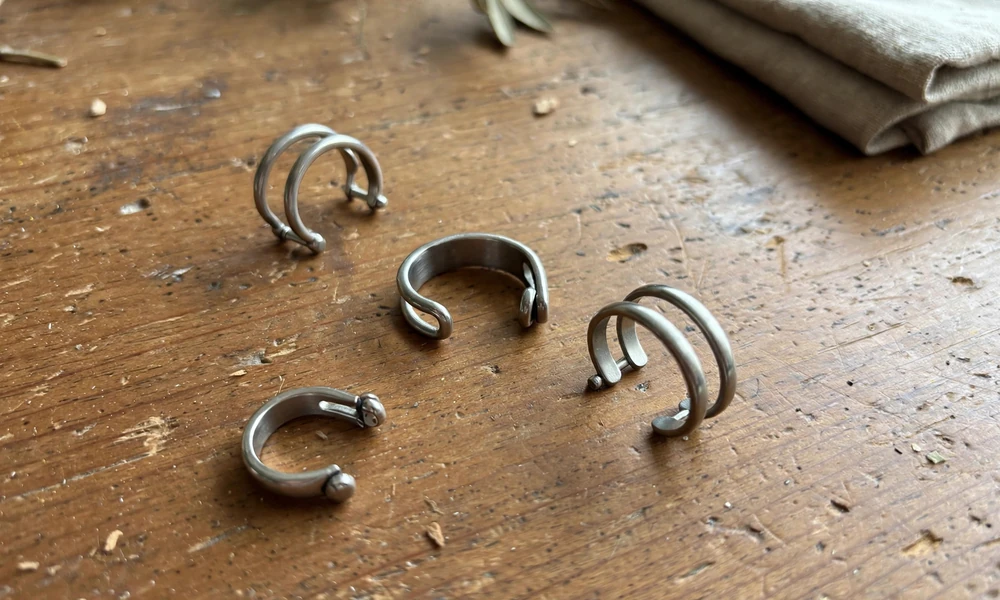
Look next at the fit. An adjustable open band is the safest choice for a first cuff, because you can gently widen or narrow it until it grips without pinching. Fixed-size cuffs can work well if you know your size, but they are a gamble the first time. The ends of the cuff should be smooth and rounded, never sharp, because a rough edge will rub the skin raw over a few hours.
Finally, look at the weight and the finish. Steel is heavier than titanium, so a slim band will usually feel better than a thick one for all-day wear. Polished steel has a bright mirror shine that goes with everything, and it is the easiest finish to keep clean. Gold-toned and black steel get their colour from plating or coating, which can wear with daily use, so treat those as fashion finishes. The best nose cuffs for women roundup is a useful comparison here, because it shows how steel cuffs sit alongside titanium, gold, and silver options, and it will help you judge which metal suits your skin and your style.
The 9 best stainless steel nose cuffs of 2027
The Classic Polished Steel Band
What we like: A plain polished band in surgical-grade steel, bright, smooth, and easy to wear every day. What to consider: Very simple, so it suits minimal looks more than bold ones. Best for: First-time cuff wearers and everyday wear. Material: 316L stainless steel. Price range: Low. Standout feature: A bright mirror shine that never tarnishes.
This is the cuff to buy if you want to find out whether nose jewellery suits you, without spending much.
The Brushed Steel Open Cuff
What we like: A soft brushed finish that hides small scratches, with an open band you can adjust for fit. What to consider: The matte finish reads quieter than polished steel, so it makes less of a statement. Best for: Workdays and understated styling. Material: Brushed stainless steel. Price range: Low. Standout feature: A scratch-hiding matte surface.
Brushed steel looks calm and modern, and it is forgiving in daily wear. If you handle your jewellery a lot or toss it in a bag, this finish will still look good months later.
The Steel and Crystal Accent Cuff
What we like: A slim steel band with a single small crystal that catches the light without looking flashy. What to consider: The stone adds cost, and a glued setting needs gentle handling. Best for: Evenings, weddings, and special occasions. Material: Stainless steel with a small crystal. Price range: Low to mid. Standout feature: A single crystal that lifts a simple band.
This is the dress-up version of the classic band. The crystal is small enough to look refined rather than showy, and the steel keeps the whole piece affordable.
The Blackened Steel Nose Cuff
What we like: A bold black finish on a slim band, striking against the skin and easy to pair with dark or silver jewellery. What to consider: The black coating can wear at the edges with daily use. Best for: Evening looks and edgier styling. Material: Black-coated stainless steel. Price range: Low to mid. Standout feature: A deep black finish that stands out.
Black steel has a modern, confident look that suits people who like their jewellery to be noticed. Treat it as a fashion piece and it will serve you well.
The Steel Adjustable Cuff
What we like: A flexible open band that you can widen or narrow at home, so one cuff fits most noses. What to consider: Repeated bending can weaken the metal over time, so adjust it gently and rarely. Best for: Anyone unsure of their size. Material: Flexible stainless steel. Price range: Low. Standout feature: A band you can shape to your own nose.
If you have never worn a nose cuff, this is the safest first buy. Spend a few minutes getting the fit right, then leave it alone, and it will stay comfortable all day.
The Surgical Steel Hypoallergenic Cuff
What we like: Made from certified 316L surgical steel with a smooth, polished finish, designed for skin that reacts to cheaper metals. What to consider: Costs a little more than ungraded steel, and the design is deliberately plain. Best for: Sensitive skin and daily wear. Material: Certified 316L surgical steel. Price range: Low to mid. Standout feature: A certified low-nickel grade for reactive skin.
If your skin has reacted to cheap jewellery before, this is the steel cuff to choose. The grade is stated clearly, the finish is smooth, and there is nothing in the design to irritate skin.
The Slim Steel Nose Cuff
What we like: An extra-fine band that is barely there, ideal if you want the hint of a nose ring without a visible piece of jewellery. What to consider: Very thin bands can feel fiddly to put on and take off. Best for: Minimal looks and first-time wearers who want subtlety. Material: Fine-gauge stainless steel. Price range: Low. Standout feature: A barely-there band that reads as a whisper of metal.
This is the cuff for people who want to try the look quietly.
The Steel and Rose Gold Two-Tone Cuff
What we like: A steel band with a rose gold-toned section, giving you two metals in one piece and an easy match for mixed-metal jewellery. What to consider: The rose gold tone may wear faster than the steel, so handle it gently. Best for: People who wear gold and silver together. Material: Stainless steel with a rose gold-toned accent. Price range: Mid. Standout feature: Two metals in a single slim band.
Two-tone jewellery solves the old question of whether to wear gold or silver. This cuff lets you wear both, and its warm rose tone softens the bright shine of the steel.
The Tiny Steel Nose Cuff
What we like: A miniature cuff with a small bead end, delicate and light, with almost no weight on the nose. What to consider: Small cuffs can be easy to lose, so keep a small pouch for it. Best for: Delicate styling and petite features. Material: Stainless steel with a bead end. Price range: Low. Standout feature: A tiny bead that adds a soft sparkle.
Small cuffs are easy to underestimate, but they are often the ones people wear most. This one is light, neat, and quietly pretty, and it suits a face that does not want a bold piece of jewellery.
Which stainless steel nose cuff is right for you
Start with your skin. If your skin reacts to cheap jewellery, choose certified 316L surgical steel and nothing else, and avoid plated or ungraded pieces until you know how your skin behaves. If your skin is easygoing, you have more freedom, but the same rule still helps: a well-made cuff in a known grade will last longer and feel better than a bargain piece with no grade at all.
Then think about fit. A slim, adjustable band is the best first cuff for most people, because you can tune the grip until it feels right, and a slim band keeps the weight down. If you already know you like a snug fit and you know your size, a fixed band in a polished or brushed finish is a good everyday choice. A stone-set cuff, such as one of the best diamond nose cuffs, is worth considering as a second piece for evenings, because it shows how a simple steel band can carry a stone without the cost of a precious-metal setting.
Finally, think about how you will wear it. A plain polished or brushed cuff is the one you will reach for daily. A crystal accent, a black finish, or a two-tone cuff is the one you will reach for when you want the jewellery to be part of the outfit. Most people end up owning one of each, a quiet daily cuff and a louder one for evenings, and steel is cheap enough that owning two is perfectly sensible.
The caveats that matter
Stainless steel has a good safety record in body jewellery, but a nose cuff still sits against delicate skin, so a few cautions are worth knowing. A cuff that pinches is not something to push through, because pinching can leave a sore spot that takes days to settle. A cuff that slips is not a sign that your nose is the wrong shape, it is a sign that the band needs a gentle adjustment, or that a different design would suit you better. And a cuff worn all day, every day, without cleaning, can trap moisture and cause irritation, so a quick rinse each evening is worth the thirty seconds it takes.
| Detail | What is known |
|---|---|
| Best material grade | Surgical-grade 316L stainless steel is the safest choice for sensitive skin |
| Fit | Should grip gently without pinching; adjustable bands suit most noses |
| Who should be careful | Anyone with a nickel sensitivity should choose certified 316L and patch-test first |
| Weight | Steel is heavier than titanium, so slim bands are more comfortable all day |
| Coated finishes | Black and gold-toned coatings can wear off with daily use |
| Cleaning | Rinse with warm water and mild soap; dry fully before storing |
| How long to wear | A few hours at first; build up to a full day if comfortable |
| What it does not do | A cuff cannot replace a piercing if you want a permanent look |
If you have a skin condition around the nose, a healing piercing, or a recent injury, wait until the skin is fully settled before wearing a cuff. If redness, swelling, or soreness appears, take the cuff off, let the skin rest, and try a different fit or a different grade before assuming steel is the problem.
Checklist: buying a stainless steel nose cuff honestly
Use these checks before you buy, and again after your first week of wear.
- Check the grade: surgical-grade 316L stainless steel, stated clearly by the seller.
- Check the ends: smooth and rounded, with no sharp edges that could scratch the skin.
- Check the fit: it should grip gently and stay put when you smile, with no pinching after ten minutes.
- Check the weight: slim bands are more comfortable for all-day wear than chunky ones.
- Start slowly: wear it for a few hours at first, then build up to a full day if it stays comfortable.
- Clean it simply: rinse with warm water and mild soap, dry fully, and store it in a small pouch.
Frequently asked questions
Do stainless steel nose cuffs hurt?
They should not. A well-fitted cuff feels like a light pressure, not pain. If it pinches, the band is too tight and needs gentle widening, or a different size would suit you better.
Can I wear a stainless steel nose cuff with sensitive skin?
Often yes, if you choose certified 316L surgical steel. It has a low nickel release, which is why it is used in body jewellery. Patch-test on your inner arm first if you have reacted to metals before.
Will a stainless steel nose cuff fall off?
It should not if the fit is right. A cuff that grips gently will stay put through a normal day. It can slip if the band is too loose, if your skin is very oily, or if you catch it while changing clothes, so check the fit before you leave the house.
How do I put on a nose cuff?
Slide the open ends over the edge of your nostril and let the band settle just above the crease, then press gently until it grips without pinching. Our guide on how to wear a nose cuff walks through the fit step by step, including how to adjust an open band without bending it too far.
How do I clean a stainless steel nose cuff?
Rinse it with warm water and a drop of mild soap, then dry it fully with a soft cloth. Avoid harsh chemicals and ultrasonic cleaners on cuffs with stones or coatings.
Is stainless steel better than titanium for a nose cuff?
It depends on what matters to you. Steel is cheaper, shinier, and very sturdy, while titanium is lighter and less likely to irritate sensitive skin. If your skin is sensitive, titanium is the safer choice; if your skin is easygoing and budget matters, steel is excellent value.
The bottom line
The best stainless steel nose cuff in 2027 is not the most expensive or the most decorative. It is the one in certified 316L steel, with smooth rounded ends, that grips gently and stays comfortable all day. For most people, that means a plain polished or brushed band as a daily piece, with a crystal accent or a coloured finish kept for evenings and special occasions.
Choose one cuff, get the fit right, wear it for a few hours before committing to a full day, and clean it simply each evening. That is the honest way to enjoy nose jewellery without a piercing, and stainless steel is the most affordable metal that does the job well.