

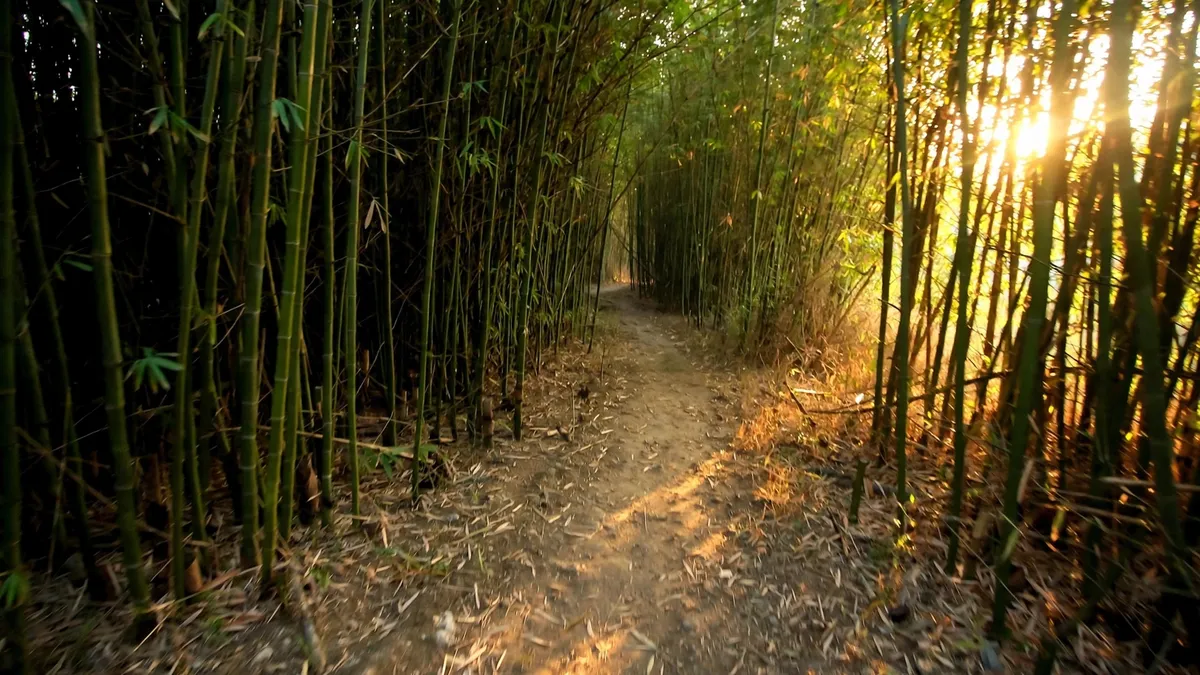

A bamboo grove escape is a simple idea that rewards careful planning. The grove itself asks little of you: a path, a quiet morning, and time to walk slowly. The trip around it asks more. You need the right grove for the season, a stay that puts you close to it, transport that works, and a plan that leaves room for weather, crowds and the grove’s own moods.
The difference between a good bamboo escape and a disappointing one is rarely the grove. It is the timing, the stay, and the expectations. Arrive at Arashiyama at noon in cherry blossom season and you will see a crowd, not a forest. Arrive at dawn, from a stay a short walk away, and you will see the grove as it is meant to be seen.
This guide walks through the planning in nine steps, from choosing the grove to packing for it, so you can build a trip that works in practice, not only in photographs.
Key takeaways
- Choose the grove first and the stay second, because the grove decides the season, the transport and the mood of the trip.
- Book a stay on or beside the grove, not a drive away, so you can walk it at dawn when it is quietest.
- Plan grove walks for early morning or late afternoon, and keep the middle of the day for temples, meals and rest.
- Budget for the whole trip, not just the room, because transfers, grove fees and meals add up quickly in remote groves.
- No plan guarantees a silent or empty grove, and storms or crowds can change the day, so keep a backup plan ready.
What planning a bamboo grove escape actually involves
Planning a bamboo grove escape means planning around a landscape, not a hotel. The grove sets the season, because bamboo looks and feels different in spring, summer, autumn and winter. It sets the transport, because the best groves are often outside cities, up valleys or across islands. And it sets the pace, because a grove is best enjoyed slowly, on foot, with time to stop and look.
The practical work is ordinary travel planning, but the order matters. Choose the grove, then the dates, then the stay, then the transport, then the rest. Book the stay first and you may find yourself a long drive from the grove you wanted, or in the wrong season for it. A guide to planning a tea plantation escape follows the same order, because plantation trips and grove trips share the same logic: the land comes first.
The other thing to plan for is the grove’s character. Some groves are public and popular, with paved paths and crowds. Some are private or remote, with rough paths and few visitors. Some are part of a temple or a park, with opening hours and rules. Knowing which kind you are visiting changes what to pack, when to go, and how much time to allow.
How to plan well and what to look for
Look first at access. A stay that puts you on the grove, or a short walk from it, is worth more than a grander hotel a drive away. Early access is the single biggest advantage in a famous grove, and it is only available if you sleep nearby.
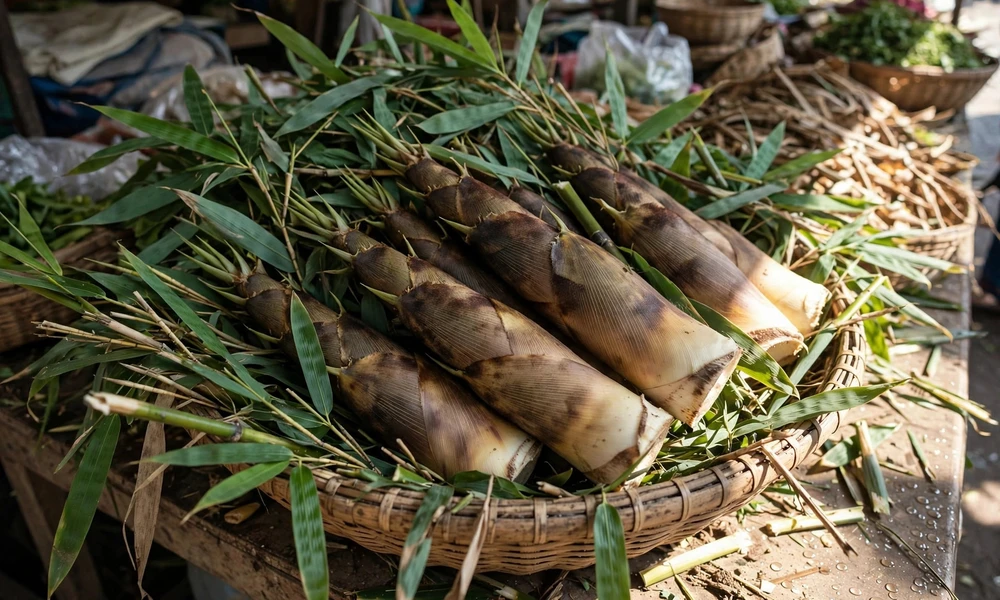
Look next at the season and the weather. Bamboo is green for most of the year, but the light, the temperature and the crowds change sharply with the season. Spring and autumn are the most popular and the most crowded. Summer is hot and humid but shady inside the grove. Winter is quiet and still, but some groves feel bare.
Finally, look at the stay honestly. An open-air bamboo house is a wonderful experience and a poor choice if you sleep badly with insects or noise. A sealed hotel room is comfortable and a poor choice if you want to wake to the sound of the grove.
How to plan a bamboo grove escape in 9 steps
Pick your bamboo grove first
What to do: Choose the grove before the stay, based on the feeling you want: famous and grand, vast and wild, or small and gentle. What to avoid: Choosing a hotel first and hoping the grove is nearby. Best for: Every bamboo escape, because the grove sets the trip. Time needed: An evening of reading and comparing. Standout tip: Pick the grove that matches your mood, not the one with the most photographs.
Arashiyama suits a first trip and a love of Kyoto. Anji suits a traveller who wants scale and quiet. Damyang suits a gentle, easy first forest. Bali suits a traveller who wants to sleep inside bamboo.
Time it with the season, not just the calendar
What to do: Match the season to the grove and to your tolerance for crowds, heat and rain. What to avoid: Booking cherry blossom or autumn colour weeks without expecting crowds and high prices. Best for: Travellers with flexible dates, who can pick the quieter weeks. Time needed: An hour of checking seasons and local holidays. Standout tip: The weeks just before or after peak season are often the best of all.
Spring gives fresh shoots and soft light, autumn gives clear air and colour, summer gives shade, and winter gives stillness. Summer asks for water, shade and rest. Winter asks for warm layers and realistic expectations about a quieter, barer grove.
Decide between a grove stay and a nearby hotel
What to do: Weigh a small grove stay against a larger hotel nearby, based on quiet, comfort and access. What to avoid: Assuming a famous hotel name means grove access. Best for: Travellers who want early-morning walks, who should stay on or beside the grove. Time needed: An evening of comparing stays on a map. Standout tip: A modest room beside the grove beats a grand room a drive away.
A grove stay gives you the dawn walk, the evening quiet, and the feeling of living in the forest. A nearby hotel gives you comfort, dining and facilities, but you will arrive with the crowds.
Book the stay early, and read the details
What to do: Book small stays months ahead in peak season, and read the room details, cancellation terms and access notes before paying. What to avoid: Booking a non-refundable stay before checking the grove’s season and access. Best for: Peak-season travel, where small stays sell out first. Time needed: A day to compare and book. Standout tip: Message the stay directly with questions about the grove, the paths and the noise.
Read the details: open-air or sealed, steps or level access, outdoor shower or indoor, mosquito nets or air conditioning. The details are the stay, and a careful read now prevents a disappointing arrival.
Sort transport before you arrive
What to do: Plan how you reach the grove, how you move between the stay and the town, and how you leave. What to avoid: Assuming taxis or buses run often in a remote grove area. Best for: Remote groves such as Anji and Guguan, where transport is the trip’s weak point. Time needed: An hour of checking routes and booking transfers. Standout tip: Book a transfer with the stay if one is offered, because local drivers know the roads.
Anji and Guguan need a car or a booked transfer. Sort this before you travel, because a grove you cannot reach is a grove you do not see, and a stay you cannot leave is a stay you are stuck in.
Set a total budget, not just a room price
What to do: Add up the room, transfers, grove fees, meals and activities, and set a daily total. What to avoid: Budgeting only for the room and being surprised by the rest. Best for: Remote groves, where meals and transport cost more than expected. Time needed: An hour of honest adding up. Standout tip: Ask the stay what meals and transfers cost before you book.
A bamboo escape is not only a room. Transfers from the nearest city can cost as much as a night in a small guesthouse. Meals at a remote retreat are often set menus with set prices. Grove entry, guides, boat rides and tea ceremonies all add up. Our guide to planning a forest escape makes the same point, because forest trips hide their costs in transport and meals.
Book tastings and grove tours in advance
What to do: Book guided grove walks, tea ceremonies and tastings before you travel, especially in peak season. What to avoid: Arriving and hoping a popular tour still has space. Best for: Travellers who want a guide, a ceremony or a tasting, not just a walk. Time needed: An hour of booking, weeks before travel. Standout tip: A guided walk early in the morning is the best money you will spend.
A guide changes a grove walk. They know which paths are quiet, which shoots are new, and which stories the forest holds. A tea ceremony in or near a grove is a calm, memorable hour, and a tasting of local bamboo food or drink is a small pleasure that is easy to miss without a booking.
Pack for the grove, not the hotel
What to do: Pack light, comfortable walking shoes, layers, rain cover, insect repellent and a small day bag. What to avoid: Packing only smart clothes and city shoes for a forest trip. Best for: Every grove escape, because the paths are the trip. Time needed: An evening of packing. Standout tip: Good shoes matter more than a good outfit in a bamboo grove.
Grove paths are shaded, uneven and sometimes slippery after rain. Comfortable shoes with grip are the most important item you will pack. Layers matter too, because a grove is cool in the shade and warm in the sun, and the temperature changes quickly. Insect repellent, a light rain layer, water and a small bag for a camera or a book complete the kit.
Leave gaps in the day on purpose
What to do: Plan one grove walk and one other activity a day, and leave the rest open. What to avoid: Filling every hour with visits, tours and meals. Best for: Travellers who want a real escape, not a checklist. Time needed: No extra time, only restraint. Standout tip: The best hour of a grove trip is often an unplanned one, sitting still.
A bamboo grove rewards doing nothing. Sit on a bench, listen to the leaves, watch the light move, and let the day slow down. That is the point of the escape, and it is the part that a packed schedule destroys.
Choosing the right grove and season
The right grove depends on what you want from the trip. Kyoto is the best first choice, with the most famous grove, the best transport, and the most to do around it. Anji is the best choice for scale, with a forest that feels endless. Damyang is the best choice for an easy, gentle first forest. Bali is the best choice for sleeping inside bamboo. Guguan is the best choice for hot springs and mountains. Each is right for someone, and none is right for everyone.
The season is the second choice, and it matters as much as the grove. Spring and autumn are the most beautiful and the most crowded. Summer is the shadiest and the hottest. Winter is the quietest and the starkest. If your dates are fixed, choose the grove that is best in that season, rather than forcing a peak-season grove into an off-season trip.
Finally, think about who is travelling. Young children can enjoy a grove, but the paths, steps and insects need planning. Travellers with limited mobility should check the paths carefully, because grove stays often involve slopes and uneven ground. The guide to planning a vineyard escape makes the same point about access, because the best trips are the ones planned around the people actually going.
The caveats that matter
A bamboo grove escape is a low-risk trip, but it has real caveats. The grove can be crowded, closed, wet or storm-damaged. The stay can be noisier, simpler or more remote than expected. The weather can turn, and a grove in heavy rain is a different place from a grove in morning sun.
| Detail | What is known |
|---|---|
| Best time to walk the grove | Early morning or late afternoon, when it is quietest and the light is softest |
| Best seasons | Spring and autumn for light and colour; summer for shade; winter for stillness |
| Book the stay | Months ahead for small stays in peak season; weeks ahead otherwise |
| Transport | Easy in Kyoto and Damyang; a car or driver is needed in Anji, Guguan and rural Bali |
| What to pack | Comfortable walking shoes, layers, rain cover, insect repellent, water |
| Walking and steps | Many grove stays involve steps, slopes and uneven paths |
| What it does not guarantee | A silent or empty grove, good weather, or a private path |
| When to be flexible | After storms, in peak season, or when a grove is partly closed |
If you are travelling with limited mobility, with young children, or with a health condition that heat or insects make worse, plan around it openly. Ask the stay about steps, slopes and shade, ask about mosquitoes, and choose a grove with flat paths and a nearby town.
Checklist: planning a bamboo grove escape honestly
Use these checks before you book, and again before you travel.
- Check the grove: which one, what kind, and whether it is public, private or remote.
- Check the season: spring and autumn are busiest, summer is shadiest, winter is quietest.
- Check the stay: on the grove or nearby, open-air or sealed, and what that means for sleep.
- Check the transport: how you arrive, how you move around, and how you leave.
- Check the budget: room, transfers, meals, grove fees and activities, added up honestly.
- Check the backup plan: a temple, river walk or tea house nearby, in case the grove is crowded or closed.
Frequently asked questions
How many days do I need for a bamboo grove escape?
Two to three nights is enough for most groves. One full day for the grove itself, walked early, and another for the town, temples or river nearby. A single night can work for a grove close to a city, but it leaves little room for weather or crowds.
What should I pack for a bamboo grove trip?
Comfortable walking shoes with grip, layers for cool shade and warm sun, a light rain cover, insect repellent, water and a small day bag.
Is a bamboo grove escape good for children?
Yes, especially for older children who enjoy walking and nature, but plan for steps, insects and uneven paths.
Do I need a guide for a bamboo grove?
Not always, but a guide is worth it for a first visit or a remote grove. They know the quiet paths, the stories and the best light, and a guided walk early in the morning is often the best hour of the trip.
What if the grove is crowded or closed?
Go early, go on a weekday, and have a backup plan. A temple, a river walk, a tea house or a nearby town can carry the day if the grove is busy or partly closed.
Can I combine a bamboo grove escape with another trip?
Easily. A Kyoto grove fits into a wider Japan trip, a Bali bamboo stay fits into a longer island trip, and Damyang fits into a South Korea itinerary.
The bottom line
Planning a bamboo grove escape is planning around a landscape, and the best plan is a simple one. Choose the grove first, time it with the season, stay close enough to walk it at dawn, sort the transport, budget for the whole trip, and leave gaps in the day.
Go early, walk slowly, pack light, and keep a backup plan ready. That is the honest way to plan a bamboo grove escape, and it is the trip that usually stays with you longest, long after the photograph has faded.


