A forest escape is one of the simplest holidays to enjoy and one of the easiest to get wrong. The idea is simple: a few days among the trees, with good food, long walks and proper rest. The reality can be a long drive to a damp cabin, a transfer that eats half the first day, or a stay that is beautiful but so remote that you spend more time travelling than resting.
Planning a forest escape is not like planning a city break. There are no museums to book and no restaurants to queue for. The questions are different: which forest, which season, how long, how you get there, and what you will actually do with the days. Get those five questions right and the rest takes care of itself. Get one of them wrong and the trip can feel like a chore rather than a rest.
Below are nine steps that cover the whole plan, from choosing the forest to packing the right bag. Each step explains what to do, what to avoid, who it suits, how long it takes and the one tip that matters most, so you can plan a forest escape that feels like a holiday from the moment you arrive.
Key takeaways
- Pick the forest and the season together, because the same forest can feel completely different in spring, summer and autumn.
- Choose the stay before the transport, since the best forest lodges are small and book up early.
- Sort the transfer before anything else, because a forest escape is only relaxing if the journey is easy.
- Set a total budget, not just a room budget, since transfers, meals and treatments add up quickly in remote places.
- No plan removes all risk, and weather, road closures and insects are part of any forest trip, so build in spare time.
What a forest escape actually involves
A forest escape is a short stay in or beside a forest, with the trees as the main attraction. It can be a luxury lodge with a spa, a simple cabin with a wood stove, or a few nights in a village at the edge of the woods. The common thread is that the forest sets the pace. Days are built around walks, meals and rest, rather than sightseeing, shopping or nightlife, and the best hours are usually early morning and late evening, when the forest is at its liveliest and the light is at its softest.
It is also a different kind of rest from a beach holiday. A beach gives you sun and stillness. A forest gives you movement and change: trails that climb and fall, weather that shifts through the day, and a landscape that looks different every hour. That is why forest escapes suit people who like to walk, who enjoy being outdoors, and who are happy with a slower, quieter kind of day.
The length matters more than most people expect. Two nights is enough to feel the benefit, but three or four nights is where a forest escape really works, because the first day is for arriving and the last day is for leaving. A week is generous, and it suits people who want to walk a long trail or settle into a routine. Less than two nights is rarely worth the journey, unless the forest is close to home.
How to plan a forest escape well
Start with the forest, not the hotel. A pine forest in the Dolomites, a redwood forest in California, a rainforest in Thailand and a beech forest in England are four different holidays, with different weather, different walks and different seasons. Choose the forest that matches the trip you want, then find the stay that sits inside it.
Look next at the practical details that make or break a forest trip. How long is the transfer, what does it cost, is there a shop nearby, and what happens if it rains for two days? A forest escape with a good plan for wet weather, a well-stocked kitchen and a spa or a pool to retreat to is a pleasure. The same escape without those things can feel like being stuck. Our guide to planning a mountain escape covers the same questions for high places, because remoteness rewards preparation in any landscape.
Finally, keep the plan light. A forest escape works best with one or two things planned per day and the rest left open. A walk in the morning, a long lunch, a treatment or a swim in the afternoon, and an early night is a full day in the forest.
The 9 steps to planning a forest escape
Pick the forest and the season together
What to do: Choose a forest that suits the season you can travel in, and check what it looks like then, not in a photograph from a different month. What to avoid: Booking a forest for its autumn colour in the wrong month, or a tropical forest in the wet season without checking the rain. Best For: Everyone, because this is the step that decides the whole trip. Time Needed: An evening of research. Standout Tip: Late spring and early autumn are the safest seasons in most forests.
This is the step people rush, and it is the step that matters most. A forest in the wrong season can be muddy, closed, or simply not the place you imagined, while the same forest a month earlier or later can be perfect.
Decide how long to go for
What to do: Allow three or four nights if the journey takes more than three hours, and two nights only if the forest is close to home. What to avoid: Squeezing a long journey into a single night, which leaves no time to rest. Best For: Anyone with a long transfer. Time Needed: Ten minutes of honest thinking. Standout Tip: Count the travel days as part of the trip, not as free time.
Length is the cheapest way to make a forest escape feel generous. An extra night costs less than a rushed trip, and it is usually the night you remember best, because by then you have settled into the forest pace.
Choose the stay before the transport
What to do: Find the lodge, cabin or hotel first, and check its dates, its price and what is included, before you book any travel. What to avoid: Booking flights or a car first, then discovering the stay you wanted is full. Best For: Anyone going to a small or popular forest lodge. Time Needed: An evening of comparing stays. Standout Tip: Book the stay three to six months ahead for peak seasons.
Forest stays are small, and the good ones fill up early, especially in autumn. The transport is flexible. The stay is not, so the stay comes first, and everything else is planned around it.
Sort the transfer before anything else
What to do: Work out the whole journey, door to door, including the last stretch from the station or airport to the forest, and book it in advance. What to avoid: Assuming a taxi will be waiting, or that a forest road is passable in bad weather. Best For: Anyone travelling without a car. Time Needed: An hour of checking routes and times. Standout Tip: Ask the lodge how guests usually arrive, and follow their advice.
The transfer is where forest escapes go wrong. A lodge that is two hours from the airport is a pleasure if the transfer is arranged, and a problem if it is not, so sort it early and keep the details in one place.
Set a total budget, not just a room budget
What to do: Add up the room, the transfer, the meals, the treatments and the activities, and set one total figure for the trip. What to avoid: Budgeting for the room alone, then being surprised by the cost of getting there and eating there. Best For: Anyone watching the cost. Time Needed: Half an hour with a calculator. Standout Tip: Ask the lodge what a typical day costs, all in, before you book.
Remote places are expensive in ways that are easy to miss. A meal in a forest lodge, a guided walk, a transfer and a massage can each cost as much as the room, so a total budget is the only honest way to plan.
Plan activities for the morning and evening
What to do: Put the walks and the outdoor time in the morning and the late afternoon, when the light is best and the forest is most alive. What to avoid: Planning a long hike for midday in summer, or an outdoor dinner in the coldest hour. Best For: Walkers, photographers and anyone who likes the outdoors. Time Needed: Twenty minutes when you arrive. Standout Tip: Dawn is the best hour in any forest, and it is worth setting an alarm for.
Forest light changes fast, and the best hours are short. A walk at dawn, a long lunch, a rest, and an evening walk is a better day than a walk at noon, and it leaves you with energy for dinner.
Pack for the forest, not the hotel
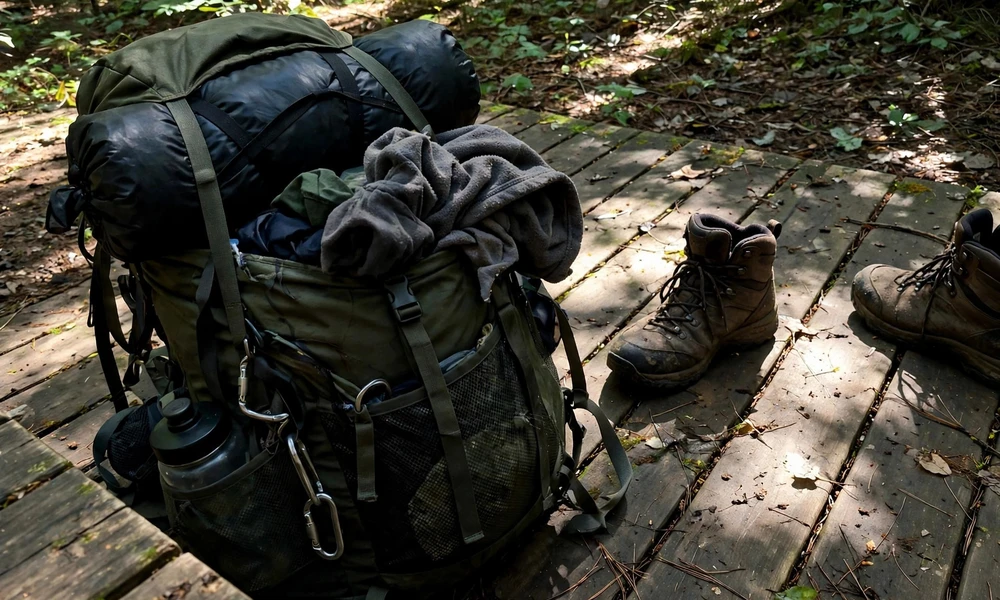
What to do: Pack layers, good walking shoes, a rain jacket, insect protection and a small day pack, and leave the formal clothes at home. What to avoid: Packing for a hotel lobby, with smart shoes and clothes that cannot get muddy. Best For: Everyone, because the forest does not care what you wear. Time Needed: An evening of packing. Standout Tip: Pack a spare pair of dry shoes, because wet feet ruin a forest walk.
Packing is where a forest escape feels different from any other holiday. The forest is not a place for smart clothes, and the people who enjoy it most are the ones who dress for the trees, not for the dining room.
Book spa treatments and tables early
What to do: Book massages, rituals and restaurant tables as soon as you confirm your dates, because forest spas and dining rooms are small. What to avoid: Arriving and hoping for a treatment that evening, which is rarely available. Best For: Anyone who wants a treatment or a special dinner. Time Needed: Ten minutes by email. Standout Tip: Book the first treatment for the afternoon you arrive, to ease into the stay.
A forest spa has few treatment rooms, and a forest restaurant has few tables, so the best times go first. Booking early is free, and it removes the one thing that can spoil a quiet evening.
Build rest into the days
What to do: Leave two or three hours unscheduled every day, for a nap, a book, a bath or simply sitting among the trees. What to avoid: Filling every hour with walks, treatments and activities, which defeats the purpose of the trip. Best For: Everyone, because rest is the point of a forest escape. Time Needed: None, because rest is the absence of planning. Standout Tip: Plan one thing a day, and let the rest happen.
Rest is not the empty space between activities.
Which forest suits you
Cool forests suit people who want crisp air, long walks and deep sleep. Pine and beech forests in Europe, redwood forests in California and the forests of Vermont and the Smoky Mountains are at their best in late spring and early autumn, when the weather is kind and the crowds are thin. These forests are easy to walk in, the trails are clear, and the lodges are comfortable.
Warm forests suit people who want heat, greenery and long evenings. Rainforests in Thailand and Vietnam are dense and alive, but they bring humidity, insects and rain, so go in the dry season and pack accordingly. Our roundup of forest retreats covers the stays that sit inside these forests, and it is a good place to start once you know which climate you want.
The caveats that matter
Forest escapes are simple, but they are not without risk. The remoteness that makes them peaceful also makes them harder to reach, and the weather that makes a forest beautiful can also close a road or cancel a walk. Go in with your eyes open, and the trip will be better for it.
| Detail | What is known |
|---|---|
| Best length | Three or four nights for a long journey; two nights only if the forest is close |
| Best seasons | Late spring and early autumn in cool forests; dry season in tropical forests |
| How far ahead to book | Three to six months for popular lodges, longer for peak autumn colour |
| Getting there | Most forest stays need a car, a boat or a long transfer from the nearest airport |
| What to budget for | Room, transfer, meals, treatments and activities, not just the room |
| Weather risk | Rain, heat and road closures can change plans, especially in mountain forests |
| Health notes | Tell the lodge about allergies, pregnancy or medical conditions before you travel |
| What planning cannot fix | Weather, insects and closed roads are part of any forest trip, so build in spare time |
If you take medication, are pregnant, or have a health condition, tell the lodge before you travel, not when you arrive. A good lodge will adjust the plan or suggest a safer alternative, and that conversation is part of the service, not an inconvenience.
Checklist: planning a forest escape honestly
Use these checks before you book, and again before you travel.
- Check the forest and the season together, not the forest alone.
- Check the whole journey, door to door, and book the transfer in advance.
- Check what is included, and set a total budget for the trip, not just a room budget.
- Book treatments and tables early, because forest spas and dining rooms are small.
- Pack for the forest: layers, good walking shoes, insect protection and a rain jacket.
- Leave unscheduled time every day, because rest is the point of the trip.
Frequently asked questions
How long should a forest escape be?
Three or four nights is ideal for most people, because the first day is for arriving and the last day is for leaving. Two nights works if the forest is close to home, and a week suits anyone who wants to walk a long trail or settle into a routine.
When is the best time to plan a forest escape?
Late spring and early autumn are best in cool forests, and the dry season is best in tropical forests. Autumn colour is beautiful but brief, so book early if that is what you want. Our guide to planning a lake escape follows the same seasonal logic for water, because the season matters more than the destination.
Do I need a car for a forest escape?
Often, yes, or a transfer arranged by the lodge. Forest stays are usually remote, and public transport rarely reaches the door. Ask the lodge how guests arrive before you book, and follow their advice.
What should I pack for a forest escape?
Layers, comfortable walking shoes, a rain jacket, insect protection, a small day pack and a book. Leave the formal clothes at home. Forest lodges are relaxed, and nobody dresses up for dinner.
Can I plan a forest escape with children?
Yes, and children often love forests more than adults do, because the trees, trails and wildlife are a playground. Choose a lodge that welcomes families, check the walks are suitable, and plan shorter days with plenty of rest.
What if it rains for the whole trip?
Have a wet-weather plan before you go. A lodge with a spa, a pool, a library and a good restaurant is a pleasure in the rain, while a cabin with nothing to do is not. Check what the stay offers indoors before you book.
The bottom line
Planning a forest escape comes down to five questions: which forest, which season, how long, how you get there, and what you will do with the days. Answer those honestly, book the stay before the transport, set a total budget, and leave room in every day for rest. The forest will do the rest, and it does it better when you are not rushing.
Choose the forest first, then the stay, then the journey. Pack for the trees, plan one thing a day, and let the rest happen. That is the whole secret of a forest escape, and it is why the people who plan it well come home feeling better than when they left.