A cashmere dress is one of the quietest luxuries in a wardrobe. It is warmer than wool, softer than cotton, and lighter than it looks, which is why a good one can carry you from a cold morning meeting to dinner without a change of outfit.
The problem is that the word cashmere on a label tells you almost nothing on its own. Two dresses can both claim to be 100 percent cashmere, cost wildly different amounts, and behave completely differently after a season of wear.
This guide walks through each buying decision in order, from the fibre itself to the knit, the fit, the construction, the price, and the care routine that keeps it looking new.
Key takeaways
- Look for Grade A or fine Grade B cashmere: fibres around 14 to 16 microns in diameter and at least 34 millimetres long.
- Choose 100 percent cashmere, or a blend with a clear purpose, such as a little silk for drape or a little wool for structure.
- Ply and gauge describe weight and warmth, not quality: judge quality by fibre length and fineness, not by ply count.
- Try the dress on, sit down in it, and stretch the knit gently: good cashmere springs back within a couple of seconds.
- Budget for care as well as the price: hand washing, flat drying, and a cashmere comb are part of the real cost.
Start with the fibre: grades, microns, and length
Cashmere comes from the soft undercoat of cashmere goats, combed out in spring when the animals shed. True cashmere is scarce, which is the first reason a genuine dress costs more than a wool one.
Quality is decided by two measurements. The first is fibre diameter, measured in microns. Grade A cashmere measures roughly 14 to 15.5 microns, with fibres 34 to 36 millimetres long. Grade B is slightly thicker, around 16 to 19 microns, with shorter fibres. Grade C runs to around 25 to 30 microns and feels noticeably coarser. International standards treat anything above 19 microns as no longer cashmere at all, so a dress made from coarse fibre is cashmere in name only.
The second measurement is fibre length. Long fibres spin into stronger, smoother yarn that pills less and holds its shape. Short fibres work loose, form pills quickly, and shed. When a brand publishes its micron count and fibre length, that transparency is itself a good sign: most low-grade cashmere hides behind vague words such as premium, luxury, or ultra-soft.
Understand ply and gauge before you shop
Ply is the number of yarn threads twisted together into one yarn. A two-ply yarn is two threads; a four-ply yarn is four. More plies make a heavier, warmer yarn, and that is all the number promises. Higher ply does not mean higher quality: a two-ply yarn spun from short, coarse fibre will still pill, while long, fine fibre resists pilling at any ply.
Gauge counts the stitches across an inch of knitted fabric. The higher the number, the finer and lighter the knit. A 12-gauge dress is a smooth, sleek year-round knit; a 7-gauge dress is chunkier and warmer. For dresses, 12 gauge is the versatile middle ground.
Choose the knit and silhouette for your life
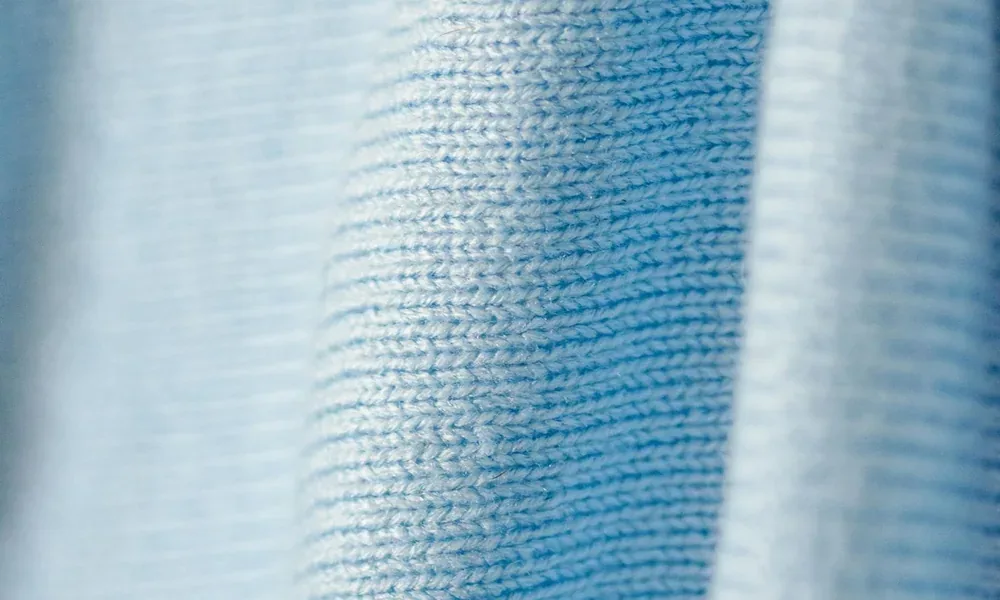
A cashmere dress is a knitted garment, so the knit is the dress. A fine-gauge jersey knit drapes like liquid and suits a simple shift or slip silhouette. A ribbed knit has natural stretch and recovery, which flatters a fitted body-conscious shape. A cable or textured knit adds warmth and visual interest but also bulk, so it suits looser, cosier shapes rather than tailored ones.
| Knit or silhouette | Look and feel | Best for | Warmth |
|---|---|---|---|
| Fine-gauge jersey, midi sheath | Smooth, fluid, elegant drape | Work, travel, evenings | Medium |
| Ribbed knit, fitted midi | Stretchy, body-skimming, neat | Everyday, smart-casual days | Medium to high |
| Chunky cable knit, knee length | Textured, cosy, relaxed | Cold weekends, casual wear | High |
| Fine-gauge slip dress | Light, fluid, delicate | Layering, mild weather | Low |
| Turtleneck sweater dress | Warm, structured, cosy | Winter days, layering | High |
| A-line knit dress | Flared, forgiving, easy | All-day comfort, most figures | Medium |
| Wrap-style knit dress | Adjustable, flattering waist | Changing sizes, dinners | Medium |
| Oversized tunic dress | Loose, relaxed, modern | Layering over leggings | Medium |
Find a fit that flatters a knit
Cashmere knits behave differently from woven dresses. The fabric stretches, relaxes, and moulds to the body, which is forgiving, but it also means a dress that is too tight will show every line underneath, and a dress that is too loose will sag at the shoulders and hem as the day goes on.
Always try a cashmere dress on and sit down in it. Stand, sit, then walk a few steps. Check the shoulders: the seam should sit at the edge of your shoulder, not droop down the arm. Check the waist: a defined waist should stay where it was put, not ride up when you sit. Check the hem: it should hang evenly all the way around, since knit hems can drop over time if the dress has not been properly finished.
Cashmere relaxes slightly with wear, so a dress that feels snug in the shop will usually settle into a comfortable fit. A dress that already bags at the elbows or seat in the shop will only get looser.
Check the construction before you pay
Construction is where a good cashmere dress earns its price. Start by holding it up to the light: the knit should look even, with no thin patches, dropped stitches, or loose loops. Run your hand over the surface: it should feel smooth and uniform, not patchy or rough in places.
Look at the seams, which should be neat, narrow, and flat, with no raw edges or loose threads inside. Turn the dress inside out if you can. Check the neckline, cuffs, and hem: ribbing should be firm and springy, not wavy or stretched out. Check the lining, if there is one: a lined bodice helps a fine-gauge dress keep its shape and stops it clinging.
Then do the stretch test. Gently pull a small section of the knit sideways and let go. High-grade cashmere stretches by roughly a fifth to a third and springs back fully within a couple of seconds. Poor-quality cashmere stretches and sags.
How to spot fake or low-grade cashmere
Fake cashmere is everywhere, and acrylic and polyester blends have become good at imitating cashmere in a photograph. Real cashmere feels warm the moment you touch it. Synthetics feel cool, slick, or overly fluffy, and they build up static when rubbed against your inner wrist.
Read the label first. The best dresses state 100 percent cashmere plainly. Blends are not automatically bad: a little silk adds drape, a little wool adds structure, and a few percent elastane helps a fitted dress keep its shape. But a label that says cashmere blend, cashmere feel, or cashmere touch without percentages usually means acrylic or polyester.
The burn test is the most reliable check, but only on a loose thread from an inside seam, never on the dress itself. Real cashmere burns slowly, smells like burnt hair, and leaves a brittle ash that crumbles. Acrylic melts, smells chemical, and hardens into a bead.
What to expect to pay
Price is a useful clue, but not a guarantee of quality. A simple, well-made cashmere dress from a transparent mid-range label typically costs several hundred, while a designer dress in Grade A fibre can cost several times that. A dress priced far below that range is almost certainly made from short, coarse, or recycled fibre.
Think in terms of cost per wear. A cashmere dress worn forty times across three winters works out cheaper per outing than a bargain dress worn four times and abandoned because it pills or loses its shape. A dress you will not hand wash is a dress you should not buy in cashmere.
For the rest of your wardrobe, our guide to the best cashmere sweaters covers the same fibre rules in knitwear, our satin dresses guide weighs a glossier woven alternative for evenings, and our best winter coats for women round-up shows what to layer over a cashmere dress on the coldest days.
Caring for your cashmere dress
Cashmere is easier to care for than its reputation suggests, but it does need the right routine. Hand wash in cool water, never warmer than 30 degrees Celsius, with a gentle wool or cashmere detergent. Soak for no more than ten minutes, press the water out gently, and never rub, wring, or twist the dress, since wet cashmere is at its weakest.
Dry the dress flat on a clean towel, away from direct sunlight and radiators, reshaping it while it is damp. Never hang a wet cashmere dress: gravity will stretch it out of shape. Fold it for storage, never hang it, and keep it in a breathable cotton bag with cedar or lavender to deter moths.
Some pilling is normal in the first few wears, even in good cashmere, because short surface fibres work loose. Remove pills with a cashmere comb, working gently in one direction, and the dress will settle. Hard, clustered pilling that returns within days signals short fibre, and no amount of de-pilling will fix that.
Before you buy: the checklist
- Label says 100 percent cashmere, with origin and fibre specification stated if possible.
- Fabric feels warm, soft, and slightly springy, not cool, slick, or scratchy.
- Stretch test: the knit springs back fully within a couple of seconds.
- Seams are neat and flat, ribbing is firm, and the hem hangs evenly.
- You have tried it on, sat down in it, and checked the shoulders and waist.
- Care routine is realistic for your life, and the price fits how often you will wear it.
Frequently asked questions
What grade of cashmere is best for a dress?
Grade A is the best: fibres around 14 to 15.5 microns in diameter and 34 to 36 millimetres long. Fine Grade B, at 16 to 19 microns, is also good and is what most mid-range dresses use. Avoid Grade C, around 25 to 30 microns, which feels coarse and wears out fast.
Is 2-ply cashmere better than 1-ply?
Not necessarily. Ply counts the threads twisted into a yarn, so more plies mean a heavier, warmer yarn, not a better one. A two-ply dress is a balanced everyday choice, and four-ply is heavier and warmer, but quality comes from the fibre: long, fine fibre resists pilling at any ply, while short, coarse fibre pills whatever the ply count.
How can I tell if a cashmere dress is real?
Check the label for 100 percent cashmere and a stated micron count or origin. Real cashmere feels warm and soft, springs back when stretched, and does not build up static. On a spare thread, the burn test is decisive: real cashmere smells like burnt hair and leaves crushable ash, while acrylic melts into a hard bead.
Does cashmere always pill?
Almost all cashmere pills a little in the first few wears, as short surface fibres work loose. Good cashmere pills lightly and settles down after de-pilling with a cashmere comb. Heavy, hard pilling that returns within days is a sign of short fibre.
Can you wash a cashmere dress at home?
Yes, in most cases. Hand wash in cool water below 30 degrees Celsius with a gentle wool detergent, soak for no more than ten minutes, press the water out without wringing, and dry the dress flat away from sunlight.
Is a cashmere dress worth the money?
A well-chosen one usually is, because cashmere is warmer than wool at the same weight, breathable, and long-lasting when cared for properly. Judge it by cost per wear: a dress worn forty times across three winters is better value than a cheaper one worn four times and abandoned.
The bottom line
Choosing the perfect cashmere dress in 2027 is not about the most expensive label or the highest ply count. Match the fibre, the knit, and the silhouette to your life, check the construction with your own hands, and try the dress on properly. Start with 100 percent cashmere in Grade A or fine Grade B, choose a 12-gauge knit for everyday versatility, and let the stretch test, not the marketing, decide.
Note: Cashmere is a natural animal fibre, so always follow the care label on your dress and test any cleaning method on a hidden area first. Prices vary by retailer, and this guidance is general buying advice.