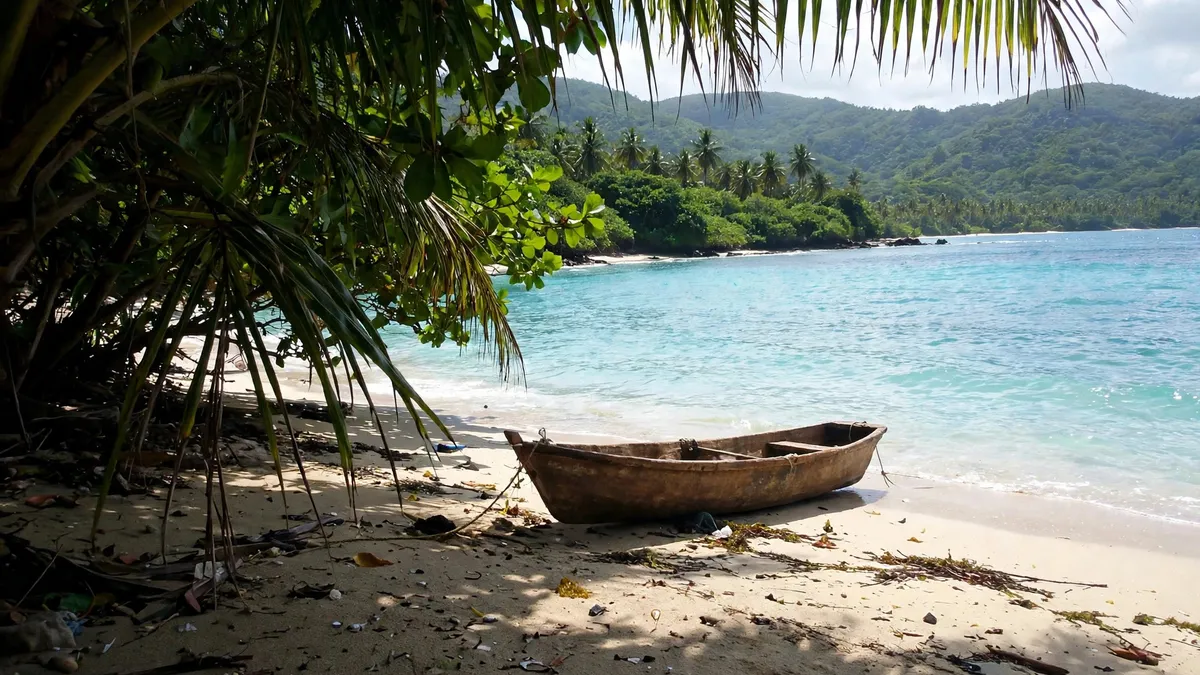

An island escape sounds simple: pick an island, book a flight, lie on a beach. In practice, the planning is where most island holidays are won or lost. The island you choose decides the weather, the transfer, the food, and the price, and a small mistake early on — the wrong season, the wrong airport, the wrong ferry — can cost a day of a short trip.
The problem is that islands are not interchangeable. A Caribbean island in August is a different holiday from the same island in February. A Greek island reached by ferry is a different trip from one reached by a direct flight. And an island that looks perfect in photographs can be the wrong choice if you want to swim, eat well, or simply get there without three connections.
This guide walks through the nine steps that make an island escape work, from choosing the island to packing the bag. It is written for a first island trip and for a tenth, because the same mistakes catch experienced travellers too.
Key takeaways
- Choose the island by season first, then by flight, because the weather decides whether the trip works.
- Book the stay before the transport, and sort the transfer before anything else, because island transfers are the part most people underestimate.
- Set a total budget, not just a room budget, because transfers, ferries and island prices add up fast.
- Plan activities for the morning and the evening, and leave the middle of the day open, because island heat and island time work that way.
- No island is perfect in every season, and weather, ferries and flight schedules can change even after you book.
What planning an island escape actually involves
Planning an island escape is different from planning a city break. In a city, you can fix most mistakes on arrival: the hotel is wrong, you move; the restaurant is closed, you walk to another. On an island, the choices are fewer and the distances are real. If the ferry only runs twice a day, you live by its timetable. If the island has one good restaurant, you book it early. If the weather turns, there may be nowhere else to go.
That is why island planning starts with the island itself, not the hotel. The island decides the season, the flight, the transfer, and the price. A good island for swimming is not always a good island for walking, and a good island for food is not always a good island for quiet. Work out what you want from the trip — swimming, walking, eating, resting — and choose the island that does that best in the season you can travel.
How to plan well: the approach that works
Start with the season, not the destination. Every island has a best time to visit and a worst time, and the difference is usually weather, not price. The Caribbean is at its best from December to April and at its stormiest from August to October. The Greek islands are at their best from May to October and at their quietest, and coldest, in winter. The Maldives are at their driest from November to April. Pick your dates first, then find the islands that are good in those dates.
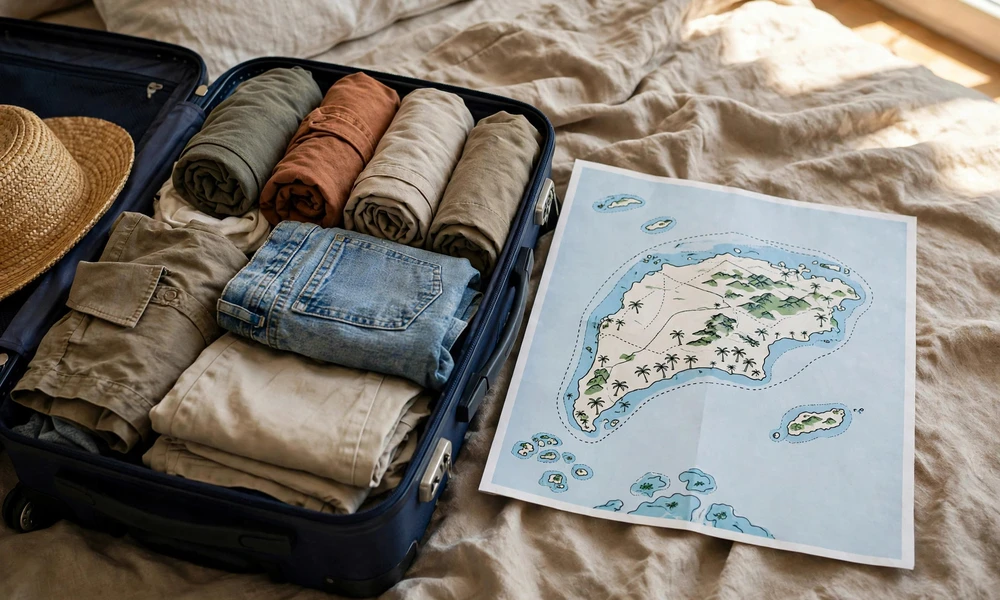
Then work out how you actually get there. Some islands have direct flights, some need a connection, and some need a flight plus a ferry or a seaplane. A journey that looks short on a map can take a full day once you add the connection and the transfer. Check the whole journey, door to door, before you book, and leave a buffer between the flight and the ferry. Our guide to planning a forest escape makes the same point for a different setting, because the journey shapes the holiday wherever you go.
Finally, book in the right order. Book the stay first, because the best rooms go early and the stay decides the island. Then book the flight, then the transfer, then the activities. It feels backwards to book the hotel before the flight, but it is the order that works, because a good room on the right island is harder to find than a good flight.
The 9 steps to plan an island escape
Pick the island and the season together
What to do: Choose your dates first, then find the islands that are at their best in those dates. Check the weather, the sea temperature and the daylight hours, not just the average temperature.
What to avoid: Picking an island from photographs and then discovering it is in its rainy season. Best For: Every traveller, and especially first-time island visitors. Time Needed: An evening of research. Standout Tip: Look at the sea temperature, not just the air temperature, because cold water ruins a swimming holiday.
Decide how long to go for
What to do: Allow at least five nights for a short-haul island and at least seven for a long-haul one. Count the travel days honestly, including the transfer.
What to avoid: A three-night trip to a far island, where two of the days are spent travelling. Best For: Travellers with limited holiday who want the trip to feel like a holiday. Time Needed: Ten minutes with a calendar. Standout Tip: Add a night at the start if the flight lands late, so the first day is not wasted.
Choose the stay before the transport
What to do: Book the hotel or villa first, because the best rooms go early and the stay decides the island. Then book the flight to fit the stay.
What to avoid: Booking a cheap flight to the wrong island and then finding nowhere good to stay. Best For: Anyone travelling in peak season. Time Needed: A few hours of comparing stays. Standout Tip: Book a stay with free cancellation if you can, so you can change the flight without losing the room.
Sort the transfer before anything else
What to do: Work out the whole journey from the airport to the hotel, including ferries, boats and seaplanes. Check the times, the cost and what happens if the flight is delayed.
What to avoid: Assuming there will be a ferry when you land, or that a seaplane flies after dark. Best For: Every island traveller. Time Needed: An hour of checking timetables. Standout Tip: Ask the hotel to arrange the transfer, because they know the timetable better than any website.
Set a total budget, not just a room budget
What to do: Add up the flight, the transfer, the stay, the food, the activities and the insurance. Then add ten percent for the things you forgot.
What to avoid: Comparing islands by the room rate alone, when the transfer costs more than the room. Best For: Travellers who want to avoid a surprise bill. Time Needed: Half an hour with a spreadsheet. Standout Tip: Check island prices for food and drink, because a cheap room on an expensive island is not a cheap holiday.
Plan activities for the morning and evening
What to do: Put the swimming, walking and exploring in the morning, when the light is best and the heat is lowest. Keep the evenings for dinner and a walk.
What to avoid: Planning a full day of activities in the midday heat, or trying to do everything on the first day. Best For: Travellers who want to enjoy the island rather than rush it. Time Needed: An evening of planning. Standout Tip: Leave the middle of the day open for swimming, reading and resting, because that is what island time is for.
Islands run on a different clock. The morning is for doing things, the middle of the day is for the water and the shade, and the evening is for eating and walking. Plan with that rhythm, not against it.
Pack for the island, not the hotel
What to do: Pack light clothes, swimwear, reef-safe sunscreen, water shoes and a dry bag. Leave the formal clothes at home unless the hotel requires them.
What to avoid: A heavy suitcase on a ferry, or shoes you cannot walk in on sand. Best For: Anyone travelling by ferry or seaplane, where luggage is limited. Time Needed: An hour of packing. Standout Tip: Pack a change of clothes in your hand luggage, in case the main bag arrives late.
Island packing is about the water and the walking, not the wardrobe. Most islands are barefoot, most restaurants are informal, and the bag you carry matters more than the bag you check in. Pack light, and pack for the island.
Book restaurants and activities early
What to do: Book the best restaurant and the best activity before you travel, especially in peak season. Ask the hotel what needs booking and what does not.
What to avoid: Arriving on a small island and finding the only good restaurant fully booked for the week. Best For: Food lovers and anyone travelling in peak season. Time Needed: Half an hour of emails. Standout Tip: Book one special dinner and one special activity, and leave the rest open, so the trip has highlights without a schedule.
Small islands have small choices. There may be one good restaurant, one good dive shop and one good boat trip, and they all book up. A little planning before you travel saves a lot of disappointment on arrival.
Build rest into the days
What to do: Leave at least one day with nothing planned, and keep the mornings of travel days free. Let the island set the pace.
What to avoid: A schedule so full that the holiday feels like work, or a trip so short that you need a holiday to recover from it. Best For: Everyone, and especially travellers who arrive tired. Time Needed: None, once you accept it. Standout Tip: Plan one rest day in the middle of the trip, not at the end, so you enjoy the rest of the holiday more.
Rest is not wasted time on an island. It is the point. The best island holidays have long, empty afternoons, and the best memories are usually the unplanned ones. Build rest in, and protect it.
Choosing the island for your kind of trip
Couples on a honeymoon usually want quiet, beauty and a good restaurant. The Maldives, Bora Bora and the Seychelles all deliver that, and they are worth the journey. Families with children are better off on a larger island with a beach, a town and a choice of restaurants, such as Mallorca, Crete or Barbados. The island needs to be big enough to keep everyone occupied.
Travellers who want to swim and snorkel should choose by the water, not the hotel. The Maldives, the Philippines and French Polynesia have the clearest water and the best reefs, and they reward a slow, water-based holiday. Travellers who want to walk and explore should choose a bigger island with hills and villages, such as Madeira, Tenerife or Corsica. Our guide to planning a mountain escape is a useful comparison, because it shows how the terrain shapes the trip in the same way.
Travellers on a tighter budget should look at the nearer islands. A Greek island reached by a short flight and a ferry is far cheaper than a Maldivian atoll reached by a seaplane, and the holiday can be just as good. The saving is in the journey, not the room. If you want the far island, go for longer, so the journey is worth it.
The caveats that matter
Islands are weather-dependent in a way that cities are not. A storm can cancel a ferry, a flight can be delayed by wind, and a week of rain can change the whole character of a trip. That does not mean you should not go, but it does mean you should buy travel insurance that covers weather disruption, and you should have a plan for a rainy day.
| Detail | What is known |
|---|---|
| First decision | The island and the season together, not the hotel |
| How long to go for | At least five nights short-haul, seven nights long-haul |
| Booking order | Stay first, then flight, then transfer, then activities |
| The part people underestimate | The transfer, including ferries, boats and seaplanes |
| Budget honestly | Total budget, including transfers, food and activities, plus ten percent |
| Best daily rhythm | Activities in the morning, rest at midday, dinner in the evening |
| What to pack | Light clothes, swimwear, reef-safe sunscreen, water shoes, dry bag |
| What no plan guarantees | Good weather, on-time ferries, or a free table at the best restaurant |
Money is the other caveat. Islands are expensive, and the costs are often hidden in the transfer, the food and the activities rather than the room. Check the prices before you go, and take more money than you think you need, because the cash machine on a small island may be empty or absent. A luxury travel destination is worth comparing on total cost, not just the room rate, because the total is what you actually pay.
Checklist: planning an island escape honestly
Use these checks before you book, and again before you travel.
- Check the season: is the island at its best in your dates, and is the sea warm enough to swim in?
- Check the journey: door to door, including the flight, the ferry and the transfer, with a buffer between each step.
- Check the stay: book the room first, with free cancellation if you can, and confirm the transfer with the hotel.
- Check the budget: total cost, including transfers, food and activities, plus ten percent for the things you forgot.
- Check the bookings: one special dinner and one special activity booked in advance, the rest left open.
- Check the bag: light clothes, swimwear, reef-safe sunscreen, water shoes, dry bag, and a change of clothes in hand luggage.
Frequently asked questions
How far in advance should I plan an island escape?
Three to six months for a popular island in peak season, and at least two months for a quieter one. The best rooms and the best flights go early, and the transfer needs time to arrange. Last-minute island trips work best off-season.
Is it better to book a package or plan it myself?
A package is simpler and often cheaper, because the flight, the stay and the transfer are bundled. Planning it yourself gives you more choice, especially on the island and the room. If it is your first island trip, a package is the safer choice.
What if the ferry is cancelled?
Have a plan. Ask the hotel what happens if the ferry is cancelled, and keep a night in hand on the mainland if you can. Travel insurance that covers weather disruption is worth the cost on an island trip.
Do I need travel insurance for an island escape?
Yes. Island trips involve flights, ferries and boats, all of which can be delayed or cancelled by weather. Insurance that covers cancellation, delay and medical evacuation is sensible, and on a remote island it is essential.
How much should I budget for an island escape?
That depends on the island and the length of the trip. Work out the total, including the flight, the transfer, the stay, the food and the activities, then add ten percent. A week on a Greek island costs far less than a week in the Maldives, mostly because of the journey.
What should I do on a rainy day on an island?
Read, eat well, visit the town, and wait. Island rain usually passes quickly, and the light after a storm is often the best of the trip. A spa, a cooking class or a long lunch are all good rainy-day plans.
The bottom line
Planning an island escape is not complicated, but it is sequential. Pick the island and the season together, decide how long to go for, book the stay before the transport, sort the transfer, set a total budget, plan the mornings and evenings, pack for the island, book the highlights early, and build rest into the days. Each step follows from the one before it, and skipping one usually costs time or money later.
Get the island right, and the rest follows. Check the season, check the journey, and leave room for the island to surprise you. That is the honest way to plan an island escape, and it is what turns a good trip into a memorable one.