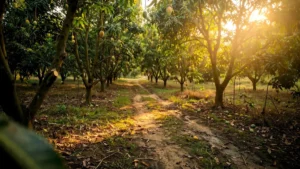
A palm grove escape sounds simple: find a beautiful resort under the palms, book a room, and go. In practice, the trips that go wrong usually go wrong in the planning, not on arrival. The resort was too far from the airport, the grove room was dark and damp, the transfer cost as much as a night, or the beach was a twenty-minute walk in the heat. None of those are surprises if you plan for them.
The good news is that a palm grove escape is easy to plan well, because the things that matter are few and concrete. Pick the right grove, pick the right season, check the distances, set a real budget, and book the things that sell out.
Below are nine steps that take you from the first idea to a confirmed booking, in the order that saves you the most time and money. Each step explains what to do, what to avoid, and how long it takes, so you can plan a palm grove escape that feels calm from the start, not just when you arrive.
Key takeaways
- Pick the grove before the hotel: coconut, date palm and royal palm groves feel very different, and the wrong type is the most common planning mistake.
- Season decides the trip more than price does: dry-season dates give firm paths and lower humidity, while wet-season savings come with mud and insects.
- Set a total budget, not a room budget, because transfers, meals and activities at remote grove resorts can double the cost of the room.
- Book the room, the transfer and the activities that sell out first, in that order, and leave the rest until you arrive.
- No plan removes every risk: weather, insects and resort works can still change a grove escape, whatever you book in advance.
What a palm grove escape actually involves
A palm grove escape is a holiday built around a stay in a mature palm grove, rather than a beach, a city or a spa. The grove is the destination: you walk under it, eat in it, sleep in it, and the days are shaped by shade, birdsong and slow mornings rather than by sightseeing.
The main difference is distance. Grove resorts are usually set apart from towns, on large sites, with rooms spread through the trees. That gives you privacy, but it also means every meal, swim and spa visit involves a walk, a bike or a buggy. Planning a grove escape means planning for those distances, and for the transfer from the airport, which is often longer and more expensive than for a town hotel.
The other difference is pace. A grove escape works best when the days are loose, with one or two planned activities and the rest left open. Plan the essentials, leave gaps, and let the grove do the rest.
How to plan a palm grove escape, step by step
The nine steps below are in the order that matters. Start with the grove, then the season, then the stay, and only then the details, because each choice narrows the next one and saves you from re-planning.

Before you start, decide who is travelling and how they like to spend a day. A couple who wants to read under the palms needs a different grove from a family with young children, or a group of friends who want to be active. Write down the non-negotiables first, such as a swimmable beach, a spa, or step-free paths, and use them to filter every choice that follows. Our guide to planning a bamboo grove escape follows the same order, because grove trips of every kind are planned grove first, hotel second.
Give yourself time. A palm grove escape is not a trip to book in an evening. The best rooms and the best dates go early, and the transfers need checking. Two to three weeks of unhurried planning, with a day or two between decisions, is a realistic pace, and it is far cheaper than rebooking a room that turns out to be wrong.
The 9 steps to planning a palm grove escape
Nine steps, in order, from choosing your grove to arriving calm and ready.
Pick your palm grove first
What to do: Choose the type of grove that suits you: a humid coconut grove on a tropical island, a dry date palm grove in a desert oasis, or a formal royal palm grove at a Caribbean resort. What to avoid: Picking a hotel first and discovering the grove afterwards, because the grove is what you are travelling for. Best For: Every traveller, because this choice shapes everything else. Time Needed: An evening of reading and comparing. Standout Tip: Look at photographs of the grove in the wet season, not just the dry season, to see what it really looks like.
This is the step most people skip, and the one that causes the most disappointment.
Time it with the season
What to do: Choose dry-season dates for firm paths, lower humidity and a tidy canopy, and check the local rainy season, hurricane season and heat before you commit. What to avoid: Booking the cheapest dates without checking what the season means for the grove itself. Best For: Travellers who want the grove at its best. Time Needed: An hour of checking climate and resort information. Standout Tip: Shoulder season, just after the rains, often gives you a lush grove at a lower price.
Season matters more in a grove than on a beach, because the grove is alive. Wet-season rain makes the paths muddy, the canopy heavy, and the insects worse, while dry-season heat can make an inland grove feel airless.
Decide between a grove stay and a nearby hotel
What to do: Compare staying inside the grove with staying at a nearby hotel and visiting the grove by day, weighing privacy against price and flexibility. What to avoid: Assuming the grove resort is the only option, because a good hotel a short walk away can give you the same trees at half the price. Best For: Budget-conscious travellers and short trips. Time Needed: A day of comparing rates and locations. Standout Tip: If you stay outside the grove, check whether day access to the beach and spa is included.
This is a real choice, not a compromise. For a short trip, the nearby hotel is often the better plan.
Book the stay early, and read the details
What to do: Book the grove rooms and beach villas first, because they sell out before the standard rooms, and read the room description for distance, shade and access. What to avoid: Booking a room described only as a garden view without asking what garden, how far, and how shaded. Best For: High-season and honeymoon trips. Time Needed: A few hours of comparing rooms and rates. Standout Tip: Email the hotel and ask for the room closest to the beach with the most shade, and get the answer in writing.
Grove resorts often have only a handful of the best rooms, and they go months ahead in high season.
Sort transport before you arrive
What to do: Book the airport transfer with the hotel, check the journey time, and confirm whether it is by car, boat or small plane, and what it costs. What to avoid: Assuming a taxi will be waiting, because grove resorts are often remote and transfers need booking. Best For: Every traveller, but especially families and late arrivals. Time Needed: An hour of emails and confirmations. Standout Tip: Ask for the total door-to-door time, not just the transfer time, including waits and check-in.
Transport is where grove escapes most often go wrong. Sort it before you pay for the room.
Set a total budget, not just a room price
What to do: Add up the room, the transfer, meals, activities, spa and tips, and set a daily total that includes them all. What to avoid: Budgeting only for the room, because grove resorts are remote and every meal and activity is priced in the resort. Best For: Travellers who want no surprises on the bill. Time Needed: An evening with the resort price list and a calculator. Standout Tip: A half-board rate that includes breakfast and dinner is often better value than a room-only rate at a remote grove resort.
The room is usually less than half the cost of a grove escape. A total budget is the only honest way to compare two grove resorts.
Book tastings and grove tours in advance
What to do: Book the spa, the grove tour, the tasting and any small-group activity before you travel, because they have limited places. What to avoid: Leaving everything to arrival, because the best slots go to guests who booked ahead. Best For: Travellers who want the activities that make a grove stay special. Time Needed: An hour of booking and confirming. Standout Tip: Book one activity a day at most, and leave the rest of the day open for the grove itself.
They have few places and they fill up, so book them early and keep the rest of the day free.
Pack for the grove, not the hotel
What to do: Pack light, breathable clothes, sturdy sandals for sandy and uneven paths, insect repellent, sunscreen and a hat, and a small bag for day trips. What to avoid: Packing only smart clothes and heels, because grove paths are sandy, stepped and uneven. Best For: Every traveller, especially first-time grove visitors. Time Needed: An evening of packing. Standout Tip: Pack a light long-sleeved shirt for dusk, when the insects come out and the air cools.
Grove packing is practical packing. Smart clothes have their place at dinner, but they are not the main event.
Leave gaps in the day on purpose
What to do: Plan one activity a day, leave the mornings and evenings open, and let the grove set the pace. What to avoid: Filling every hour with tours and bookings, because a packed schedule defeats the point of a grove escape. Best For: Travellers who want to actually rest. Time Needed: Ten minutes with the itinerary. Standout Tip: Keep the first morning completely free, so you can walk the grove and learn the layout before you plan anything else.
This is the step that turns a good grove escape into a great one. If every hour is booked, you will leave having seen the grove but never having been in it.
When to go and how long to stay
How long you stay matters as much as when you go. A palm grove escape needs at least three nights to work, because the first day is arrival and the last day is departure, which leaves only one full day in between. Four to five nights is the sweet spot for most travellers: long enough to settle into the grove, short enough to keep the cost under control, and long enough for the weather to give you at least a few good days.
Longer stays suit the grove better than shorter ones, because the grove rewards repetition. The same walk feels different at dawn and at dusk, the same beach is different on a calm day and a windy one, and the same restaurant is better once you know what to order. If you can stay a week, do, and plan two or three activities across the whole stay rather than one a day. Our guide to planning a date palm escape makes the same point about desert groves: the slower the stay, the better the grove feels.
When to go depends on the grove, not just the destination. Tropical coconut groves are best in the dry season, when the paths are firm and the air is lighter. Desert date palm groves are best in the cooler months, when the days are warm and the nights are cool. Royal palm groves in the Caribbean are best outside the hurricane season, when the weather is settled. Check the grove, not just the country, and you will get the timing right.
The caveats that matter
A well-planned palm grove escape is still a trip to a living landscape, and living landscapes change. Rain can close a path, wind can bring down a frond, a resort can start work on a villa block, and a beach can be busy on a day when you expected it to be empty. Planning well reduces the risk, but it does not remove it, and the travellers who enjoy grove escapes most are the ones who accept that and adapt.
| Detail | What is known |
|---|---|
| Minimum stay that works | Three nights, with four to five nights as the sweet spot |
| Best time to book | Months ahead for grove rooms and beach villas in high season |
| Biggest hidden cost | Transfers, meals and activities at remote grove resorts |
| What to plan first | The grove type, then the season, then the stay |
| What sells out first | Grove rooms, beach villas, spa slots and small-group tours |
| Packing that matters | Light clothes, sturdy sandals, repellent, sunscreen and a hat |
| Who should check access | Families with young children and travellers with limited mobility |
| What planning cannot fix | Weather, insects, resort works and busy days at the beach |
If you are travelling with young children, elderly parents, or anyone with limited mobility, check the ground before you book. Grove paths are often sandy, uneven or stepped, and the distance from the room to the beach can be long in the heat. A resort with buggies, flat paths and a beachfront restaurant is a much easier choice than a spread-out grove with a long walk to every meal. Our guide to planning a vineyard escape covers a similar kind of rural, spread-out stay, and the same access checks apply.
Checklist: planning a palm grove escape honestly
Use these checks before you book, and again the week before you travel.
- Check the grove type: coconut, date palm or royal palm, and whether it suits how you like to travel.
- Check the season: dry-season dates, and what the wet season means for paths, humidity and insects.
- Check the total budget: room, transfer, meals, activities and tips, added up before you book.
- Check the room: distance to the beach, restaurant and spa, shade, fan, screens and access.
- Check the bookings: room, transfer, spa and tours confirmed, with the best slots booked first.
- Check the plan: one activity a day at most, with mornings and evenings left open for the grove.
Frequently asked questions
How far ahead should I book a palm grove escape?
Three to six months ahead for high season, and earlier for honeymoons and the best grove rooms.
How many nights do I need in a palm grove?
Three nights is the minimum that works, and four to five nights is the sweet spot.
Is a palm grove escape good for children?
Often yes, especially at larger resorts with pools, kids clubs and flat paths.
What should I pack for a palm grove escape?
Light, breathable clothes, sturdy sandals for sandy and uneven paths, insect repellent, sunscreen, a hat, and a light long-sleeved shirt for dusk. Pack a small day bag for the beach and the grove walks, and leave the heels at home.
Do I need travel insurance for a palm grove escape?
Yes, and check that it covers the transfer, because grove resorts are often reached by boat or small plane, and a missed connection can mean a lost night.
Can I plan a palm grove escape on a budget?
Yes, by staying outside the grove and visiting by day, by travelling in shoulder season, and by choosing a shorter stay.
The bottom line
Planning a palm grove escape is simple once you do it in the right order: pick the grove, pick the season, book the stay, sort the transport, set a total budget, and leave gaps in the day. The travellers who enjoy grove escapes most are not the ones with the fullest itineraries, but the ones who planned the essentials and then let the grove set the pace.
Start with the grove, not the hotel, check the walk and the total cost before you pay, and keep the first morning free. That is the honest way to plan a palm grove escape that feels calm from the start, and stays calm all the way through.