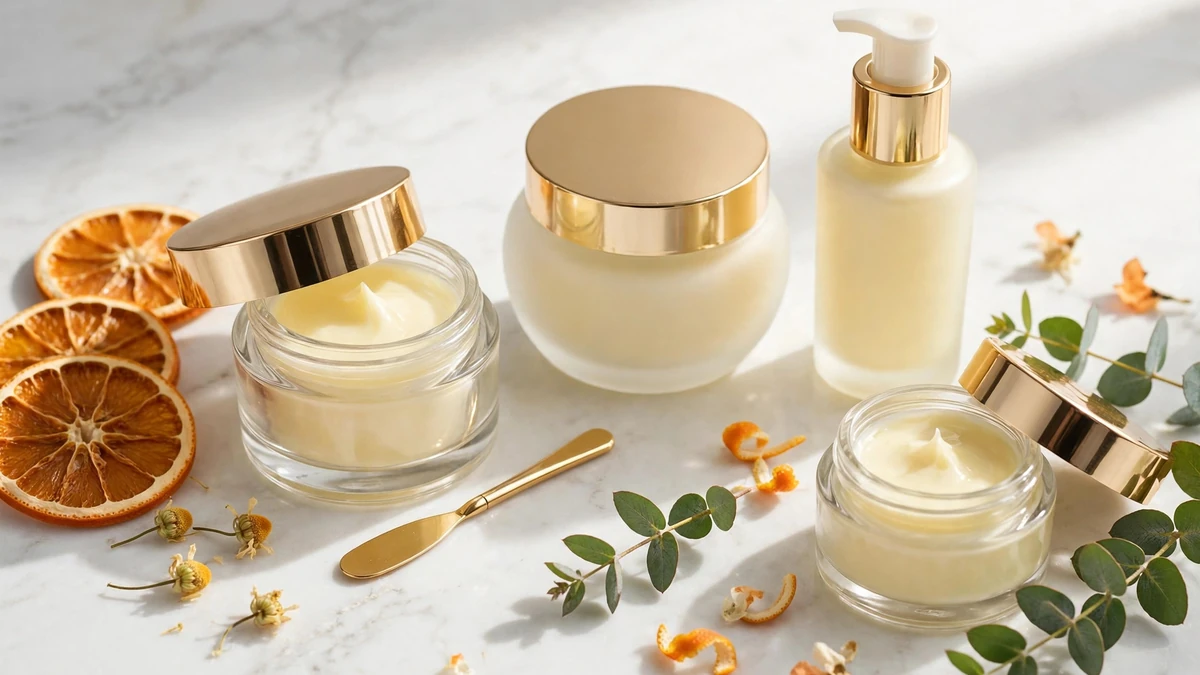

Vitamin C does its best work while you sleep. During the day, it defends your skin against sun, pollution and stress. At night, with no UV to fight and no makeup in the way, it can focus on the slower jobs: brightening dull skin, softening the look of dark spots, and supporting the collagen that keeps skin looking firm. A good vitamin C night cream pairs that brightening power with the rich, comforting texture skin wants in the evening, so you wake up to skin that looks rested rather than stripped.
The problem is that not every cream labelled with vitamin C actually delivers it. Some contain only a trace, added for the label. Some use a form that breaks down quickly in the jar. And some are so heavily fragranced, or so rich, that they irritate sensitive skin or sit greasy on a pillow. Choosing well means looking past the front of the jar to the form, the strength, and the supporting ingredients.
Below are nine vitamin C night creams worth considering in 2027, from a light gel cream for oily skin to a rich barrier-repair formula for dry, mature skin. Each one is described by what it is good at, what to watch for, and who it suits best, so you can choose with your skin in mind, not just a bestseller list.
Key takeaways
- A vitamin C night cream brightens skin and fades the look of dark spots while you sleep, when skin is not busy defending itself against sun and pollution.
- Look for a named form of vitamin C, such as L-ascorbic acid, THD ascorbate, or sodium ascorbyl phosphate, among the first ingredients, not near the end.
- Rich creams suit dry and mature skin, while gel creams and lighter textures suit oily and combination skin that still wants brightness.
- Use the cream as the last step of your evening routine, after serum and before sleep, and keep using daily sunscreen, because sun undoes brightening faster than any cream can build it.
- No night cream reverses ageing or removes pigmentation completely, and a cream that has turned dark orange, smells strongly metallic, or stings on repeat use should be replaced or stopped.
What a vitamin C night cream actually does
Vitamin C is an antioxidant, which means it helps neutralise the unstable molecules created by sun, pollution and stress. Those molecules contribute to dullness, uneven tone and fine lines, so a steady supply of vitamin C helps skin look brighter and more even over time. It also plays a role in collagen production, which is why it is often described as firming, and it interferes with excess melanin production, which is why it helps with dark spots and post-blemish marks.
At night, skin loses more water than during the day, which is why a night cream matters as much as the active inside it. A good one seals in moisture, supports the skin barrier, and gives the vitamin C a comfortable base to work from. That is the real difference between a vitamin C serum and a vitamin C night cream. The serum delivers a concentrated dose. The cream delivers a gentler dose in a richer, more protective texture, and it does the quiet job of keeping skin hydrated until morning.
Results take time. Most people notice brighter, more even-looking skin after four to eight weeks of nightly use. Dark spots fade more slowly, and deeper pigmentation needs a longer routine and strict sun protection to stay faded. If a cream stings, causes persistent redness, or makes skin flake, that is a sign to stop and simplify, not a sign that it is working. Tingling for a minute can be normal with a strong formula. Burning is not.
How we chose these night creams and what to look for
Look first at the form of vitamin C. L-ascorbic acid is the most studied form and the most potent, while THD ascorbate is oil-soluble, stable, and often gentler. Sodium ascorbyl phosphate and ascorbyl glucoside are stable derivatives that suit sensitive skin. If vitamin C appears near the end of the list, after fragrance and fillers, it is likely present in name only, and the cream will not brighten much no matter how good the jar looks.
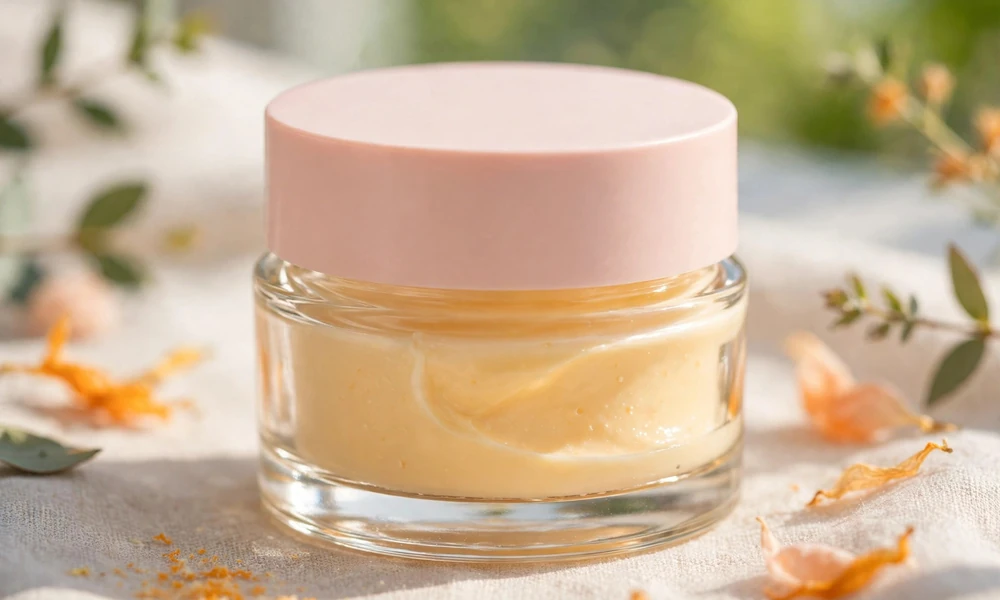
Look next at the supporting ingredients. Hyaluronic acid and glycerin add hydration and make a strong formula feel more comfortable. Ceramides and peptides support the barrier and suit mature skin. Niacinamide can sit well alongside vitamin C in a modern formula, and a guide to the best vitamin C serums explains the different forms in more detail, which helps when you are comparing a serum and a night cream side by side.
Finally, look at the texture and the jar. A cream you enjoy using nightly is worth more than a stronger one you avoid. A light gel cream suits oily skin and warm bedrooms. A rich, buttery cream suits dry skin and cold weather. A dark or opaque jar, or a pump that keeps air out, helps the vitamin C stay stable, and a size you will finish within two to three months is a practical sign of a well-designed product.
The 9 best vitamin C night creams of 2027
Sunday Riley C.E.O. Afterglow Brightening Vitamin C Gel Cream
What we like: 15 percent THD ascorbate in a light, fast-absorbing gel cream with phytosterols, a comfortable texture that brightens without feeling heavy. What to consider: Premium price, and the gel texture may not be rich enough for very dry skin in winter. Key ingredients: 15% THD ascorbate, phytosterols, saccharide isomerate. Skin type: Normal, combination, dry. Size: 50 ml. Cruelty-free: Yes.
A strong first choice if you want a real dose of vitamin C in a texture that layers easily and never feels greasy. It works well under a richer cream in cold weather.
Ole Henriksen C-Rush Brightening Gel Crème
What we like: A brightening gel crème with vitamin C, rosehip and gold-complex ingredients, lightweight, fresh-smelling, and easy to use every night. What to consider: Contains fragrance, so sensitive skin should patch-test first, and the brightening is gradual rather than dramatic. Key ingredients: Vitamin C, rosehip oil, gold complex. Skin type: Normal, combination, oily. Size: 50 ml. Cruelty-free: Yes.
Good for people who like a light, fresh texture and a little glow by morning. If fragrance bothers your skin, choose a fragrance-free option instead.
Murad Essential-C Overnight Barrier Repair Cream
What we like: A rich overnight cream that pairs vitamin C with barrier-repair ingredients, designed to brighten while it comforts stressed, tired skin. What to consider: Rich texture, so oily skin may find it too heavy, and it is premium-priced. Key ingredients: Vitamin C, ceramides, squalane. Skin type: Dry, normal, mature. Size: 50 ml. Cruelty-free: No.
Best for dry or mature skin that wants brightness and comfort in one step. It feels like a proper night cream, not a thin lotion.
Bliss Bright Idea Vitamin C + Tri-Peptide Moisturizer
What we like: Vitamin C with tri-peptides in a smooth, everyday moisturizer, fragrance-free, affordable, and easy to layer with a serum underneath. What to consider: A gentler dose of vitamin C, so results are slower than with a high-strength formula. Key ingredients: Vitamin C, tri-peptides, vitamin E. Skin type: All, including sensitive. Size: 50 ml. Cruelty-free: Yes.
A sensible daily choice for beginners and sensitive skin. It brightens steadily without drama, and the price makes it easy to use generously.
Derma E Vitamin C Intense Night Cream
What we like: A stable vitamin C derivative with hyaluronic acid and vitamin E, fragrance-free, affordable, and made for nightly use on sensitive skin. What to consider: A derivative, so it is gentler and slower than pure ascorbic acid, and the jar should be used within a few months of opening. Key ingredients: Sodium ascorbyl phosphate, hyaluronic acid, vitamin E. Skin type: Sensitive, dry, normal. Size: 56 g. Cruelty-free: Yes.
For anyone who has found vitamin C too strong before, this is a calm, low-risk way back in. It is also one of the best-priced options here.
Andalou Naturals Probiotic + C Renewal Cream
What we like: Vitamin C with probiotics and fruit stem cells in a rich, nourishing cream, with a pleasant natural scent and a fair price. What to consider: Rich texture, so oily skin may prefer a gel, and the scent may bother very sensitive skin. Key ingredients: Vitamin C, probiotics, fruit stem cells. Skin type: Dry, normal, combination. Size: 50 g. Cruelty-free: Yes.
A good middle ground between a drugstore cream and a luxury one. Dry skin in particular will like how comfortable it feels by morning.
Olay Regenerist Vitamin C + Peptide 24 Brightening Moisturizer
What we like: Vitamin C with peptides and niacinamide in a fragrance-free moisturizer, widely available, affordable, and designed for 24-hour hydration. What to consider: A modest vitamin C dose, so it is a maintenance cream rather than a strong treatment for stubborn pigmentation. Key ingredients: Vitamin C, peptides, niacinamide. Skin type: All, including sensitive. Size: 50 ml. Cruelty-free: No.
The easiest option to buy and the easiest to live with. If you want one straightforward night cream that brightens gently, this is it.
Neutrogena Bright Boost Gel Cream
What we like: A light gel cream with Neoglucosamine and vitamin C, fast-absorbing, affordable, and well suited to oily and combination skin. What to consider: Light texture, so very dry skin will need a richer cream on top, and results are gradual. Key ingredients: Neoglucosamine, vitamin C. Skin type: Oily, combination, normal. Size: 50 ml. Cruelty-free: No.
A good budget pick for oily skin that wants brightness without shine. It sinks in quickly and never feels sticky on the pillow.
Fresh Vitamin Nectar Moisture Glow Face Cream
What we like: A vitamin-rich face cream with citrus fruit extracts and vitamin C, E and B5, with a fresh scent and a soft, dewy finish. What to consider: Contains fragrance and citrus extracts, so sensitive skin should patch-test, and it is premium-priced. Key ingredients: Vitamin C, vitamin E, vitamin B5, citrus extracts. Skin type: Normal, dry, combination. Size: 50 ml. Cruelty-free: No.
For skin that looks dull and tired, this cream gives a visible glow by morning. It is a treat, and it works best as part of a simple routine rather than layered with many actives.
Which vitamin C night cream is right for your skin type
Dry skin usually does best with a rich cream, an oil-soluble form such as THD ascorbate, and supporting ingredients like ceramides, squalane and hyaluronic acid. The goal is brightness without tightness, so a cream that leaves skin comfortable five minutes after application is a better sign than one that feels strong on contact. Our guide to the best night creams covers richer formulas in more depth, which helps if your skin needs comfort as much as it needs brightening.
Oily and combination skin often prefer a gel cream or a light lotion texture, used as the last step after a serum. A thin layer is enough. More cream does not make vitamin C work faster, and a heavy layer on oily skin is more likely to feel greasy and transfer to the pillow than to add benefit.
Sensitive skin needs a slower start. Choose a derivative, or a fragrance-free formula, use it every other night for two weeks, and only move to nightly use if your skin stays calm. Avoid starting a vitamin C night cream at the same time as a new retinol or a strong exfoliant. Introduce one active at a time, so you know what is helping and what is irritating.
The caveats that matter
Vitamin C is well studied, but it is not a cure-all. It will not remove deep melasma, replace sunscreen, or work if the cream has oxidised. It can also interact with other actives. Used with a strong exfoliant or retinol on the same night, it can increase irritation, especially for sensitive skin. That does not mean you cannot use them in the same routine, only that you should separate them, vitamin C at night and retinol on alternate nights is a common, sensible split, and introduce each one slowly.
| Detail | What is known |
|---|---|
| Best form for most skin | L-ascorbic acid or THD ascorbate, or a stable derivative for sensitive skin |
| When to use it | Evening, as the last step, after serum and before sleep |
| How long to see results | Brighter skin in 4 to 8 weeks; dark spots fade more slowly |
| Who should start gently | Sensitive, reactive, or barrier-damaged skin; start every other night |
| What to avoid pairing at first | Starting retinol and a strong exfoliant at the same time |
| Storage | Cool place, away from light and heat; use within 2 to 3 months of opening |
| When to replace it | If it turns dark orange, smells strongly metallic, or feels sticky and irritating |
| What it does not do | It does not remove deep pigmentation alone, reverse ageing, or replace sunscreen |
If you are pregnant, breastfeeding, or using prescription skincare, check with your clinician or dermatologist before adding a new active, especially at high strength. That is not a formality. Prescription treatments change what your skin can tolerate, and a simple check avoids weeks of irritation.
Checklist: choosing a vitamin C night cream honestly
Use these checks before you buy, and again after two weeks of use.
- Check the form: a named vitamin C, such as L-ascorbic acid, THD ascorbate, or sodium ascorbyl phosphate, among the first ingredients.
- Check the texture: a gel cream for oily skin, a rich cream for dry skin, and a texture you enjoy enough to use every night.
- Check the jar: dark or opaque, or a pump that keeps air out, and a size you will finish in two to three months.
- Check the colour: it should be white to pale straw, not dark orange or brown.
- Patch-test first: apply to your jawline or inner arm for two to three days before full-face use.
- Protect the result: use sunscreen every morning, because sun undoes brightening faster than any night cream can build it.
Frequently asked questions
Can I use a vitamin C night cream every night?
Most people can, once their skin has adjusted. Start every other night for two weeks, then move to nightly use if there is no redness or flaking. Sensitive skin may stay at every other night and still get the benefit.
Should I use a vitamin C serum and a vitamin C night cream together?
You can, but you do not need to. A serum gives a stronger dose and a cream gives comfort and hydration. If you use both, keep the serum light and the cream gentle, and stop one if your skin becomes irritated.
Can I use a vitamin C night cream with retinol?
Yes, but separate them. Use vitamin C on some nights and retinol on others, or vitamin C in the morning and retinol at night. Do not start both at full strength in the same week.
Why has my vitamin C night cream turned orange?
It has oxidised, usually from air, light or heat. A pale yellow is often still usable, but a dark orange or brown cream is less effective and more likely to irritate, so replace it.
Is vitamin C safe for sensitive skin at night?
Often yes, at a lower strength or as a derivative. Choose a fragrance-free formula, patch-test, and start every other night. If redness persists, stop and try a gentler routine, such as the moisturisers for dry skin that focus on barrier comfort first.
Do I still need sunscreen if I use vitamin C at night?
Yes, every day. Vitamin C helps defend against sun damage, but it does not block UV. Sunscreen is what protects the brightness and even tone you are working to build.
The bottom line
The best vitamin C night cream in 2027 is not the strongest or the most expensive. It is the one that suits your skin type, that you will use every night, and that stays fresh in the jar. For resilient skin, a 15 percent THD ascorbate gel cream is a strong choice. For sensitive or beginner skin, a gentle derivative in a fragrance-free cream is the smarter start, and it will still deliver visible brightness with time.
Choose one cream, use it consistently for eight weeks, protect it with sunscreen, and judge it on how your skin looks and feels in the morning, not on how strong it feels on night one. That is the honest way to get the benefit vitamin C is known for, without the irritation that makes people give up on it.