


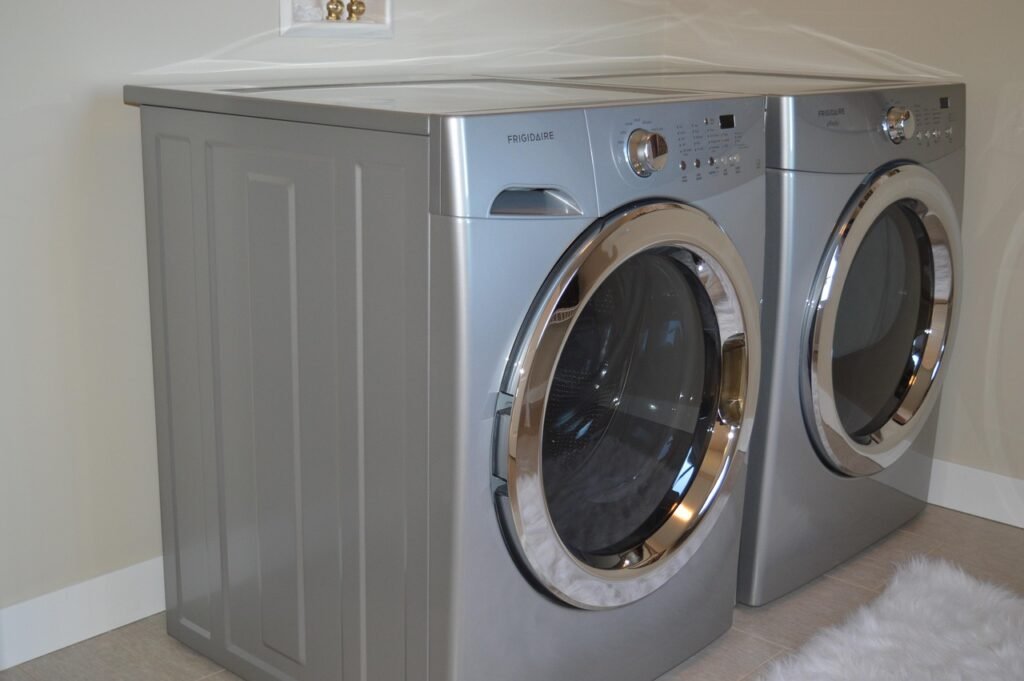
What if the most expensive washer and dryer set in the store turned out to be the wrong one for your home? That happens more often than people admit. A ventless heat-pump dryer that saves a fortune in energy can be a terrible fit for a family of five who does four loads on Sunday. A budget top-loader with an agitator might outlast a fancy front-loader by years in a rental apartment with hard water and no maintenance routine.
The question “what is the best washer and dryer” has no single answer. It has a best answer for your laundry habits, your utility room, and your budget. This guide breaks down the trade-offs honestly, including the ones salespeople tend to skip.
Start With the Criterion, Not the Brand
Reviews rank machines differently depending on what they measure. One outlet crowns a model for energy efficiency, another for reliability, a third for cycle speed. All three can be right at the same time. Before comparing anything, pick the metric that matters most to you:
- Lowest running cost over 10 years
- Fewest repairs and longest lifespan
- Fastest cycles for a busy household
- Lowest purchase price with acceptable performance
- Smallest footprint for a tight closet or apartment
Write your top two down. Every recommendation in this article is filtered through one of those lenses, so you can match it to yours.
Front-Loader vs. Top-Loader: The Real Trade-Off

Front-load washers generally use less water and energy than top-loaders with agitators. That is a long-standing design advantage, not a marketing claim. But front-loaders cost more upfront and need regular cleaning of the rubber door gasket to prevent mold and mildew. Skip that step and the machine starts to smell like a damp basement within a year.
Top-loaders with agitators are cheaper, simpler, and easier on your back. High-efficiency top-loaders without agitators sit in between: gentler on clothes than an agitator, less efficient than a good front-loader.
| Feature | Front-Loader | Top-Loader (Agitator) | HE Top-Loader (No Agitator) |
|---|---|---|---|
| Water use | Lowest | Highest | Middle |
| Energy use | Lowest | Highest | Middle |
| Upfront price | Highest | Lowest | Middle |
| Maintenance | Gasket cleaning required | Minimal | Minimal |
| Clothes wear | Gentle | Rougher | Gentle |
| Best for | Efficiency-focused homes | Budget and rentals | Balanced budgets |
Common mistake: buying a front-loader and never wiping the gasket. Two minutes with a dry cloth after each wash, plus leaving the door ajar, prevents most odor problems. If your laundry habits need a reset anyway, this practical guide on how to wash hair properly shows the same principle in a different context: small routines beat big corrections.
The Dryer Decision Matters More Than People Think
Most shoppers spend weeks researching washers and ten minutes on dryers. That is backwards. The dryer is usually the bigger energy hog in the pair, and the type you choose affects installation, drying time, and even which room the laundry can live in.
Vented electric dryers are the default in most U.S. homes. They are cheap to buy, fast, and need an exterior vent. Gas dryers cost more upfront but often run cheaper per load where natural gas is available. Heat-pump ventless dryers typically use roughly half the energy of conventional electric vented dryers, but they dry more slowly and cost considerably more upfront. Condensing dryers sit between the two, needing no exterior vent but requiring drainage or a water tank plus adequate room ventilation.
Vented vs. ventless involves more than preference. Building codes and landlord rules can restrict venting, especially in apartments and condos. Check those restrictions before you pick a model.
Sizing the Pair Correctly
Washer capacity is measured in cubic feet of drum volume. Dryer capacity is also in cubic feet, and a common industry rule of thumb says the dryer should be about twice the washer’s capacity for efficient drying. Treat that as guidance, not regulation. A 4.5 cubic foot washer paired with a 7.0 to 9.0 cubic foot dryer is the typical sweet spot for a family.
Practical tip: bring your largest comforter or a laundry basket of a normal week’s load to the store if floor models are powered. Drum depth tells you more than the spec sheet.
What the Labels Actually Tell You
In the U.S., the FTC requires yellow EnergyGuide labels on most new washers and dryers. The label shows estimated yearly energy use or cost, letting you compare models on the same scale. The program dates back to the Energy Policy and Conservation Act of 1975, so the label is old, boring, and genuinely useful.
ENERGY STAR certification is a separate tier above the minimum. One catch: the criteria get revised, and a model’s status depends on the version in force when it was certified. Older listings may not meet current requirements. If efficiency is your priority, verify the certification against current criteria rather than trusting a sticker photographed years ago.
Federal appliance standards also set maximum water and energy use for clothes washers, and those limits have been updated more than once since the 2010s. The practical effect: even budget machines are far more efficient than models from 15 years ago. The gap between a cheap modern washer and a premium one is smaller than the price difference suggests.
Reliability: The Data Is Thinner Than You Think
Here is where honesty matters. Consumer surveys and appliance-service data suggest front-loaders and some brands need more repairs, but samples and methods differ, so rankings conflict. No single authoritative dataset exists. Anyone who tells you brand X is definitively the most reliable is overstating the evidence.
What you can do instead:
- Check whether a local repair technician services the brand before buying.
- Look for models with widely available parts.
- Avoid first-generation designs with unusual electronics.
- Note that right-to-repair laws in several states now cover some appliances, though coverage of washers and dryers varies by state and effective date. Verify current status where you live.
A machine that can be fixed in three days beats a slightly better machine that waits three weeks for a proprietary control board.
Matching the Machine to Your Life
The “best” set for a downtown apartment with no vent and a small closet looks nothing like the best set for a farmhouse with a mudroom and a family of six.
Apartment or condo: a ventless heat-pump or condensing dryer solves the venting problem, and a compact front-loader fits tight spaces. Accept slower dry times as the price of admission.
Rental with hard water: a simple top-loader with an agitator, a monthly cleaning cycle, and a water softener if allowed. Fewer electronics, fewer service calls the landlord will ignore.
Large family: a high-capacity front-loader plus a vented dryer sized at roughly double the washer’s drum. Speed and capacity beat efficiency here, because time is the scarce resource.
Energy-focused household: an ENERGY STAR front-loader plus a heat-pump dryer. Higher upfront cost, lowest running cost, and you will need to plan laundry slightly less spontaneously.
For anyone who likes comparing specs side by side before committing, the same careful approach pays off in other buying decisions. A detailed Shark hair dryer review comparing SpeedStyle vs Dyson shows how two premium products can both be excellent and still suit different people.
Mistakes That Cost Real Money
These come up again and again in service calls and forum threads:
- Buying the dryer last. The dryer type drives installation cost and energy bills. Choose it first.
- Ignoring the delivery path. Measure doorways and stair turns. A 30-inch machine does not fit through a 28-inch opening, and appliance returns are painful.
- Skipping the pedestal decision. Pedestals add height and storage but also cost and vibration. Try lifting a laundry basket to the proposed height before buying.
- Overloading to save a cycle. Modern washers sense load weight and use less water. Stuffing the drum defeats the sensor and wears out bearings.
- Never cleaning the machine. Run a hot cleaning cycle monthly, wipe gaskets, and clean the dryer lint duct, not the screen alone. Wool needs its own careful routine too, as this guide on washing a wool blanket without shrinking or felting it explains, and appliance care follows the same logic: gentle, regular, specific.
How to Compare Two Models in Ten Minutes
When you have narrowed it to two, run this checklist:
- Compare EnergyGuide estimates, not marketing claims.
- Confirm the dryer capacity is roughly double the washer’s.
- Check the venting requirement against your actual laundry room.
- Read the warranty for labor versus parts coverage.
- Search for the model number plus “repair” and read three threads.
- Confirm the cycle time for a normal load, not the quick-wash headline.
- Measure your doorway, hall, and installation space one more time.
If both models pass all seven, buy the cheaper one or the one with better local service. At that point the differences are mostly preference.
Conclusion
The best washer and dryer is not a model number. It is a matched pair that fits your venting situation, your load volume, your budget, and your willingness to do two minutes of maintenance a week. Front-loaders win on efficiency, top-loaders win on simplicity and price, and heat-pump dryers win on running cost while losing on speed. Decide which of those trade-offs you can live with, verify the labels and certifications yourself, and treat reliability rankings as a hint rather than a verdict. Do that, and the set you choose will still feel like the right call five years from now.
Frequently Asked Questions
Is a front-load washer or a top-load washer better?
It depends on your priority. Front-loaders generally use less water and energy and are gentler on clothes, but they cost more and require regular gasket cleaning to prevent mold. Top-loaders with agitators are cheaper and simpler to maintain but use more water and energy. High-efficiency top-loaders without agitators are a middle option.
Do I really need a dryer twice the size of my washer?
It is a widely used industry rule of thumb rather than a formal standard. A dryer with roughly twice the washer’s drum capacity dries loads more efficiently because clothes have room to tumble. Undersized dryers lead to longer cycles, damp spots, and more energy use per load.
Are heat-pump dryers worth the extra cost?
For many households, yes, if you plan to stay put. Heat-pump ventless dryers typically use about half the energy of conventional electric vented dryers and need no exterior vent. The trade-offs are a higher purchase price and slower drying. If you do many loads per week and pay high electricity rates, the savings add up.
What does the yellow EnergyGuide label actually show?
It shows the model’s estimated yearly energy use or cost, so you can compare machines on the same scale. In the U.S., the FTC requires the label on most new washers and dryers. Use it alongside, not instead of, the ENERGY STAR listing, since certification criteria are revised over time.
How long should a washer and dryer last?
Most washers and dryers last around a decade with basic care, though lifespan varies widely by brand, usage, and maintenance. Cleaning the washer gasket, running monthly cleaning cycles, clearing the dryer lint duct, and avoiding chronic overloading are the habits that separate a 12-year machine from a 6-year one.
Is it cheaper to buy a washer and dryer as a set?
Usually, yes. Matching pairs are often discounted together, and they share a design and sometimes a pedestal system. But a set is only a bargain if both machines suit your needs. If the paired dryer is the wrong type for your venting situation, buying separately is the smarter move. For anyone weighing similar bundle-versus-separate decisions elsewhere, this breakdown of which artist named Ashe you mean and how to tell them apart makes the case that names, like bundles, can hide real differences. The same applies to verifying claims about who made a product and what it actually includes, as this look at what can and cannot be verified about Asher Liftin demonstrates. Do the same with appliance specs: check the details behind the label.














