

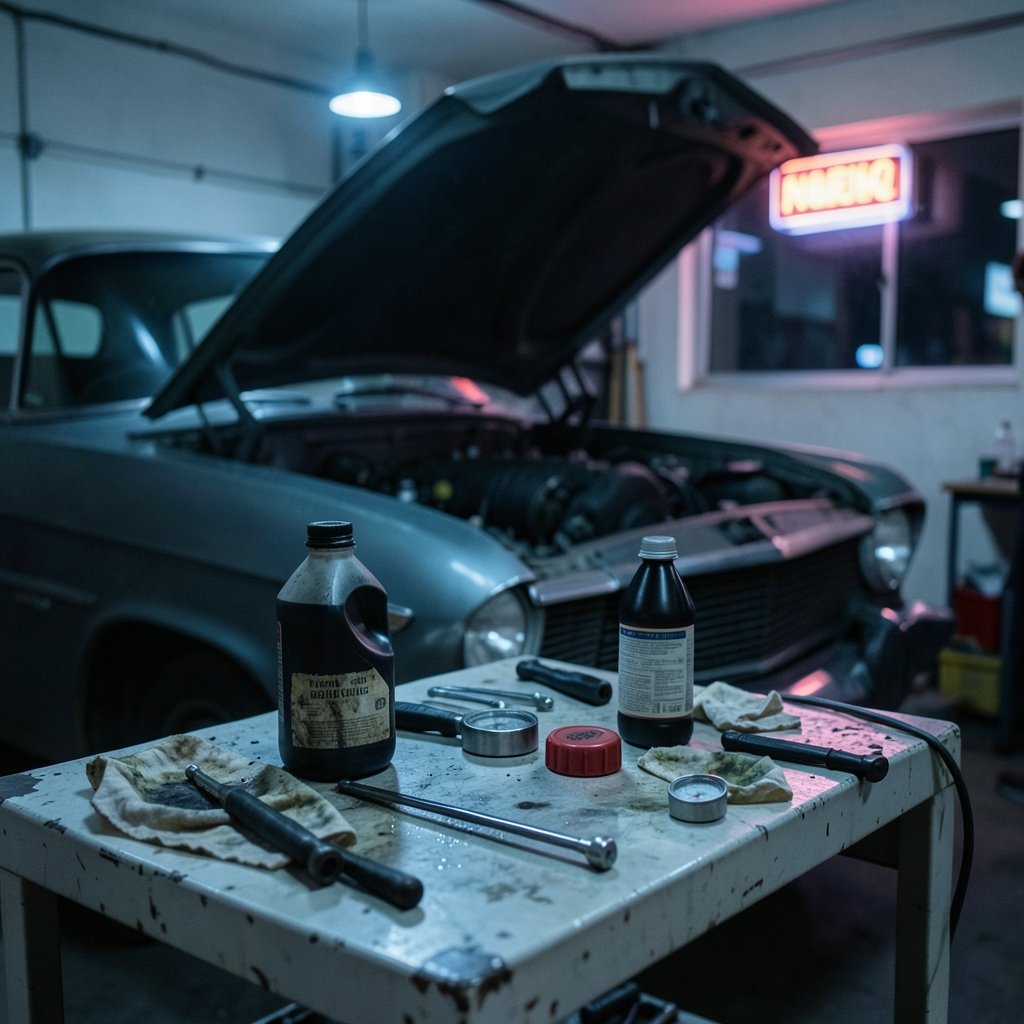
When was the last time you actually lifted the hood of your car? Not to admire the engine cover, but to pull the dipstick and look at the oil? If you had to think about it for more than a few seconds, you are in good company. Most drivers treat maintenance as something that happens when a warning light appears or the annual inspection forces them into a garage. That approach works right up until it doesn’t, usually on a rainy night, halfway between exits.
A structured car maintenance checklist flips that pattern. Instead of reacting to failures, you catch small problems while they are still cheap. The good news is that most of the checks take less than five minutes, and you do not need a lift, a diagnostic computer, or a mechanic’s certificate to perform them.
Why a Checklist Beats Good Intentions
A mechanic with a large social media following once laid out five routine checks that each take under two minutes, and his video racked up more than 2.8 million views. His argument was simple: these tiny inspections prevent repairs that run into the hundreds or thousands. Tire pressure, coolant level, engine air filter, and battery terminals were on his list, and none of them require special tools.
That is the whole logic of a checklist. Memory is unreliable; a list on your phone or taped inside the garage door is not. Breakdowns on the road are often preventable, and low fluids, worn tires, neglected brakes, and overdue servicing are the usual suspects. A checklist keeps those items in front of you before they become a tow truck bill.
The other benefit is resale value. A car with documented, regular servicing holds its value far better than one with a stack of mystery receipts. Buyers and inspectors can tell the difference.
The Weekly Check: Five Minutes, Five Items

Haynes, the publisher behind the well-known repair manuals, recommends a set of checks every 250 miles or once a week for daily drivers. That sounds like a lot until you realize it is a walk-around, not a workshop session.
- Engine oil level. Park on level ground, wait a few minutes after switching off, pull the dipstick, wipe it, reinsert it, and read the level. Top up if it sits below the minimum mark.
- Coolant level. Check the reservoir against the markings. Never open a hot radiator cap; wait until the engine is cold.
- Windshield washer fluid. Top it up with a proper screen wash, not plain water in freezing weather.
- Tire condition and pressure. Look for cuts, bulges, and uneven wear, then check pressures against the door-jamb sticker.
- Lights. Headlights, brake lights, indicators, and reverse lamps. A wall or a friend’s reflection makes this a 30-second job.
If your car steers to one side or vibrates at speed, add a wheel alignment to the to-do list. Poor alignment wrecks tires and suspension over time, and correcting it improves both fuel economy and handling precision. The three-angle geometry involved is more interesting than it sounds, and understanding tire alignment and those three angles helps you spot when a shop is selling you something you actually need.
The Monthly Check: Fluids, Rubber, and Rubber Seals
Once a month, set aside twenty minutes. This is where you catch the slow leaks and quiet wear that weekly glances miss.
Check every fluid, including oil
Engine oil gets the attention, but brake fluid, power steering fluid, and transmission fluid all have levels and conditions worth checking. Brake fluid that looks dark or murky is a warning sign; a soft or vibrating pedal needs a professional look, not a top-up. Coolant deserves special respect because running the system empty is one of the fastest ways to destroy an engine.
Wipers and visibility
Worn wiper blades smear instead of clearing, which turns a drizzle into a guessing game. Run your finger along the blade edge; if it feels ragged, replace it. While you are there, check the washer jets are aimed properly.
Tires beyond the tread
Tread depth matters, but age matters too. Tire warranties typically expire around the six-year mark, and some manufacturers still consider tires technically safe up to ten years if the tread is healthy. Look for dry rot cracks in the sidewall, and find the four-digit date code on each tire, including the spare. It may be on the inboard side, so a flashlight and a bit of crouching are part of the job.
The spare and the tools
A flat spare is a special kind of betrayal. Check its pressure monthly, and confirm the jack and lug wrench are where they should be. Many drivers swap the factory wrench for a four-way lug wrench, which gives far more leverage on a stubborn nut.
The Quarterly and Biannual Layer
Every three months or so, add a few items that do not need weekly attention but should not wait a full year.
| Interval | Task | Why it matters |
|---|---|---|
| Every 3 months | Check battery terminals for corrosion | Loose or crusty terminals cause no-start mornings |
| Every 3 months | Inspect belts and hoses | Cracks and softness signal imminent failure |
| Every 6 months | Replace or clean engine air filter | A clogged filter hurts power and economy |
| Every 6 months | Rotate tires | Evens out wear between front and rear |
| Every 6 months | Inspect brake pads visually | Catches wear before rotors are damaged |
| Every 12 months | Full brake inspection | Measures pad thickness and checks fluid |
Battery terminals are worth a special mention. A quick look for white or green crust, followed by a clean with a wire brush and a light coat of terminal protectant, prevents a whole category of roadside misery. Belts deserve a squeeze and a look for glazing; a squealing belt is telling you something.
The Annual Service: What the Pros Should Handle
Once a year, even if nothing feels wrong, book a proper inspection. A technician measures brake pad thickness, checks rotors for warping, tests brake fluid, and inspects the components you cannot easily see from above.
According to guidance from an annual maintenance guide, brakes should never be ignored when they squeak, grind, or feel soft, and a yearly full inspection is sensible regardless of symptoms. Good brakes mean shorter stopping distances, better control on wet or steep roads, and far fewer expensive surprises.
The annual visit is also the moment for the cooling system service, a transmission fluid check, and a look at the exhaust and suspension. Pep Boys’ published schedule, for example, lists a cooling system service at roughly 12,000 miles or 12 months, a tire rotation around 5,000 miles, and an air filter inspection at 12,000 miles. Treat those as a general rhythm rather than gospel; your owner’s manual always wins.
That last point matters more than most drivers realize. Manufacturer schedules vary, and warranty requirements may differ from any generic table. Haynes notes that its recommended minimum standard is often shorter than the manufacturer’s, and that severe conditions (towing, off-road use, lots of idling, or repeated trips under four miles in freezing temperatures) call for even tighter intervals.
Seasonal Prep: Two Weekends a Year
Twice a year, before summer and before winter, do a slightly deeper pass.
Before summer: check coolant strength, test the air conditioning, inspect tires for heat damage, and confirm the cooling fan works. If the AC is blowing warm, do not put up with it. A guide on fixing air conditioning that isn’t cold walks through the likely culprits, from low refrigerant to a failing compressor, so you can decide between a DIY check and a workshop visit.
Before winter: test the battery (cold weather exposes weak cells), switch to appropriate washer fluid, check wiper blades again, and verify tire pressures, which drop as temperatures fall. If you drive a newer electric model, cold-weather range and charging behavior deserve their own attention, and a look at Mercedes electric car models and their range shows how manufacturers are addressing exactly that.
Warning Signs That Override the Schedule
A checklist is a floor, not a ceiling. Certain symptoms mean stop now, not next month.
- Grinding or squealing brakes, or a pedal that sinks
- Any puddle of fluid under the car, especially reddish or green
- Steam or a temperature gauge climbing
- A vibration through the steering wheel that appears at specific speeds
- A battery warning light or slow, labored cranking
- Tires with bulges, deep cuts, or exposed cords
Owners of premium vehicles sometimes delay service because they assume the cost. In reality, a luxury car brand still relies on the same fundamentals: fluids, filters, belts, and brakes. The badge changes the parts price, not the physics.
Common Mistakes That Undo Good Maintenance
Even diligent owners trip over the same few errors.
Checking oil right after shutdown. The oil has not drained back yet, so the reading is low and misleading. Wait a few minutes.
Ignoring the spare. It is a tire too, and it ages just like the others.
Over-tightening or over-inflating. Both cause uneven wear. Follow the door-jamb sticker, not the number molded on the sidewall.
Skipping short-trip service. Lots of three-mile journeys count as severe use and shorten oil life.
Trusting a generic schedule over the manual. The manufacturer wrote the book for your specific car.
Letting cosmetic priorities win. A pristine exterior with neglected fluids is a breakdown waiting to happen. Even something as simple as window film has legal and practical limits worth knowing, as this piece on car window tinting rules and tickets explains, but no tint will save an engine that ran dry.
Building the Habit Without the Overwhelm
The trick is to anchor checks to things you already do. Check tire pressure when you fill fuel. Check washer fluid when you wash the car. Check lights when you park facing a window. Put the annual service in your calendar with a reminder two weeks early, and keep a small notebook or note on your phone with dates and mileage.
For readers who want a deeper technical reference, resources like a complete maintenance schedule guide break down intervals by mileage, and a road-trip readiness checklist is worth skimming before a long drive. A beginner-friendly DIY maintenance guide covers the basics step by step, and a detailed service schedule shows how shops structure intervals. For a quick monthly routine, a monthly car care checklist is a handy companion.
Conclusion
A car maintenance checklist is not about becoming a mechanic. It is about noticing. Five minutes a week, twenty minutes a month, and one proper service a year will catch the vast majority of problems while they are still small, cheap, and inconvenient rather than dangerous and expensive. Start with the weekly five, add the monthly fluids and tires, and let the annual inspection handle the rest. Your car will repay the attention with fewer surprises, better fuel economy, and a resale value that reflects genuine care.
Frequently Asked Questions
How often should I check my engine oil?
Weekly for daily drivers is the standard recommendation, or roughly every 250 miles. Always check on level ground with the engine off for at least a few minutes so the oil drains back into the pan and gives an accurate reading.
Can I skip the annual service if my car feels fine?
No. Many problems, including worn brake pads, degraded fluid, and failing belts, produce no obvious symptoms until they fail completely. An annual inspection measures what you cannot see or feel from the driver’s seat.
What is the most commonly neglected maintenance item?
Tire pressure and the spare tire are frequent offenders, along with brake fluid. Drivers check tread depth but ignore pressure, age, and sidewall condition, and rarely think about the spare until they need it.
How do I know if my car needs wheel alignment?
If the car pulls to one side, the steering wheel sits off-center when driving straight, or you feel vibration at speed, alignment is suspect. Uneven tire wear is the clearest physical clue, and delaying the fix damages tires and suspension.
Do short trips really change my service interval?
Yes. Repeated trips under four miles, especially in cold weather, count as severe use because the engine never fully warms up. Oil degrades faster, and manufacturers typically recommend shorter change intervals for this pattern.
What should always be in the car besides a spare tire?
A jack, a lug wrench (a four-way type is more effective), a flashlight, a tire pressure gauge, jumper cables, and a small container of washer fluid. Check the spare’s pressure monthly so it is actually usable when needed.











