


What if the biggest cost of your next car isn’t the sticker price at all, but the money that quietly disappears the moment you drive off the lot? Depreciation is the silent budget killer. Most new cars lose more than half their value within five years, which means a $45,000 purchase can shed over $20,000 without a single mechanical problem. That makes resale value one of the few car specs that puts real money back in your pocket. (Makes best vodka buyers guide flavor proof value)
Below is a shortlist of specific models and brands that consistently hold value better than the rest, based on five-year retention data. Each entry explains who it suits, what it does well, and where it falls short.
Quick Comparison: Resale Value at a Glance
| Model or Brand | Body Style | 5-Year Value Retention | Best For | Main Trade-Off |
|---|---|---|---|---|
| Toyota (brand average) | Full lineup | 64.9% | Buyers who want the safest overall bet | Styling can feel conservative |
| Lexus (brand average) | Full lineup | 61.6% to 61.7% | Luxury shoppers who hate depreciation | Infotainment lags European rivals |
| Subaru (brand average) | Full lineup | 61.2% | All-weather, family duty | Modest cabin materials |
| Honda (brand average) | Full lineup | 60.5% | Long-term keepers | Road noise at highway speed |
| Mazda (brand average) | Full lineup | 59.7% | Drivers who want fun plus value | Smaller dealer network |
| MINI (brand average) | Full lineup | 59.5% | Style-focused urban drivers | Firm ride, pricey options |
| Toyota Crown | Sedan | 54.7% | Hybrid sedan fans | Polarizing design |
| Lexus RC 300 | Luxury coupe | 75.4% | Low-volume coupe buyers | Tight rear seat |
Toyota: The Brand That Keeps Winning
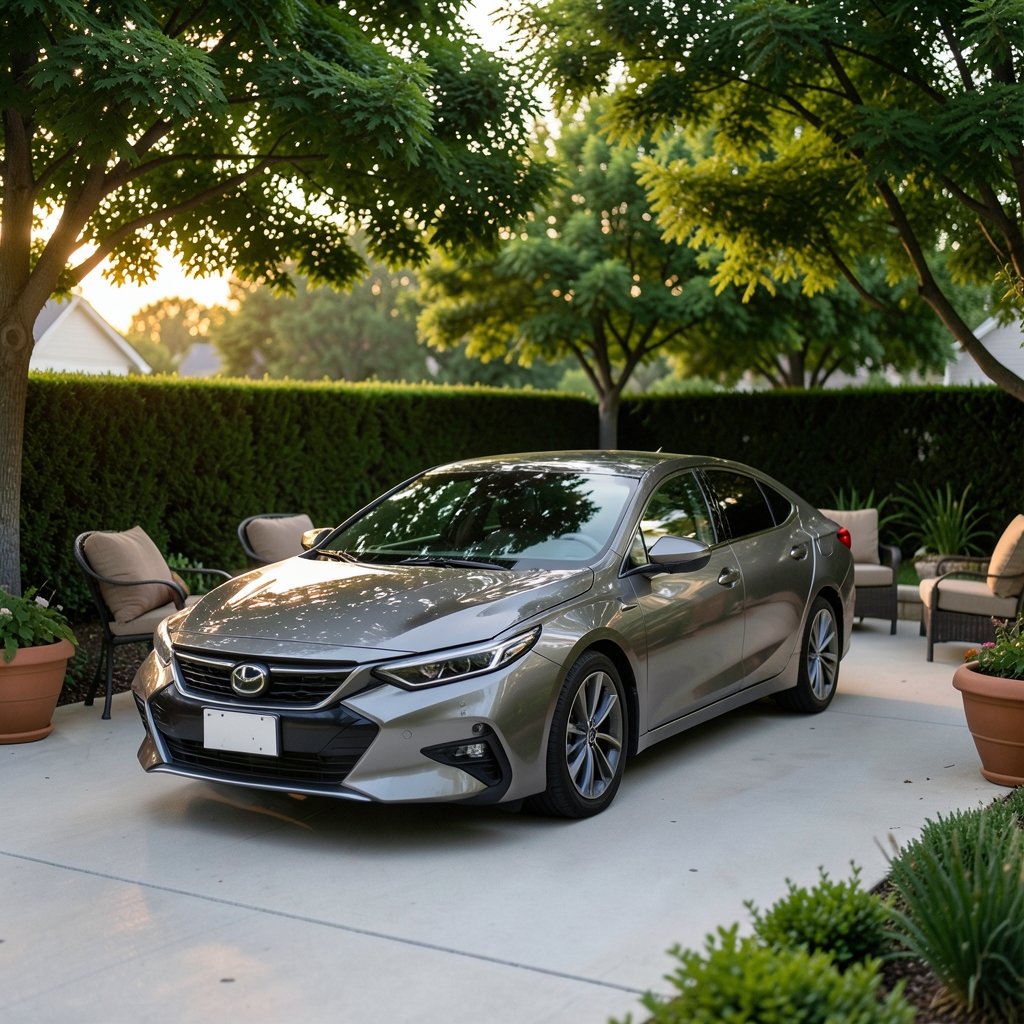
Toyota has now taken the top spot for best resale value brand for six consecutive years, according to the annual awards that Kelley Blue Book has run for 24 years. The brand-wide figure sits at 64.9% after five years, the highest of any mainstream nameplate.
Who it suits: anyone who wants a low-drama ownership experience and plans to sell or trade in eventually. The logic is simple. Toyota’s reputation for reliability keeps used demand high, and the huge sales volume means parts are never scarce, which second owners love.
What it does well: nearly every model in the lineup performs above the market average. The Toyota Crown, a hybrid sedan that arrived for the 2023 model year, is forecast to retain 54.7% of its value after five years, with pricing that starts around $41,440 for the 2026 model year. That is strong for a relatively new nameplate.
The limitation: Toyota’s design language plays it safe, and the Crown’s cabin has drawn criticism for feeling less inspired than its exterior. If you want a car that feels special every morning, this may not be it.
Lexus: Luxury Without the Depreciation Tax
Conventional wisdom says luxury cars bleed value fastest. Lexus is the exception. The brand has won best resale value among luxury brands for five straight years, and its models retain 61.6% of their original price on average, well ahead of second-placed Mercedes-Benz at 53.8%. (Mercedes Electric Cars 2026: Models, Range & Features)
The model-level numbers are even more striking. The Lexus RC 300, a small luxury coupe, holds 75.4% of its value after five years, making it the strongest performer in its class. The Lexus LC 500 retains 68.8% as the best midsize luxury car. Lexus SUVs such as the UX, NX, and RX also score highly.
Who it suits: buyers who want leather, quiet cabins, and dealer pampering but refuse to eat a massive depreciation hit.
The limitation: Lexus infotainment and powertrain technology tend to trail German rivals by a generation. If cutting-edge screens and sporty handling matter more than money retained, look elsewhere.
Subaru: All-Weather Value That Holds
Subaru lands third on the brand list at 61.2%. That is remarkable for a smaller manufacturer, and it comes down to a loyal buyer base and standard all-wheel drive that used shoppers actively seek in snowy regions.
Who it suits: families in cold climates, outdoor types, and anyone who keeps a car for eight to ten years and wants a strong floor under its value.
The limitation: cabin materials are functional rather than plush, and the brand’s small dealer network can make shopping less convenient in rural areas.
Honda: The Long-Term Keeper
Honda sits fourth at 60.5%, powered by the same forces that lift Toyota: trust in long-term dependability and a deep pool of buyers who fix rather than replace. Reliability and desirability are the twin engines of strong resale value, and Honda has both in abundance.
Who it suits: practical buyers who plan to hand the car down within the family rather than sell it.
The limitation: road noise and conservative interiors remain common complaints, and popular trims command near-sticker prices, which shrinks your negotiating room.
Mazda: Fun to Drive, Smart to Own
Mazda rounds out the Japanese sweep at 59.7%, and it deserves more attention than it gets. The brand pairs above-average interior quality with genuine driving enjoyment, and the used market rewards that combination.
Who it suits: drivers who want a car that feels a notch more premium than its price suggests, without paying luxury-brand depreciation.
The limitation: a smaller dealer footprint and thinner aftermarket support than Toyota or Honda.
MINI: Personality That Pays Back
MINI retains 59.5% after five years, which surprises people who assume quirky cars tank. Strong enthusiast demand and disciplined production volumes keep used prices firm.
Who it suits: urban drivers who want a car with character and don’t need rear-seat space.
The limitation: the options list is long and expensive, and a firm ride makes long commutes tiring. Load up a MINI with extras and you may not recover that spend at resale.
The German Luxury Picture: BMW, Mercedes-Benz, and Audi
The German trio tells a more complicated story. Mercedes-Benz reaches 53.8% brand-wide, good enough for ninth place overall. Audi’s top five models retain the most value of the three brands on average, led by performance coupes averaging roughly 67.5%, and the BMW M2 ties the Audi TT RS for the best individual result. The BMW 3 Series also leads its mainstream sedan rivals.
The warning label is electrification. Luxury EVs suffer the steepest depreciation of all, with the BMW i7 retaining just 26.4% of its original value after five years. If you are shopping electric, weigh that carefully.
Hybrids and Trucks: Where the Money Stays
Two categories punch above their weight. Hybrids benefit from fuel savings that used buyers can calculate, and trucks hold value because work never stops. The RAM and GMC brands both clear 56% on the brand list, and electrified vehicles remain at the heart of the market according to residual-value forecasting. (Actually drives pokemon card value check it)
How to Choose a Car That Holds Its Value
Once you have a shortlist, use these practical filters. They matter more than any single ranking.
- Check the model, not just the brand. Brand averages hide huge gaps. Lexus averages 61.6%, yet its RC 300 hits 75.4% while other models trail far behind. Look up the specific trim.
- Avoid the loaded top trim. Options depreciate faster than the car itself. A mid-level trim with the features you actually use usually recovers a larger share of its cost.
- Skip the first model year of a redesign. Facelifts and redesigns during the ownership period hurt retained values, and early-build cars carry extra risk.
- Buy gently used if value is the priority. Someone else has already absorbed the steepest depreciation, and you inherit a car with most of its life ahead of it.
- Think about who buys your car in five years. A used shopper wants reliability, cheap parts, and easy resale. That is exactly why Toyota and Honda top the charts.
- Watch lease-flooded segments. Luxury cars are often leased, so three- to five-year-old examples flood the market at once and push prices down.
One common mistake deserves its own warning: buyers chase a high residual percentage without checking the actual dollar amount. A 60% retention on a $30,000 car leaves $18,000. A 50% retention on a $24,000 car leaves $12,000. The cheaper car lost less money in absolute terms. Always run the math in dollars, not just percentages.
Another mistake is assuming resale value only matters if you sell. It also shapes lease payments, insurance payouts after a total loss, and your down payment on the next car. Treat it as a financial feature, not a footnote.
Frequently Asked Questions
Which car brand has the best resale value overall?
Toyota holds the top spot for best resale value brand for the sixth consecutive year, with models retaining 64.9% of their value after five years. Lexus, its luxury division, leads the luxury segment at roughly 61.6%.
Which luxury car holds its value best?
Lexus wins the luxury brand title for the fifth straight year. At the model level, the Lexus RC 300 retains 75.4% after five years, the strongest figure among luxury small and compact cars, while the LC 500 holds 68.8% in the midsize class.
Do electric cars hold their value well?
Generally no. Luxury EVs depreciate hardest, with the BMW i7 keeping only 26.4% of its original value after five years. The best-performing luxury electric model, the Porsche Taycan wagon, retains 55.5%, so choose carefully and expect a steeper curve than a hybrid or gas car.
How much value does a typical new car lose in five years?
The average new car retains only about 45% of its original price after five years, meaning it loses more than half its value. Picking a top-performing brand like Toyota, Lexus, or Subaru can leave you thousands of dollars ahead.
Is it better to buy new or used for resale value?
If resale value is the priority, buying gently used usually wins. The first owner absorbs the steepest depreciation, and you take over a car that has already passed the worst of its value drop. Buying new only makes sense if you plan to keep the car well past the five-year mark.
Does the trim level affect resale value?
Yes, significantly. Top trims with expensive options depreciate faster than the car itself, so a mid-level trim often recovers a larger share of its cost. Pay for substance, not decoration.
The Bottom Line
Resale value is the rare car spec that pays you back. The shortlist is clear: Toyota and Lexus lead their segments, Subaru, Honda, Mazda, and MINI all clear 59%, and the German brands win selectively through performance models while their luxury EVs lag badly. The smartest move is to pick two or three models from this list, check the five-year retention on the exact trim you want, and run the depreciation math in real dollars. Do that, and the next car you buy may cost you far less than the sticker suggests.











