


What separates an SUV tire that lasts 60,000 comfortable miles from one that howls on the highway and cups after 15,000? Usually not the price tag. It is whether the buyer matched the tire to the vehicle’s real weight, the real roads it drives, and the real loads it carries. Most SUV owners skip that match and shop by look or by whatever the tire shop has stacked by the door.
This walkthrough is meant to be used while you work. It lists the tools to gather before starting, then numbered steps in the order a smart buyer actually performs them, each with a clear result to expect. Background stays short. Mistakes and troubleshooting come right after the steps, where they are most useful.
What to Gather Before Shopping
Walking into a tire decision without preparation is how people end up with mud-terrain rubber on a school-run crossover. Before comparing a single model, collect five pieces of information. (Choose best protein powder women without wasting money)
The exact tire size. It is printed on the driver’s door jamb placard; read that in addition to the sidewall. The placard also lists recommended inflation pressures, which differ from what the tire itself says.
The vehicle’s curb weight and gross vehicle weight rating. SUVs are heavier than sedans and sit higher, which means more load on the tires in corners and more body sway. SUV-specific tires are built to resist that squatting and the uneven wear it causes.
The real driving mix. Be honest: what percentage of miles happen on paved roads? A commuter that touches gravel twice a year needs a completely different tire than a weekend trail rig.
The load and towing picture. A vehicle that regularly carries five people plus cargo, or tows a trailer, needs a higher load index than one driven solo.
The climate. Snow, heavy rain, or year-round mild weather all shift the recommendation.
One more piece of context worth knowing: an SUV is not the same thing as a 4×4. A 4×4 is defined by off-road capability, while most SUVs are road vehicles, often with two-wheel drive. That distinction matters because it stops buyers from over-buying capability they will never use. The same logic applies when people pick a mid size SUV for their actual life — the vehicle should match the life, and so should the tires.
Step 1: Match the Tire Category to the Driving Mix
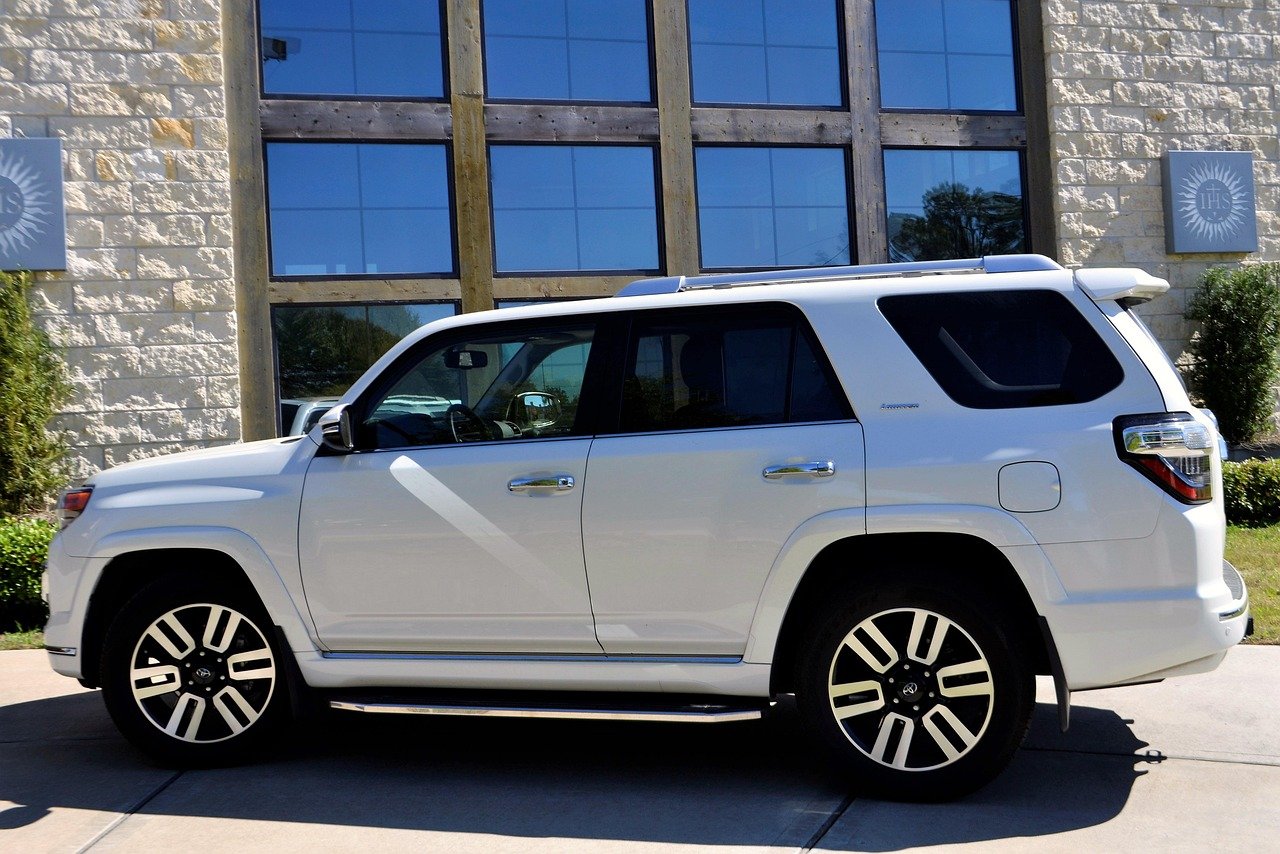
This is the single most important decision, and it happens before brand or price enters the conversation. Tire makers organize SUV tires by intended use, and the category codes say it plainly.
| Category | Best for | Trade-off |
|---|---|---|
| H/T (Highway Terrain) | More than 90% paved driving, commuting, long trips | Limited grip on mud or loose rock |
| A/T (All-Terrain) | A genuine split between road and trail | More road noise and slightly worse fuel economy than H/T |
| M/T (Mud Terrain) | Deep mud, rock crawling, serious off-road use | Loud, heavy, poor wet-road braking, fast wear on pavement |
Expected result: a shortlist of one or two categories, not a brand. If the answer is “mostly pavement with occasional gravel,” H/T is correct, and A/T is a reasonable stretch. M/T almost never is.
The most common and most expensive mistake SUV owners make is swapping factory tires for rugged-terrain or mud-terrain rubber without any off-road need. On paved roads those tires degrade ride quality, cut fuel economy, and compromise comfort and safety for capability that never gets used. The reverse error exists too — buying highway tires for a vehicle that spends weekends on forest roads — but it is far less common.
Step 2: Confirm Size and Load Index, Then Check Plus-Sizing Rules
The size on the door placard is the starting point. Buyers can usually move within a narrow window, but every change has a consequence.
Expected result: a confirmed size, a load index at or above the placard figure, and a speed rating appropriate to the vehicle.
A few practical rules that save headaches:
- Never fit a load index below the placard recommendation. Heavier vehicles and towing demand more.
- If plus-sizing (a larger wheel diameter with a lower-profile tire), keep the overall tire diameter close to stock so the speedometer and gearing stay accurate.
- Check brake caliper clearance before buying larger wheels.
- Confirm the spare, if the vehicle carries one, still matches or is usable in an emergency.
This is also where fitment discipline pays off. The same care that goes into choosing walking shoes that actually fit your feet applies here: the wrong size ruins the experience no matter how good the product is.
Step 3: Read the Label Data That Actually Predicts Performance
Three label figures do most of the work: wet grip, rolling resistance, and noise. Buyers who ignore them are essentially shopping blind.
Expected result: a ranked list of two or three candidates based on measurable performance rather than marketing language.
Wet grip matters most in rainy climates, and it is the figure most worth paying for. Rolling resistance affects fuel bills over the tire’s life. Noise is the figure owners notice every single day. A tire that wins on one often loses on another, so the goal is a deliberate trade-off, not a clean sweep.
Tread depth design also differs by vehicle type. SUVs generally run deeper treads than passenger cars to provide better traction and grip, while sedan tires use shallower treads to cut rolling resistance and improve fuel efficiency. That is a design difference, not a marketing one.
Step 4: Set a Realistic Budget and Compare Total Cost
Tire pricing varies enormously by region, so no single figure applies everywhere, and buyers should always confirm current prices with local dealers rather than trusting a number from an article. What travels well is the structure of the cost.
Expected result: a total-cost figure per candidate, not a sticker price.
Add up the tire price, mounting and balancing, alignment if needed, valve stems or TPMS service, and disposal fees. Then divide by expected tread life. A slightly pricier tire that lasts 30% longer often wins on cost per mile. Skipping alignment after installation is a classic false economy — it can scrub thousands of miles off a new set.
Step 5: Verify the Date Code and Buy From a Seller Who Stands Behind the Work
Every tire carries a DOT date code showing its week and year of manufacture. Fresh stock matters, and old stock sitting in a warehouse for years starts its life already aged.
Expected result: four tires with recent date codes, a written warranty, and a shop that will rotate and rebalance as part of the deal.
Ask about the road-hazard policy and the rotation schedule before paying. Regular rotation is the cheapest longevity tool available, and it is frequently skipped.
Step 6: Set Pressures Correctly and Recheck Monthly
The pressure on the tire sidewall is a maximum, not a recommendation. The door placard is the authority.
Expected result: correct cold pressures on all four tires, checked monthly and before long trips.
Underinflation is the quiet killer of SUV tires. It generates heat, accelerates shoulder wear, and hurts fuel economy. Overinflation is less dangerous but produces a harsh ride and center wear. A five-dollar gauge and two minutes a month outperform most premium tire upgrades.
Common Mistakes and How to Fix Them
Buying capability that never gets used. Rugged or mud tires on a pavement-only vehicle is the top error. Fix: return to Step 1 and match the category to the actual driving mix.
Ignoring load index to save money. A lower-rated tire on a heavy vehicle flexes more, runs hotter, and wears unevenly. Fix: never go below the placard figure.
Skipping alignment and rotation. New tires on a misaligned vehicle wear out prematurely and often unevenly. Fix: align at installation and rotate on schedule.
Mixing tire types across axles. Different tread patterns and wear levels on the same vehicle can upset handling, especially in wet conditions. Fix: replace in matched pairs at minimum, ideally as a set of four.
Trusting the sidewall pressure number. It is a ceiling, not a target. Fix: use the door placard.
Choosing by looks alone. Aggressive tread looks capable but often performs worse where the vehicle actually drives. Fix: let the label data and driving mix decide.
Troubleshooting After the Purchase
Even a well-chosen set can raise questions in the first few thousand miles.
Road noise appeared suddenly. Check for uneven wear or a lost wheel weight. A rebalance is cheap.
The vehicle pulls to one side. This usually points to alignment or a pressure mismatch, not a defective tire.
Vibration at highway speed. Typically a balancing issue. Have it corrected promptly rather than living with it.
Fast wear on the shoulders. Underinflation is the usual suspect. Verify with a gauge, not a kick.
Cupping or scalloped wear. Often a suspension or alignment problem showing up through the tires. Fix the cause, not the rubber alone.
Conclusion
Choosing SUV tires is not a brand loyalty exercise. It is a short sequence of decisions: know the vehicle’s weight and real driving mix, pick the category that matches, confirm size and load index, read the label data, price the total cost, verify freshness, and maintain pressures afterward. Buyers who follow that order rarely regret the purchase, and they usually spend less than the ones who shop by appearance. The tires are the only part of the vehicle touching the road, which makes this one of the highest-leverage maintenance decisions an SUV owner makes.
Frequently Asked Questions
Do SUVs need special tires, or will passenger car tires work?
SUV-specific tires are not strictly mandatory, but they are the better choice. SUVs are heavier than passenger cars and sit higher, so they sway more in corners and put more load on the tires. SUV tires are designed to handle that higher load, resist squashing under cornering, and reduce irregular wear. Standard passenger tires can fit, but they tend to wear faster and handle worse under an SUV’s weight.
What do the H/T, A/T, and M/T codes mean?
They describe intended terrain. H/T stands for Highway Terrain and suits vehicles driven almost entirely on pavement. A/T means All-Terrain and balances road use with occasional trail driving. M/T means Mud Terrain and is built for deep mud, rock, and serious off-road conditions, at the cost of road noise, comfort, and wet-road braking.
Is it worth buying all-terrain tires for a vehicle that rarely leaves the road?
Usually not. All-terrain and especially mud-terrain tires trade away ride comfort, fuel economy, and quiet highway manners in exchange for off-road grip. If more than 90% of driving happens on paved roads, highway-terrain tires deliver better comfort, tread life, and efficiency. Buy the capability the vehicle actually uses.
How often should SUV tires be rotated?
Rotation intervals vary by vehicle and tire, so the owner’s manual and the tire seller’s recommendation are the authority. The practical habit that matters is consistency: regular rotation, monthly pressure checks against the door placard, and prompt attention to any vibration or uneven wear. Those three habits do more for tire life than any single product choice.
Can I replace just two tires instead of four?
It is possible, but matched pairs at minimum are important, and a full set of four is better. Mixing tread patterns or significantly different wear levels across axles can upset handling, particularly in wet conditions. When replacing a pair, put the new tires on the rear axle for stability.
What should I check before paying for a new set?
Confirm the size and load index against the door placard, check the DOT date code for freshness, ask about the warranty and road-hazard policy, and confirm that mounting, balancing, and alignment are included or priced clearly. Then set pressures to the placard figure and recheck them monthly.











