

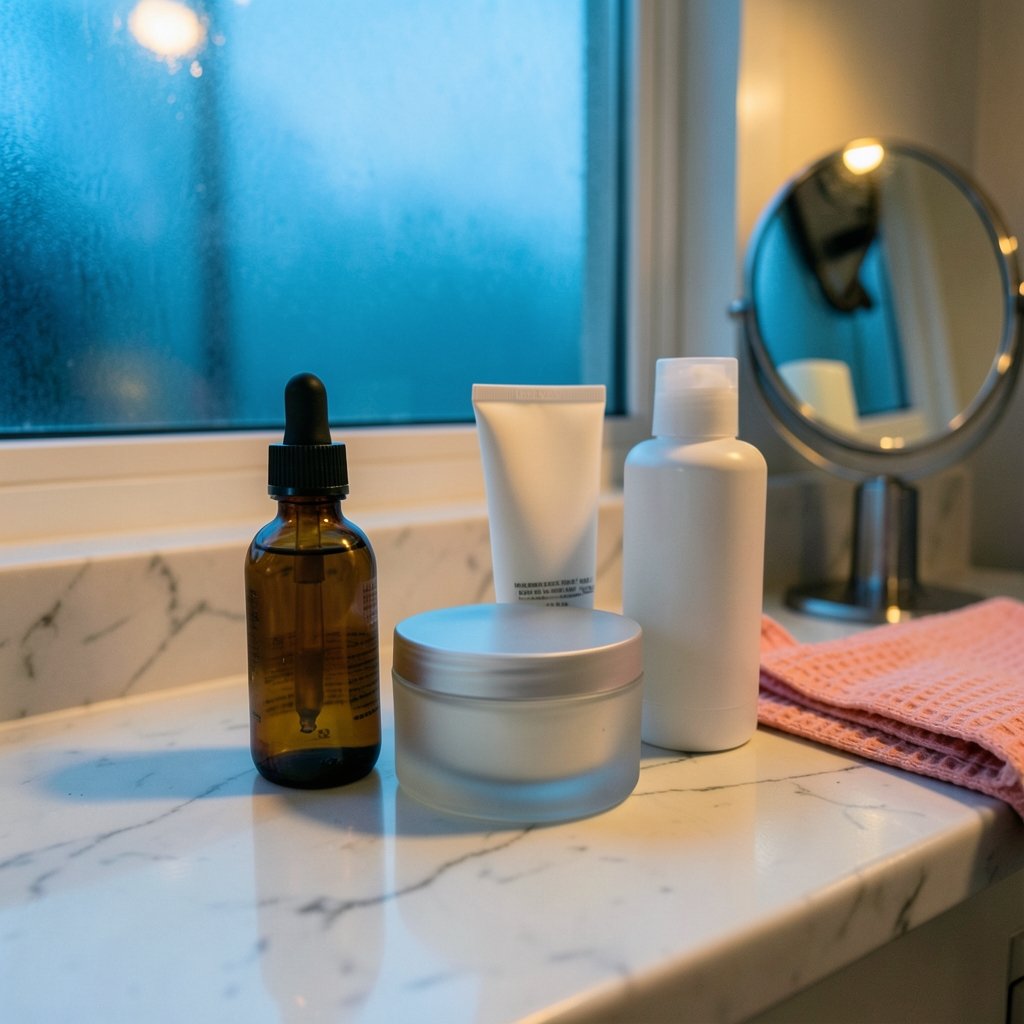
Quick Answer: What Dermatologists Actually Buy: The Luxury Skincare Edit?
Dermatologists buy a mix of luxury and drugstore skincare, and they spend real money only where the formula earns it. In practice, that means splurging on well-formulated retinoids, antioxidant serums, and sunscreen textures they will actually wear daily, while saving on cleansers and basic moisturizers.
The luxury-versus-drugstore debate is less about price tags than about ingredients, concentration, and stability. A simple, well-designed routine with proven actives can outperform an expensive ten-step regimen, and many specialists happily pair a prestige night cream with a budget cleanser.
Before buying anything, compare the active ingredient and its concentration, the formula’s stability and packaging, your skin type and tolerance, the return policy, and the cost per use.
Why the Luxury Skincare Debate Misses the Point

Can a $200 serum really beat a $20 one? Sometimes. But the question itself is slightly wrong, because dermatologists do not shop by price tier. They shop by formula. When seven dermatologists were asked whether expensive skincare works better, they landed on the same answer: what matters is which active ingredient is in the bottle, whether the concentration is high enough to do something, whether the formula stays stable, whether it suits your skin type, and whether you will actually keep using it.
That last point is the one people skip. A luxury cream you love applying twice a day beats a clinical serum that sits unopened in a drawer. As one dermatologist put it, you can buy more of your favorite drugstore skincare for the price of a single expensive serum, which is a useful piece of shopping math to keep in your head.
There is also a practical reason dermatologists know the luxury aisle so well. They buy from it quietly, at full price, often with a personal email address, which is exactly the kind of signal brands try to detect in their order data. A specialist who pays retail for a product is the most credible endorsement a formula can get, and it usually happens without anyone announcing it.
So this edit is not a list of the most expensive jars on the shelf. It is a shortlist of the categories where paying more genuinely tends to buy something, with the trade-offs spelled out.
The Luxury Skincare Edit at a Glance
| Category | What to buy at the luxury end | Where to save instead | Main limitation |
|---|---|---|---|
| Cleanser | A gentle low-foam gel if you love the texture | Drugstore gentle cleansers | Cleansers rinse off; actives barely matter |
| Retinoid | Encapsulated retinol or a retinaldehyde | Prescription tretinoin if you have access | Irritation during the adjustment period |
| Antioxidant serum | Stabilized vitamin C with good packaging | Niacinamide or simpler antioxidants | Vitamin C oxidizes and turns orange |
| Moisturizer | A rich night cream with ceramides and peptides | Basic ceramide creams in large sizes | Price rarely tracks with barrier repair |
| Sunscreen | A light, elegant formula you will reapply | Dermatologist-favorite tinted and powder SPFs | Elegance costs money; protection does not |
| Treatment | A cysteamine mask for stubborn pigmentation | Azelaic acid or niacinamide | Slow results; needs patience |
| Device | An in-office laser course | Nothing at home matches it | Cost per session; downtime |
The Splurges: Where Dermatologists Actually Spend
A Well-Formulated Retinoid
Retinoids are the category where formula quality matters most, because the active has to stay stable and release without stripping your barrier. Dermatologists who want something between over-the-counter and prescription strength often reach for a retinaldehyde, which sits a step closer to prescription potency than plain retinol while staying gentler than tretinoin.
Who it suits: anyone who has outgrown a starter retinol but is not ready for a prescription. What it does well: smooths texture and improves tone over months, not days. The limitation is the adjustment period, when flaking and redness are common if you start nightly instead of two or three times a week. If you are layering a retinoid with other actives, treat your routine the way you would treat a careful purchase decision, much like the thinking behind which skincare products actually work for your specific concern rather than the trendiest one.
A Vitamin C Serum Worth the Price
Vitamin C is the classic splurge, and for once the price can be justified. A steep price sometimes reflects solid formulation research, and sometimes it reflects marketing. The difference shows up in packaging: an opaque, airless bottle protects a fragile antioxidant, while a clear dropper bottle on a sunny shelf is money evaporating.
Who it suits: anyone chasing brightness or early pigmentation. What it does well: antioxidant protection and a more even tone. The limitation is oxidation. If your serum has turned deep orange or brown, it is done. Dermatologists also flag that a melatonin night treatment is a reasonable alternative for people who cannot tolerate a retinoid at all.
A Rich Night Cream
High-end night creams are where luxury delivers its most tangible pleasure: texture, scent, and the ritual of winding down. The formulas often include ceramides, peptides, and occlusives that support the barrier overnight.
Who it suits: dry or mature skin, and anyone whose skin reacts to lighter gels. What it does well: comfort and barrier support. The limitation is honesty about what you are paying for. Part of the cost is the jar, the fragrance, and the brand story. That does not make it a bad purchase, but it does mean a basic ceramide cream can do the heavy lifting underneath. If you want to understand how luxury beauty lines justify the price of admission, the way Byredo’s makeup line builds its offer is a useful case study in paying for experience as much as formula.
Elegant Sunscreen You Will Actually Reapply
This is the splurge dermatologists defend most consistently. Their personal favorites tend to be light, easy to apply, and pleasant enough that daily use is not a chore. A thermal spring water mist and a powder SPF for touch-ups over makeup also show up on their lists, along with a dermatologist-favorite tinted sunscreen that doubles as light coverage.
Who it suits: everyone, but especially people who currently skip sunscreen because they dislike the texture. What it does well: consistent protection, which is the entire game. The limitation is cost per ounce, since you should be using a lot.
A Cysteamine Mask for Stubborn Pigmentation
For long-term hyperpigmentation and melasma, dermatologists mention cysteamine masks as a treatment worth the investment when gentler brighteners have stalled.
Who it suits: people with persistent pigment that has not responded to niacinamide or azelaic acid. What it does well: gradual fading over months. The limitation is patience and price, plus the fact that pigment always needs sunscreen underneath or it comes straight back.
In-Office Lasers Over Home Gadgets
Dermatologists are blunt here: in-office laser technologies are worth the investment in a way home devices usually are not. A three-minute LED face mask has its fans and is genuinely pleasant, but it is a supporting act, not a replacement for a clinical treatment plan.
Who it suits: anyone with texture, scarring, or pigmentation goals that topicals cannot reach. What it does well: results a home device cannot match. The limitation is cost per session and downtime.
The Saves: What Dermatologists Buy Cheap
Cleansers and Basic Moisturizers
Cleansers are the easiest place to save, because they rinse off. Dermatologists consistently name budget-friendly drugstore staples as their own everyday picks. The same logic applies to body care and basic hydration. If you are building a value-minded routine, the same discipline that makes a Best Buy discount code genuinely save money applies here: buy the category where the discount does not cost you quality.
Warehouse-Size Staples
Bulk buying changes the math for products you use daily. Warehouse stores now stock prestige names alongside dermatologist-favorite basics, often in larger sizes or multi-packs. For anyone who goes through retinol and moisturizer at a steady clip, that math starts to matter. The caveat is the one shoppers whisper in the aisle: check that the luxury item is the real thing and check the expiration date before you commit.
Collagen Powders
Dermatologists are skeptical of expensive collagen powders, which is a useful reminder that a premium price does not guarantee a premium result. Spend the money on a formula that stays on your skin instead.
What Else Actually Changes Your Skin
Two things dermatologists mention that cost nothing. First, muscle-building exercise changes dermal thickness, which means strength training is genuinely a skin intervention. Second, there is a real mental health glow that comes from joy, relaxation, and movement, and it shows. Neither of these needs a receipt.
How to Choose Your Own Luxury Edit
- Identify your one real concern: texture, pigment, dryness, or protection.
- Spend your budget there, and buy drugstore everything else.
- Check the active ingredient and its concentration before the brand name.
- Look at the packaging. Airless and opaque beats a clear jar for antioxidants and retinoids.
- Patch test, then introduce one new product at a time over two weeks.
- Confirm the return policy. Luxury skincare is expensive to get wrong.
- Rebuy only what you finished. An empty bottle is the only review that counts.
Conclusion
The luxury skincare edit dermatologists actually buy is smaller and stranger than the shelf suggests: a retinoid that suits their skin, an antioxidant in packaging that protects it, a sunscreen elegant enough to reapply, a night cream they enjoy, and a clinical treatment when topicals run out of road. Everything else, they buy cheap. Copy that ratio rather than the price tags, and your routine gets simpler, cheaper, and considerably more effective.
Frequently Asked Questions
Is expensive skincare always better than drugstore?
No. Price sometimes reflects solid formulation research and sometimes reflects marketing and packaging. What matters is the active ingredient, whether the concentration is high enough, whether the formula stays stable, and whether it suits your skin type. Products at every price point can work.
Which skincare product is worth splurging on?
Sunscreen is the most defensible splurge, because an elegant formula you will actually reapply protects you every single day. After that, a well-formulated retinoid and a stabilized vitamin C serum in protective packaging are the categories where quality tends to show.
Where should I save money instead?
Cleansers and basic moisturizers. Cleansers rinse off, so the fancy actives do not get much time to work. Dermatologists routinely name budget drugstore cleansers as their own picks, and a simple ceramide cream handles barrier support perfectly well.
Do dermatologists use drugstore products themselves?
Regularly. They describe their own routines as a mix of high-end night creams and cheap, effective cleansers, and they point out that you can buy several drugstore favorites for the price of one luxury serum.
Are home LED masks a waste of money?
They are not useless, but they are not equivalent to in-office lasers. Dermatologists consistently rate clinical laser technologies as the better investment for real texture, scarring, or pigmentation goals, while a short LED session works as a pleasant supporting habit.
Do collagen powders work?
Dermatologists are skeptical of expensive collagen powders and do not treat them as a core part of a routine. If you are choosing where to spend, a proven topical active and daily sunscreen will do more for your skin than a premium powder.











