

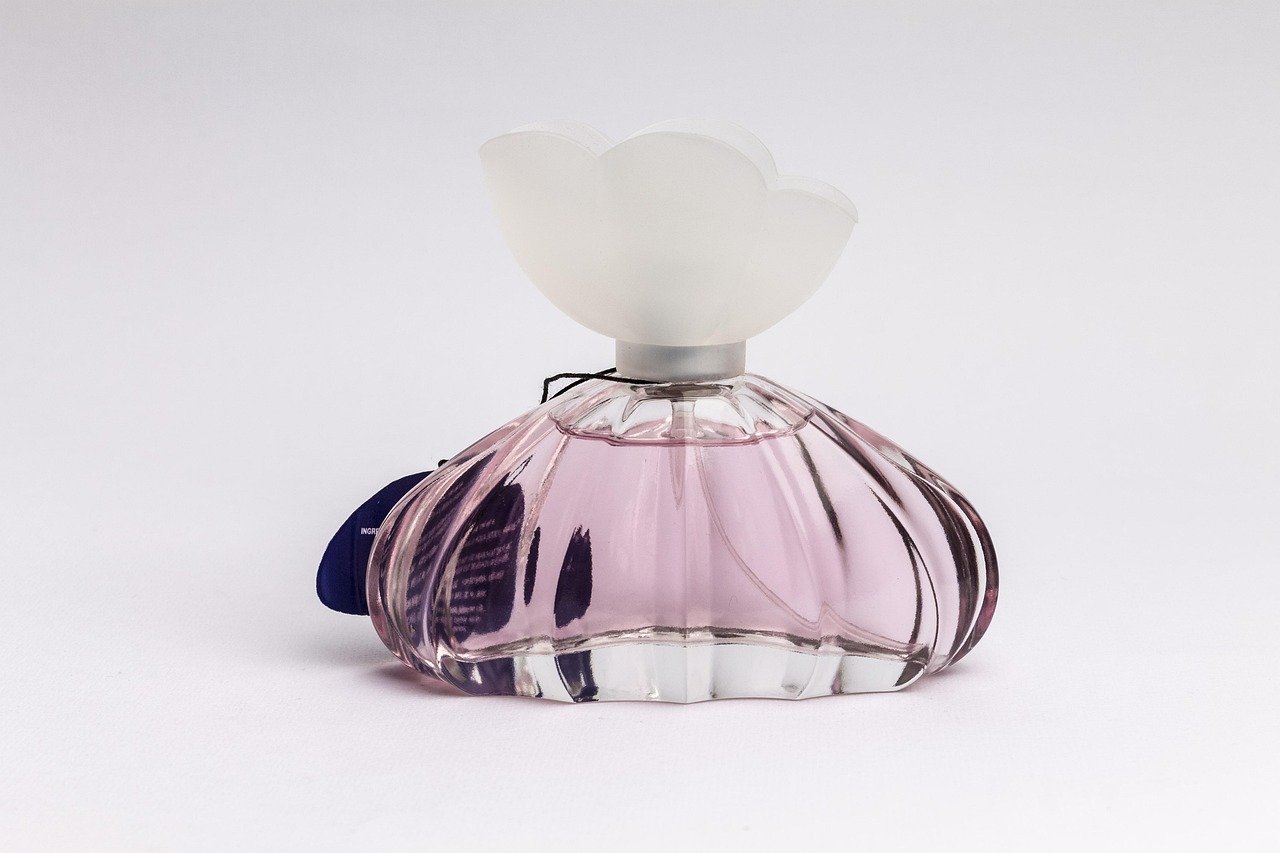

What if the most memorable thing about you wasn’t what you wore, but how you smelled when you walked into a room? That’s the quiet power of a signature scent. It arrives before you speak and lingers after you leave. But finding “the one” among thousands of bottles is where most people get stuck, spraying paper strips at a department store counter and going home confused.
The good news: choosing a signature fragrance is a learnable process, not a lucky accident. Perfume writers and fragrance specialists treat it like a small project with clear steps. Neil Chapman, author of Perfume: In Search of Your Signature Scent, guides readers through more than 700 fragrances organized by dominant note, from vintage classics to modern niche releases, precisely because the world of scent can feel overwhelming without a map. This guide borrows that structured approach and turns it into something you can actually do over a couple of weekends. (Adriana lima perfume victorias secret scent really was)
What You Need Before You Start
You don’t need a big budget, but you do need a little preparation. Here’s what to gather:
A baseline understanding of scent families. Most fragrance guides divide perfumes into broad families such as citrus, floral, woody, amber, and chypre, with sub-categories like green, fruity, marine, or fougère sitting inside them. Knowing these names gives you vocabulary for what you like. Floris London recommends deciding on a fragrance family first, then narrowing to the specific facet that appeals to you.
Skin, not paper. Perfume reacts with your body chemistry, so a scent that smells wonderful on a card can turn sharp or flat on your wrist. Every serious guide says the same thing: test on skin before buying a full bottle.
Patience and a notebook. Fragrance develops in stages over hours. You’ll want to track what happens after the opening burst fades.
A realistic budget range. Luxury doesn’t have to mean the most expensive bottle on the shelf. A well-chosen niche or classic scent you actually wear beats an expensive one that sits untouched.
Step 1: Audit What You Already Love

Expected result: a short list of notes and families to explore.
Before shopping, walk through your home and your memory. Which scents make you stop and inhale? A citrus grove, a vanilla candle, a leather jacket, rain on stone? Perfumer Matthew Meleg’s advice for beginners, shared in a Vancouver Magazine guide, is simple: smell everything, including fruit, spices, and flowers. That habit trains your nose to recognize what pleases it.
Write down three to five scent memories. Then translate them into note names: bergamot, jasmine, sandalwood, vanilla, vetiver. This list becomes your shopping compass.
Step 2: Sample Widely, but Strategically
Expected result: two or three fragrance families that consistently appeal to you.
Visit a store with a broad selection and smell with purpose. Spray no more than three or four scents per visit, because your nose fatigues quickly. Ask for samples or travel sizes rather than committing to full bottles. Many boutiques will provide them, and it is the single best investment in this process.
If you’re shopping for a specific occasion rather than daily wear, it helps to narrow your testing to scents built for that setting. A guide to choosing a scent that works up close, for instance, will steer you toward fragrances with softer projection rather than room-filling intensity.
Step 3: Test on Skin and Live With It
Expected result: a clear sense of how a fragrance behaves on you over a full day.
Apply a small amount to your wrist or inner forearm and resist the urge to rub. Then go about your day. Note three moments: the first fifteen minutes (the opening), two to three hours in (the heart), and six or more hours later (the base). Chapman’s book organizes fragrances by their dominant note for exactly this reason: the note that dominates the blend tells you what will still be there at the end.
Wear one sample at a time, ideally on different days. A fragrance that felt exciting at noon may feel heavy at your desk by three o’clock, and that matters more than how it smells in the store.
Step 4: Match the Scent to Your Real Life
Expected result: a fragrance that fits your routine rather than only your fantasy.
Consider where you’ll wear it. Office scents usually need moderate projection so they don’t overwhelm a shared room. Evening scents can be bolder. Seasonal preferences matter too: lighter citrus and green scents tend to suit warm weather, while woods, amber, and spice feel natural in cooler months. (Luxury home scents)
There’s also a personal dimension worth exploring. Some people enjoy matching a fragrance to their style or even their personality traits. If you’re drawn to precise, well-edited choices, a guide to scents that match a Virgo woman’s precise taste shows how specific that matching can get. The point isn’t astrology; it’s that a scent should feel like an extension of who you are. (Discotheque perfume ungaros 2007 scent it really smells like)
Step 5: Commit and Build a Wearing Routine
Expected result: a signature scent you can wear consistently and confidently.
Once a sample has survived several full days and you still love it, buy the bottle. Then establish a routine: apply to the same pulse points each time, and adjust the amount only after noticing how noticeable it feels in your usual settings. Consistency is what turns a perfume into a signature. People begin to associate the scent with you, which is the whole point.
Jo Fairley, co-founder of The Perfume Society, describes a signature scent as the fragrance people recognize you by: they can walk into a room and know you’ve been there.
A Quick Comparison of Scent Families
| Family | Typical character | Best for | Watch out for |
|---|---|---|---|
| Citrus | Bright, fresh, energetic | Daytime, warm weather, office | Fades quickly on many skins |
| Floral | Romantic, layered, varied | Spring and summer, everyday elegance | Can turn heavy in high heat |
| Woody | Dry, grounded, structured | Year-round, professional settings | May feel austere to some noses |
| Amber | Warm, resinous, enveloping | Evenings, cool weather | Can be intense in small rooms |
| Chypre | Mossy, sophisticated, complex | Confident personal style | Polarizing; test carefully |
Common Mistakes That Derail the Search
Testing too many scents at once. Nose fatigue is real. After four or five fragrances, everything blurs. Spread testing across multiple visits.
Buying on the first spray. The opening is designed to impress. The dry-down is what you’ll live with for hours. Always wait.
Ignoring skin chemistry. Two people can wear the same perfume and smell completely different. Reviews and recommendations are starting points, never guarantees.
Chasing trends instead of preference. A viral fragrance that doesn’t suit you is still a mismatch. Your nose outranks the internet.
Skipping the sample stage. Full bottles are expensive and take years to finish. Samples and decants let you test properly without regret. For a deeper look at how to weigh price, concentration, and wear time, a practical buying guide for women’s perfume walks through the trade-offs.
Forgetting the home. Scent isn’t only personal. If you love fragrance, the same instincts can shape your space; a collection of luxury home scents for every room shows how far that interest can go.
How Luxury Fits In
Luxury fragrances earn their price through concentration, ingredient quality, and composition, but price alone doesn’t determine fit. A well-made eau de parfum at a mid-range price can outperform a costly bottle that clashes with your chemistry. The same principle applies across the luxury world: the right match beats the biggest name, whether you’re choosing a scent or working with a luxury real estate agent to find an ideal property.
One useful benchmark: higher concentration generally means longer wear, but also more intensity. If you want a fragrance that stays close to the skin, choose lighter concentrations and apply less. If you want presence, choose richer ones and apply sparingly to pulse points.
How to Know You’ve Found It
You’ve found your signature when three things happen. First, you reach for it without thinking. Second, you still enjoy the dry-down at hour eight. Third, other people notice, in the best way. Fairley’s description captures it well: a signature scent becomes so integrated into your day that leaving the house without it feels like forgetting your handbag.
And if you tire of it after a few years? That’s normal. Palates evolve. Keep your samples and revisit them; many people cycle through two or three signature scents across a decade.
Conclusion
Finding a signature luxury scent is less about discovering a hidden treasure and more about running a simple, repeatable process: audit what you love, sample strategically, test on skin over full days, match the fragrance to your real life, and commit once it proves itself. Chapman’s scent atlas and the advice of working perfumers both point to the same truth: the more deliberately you smell, the faster the right bottle finds you. Start with three samples this week. Your signature may already be waiting on the shelf.
Frequently Asked Questions
How long does it take to find a signature scent?
Most people need several weeks of deliberate testing. Sampling two or three fragrances per visit across multiple weekends, then wearing finalists for full days, gives a realistic timeline of three to six weeks before committing to a bottle.
Should I test perfume on paper or on skin?
Always test on skin before buying. Paper strips help you screen fragrances quickly, but perfume reacts with body chemistry, so the true scent only appears on your wrist or forearm after the opening notes fade.
Why does a perfume smell different on me than on a friend?
Skin chemistry, body temperature, and even diet influence how a fragrance develops. The same composition can read sweeter, sharper, or flatter depending on the wearer, which is why personal testing matters more than reviews.
How many sprays of a luxury perfume should I use?
Start with two sprays on pulse points and adjust after observing how noticeable the scent feels in your usual settings. Office and close-quarter situations call for less; evenings and open air can handle more.
What is the difference between eau de toilette and eau de parfum?
The main difference is fragrance concentration. Eau de toilette is lighter and typically wears for a few hours, while eau de parfum is richer and lasts longer. Choose based on how much presence and longevity you want.
Can I have more than one signature scent?
Yes. Many fragrance lovers keep a small rotation: one for work, one for evenings, and one for warm weather. A signature scent is the one people associate with you most, but having complementary options is common and practical.
Give each finalist a full week. Before you commit, wear your leading candidate for several consecutive days, including a weekend. Fragrance behaves differently against a rushed morning than a slow one, and a week reveals whether it suits every version of your life. Re-test across seasons if you can. A scent you discovered in winter may feel suffocating in July, so if a purchase falls near a seasonal change, sample it again in the new weather before buying the full bottle. Keep a simple scent diary. Note the name, the notes you detected, and how long each stage lasted. After a dozen entries, patterns emerge that no review can supply: the families you return to, the concentrations that suit your skin, and the moments when a fragrance felt truly like you. Those notes are the most reliable guide you will ever own.











