


What if the best dessert in your neighborhood is one you have never noticed, sitting quietly in a bakery case next to the flan? Arroz con dulce, the coconut rice pudding that anchors Puerto Rican holiday tables, is exactly that kind of find. It rarely gets top billing. It does not photograph as dramatically as a layered cake. But when it is made well, with short-grain rice softened in coconut milk and perfumed with cinnamon, cloves, and fresh ginger, it earns a permanent spot in your dessert rotation.
The challenge is that searching for the best arroz con dulce near me returns a thin, unreliable list. Most map results favor places with heavy marketing budgets, not the bakery with a single bubbling pot in the back. This guide explains what separates great arroz con dulce from forgettable versions, how to read a menu before you drive across town, and how to spot the neighborhood spots that do it right.
What arroz con dulce actually is
Arroz con dulce is a sweet rice pudding from Puerto Rico. Short- or medium-grain rice simmers slowly in coconut milk with cinnamon, cloves, ginger, raisins, and sugar until the grains turn plump and the liquid thickens into something close to a soft custard. It is served chilled, usually in small bowls or cups, and dusted with ground cinnamon.
The dish belongs to a wider family of Latin American and Caribbean rice puddings. Mexican and Colombian arroz con leche, Dominican arroz con dulce, and Puerto Rican arroz con dulce all share DNA, but they are not identical. The Puerto Rican version leans hard on coconut milk and warm spices, and it is strongly tied to Christmas and holiday gatherings, often served alongside pasteles, pernil, and coquito. (Laquan smith bodysuit makes this body con piece fashion)
That seasonal association matters when you are searching. Many places only make it from November through January. Others keep it year-round because their customers demand it. Knowing which kind of kitchen you are dealing with saves you a wasted trip.
The qualities that separate great from average
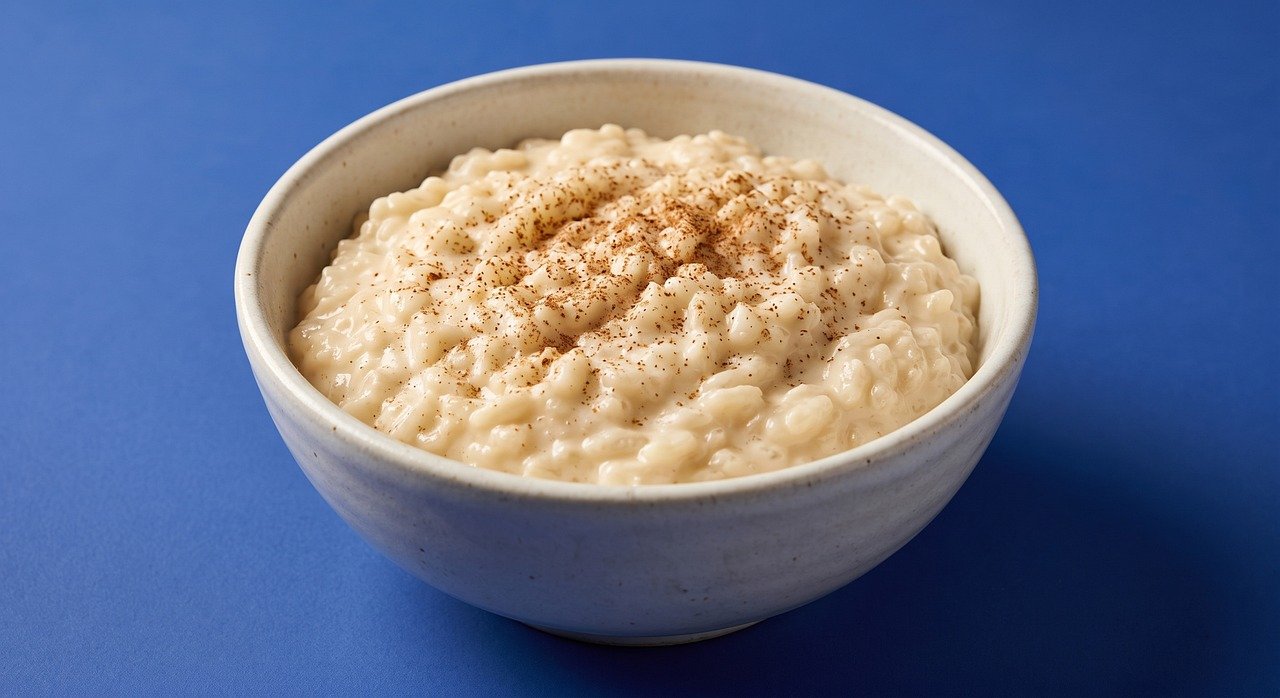
Before you start hunting, it helps to know what you are judging. Arroz con dulce is a simple dish, which means flaws are obvious.
Texture is the first test
The rice should be tender but still hold its shape. A great version sits somewhere between creamy and firm, with grains that give slightly under the spoon. If the rice is mushy or has collapsed into a paste, it was either overcooked or made with the wrong grain. If it is crunchy in the center, it was rushed.
Consistency matters too. The pudding should hold together on a spoon without being stiff. Too loose and it reads as sweet rice soup. Too thick and it feels like eating sweet cement.
Spice balance tells you who is paying attention
Cinnamon and cloves are the backbone, but they should taste layered rather than flat. Fresh ginger is the quiet hero in many good versions, adding a gentle warmth that keeps the sweetness in check. A version that tastes only of sugar and cinnamon is fine, but it is not memorable.
The coconut milk question
Some cooks use coconut milk exclusively. Others blend coconut milk with regular milk for a richer, dairy-forward result. Neither is wrong. What matters is that the coconut flavor comes through cleanly rather than tasting diluted or artificial.
Raisins divide people
Raisins appear in many traditional recipes, though not all. Some families skip them entirely. If you dislike raisins, ask before you order. If you love them, ask whether they are plumped first. Plumped raisins absorb moisture and taste far better than hard, dry ones tossed in at the end.
How to search for arroz con dulce near you without wasting time
A generic map search will show you every Puerto Rican restaurant and bakery in range, ranked by factors that have little to do with dessert quality. A smarter approach narrows the field fast.
| Search approach | What it surfaces | Best for |
|---|---|---|
| “arroz con dulce” plus your city name | Menus and reviews that mention the dish by name | Confirming a place actually makes it |
| “Puerto Rican bakery near me” | Panaderías and casual counters | Small-batch, homemade-style versions |
| “Puerto Rican restaurant near me” | Full-service restaurants | Holiday-season specials and larger portions |
| Social media location tags | Pop-ups and home cooks with limited hours | Finding versions that never appear on a website |
| Neighborhood word of mouth | Places with no online presence at all | The best-kept secrets |
The single most useful trick is to search the dish name directly rather than the cuisine. A restaurant might serve excellent pernil and still buy its dessert from a supplier. A bakery that lists arroz con dulce by name is telling you it considers the dish part of its identity.
If you are also weighing other local food searches, the same logic applies across the board. The approach behind finding a good restaurant near you works the same whether you are hunting for pudding or dumplings, and it is worth reading up on how to find a good one fast when you are short on time.
Reading a menu like someone who knows the dish
Menus reveal more than most people realize. A few signals are worth watching for.
Named on the menu with confidence. If arroz con dulce appears as its own line item, the kitchen is proud of it. If it is buried under “assorted desserts,” it may be an afterthought.
Seasonal language. Phrases like “available during the holidays” tell you the kitchen follows tradition. That is a good sign for authenticity but a bad sign if you are craving it in July.
Portion format. Small cups or ramekins suggest the kitchen understands the dish is rich and should be served in modest portions. A giant bowl is not automatically better.
Freshness cues. Ask when it was made. Rice pudding improves after a few hours of chilling as the spices settle, but it should not be more than a couple of days old. Fresh batches taste brighter and have better texture.
Questions worth asking before you order
A short phone call or a quick question at the counter can save you from disappointment. These are the ones that matter most.
- Is the rice cooked in coconut milk, milk, or both?
- Do you use fresh ginger, ground ginger, or none at all?
- Are there raisins, and are they plumped?
- How long does it chill before you serve it?
- Is it available year-round or only in season?
- Do you make it in-house or bring it in?
The last question is the most revealing. Plenty of restaurants source dessert from a commercial supplier, and there is nothing wrong with that, but a house-made version is usually where the character lives.
Common mistakes people make when hunting for good arroz con dulce
A few habits reliably lead people astray.
Judging by the restaurant’s overall reputation. A beloved Puerto Rican restaurant can serve a mediocre rice pudding, and a tiny bakery with no reviews can serve the best version in the city. Judge the dessert on its own terms.
Ignoring the bakery case. Panaderías and small Caribbean bakeries are where single-batch, home-style desserts live. They rarely rank high in map results, but they are often the answer.
Only searching during the holidays. Yes, that is peak season, and yes, that is when the best versions appear. But year-round spots exist, and they tend to be proud of the dish precisely because they buck the trend.
Skipping the follow-up. If a place does not list the dish online, call. Menus go stale, and staff know what is in the case that day.
Not asking about allergens. Coconut milk makes many versions dairy-free, but some recipes include regular milk, butter, or condensed milk. Anyone with a dairy allergy or lactose intolerance should confirm ingredients rather than assume. The same caution applies to added sugar, since raisins and sweetened coconut can push a serving well past what you would expect.
Leaving leftovers out. Rice pudding is a moist, low-acid food, and cooked rice dishes should be refrigerated promptly rather than left on the counter. If you are taking some home, get it into the fridge quickly.
What to expect from different types of vendors
Not every kitchen approaches arroz con dulce the same way, and knowing the differences helps you choose where to spend your appetite.
Puerto Rican restaurants tend to serve the most traditional version, often as a holiday special. Portions are usually generous, and the recipe often comes from a family source.
Caribbean and Latin bakeries frequently offer the best value. Small cups, made in batches, sold alongside pastries and coffee. This is where you find the version that tastes like someone’s grandmother is in the back.
Cafés and coffee shops with Latin American ownership sometimes carry it as a rotating dessert. Quality varies, but the coffee pairing is excellent.
Pop-ups and holiday markets are hit or miss, but the hits are often spectacular. Home cooks who make arroz con dulce for a market usually care deeply about the recipe.
Frozen or packaged versions exist in some grocery stores. They are convenient and consistent, but they rarely capture the texture of a fresh batch. If you go this route, read the ingredient list and look for real coconut milk rather than flavoring.
Pairing and serving notes that improve the experience
Arroz con dulce is rich, so what you drink alongside it matters. Strong coffee cuts through the sweetness beautifully. A shot of espresso or a small cup of dark roast is the classic move. Coquito, the coconut holiday drink, is a natural companion during the season, though the combination is intensely sweet.
Serve it cold. Chilling is traditional and makes for better eating: the flavors settle, the texture firms, and the cinnamon on top stays distinct. If you buy a container to take home, refrigerate it for an hour before serving.
For anyone comparing local food options more broadly, some of the same instincts apply. Knowing how to find a Chinese restaurant near you fast, for instance, relies on the same skill set: search the specific dish, read the menu carefully, and trust small kitchens with focused menus over sprawling ones.
A quick word on the search itself
Search results for local food are unstable. A place that made excellent arroz con dulce last winter may have changed owners, changed recipes, or closed. Reviews age badly. Menus go unupdated for years.
The practical fix is to treat any list, including the one you build yourself, as a starting point rather than a verdict. Call ahead. Ask what is in the case today. Show up with reasonable expectations and a willingness to try a second spot if the first one disappoints.
If you want a broader framework for evaluating local food businesses, the same principles behind choosing a laser hair removal clinic near you apply surprisingly well: verify current information, read beyond the star rating, and ask direct questions before committing. The stakes are lower with dessert, but the method is identical.
Conclusion
The best arroz con dulce near you is rarely the one with the most reviews. It is the one made in small batches by a kitchen that treats the dish as part of its identity, with rice that holds its shape, coconut milk that tastes like coconut, and spices that build rather than flatten.
Start with a direct search for the dish by name. Check bakeries and panaderías before you check the big restaurants. Ask whether it is made in-house, whether the raisins are plumped, and how long it has chilled. Then taste it cold, with strong coffee, and decide for yourself.
The search takes a little effort, but the payoff is a dessert worth keeping in your regular rotation, one small cup at a time.
Frequently asked questions
What is arroz con dulce made of?
It is a Puerto Rican rice pudding made with short- or medium-grain rice simmered in coconut milk with cinnamon, cloves, ginger, sugar, and often raisins. Some versions blend in regular milk, and it is typically served chilled with ground cinnamon on top.
Is arroz con dulce the same as arroz con leche?
They are close relatives but not the same dish. Arroz con leche is a broader Latin American rice pudding, often dairy-based. Arroz con dulce is the Puerto Rican version, and it leans heavily on coconut milk and warm spices. Recipes overlap, so expect variation from kitchen to kitchen.
When is arroz con dulce available?
Traditionally it is a holiday dessert, most associated with Christmas and the weeks around it. Many restaurants and bakeries only make it from November through January. Some spots serve it year-round, so it is worth calling ahead if you are craving it in the summer.
Is arroz con dulce dairy-free?
Often, but not always. Coconut milk is the base in many recipes, which makes those versions dairy-free. Others add regular milk, butter, or condensed milk. If you have a dairy allergy, confirm the ingredients with the kitchen rather than assuming.
How should I store leftovers?
Refrigerate them promptly. Rice pudding is a moist, low-acid food, and cooked rice dishes should not sit out at room temperature for long. Keep it covered in the fridge and eat it within a few days for the best texture and flavor.
How can I tell if arroz con dulce is well made?
Check the texture first. The rice should be tender but still hold its shape, and the pudding should sit softly on a spoon without being runny or stiff. Then taste for balance: cinnamon and cloves should be present but not harsh, ginger should add warmth, and the coconut should taste real rather than artificial.














