
Jeans are the hardest-working item in almost every wardrobe, and also one of the hardest to buy well. The difference between jeans you reach for every week and jeans that live at the back of a drawer is rarely luck.
The good news is that choosing the perfect denim jeans is a skill, not a talent, and it can be learned in a single shopping trip. Once you know your measurements, understand what the label is telling you, and run a quick set of fit checks in the mirror, the search becomes far shorter and far less frustrating.
This guide covers everything that matters: the main cuts and who they suit, how rise changes your silhouette, how to read a fabric label, which washes work hardest, how to judge quality in under a minute, and how to care for jeans so they keep their shape.
Key Takeaways
- Fit is decided by cut, rise and fabric — not by the number on the label, which varies widely between brands.
- Start with a straight-leg, mid- or high-rise pair in dark indigo for one pair that works with almost everything.
- Look for 97 to 99 per cent cotton with 1 to 2 per cent elastane for comfort that still holds its shape.
- Try jeans on with the shoes you will wear most, and check the fit sitting down as well as standing up.
- Wash jeans rarely, inside out, in cold water, and hang them to dry so colour and shape last longer.
Start With Your Measurements, Not the Size Label
The number on a jeans label is almost meaningless on its own. Sizing varies enormously between brands, and the same size can fit completely differently from one label to another. What matters is the cut, the leg shape, and the rise, where the waistband sits.
Before you shop, take three measurements with a soft tape measure: your waist, around the narrowest part of your natural waist; your hips, around the fullest part of your hips and seat; and your inseam, from the crotch down to your ankle bone. Keep these numbers in your phone and compare them with the size guide of the brand you are buying. Between sizes, let the fabric decide: rigid cotton gives a little with wear, while high-stretch denim is forgiving straight away.
The Main Jeans Cuts, Explained
Straight-leg jeans run the same width from hip to hem without tapering or flaring. They skim rather than cling, which makes them the most universally flattering cut in denim and the best starting point if you are unsure. Skinny jeans hug the leg from hip to ankle, while slim jeans leave more room than a skinny.
Bootcut jeans are fitted through the thigh and flare gently from the knee, balancing the hips and lengthening the leg, especially over heels. Wide-leg jeans are cut generously from the hip down and create a dramatic, flowing shape; high-waisted wide legs are particularly flattering, because the high rise defines the waist while the wide leg elongates the leg line. Barrel jeans are roomy through the thigh and taper back in at the ankle. See our guide to the best denim trends for fall 2026 to 2027.
| Cut | Shape | Best for | Wear with |
|---|---|---|---|
| Straight leg | Same width hip to hem | Almost everyone; the safest first pair | Trainers, loafers, boots, heels |
| Slim | Close through the leg, not tight | A tailored everyday look | Shirts, blazers, ankle boots |
| Skinny | Fitted hip to ankle | Boots, layering, balancing volume on top | Knee boots, long coats, chunky knits |
| Bootcut | Fitted thigh, gentle flare | Balancing hips, lengthening legs | Heels, ankle boots, pointed flats |
| Wide leg | Full and loose throughout | Relaxed comfort with a fashion edge | Fitted tops, heels, sandals |
| Barrel | Roomy thigh, tapered ankle | A modern statement silhouette | Simple tees, trainers, flat shoes |
| Mom / tapered | Roomy top, narrower ankle | Retro comfort with waist definition | Tucked tops, trainers, mules |
| Cropped straight | Straight leg, ankle length | Showing off shoes in warmer months | Loafers, sandals, white trainers |
Rise Matters More Than You Think
Rise is the distance from the crotch seam to the top of the waistband, and it determines where jeans meet your torso, how comfortable they feel when you sit, and how your tops layer over them.
A low rise, roughly 7 to 8.5 inches at the front, sits on the hips and suits cropped tops and a relaxed, early-2000s mood, A mid rise, about 8.5 to 10 inches, sits just below or at the belly button and is the most comfortable, versatile option for everyday wear. A high rise, about 10 to 12 inches or more, sits at or above the natural waist, lengthens the legs and defines the waist.
How to Read a Denim Fabric Label
Fabric decides comfort, drape and longevity, yet two pairs of jeans can both say stretch on the label and fit completely differently. The composition label inside the waistband tells you far more than the marketing swing tag.
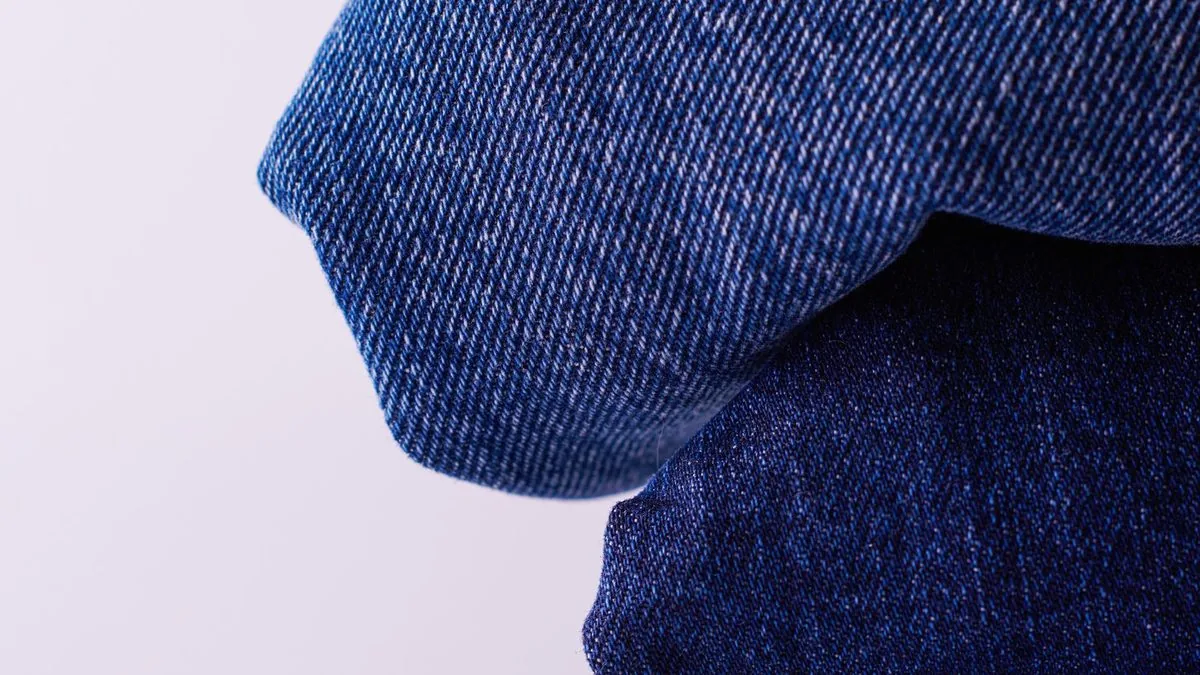
Rigid denim is 100 per cent cotton. It is structured and durable, softens and moulds to your body over time, and gives the most authentic, classic look with crisp lines. Comfort stretch, usually 97 to 99 per cent cotton with 1 to 2 per cent elastane, is the sweet spot for most people: ease of movement without losing the classic denim feel, and a fit that holds its shape through the day. High-stretch denim, with 3 per cent elastane or more, can bag out at the knees and seat.
Weight matters too, measured in ounces per square yard. Lightweight denim, around 10 to 11 ounces, feels breathable and soft right away. Mid-weight denim, around 11 to 13 ounces, balances structure with comfort and suits most everyday jeans. Heavier denim, around 13 to 15 ounces, holds its shape best.
Choosing Jeans for Your Body Shape
The most flattering cut is the one that balances your proportions. If you are fuller at the hips than at the shoulders, try straight-leg or bootcut jeans in a mid to high rise, which skim the hip and balance the lower half without clinging. For an hourglass shape, high-waisted straight or slim jeans are usually the most flattering.
If you carry more weight around the middle, a mid-rise straight leg with a comfortable, non-digging waistband is a reliable choice, and a slightly stretchy fabric will move with you. If your shoulders are broader than your hips, wide-leg and bootcut styles add balance below. If you are tall, a 34 to 36 inch inseam avoids high-water hems; if you are petite, a shorter inseam often balances proportions better.
Washes and Finishes: Pick the Right Colour Story
Dark indigo is the closest thing to a dressy jean: it reads refined and lengthening, dresses up easily with a blazer or silk top, and with minimal whiskering it is the most versatile wash you can own. If you buy one pair, buy dark indigo.
In 2027, the fashion direction is clean and elevated. Heavily distressed finishes, ripped knees, raw hems and dramatic whiskering have taken a back seat, replaced by polished dark indigo, rich charcoal, soft cream and uniform mid-blue washes that move easily from casual outings to smart dinners.
How to Judge Denim Quality in Under a Minute
Good denim lasts for years; poor denim bags, fades and wears through fast, and you can judge most of it in the shop in under a minute. Start with the composition label: a high cotton content, ideally with only a small percentage of elastane, usually signals better quality and a fit that holds its shape. Feel the fabric too: a substantial, dense denim is a good sign; a thin, flimsy one will rarely hold its shape.
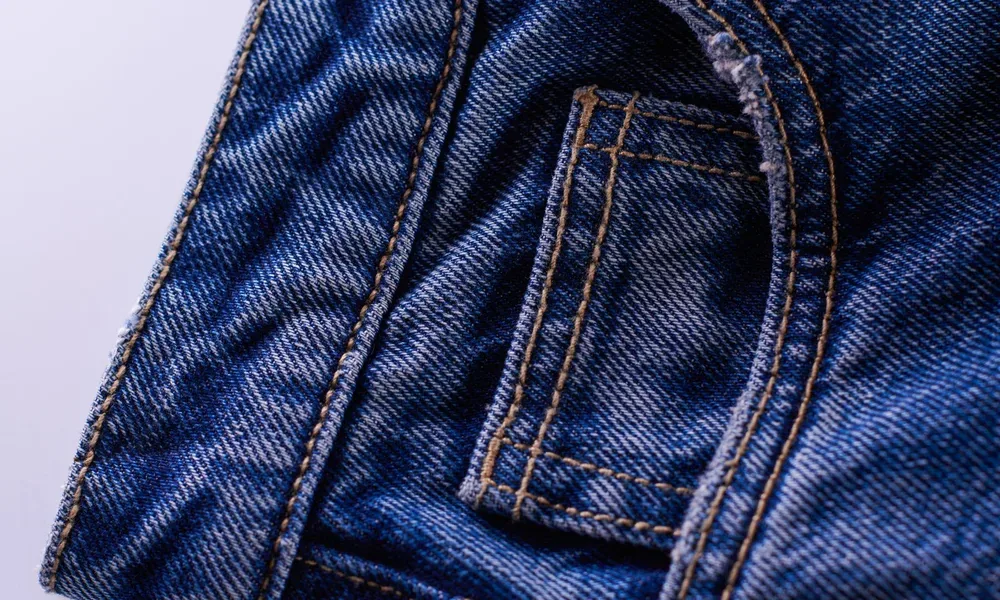
Check the stitching: it should be neat, even and tight, with no loose threads or puckering along the seams. Look for bar tacks, the small dense knots of stitching that reinforce stress points such as pocket corners and belt loops. Check the hardware: solid rivets, a weighty button, a smooth zip.
The Fitting-Room Checklist
Try jeans on with the shoes you will wear most often, and with a top you would actually tuck in. Then run through these checks before you decide.
- Waist: Slide two fingers into the waistband comfortably. If you can grab a handful of extra fabric at the back, try a different rise.
- Seat: The back should lie smooth without a smile crease.
- Hips and thighs: Pocket bags should lie flat. If they pull open or the fly ripples, size up or try more room through the hip.
- Sit down: Sit, bend and walk. The waistband should not dig in, the crotch should not pull, and the jeans should not need adjusting.
- Length: Check the hem with your usual shoes. It should just brush the shoe or fall cleanly.
- Comfort over time: Move around for a minute or two. Nothing should pinch or rub.
Styling Your Perfect Jeans
Once the fit is right, styling becomes easy, because good jeans are a neutral base for almost anything. A clean white pair of trainers is the easiest match of all, so our round-up of the best white sneakers for women in 2027 will help you find a pair that works with every wash, while our guide to the best boots to wear with barrel jeans covers that roomier shape.
Common Mistakes to Avoid
The most expensive denim mistake is trusting the size label instead of your measurements and the mirror. Another common error is choosing too much stretch: very stretchy jeans feel wonderful in the shop and bag out at the knees and seat by the afternoon, so keep elastane at 1 to 2 per cent and choose a denser denim.
How to Care for Your Jeans So They Last
Jeans are one of the most over-washed items in any wardrobe, and washing is what fades colour, weakens fibres and wears out the fit. Most jeans only need washing after several wears, unless they are visibly dirty. When you do wash them, turn them inside out, use cold water on a gentle cycle with a mild detergent, Hang them to dry, out of direct sunlight.
Frequently Asked Questions
What is the most versatile pair of jeans to buy first?
A straight-leg, mid- or high-rise pair in dark indigo with 97 to 99 per cent cotton and 1 to 2 per cent elastane.
Should jeans feel tight when you first try them on?
They should feel snug but never painful. Rigid cotton denim will give a little with wear, so a firm fit at first is normal, but pinching or restricted movement is a sign to size up.
How do I stop my jeans from sagging during the day?
Choose denim with no more than 2 per cent elastane, look for strong recovery in a denser fabric, and make sure the waistband fits properly.
What rise is best for a short torso?
A mid rise, around 8.5 to 10 inches, is usually the most comfortable for a shorter torso, because it sits just below or at the belly button without crowding the waist.
How often should I wash my jeans?
Usually after four to ten wears, unless they are visibly dirty or smell. Air them between wears and spot-clean marks.
Are wide-leg jeans still in style in 2027?
Yes. Wide-leg, straight-leg and barrel shapes remain the dominant denim silhouettes in 2027, alongside a cleaner, more polished approach to washes.
The Bottom Line
The perfect pair of jeans is not the most expensive pair, the trendiest pair, or the pair with the size you hoped to wear. It is the pair that fits your measurements, suits your shape, feels comfortable sitting as well as standing, and is made from a fabric that will hold its shape for years. Start with a straight leg in dark indigo, and let the mirror — not the tag — decide.
Look after your jeans with rare, cold washes and air drying, and do not be afraid of a small alteration to make a good pair perfect.
Note: Fit and sizing vary between brands, so always check the brand’s own size guide and try jeans on with the shoes you will wear most. Wash and care guidance here is general; follow the care label on your own pair if it differs.