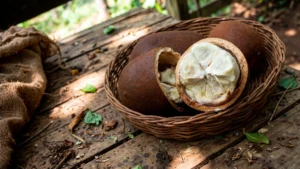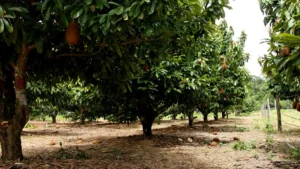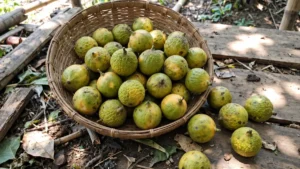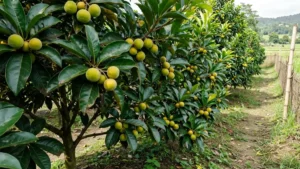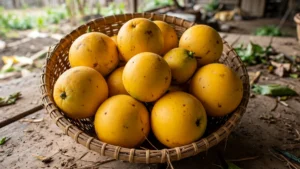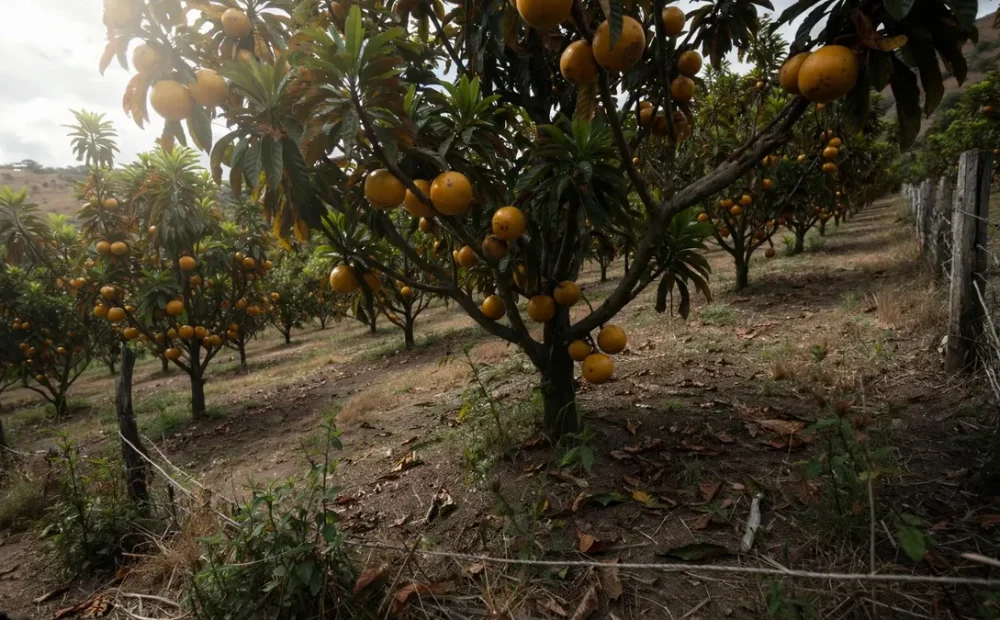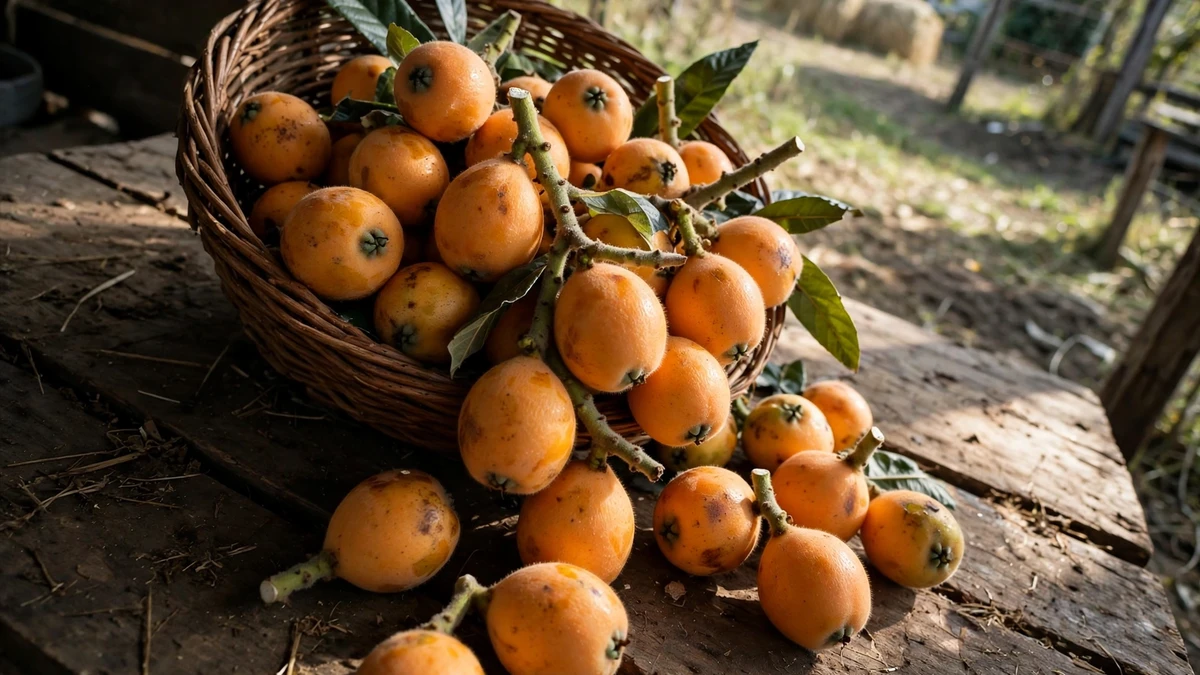
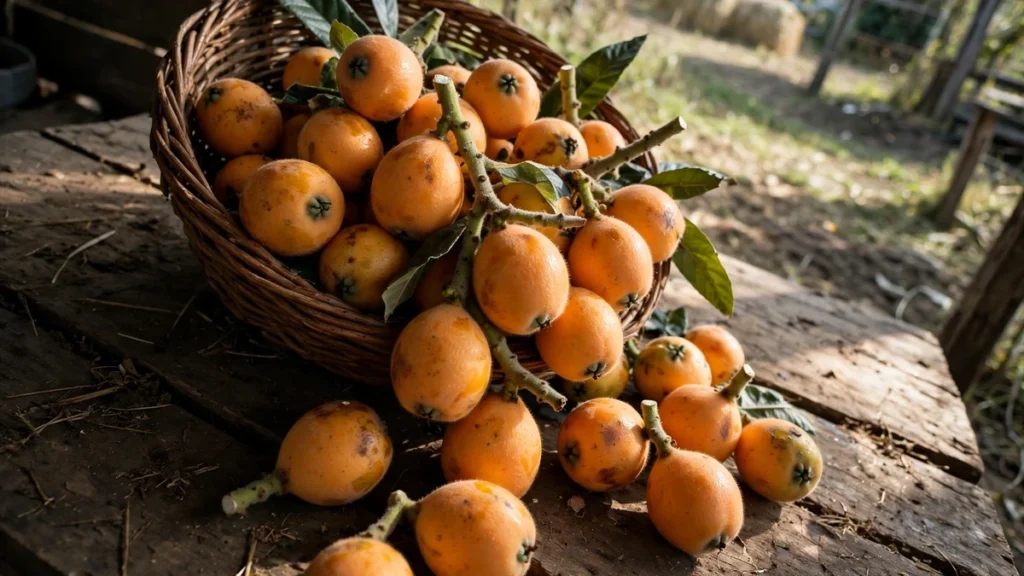
A loquat farm escape is a spring holiday built around a tree most travellers have never heard of. The fruit ripens in clusters on evergreen branches, orange-yellow and soft, and it is eaten the day it is picked, because it does not travel well and does not wait. That is the whole charm of it: the trip only works in the weeks when the trees are bearing, and the farm knows it.
Planning one is mostly about timing. The loquat season is short, a few weeks in spring, and it shifts with the weather, so the farm sets the dates and the traveller follows. Book the wrong week and you will see green fruit and empty baskets; book the right one and the kitchen will be full of jam pots by noon.
This guide walks through the nine steps that turn a vague idea into a booked trip, from tasting the fruit first to packing the jam jars for the journey home.
Key takeaways
- Loquats fruit in spring, and the season lasts only a few weeks, so the picking week matters more than the price of the room.
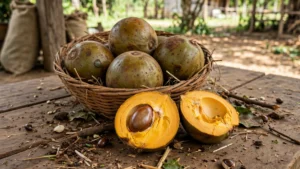
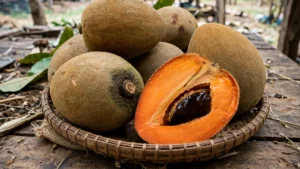
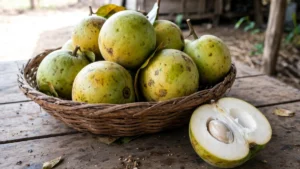
- A ripe loquat is deep orange and soft, with large glossy seeds inside that must be lifted out before eating.
- Most loquat farms are small working orchards, so ask what is included in writing before you pay for anything.
- The fruit spoils within days of picking, so plan to eat it fresh and carry jam home instead.
- People with a wheat allergy should tell the kitchen in the first message, because farm kitchens bake tarts and bread each morning and flour travels easily.
What a loquat farm escape involves
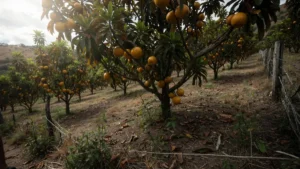
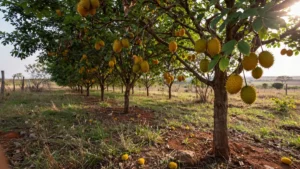
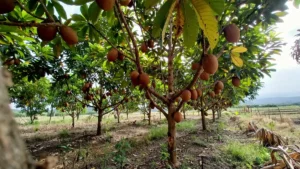
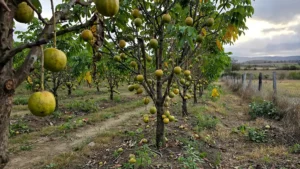
A loquat farm escape is a stay on, or beside, a working loquat orchard, planned around the spring fruiting season. The trees stand in rows or on terraces, evergreen through the winter, and the fruit is picked by hand in the mild weeks of spring. The day follows the orchard: a walk among the trees in the morning, a tasting at midday, and a kitchen that cooks with whatever came off the branches that day.
What makes it different from a summer fruit holiday is the quiet. The loquat season falls before the crowds arrive, so the farm has time for its guests, the paths are empty, and the host can show you the trees properly. The rooms are usually simple, the host usually works the orchard, and the fruit sets the pace.
It pays to know what the stay includes before you commit. Some farms are orchards above all else, with plain rooms and a host who prunes the trees every morning. Others are comfortable guesthouses inside a fruit farm, offering more ease and less farm work on show. Either kind can be delightful, yet they are different holidays, and the nightly rate usually tells you which sort you are booking. Our guide to planning a persimmon farm escape follows the same idea: check the inclusions in writing before the photographs win you over.
How to plan it, and what to ask first
Start with the fruit, not the room. A good loquat escape begins by finding out when the trees will be bearing, because everything else — the flights, the room, the market mornings — hangs off those few weeks.

Ask the farm directly when the fruit will be ready, and ask again a week before you travel, because a cold snap can push the season back. Ask what the price covers: the orchard walk, the tasting, the meals, and the transfers are four separate things, and some stays bill each one apart. Check if breakfast is part of the rate, if the garden is shared, and if the host speaks a language you can get by in.
A farm that shows every charge up front before you book is usually run with care. The quince farm escape guide we published earlier makes the same point: small stays where the booking details matter more than any star rating.
The 9 steps to plan a loquat farm escape
Let a market loquat decide the region for you
What to do: Buy a small bag of fresh loquats at a market and eat them slowly, noting whether you like them sweet or sharp. A market bag costs little, and it teaches you more about the fruit than any photo can. The flavour you like best points to the region: cool climates give sharper fruit, warm ones give sweeter fruit. What to avoid: Choosing a region from photographs alone, without knowing whether you like the fruit sweet or tart. Best for: Travellers who have never tasted a farm loquat. Time needed: An afternoon at a market. Standout tip: Taste fruit from two different stalls if you can, because seedling trees vary from tree to tree.
Let the farm name the harvest week, then book flights
What to do: Ask the farm which week the trees will be bearing, and hold the flights until the answer comes back. The loquat season is short, and a week either side of the peak can mean green fruit and empty baskets. Book the travel only once the picking week is set in writing. What to avoid: Booking cheap flights first and hoping the fruit will be ready when you land. Best for: Travellers with dates that can bend around the harvest. Time needed: One email exchange and a day of waiting. Standout tip: Ask the farm to confirm the dates again a week before you travel, because a cold snap can push the season back.
Choose the orchard for its oven, not its views
What to do: Ask what the kitchen makes with the fruit — jam, tarts, chutney, tea — and pick the farm whose cooking sounds best to you. A farm that cooks with its crop every day will feed you better than a farm with prettier rooms and a bare kitchen. What to avoid: Picking a stay for the swimming pool when the kitchen never opens. Best for: Food lovers keen on the kitchen as well as the picking. Time needed: Thirty minutes reading menus and reviews. Standout tip: Ask whether the jam is made on the farm or bought in, because the answer tells you how seriously the farm takes its fruit.
Ask whether guests may gather their own fruit
What to do: Ask plainly whether guests can pick their own fruit, and whether a ladder is involved. Some farms hand guests a basket and let them fill it; others keep the picking to the crew because the branches are tall and easy to damage. Say so when you book if picking matters to you. What to avoid: Arriving with a basket and finding the orchard is closed to guests. Best for: Travellers who want to fill a basket themselves. Time needed: One question in your booking message. Standout tip: Wear a hat and long sleeves for the picking, because the spring sun is stronger than it looks and the branches are scratchy.
Sleep in the room that faces the loquat rows
What to do: Ask for the room that looks over the trees, not the car park. A window over the orchard means you wake to the fruit, and you can see at a glance whether the picking has started. The best rooms face the rows and catch the morning light. What to avoid: Taking whatever room is left and waking up facing a blank wall. Best for: Travellers who want the orchard in sight from the window. Time needed: One line in your booking request. Standout tip: Ask which way the window faces and whether there is shade, a fan, or air conditioning, because spring afternoons can be warm.
Flag the wheat allergy in your opening note
What to do: Put any wheat allergy in the first line you send the farm, before you talk about dates or rooms. Farm kitchens bake tarts and bread each morning, and flour travels easily, so the kitchen needs time to plan around it. What to avoid: Mentioning the allergy at the breakfast table, when the bread is already on it. Best for: Travellers who need the kitchen to cook without wheat. Time needed: Five minutes when you first write. Standout tip: Ask how the farm keeps flour off your plate, and get the answer in writing before you pay.
Pack a hat, sleeves, and shoes with grip
What to do: Pack long sleeves, closed shoes with grip, and a hat. The terraces are steep, the paths are dusty after a dry day, and the spring sun is stronger than it looks. Closed shoes keep the dust out and the grip keeps you steady on the slopes. What to avoid: Wearing sandals on a terrace walk and slipping on the dry earth. Best for: Travellers who plan to walk the orchard every morning. Time needed: Ten minutes packing the right bag. Standout tip: Bring a light layer for the evenings, because the temperature drops quickly once the sun goes down.
Visit the dawn market alongside the cook
What to do: Ask the cook which market they shop at, and go along. A morning at the stalls shows you what the region grows besides loquats, and the cook will point out the best fruit and the stalls worth returning to. What to avoid: Sleeping through the market and eating only what the farm serves. Best for: Travellers who want the region, not just the farm. Time needed: A morning, from first light to midday. Standout tip: Buy a bag of loquats from a second stall and compare them with the farm’s own fruit.
Take sealed jam jars home instead of fresh fruit
What to do: Buy sealed jars of jam at the farm shop for the trip home, and eat the fresh fruit while you are there. Loquats spoil within days of picking, so a punnet in your luggage will be soft and bruised by the time you land. What to avoid: Packing fresh loquats in your bag and finding them crushed at the airport. Best for: Travellers who want a taste of the trip that lasts. Time needed: Thirty minutes in the farm shop. Standout tip: Ask the farm to label the jars with the picking date, because a jar of spring jam will outlast any photograph.
Picking the right season and region
For the most traditional fruit, head to the Algarve, where the trees are a working crop and the basket reaches the table at every meal. For the wildest setting, pick Jeju, where the farm sits in volcanic soil under a wide sky. For the boldest flavours, choose Kagoshima, where the sun is fierce and the harvest is heavy. The trees fruit in a short spring window, so a farm can look generous one week and bare the next. The Algarve suits a first trip too, because the farms are used to guests and the fruiting window is long.
For a first trip, the Algarve is the easiest pick: the farm is used to guests, the season is generous, and the kitchen cooks with the fruit every day. Ask the host directly when the trees will be bearing, and book the room that faces the orchard. Our guide to the lychee farm escape makes the same point: the rest of the trip takes care of itself once the season is right.
The caveats that matter
Loquat farm escapes are lovely, but not for everyone. The fruit follows the seasons, the farms lie a long way from town, and the honest stays say plainly what is ripening and what is not.
| Detail | What is known |
|---|---|
| Best time to visit | The spring months, when the trees are bearing; the window moves by country |
| The two main kinds | Seedling trees vary in flavour from tree to tree; grafted varieties are more even in size and sweetness |
| How ripe fruit looks | Deep orange all over, soft, and fragrant, with no green or pale patches on the skin |
| What is usually included | Room and breakfast plus an orchard walk or tasting; jam-making and transfers often cost extra |
| Who should go | Slow travellers, food lovers, and families with older children |
| Who should think twice | Anyone after nightlife, quick service, or a full daily programme |
| Transfers | Usually an hour or more from the closest airport; book the lift before you arrive |
| What is not guaranteed | Fruit on your dates; the crop leans on weather, season, and the tree’s own rhythm |
Loquats carry no gluten themselves, yet the farm kitchen bakes tarts and bread each morning, so ask the farm how it keeps flour away from your plate. The fruit is soft and spoils quickly, so eat it the day it is picked and bring jam home rather than fresh fruit. The seeds inside are large and glossy and should not be eaten, so cut the fruit open and remove them before you bite. Before you book, go over the practical side if you have a health condition, are expecting, or travel with small children: where the nearest clinic sits, when the farm last sprayed, and whether the paths suit little feet.
Checklist: before you book a loquat farm escape
Run through these checks before you pay, then once more in the week before you travel.
- Check the fruiting: ask if the trees will be bearing on your dates, not just whether the farm is open.
- Check the inclusions: orchard walk, tasting, meals, and transfers, and which ones carry an additional charge.
- Check the distance: how long is the drive to the airport, and can the farm send a car?
- Check the bedroom: does the window look onto the orchard or the garden, and is there shade, a fan, or air conditioning?
- Check the growing: ask how large the orchard is, whether it is organic, and when it was last sprayed.
- Check recent reviews: find guests who travelled in the same season as your planned trip.
Frequently asked questions
How long should a loquat farm escape last?
Three or four nights is enough. The fruiting season is short, and a long stay risks landing after the peak. A short stay in the right week gives you the picking, the market, and the jam-making without the waiting.
Do you need a hire car for a loquat farm?
Usually, yes. The farms sit an hour or more from the closest airport, and the buses are rare. Ask the farm whether it sends a car, and arrange the lift before you arrive if it does not.
Are guests allowed to pick loquats on the walk?
Yes, at most farms, if you go with a guide and ask first. Some farms hand guests a basket for a handful of fruit, while others keep the picking to the crew because the branches are high and easy to damage. Say so when you book, and wear a hat, because the spring sun is stronger than it feels.
What is the difference between seedling and grafted loquats?
Seedling trees grow from seed and vary in flavour from tree to tree, so one tree may be sweet and the next sharp. Grafted varieties are more even in size and sweetness, because they are cut from a known tree. The farm will tell you which kind it grows.
Is a loquat farm escape suitable for children?
Yes, for older children who can walk the terraces and pick with care. Small children should stay on the paths, because the terraces are steep and the branches are high. Tell the farm the children’s ages when you book.
How can gluten-free travellers eat safely on a loquat farm?
Yes, if you flag it when you book. The fruit carries no gluten by itself, and the rice dishes are usually safe. The danger is the tarts and bread baked each morning, so ask the farm how it keeps flour away from your plate.
The bottom line
A loquat farm escape suits travellers who like their food to come from the tree beside them, and who are happy to let the picking set the day. The fruit is sweet, the season is short and generous, and the best escapes pick it, serve it fresh, and cook the rest into jam without any fuss.
Choose the region by what matters most to you: the dry terraces of the Algarve, the misty hills of Zhejiang, or the green hills of the Gold Coast — and bring the jam home sealed, not the fruit itself. A jar of it will outlive any photograph.