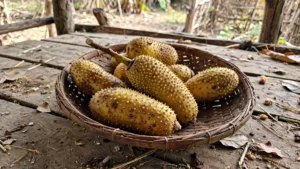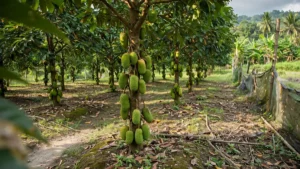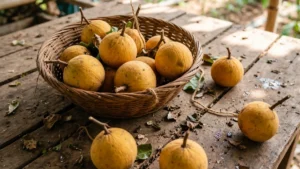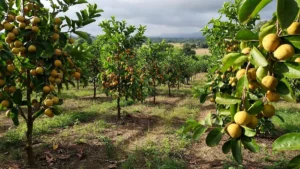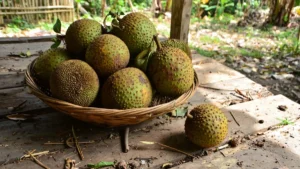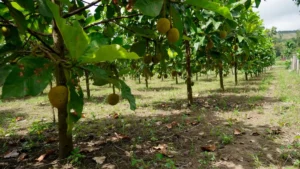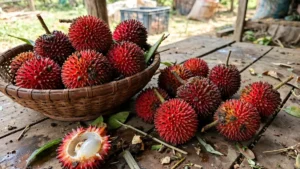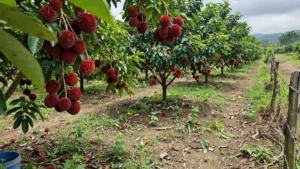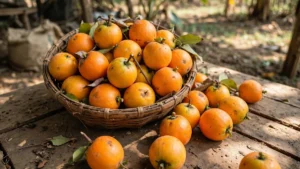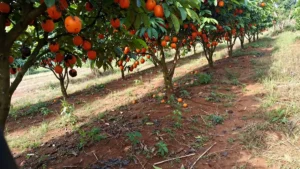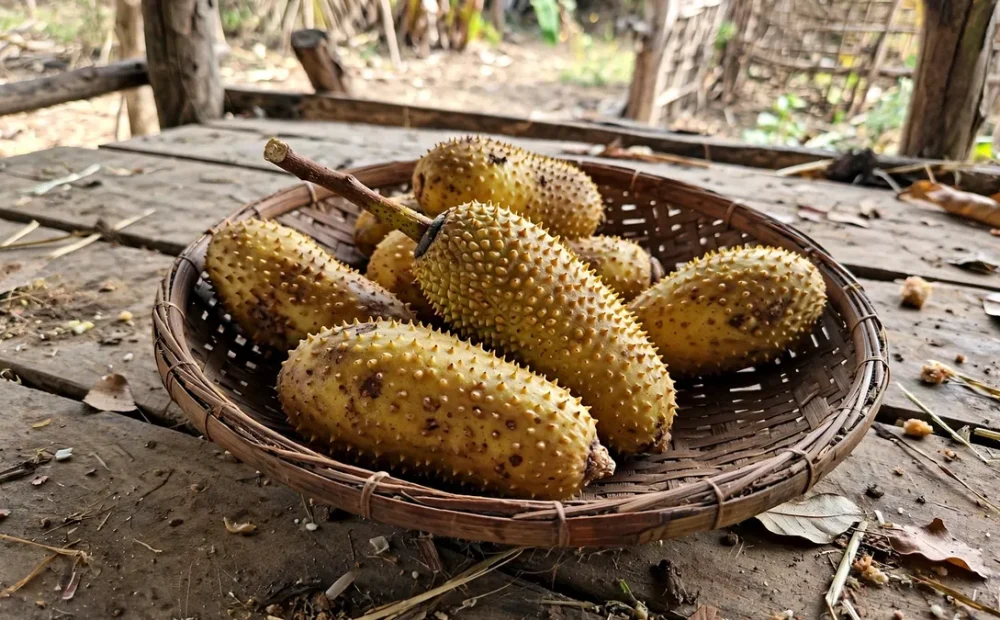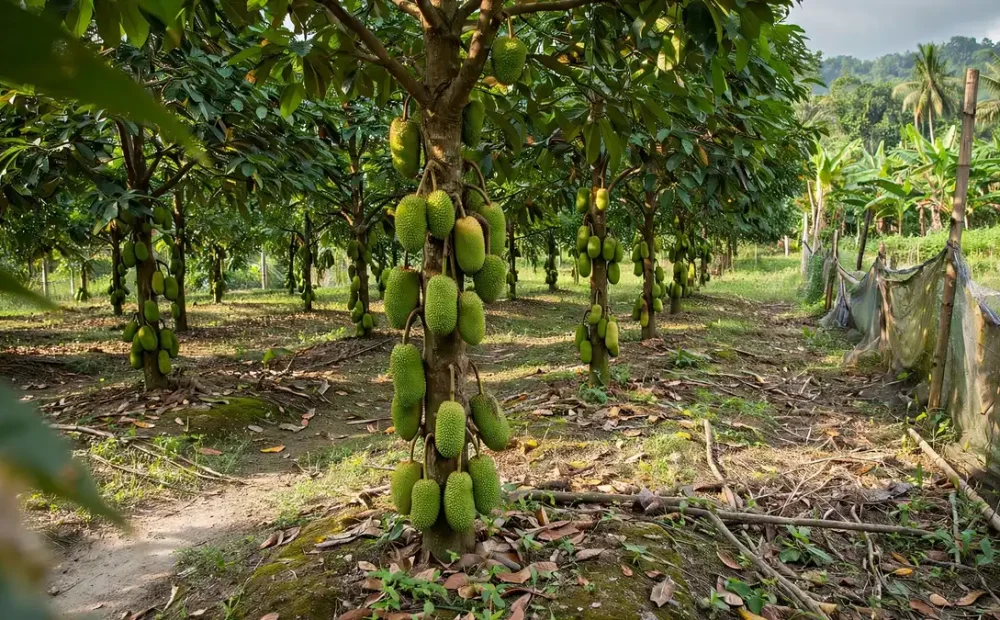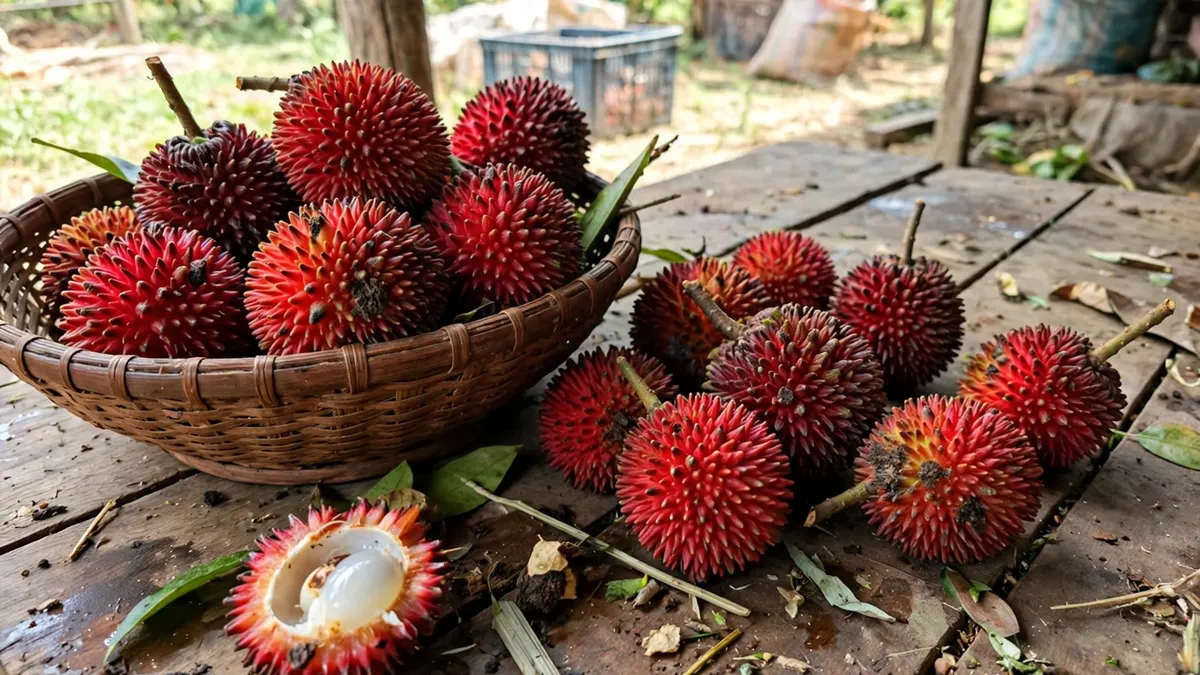
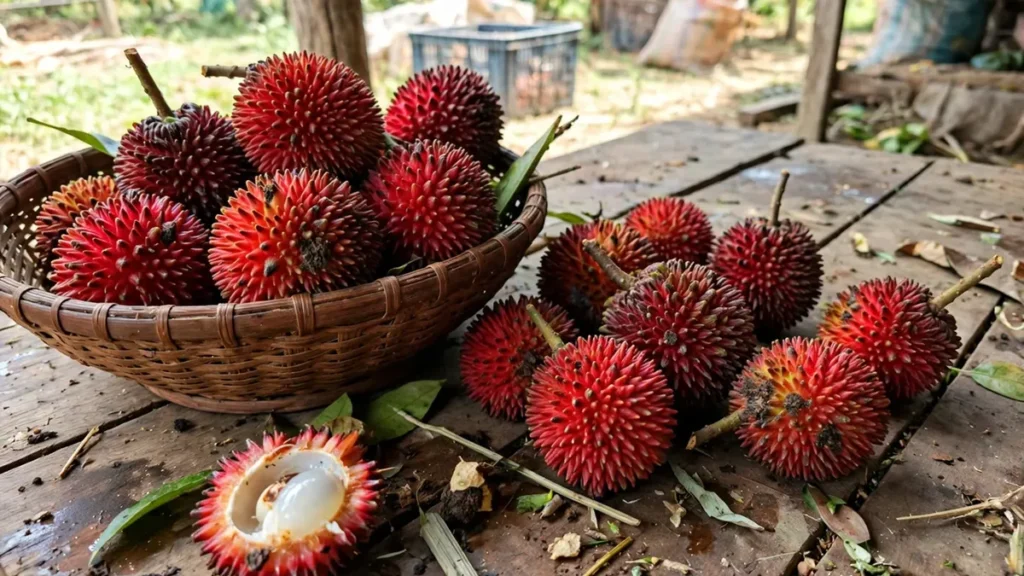
A pulasan escape fits into three nights and a single orchard. The fruit splits open in your hands, the flesh inside is pale and sweet, and the best of it is eaten within sight of the tree it grew on. There is no lobby, no concierge, and no set programme — the harvest decides what the day holds, and you follow it.
The gamble is the season. Pulasan fruits once a year, the clusters bruise if you look at them wrong, and the finest fruit never leaves the farm gate. Land in the middle of the burst and the branches sag under the weight; land a week late and you will sleep beside bare wood. Here, planning means choosing a fortnight, not a hotel.
The trip turns on nine decisions, in order: a first taste at a market stall, the picking dates, a region, a farm kitchen, a room, and the packing, plus the questions worth asking before any money moves. The clusters ripen a few at a time, so a good stay keeps you near the trees for several mornings, catching each branch at its sweetest.
Key takeaways
- Fix the picking dates first — the fruit ripens once a year and the window lasts only a few weeks.
- Taste pulasan at a market stall before you commit to a region; the sweetness varies from tree to tree.
- Choose a farm whose kitchen cooks with the fruit, not one that only serves it raw.
- Book a room facing the orchard, and ask which way the window looks before you pay.
- Tell the farm in writing about wheat or gluten before you arrive, and name the dishes you need cooked without it — a plain answer before you pay beats a promise at the table.
Why Plan a Pulasan Farm Escape
Pulasan is not a fruit you stumble across. It grows on small family farms, it fruits once a year, and the best of it never reaches a supermarket shelf. A farm escape is the only way to eat it properly: under the tree, in the picking weeks, with a host who knows which branches run sweet and which run sharp. The trip is short, the planning is simple, and the reward is a fruit most travellers have never heard of, eaten at its best.
The planning matters because the window is narrow. Book the wrong fortnight and the trees are bare; book the right one and every meal carries the fruit. The nine steps below run in the order that works: taste first, dates second, farm third, and everything else after. Follow them and the trip plans itself.
9 Steps to Plan Your Pulasan Farm Escape
1. Let a market tasting choose your region
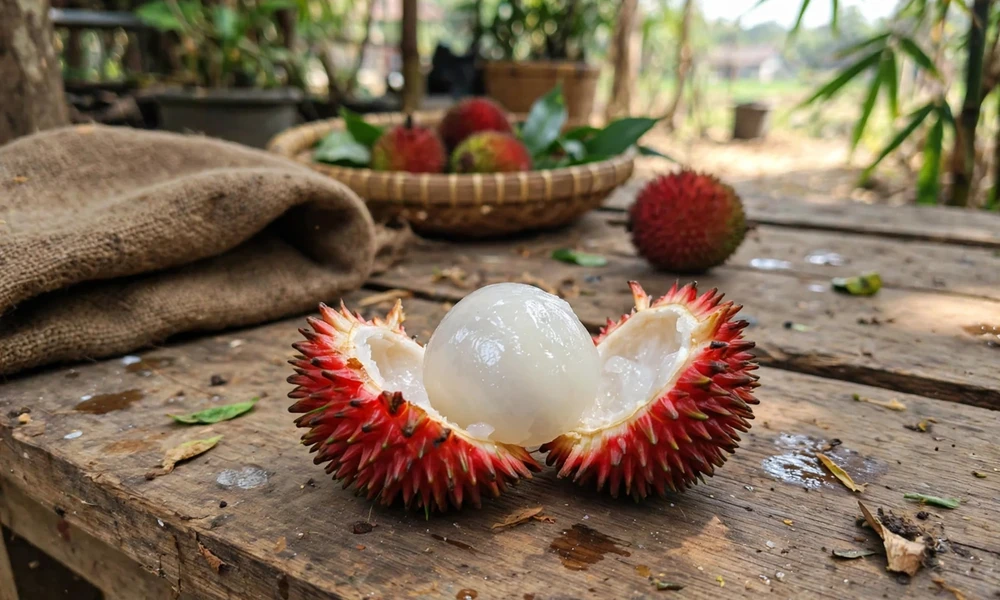
What to Do: Find a market that sells pulasan in season and taste from three stalls before you decide anything. The sweetness varies from tree to tree, and the stallholders will tell you which farms the fruit came from. Buy a small bag, eat it on the spot, and let the taste choose the region for you. Taste the fruit from a stall that sells only pulasan, and from one that sells it beside rambutan, so the difference is clear in your mouth.
What to Avoid: Booking a region on the strength of a photograph. Pulasan looks the same in every picture; only the taste tells the regions apart.
Best for: Travellers who trust their palate over a brochure. Time Needed: An hour wandering the market stalls. Standout Tip: Ask each stallholder which farm supplied the fruit, and write the names down.
2. Pin down the picking dates before booking flights
What to Do: Write to two or three farms and ask when their clusters are turning red. Compare the answers, pick the fortnight where they overlap, and only then look at flights. The farms know their trees; the airlines do not.
What to Avoid: Booking flights before the farm confirms the fruiting dates, because the gates may be open while the branches are bare.
Best for: Guests whose dates can move with the harvest. Time Needed: Two short emails and a day to wait for replies. Standout Tip: Ask for the date the clusters turn, not the date the season opens.
3. Choose a farm that cooks what it grows
What to Do: Ask the farm what it cooked with pulasan yesterday. A kitchen that stewed jam, simmered syrup, or baked tarts is a kitchen that treats the fruit as food, and that is the farm worth booking. A kitchen that lists pulasan in three dishes is cooking with the fruit; a kitchen that lists it in one is only serving it. Ask for the week’s menu before you pay.
What to Avoid: Choosing a farm that serves the fruit only raw. You can eat raw pulasan anywhere; the cooking is what the farm adds.
Best for: Guests who care as much about the cooking as the picking. Time Needed: A single email asking for yesterday’s menu. Standout Tip: Judge the farm by what it served yesterday, not by what it promises tomorrow.
4. Confirm picking is part of the morning walk
What to Do: Ask plainly whether guests can pick, and whether the picking is part of the morning walk or a separate outing. Some farms hand you a basket at dawn; others pick only with the crew. Get the answer in writing before you book.
What to Avoid: Turning up to pick and finding the rows closed to guests. The disappointment is worse than a missed flight.
Best for: Travellers who want hands in the harvest, not just eyes on it. Time Needed: Five minutes in the same email as the dates. Standout Tip: Ask whether the picking is open to guests, and whether baskets are provided.
5. Sleep in a room that faces the trees
What to Do: Ask which way the window faces — rows or garden, morning sun or afternoon heat — and book the room that looks onto the trees. The orchard-facing rooms are few, and they go first, so ask early and confirm the room by name. A room over the rows also puts you first in line for the dawn walk, because the host starts where the guests already are.
What to Avoid: Taking the last room left and spending your mornings staring at a blank wall.
Best for: Guests who want the trees right outside their window. Time Needed: Ten minutes on the booking call. Standout Tip: Ask for the room by name, not by type, and get it in writing.
6. Write to the farm about wheat before you pay
What to Do: Write to the farm before you pay, name the dishes you need without wheat, and ask which ones the kitchen can cook that way. Small farm kitchens can usually adapt, but only if they know ahead of time. Confirm the answer again when you arrive.
What to Avoid: Mentioning it only at the table. A small kitchen cannot rework a meal it has already cooked.
Best for: Guests who need to keep wheat out of their meals. Time Needed: A single brief email before any payment is made. Standout Tip: Name the dishes, not just the allergy, and ask for a plain answer.
7. Pack clothes for mud, rain, and cool nights
What to Do: Pack sturdy shoes for the rows, a light rain layer for the afternoon showers, and a layer for the evenings, when the air cools quickly after sunset. Pack a hat with a wide brim, because the midday sun between the rows is stronger than it looks from the veranda. The orchard is not a resort, and the paths are muddy after rain.
What to Avoid: Packing only for sunshine. The hills rain in the afternoons, and the terraces are steep when wet.
Best for: Travellers who would rather be ready than comfortable. Time Needed: Twenty minutes over the suitcase. Standout Tip: Bring shoes you do not mind getting muddy, and a bag for the fruit.
8. Join the cook on the early market run
What to Do: Ask the cook whether you can join the dawn market run. You will see what the farm buys, what it grows, and what the region eats, and you will come back with a better sense of the kitchen than any menu could give you.
What to Avoid: Sleeping through the market morning. The stalls close by mid-morning, and the best produce goes first.
Best for: Travellers who want the market as much as the orchard. Time Needed: An early morning, back before breakfast. Standout Tip: Carry cash, because the small stalls seldom take cards.
9. Carry home jam, not fresh clusters
What to Do: Buy jam, syrup, or dried fruit from the farm shop on your last morning. The fresh fruit bruises in a bag and rarely survives the journey home; the jam keeps for months and tastes of the orchard every time you open it. Dried pulasan travels best of all, and a sealed tin of it will still taste of the orchard months later.
What to Avoid: Packing fresh clusters in your luggage. They will be pulp by the time you land.
Best for: Guests who want the trip to stay with them once they are home. Time Needed: Fifteen minutes wandering the farm shop. Standout Tip: Ask the host which jar to buy — the one from your own picking week.
What to Look for in a Pulasan Farm
Look first at the trees. A farm with several pulasan varieties ripens in waves, and that stretches your eating across the whole stay; a farm with one variety gives you a single week. Ask the host how many kinds stand in the orchard and when each one turns. The answer tells you more about the farm than any photograph.
Look next at the kitchen, and then at the room. A kitchen that cooks with the fruit turns a picking trip into a food trip, and a room facing the orchard turns a stay into a memory. The rambutan farm escapes of Malaysia run on the same small-farm rhythm, and the same rule holds: growers, not managers, make the best hosts, and a host who walks the rows with you at dawn is worth more than any amenity.
Ask the host about the farm shop before you book. A farm that sells its own jam, syrup, and dried fruit is a farm that keeps the harvest going after the season ends, and the shop tells you how seriously the place takes its fruit. Ask too about the other trees in the orchard — most pulasan farms grow a little rambutan, mangosteen, or durian alongside, and a second fruit in season doubles the eating. The farms that answer these questions plainly are the ones worth your money; the ones that dodge them are worth skipping.
Planning the Practical Details
Book in this order: dates, room, flights. The dates come from the farm, the room from the orchard view, and the flights last, once both are fixed. The lychee farm escapes of China follow the same order for the same reason: the fruit sets the calendar, and everything else bends around it. Keep the trip short — three nights is the sweet spot — and keep a day spare at the end in case the harvest runs late.
Money is simple on a pulasan farm. Most stays include breakfast and dinner, and the extras are jam, syrup, and dried fruit from the farm shop, all cheap. Bring cash for the market and the farm shop, and a card for the room. The longan farm escapes of Thailand work the same way, and the same advice holds: ask the farm what is included before you arrive, so nothing surprises you at checkout.
Keep a spare day at the end of the trip. The harvest can run late after rain, and a spare day lets you catch the last picking morning instead of rushing to the airport. Travel cover is worth having for a trip built on weather and ripening, and a small bag packed for the journey home — jam jars wrapped in clothes, dried fruit in a sealed tin — saves the farm shop haul. If rain cancels a picking morning, ask the host for the kitchen instead; the jam-making session is the best wet-weather plan on any pulasan farm.
Pulasan Planning at a Glance
| Detail | What is known |
|---|---|
| Botanical name | Nephelium mutabile, a close relative of rambutan |
| Fruit | Round, thick red rind, pale sweet flesh that slips off the seed |
| Origin | Malaysia, grown across Southeast Asia and northern Australia |
| Season | Once a year, a few short weeks, shifting with the rains |
| Ideal stay | Three nights, in the picking weeks, room facing the orchard |
| Book in order | Dates from the farm, then the room, then the flights |
| Take home | Jam, syrup, or dried fruit — not fresh clusters |
| Wheat and gluten | Tell the farm in writing before you pay and confirm on arrival |
Your Pulasan Packing Checklist
- Sturdy shoes for muddy orchard rows and steep terraces
- A light rain layer for afternoon showers in the hills
- A warm layer for cool evenings after sunset
- A cloth bag for the fruit you carry back from the picking walk
- A written note of any wheat or gluten needs for the farm kitchen
- Cash for the dawn market and the farm shop
Frequently Asked Questions
When should I book a pulasan farm escape?
As soon as the farm confirms the picking dates. The farms are small, the rooms facing the orchard are few, and the picking weeks fill fast. Write to the farm, ask when the clusters are turning red, and book the room the same week you get the answer.
What sets pulasan apart from rambutan?
Pulasan’s rind is thick and smooth, with no hairs at all, while rambutan is covered in soft spines. The flesh runs sweeter and parts from the seed cleanly, where rambutan clings. The fruit ripens once a year, and the farms that grow it are small, family-run places.
Do guests get to pick the fruit themselves?
At most farms, yes, if you go with a guide and ask before you set off. The clusters bruise at a touch, so the host will show you which ones are ripe and how to cut them without tearing the stem. Some farms keep the picking to the crew, so settle it when you book rather than assuming.
Can I eat pulasan on a wheat-free diet?
The fruit itself carries no wheat, and most farm kitchens can cook without it. The risk is cross-contact in a small kitchen, so write to the farm before you arrive, name the dishes you want, and confirm them again when you sit down.
How long should a pulasan escape last?
Three nights is the sweet spot. The first morning you learn the rows, the second you pick with confidence, and the third you taste what the kitchen has made from the fruit. One night is too short to learn the trees, and a full week is more than most small farms are set up to host.
What belongs in my bag for a pulasan farm?
Sturdy shoes, a rain layer, a warm layer for the evenings, and a cloth bag for fruit. The rows turn muddy after rain and steep on the terraces, so leave the smart shoes at home. Bring cash for the farm shop and the market, and a written note of any dietary needs for the kitchen.
The Bottom Line
A pulasan farm escape is a short trip with a narrow window, and that is what makes it worth planning well. Taste the fruit first, fix the dates with the farm, choose a kitchen that cooks with it, and book a room facing the orchard. Three nights, in the picking weeks, is enough to learn the trees and eat the fruit at its best.
Go while the clusters are red and the branches are heavy. Buy jam on the last morning, not fresh fruit, and write to the farm before you book anything — the dates matter more than the price, and the orchard will not wait.