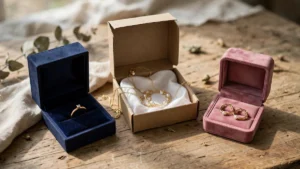
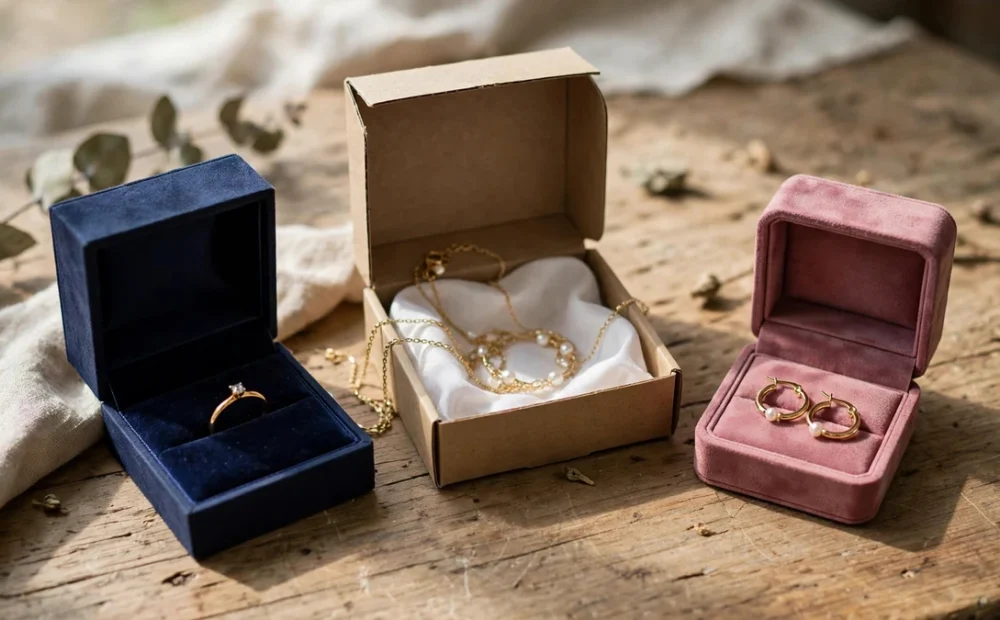
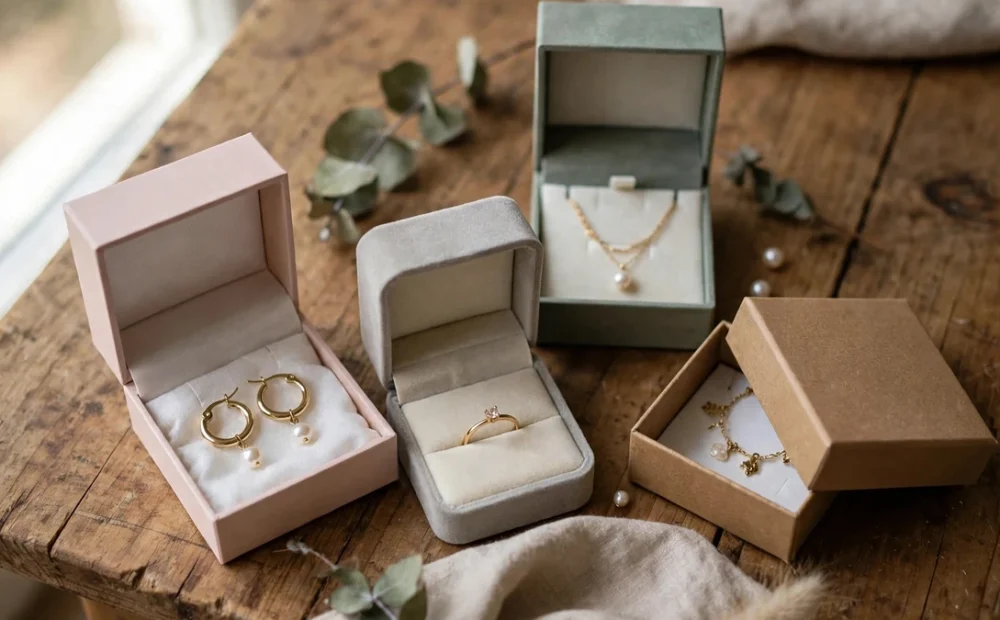
Gold filled jewellery is one of the easiest ways to wear gold every day without a solid gold price. It has a thick, bonded layer of real gold over a jeweller’s brass core, which means it looks like gold, wears like gold, and keeps its colour far longer than gold plating. The styling question is not whether it looks good. It is how to wear it so it looks intentional, not accidental, and how to mix it with the rest of your jewellery without the whole look fighting itself.
The most common mistake is wearing too much of it at once. A gold filled chain, a gold filled tennis bracelet, gold filled hoops, and three gold filled rings can each be lovely on their own, and together they can look like a display case. The second mistake is the opposite: buying one beautiful gold filled necklace and then hiding it under a high collar, a scarf, and a coat, so nobody, including you, ever sees it. Good styling sits between those two extremes. One or two pieces lead, the rest support, and the neckline, the sleeves, and the occasion decide which pieces those are.
Below are nine steps for styling gold filled jewellery in 2027, from choosing your lead piece to layering chains, mixing metals, and keeping the finish bright. Each step is practical, quick to try, and designed for real outfits, not a photoshoot.
Key takeaways
- Gold filled jewellery has a thick bonded layer of real gold, so it looks and wears like gold, and it keeps its colour far longer than gold plating.
- Let one or two pieces lead and keep the rest quiet, or the look becomes crowded; a single chain or a pair of hoops is often enough.
- Match the piece to the neckline, the sleeves, and the occasion before you match it to anything else in your jewellery box.
- Gold filled mixes well with solid gold and with silver, as long as one metal clearly leads and the other accents.
- Gold filled will tarnish slowly if it is left damp or dirty, but a soft cloth and dry storage keep it bright, and it should never be treated with harsh chemical dips.
What styling gold filled jewellery actually means
Styling gold filled jewellery means choosing pieces that work with your outfit, your skin tone, and your day, rather than simply wearing everything you own. Gold filled has a warm, yellow tone, which flatters most skin, but it is warmer than white gold and softer than rose gold. Against a white shirt, a cream knit, or a navy dress, it stands out cleanly. Against a busy print or a very bright colour, it can get lost, and that is when a slightly larger chain or a bolder hoop earns its place.
The other part of styling is knowing what gold filled is, because that decides how you treat it. The gold layer is real gold, bonded to a brass core under heat and pressure, and it is far thicker than the coating on a gold-plated piece. That means it can be worn every day, it can be cleaned gently at home, and it will not flake the way plating does. It also means it is not solid gold, so it should not be polished aggressively or dipped in harsh chemicals, which can wear the surface. Our explainer on what gold filled jewellery is covers the construction in full, including the hallmark to look for when you buy.
Finally, styling means thinking about scale. A fine chain suits a fine knit. A chunky cuff suits a bare wrist and a short sleeve. A long pendant needs a plain neckline to show against. When the scale of the jewellery matches the scale of the outfit, the look feels considered. When it does not, even expensive pieces can look wrong.
How to build a gold filled look and what to look for
Start with the outfit, not the jewellery. Lay out what you are wearing, look at the neckline, the sleeves, and the colours, and then choose one lead piece. A crew neck suits a short chain or a pendant that sits on the fabric. A V-neck suits a longer chain that follows the line of the neck. A strapless or off-the-shoulder top suits a statement earring or a cuff, because the neck and shoulders are already bare. If you choose the jewellery first and the outfit second, you will often find yourself changing one to suit the other.

Look next at the finish and the tone. Gold filled jewellery comes in yellow gold most often, and the tone should be consistent across the pieces you wear together. A bright, polished chain and a matte, brushed cuff can work together, but they read as two different stories, so keep one finish dominant. If you are mixing gold filled with solid gold, the tones are close enough that nobody will notice, which is one of the reasons gold filled is so useful.
Finally, check the practical details before you leave the house. Clasps should close firmly, chains should sit flat and not twist, and earrings should feel light enough for the whole day. A chain that flips over to show its clasp at the front will do so all day, so turn it once, check it in a mirror, and adjust the length. A bracelet that slides over your hand will spend the day at your wrist and on your desk, so size it to stay put.
9 steps to style gold filled jewellery
Choose one lead piece and let it lead
What to do: Pick the piece you most want to be noticed, a chain, a pair of hoops, or a cuff, and keep everything else smaller and quieter. What to avoid: Wearing three statement pieces at once, which makes none of them stand out. Best for: Every day, and any outfit that already has a strong colour or print. Time needed: One minute. Standout tip: If you cannot decide which piece leads, the one closest to your face usually wins.
Match the chain to the neckline
What to do: Wear a short chain with a crew neck, a medium chain with a V-neck, and a long pendant with a plain, high neckline. What to avoid: A pendant that disappears under a collar, or a chain that tangles in a scarf. Best for: Dresses, blouses, and knitwear. Time needed: One minute. Standout tip: A pendant should sit on fabric, not on skin, so it stays visible all day.
Layer two chains, not four
What to do: Wear two chains of different lengths, at least 5 cm apart, one fine and one slightly heavier, so they do not tangle. What to avoid: Three or four chains of the same length, which knot within an hour. Best for: Plain tops, and evenings. Time needed: Two minutes. Standout tip: Add a small pendant to the longer chain only, and leave the shorter one plain.
Two chains look layered. Four chains look like a tangle waiting to happen, and they will spend the day twisting around each other.
Let the sleeves decide the bracelet
What to do: Wear a cuff or a tennis bracelet with short sleeves or bare arms, and a slim bangle or nothing at all with long, fitted sleeves. What to avoid: A wide cuff under a tight cuff, which catches and bunches the fabric. Best for: Work, and days when you type all day. Time needed: One minute. Standout tip: A bracelet should slide, not spin, so size it to your wrist, not your hand.
Sleeves and bracelets share the same space. When they fight, the bracelet usually loses, and the sleeve usually looks worse for it.
Wear hoops that suit the occasion
What to do: Choose small hoops for work and the school run, and larger hoops for evenings and occasions. What to avoid: Very large hoops with a phone headset, a scarf, or a high collar, which will catch all day. Best for: Every day, with the size matched to the day. Time needed: One minute. Standout tip: A 20 mm hoop is the most useful size, visible without being loud.
Mix gold filled with silver carefully
What to do: Let one metal lead and the other accent, for example gold filled earrings with one slim silver bangle. What to avoid: Equal amounts of gold and silver in every place, which can look undecided. Best for: Modern, relaxed outfits. Time needed: One minute. Standout tip: A two-tone piece, with gold and silver together, makes the mix look deliberate.
Mixed metals work when they look like a choice. One silver accent against gold reads as modern. Half gold and half silver reads as a jewellery box emptied onto an outfit.
Add a ring, not a handful
What to do: Wear one or two gold filled rings, on different hands if you wear two, and keep the rest of the hand bare. What to avoid: A ring on every finger, which makes typing, cooking, and washing hands awkward. Best for: Work, and days when you use your hands a lot. Time needed: One minute. Standout tip: A signet or a slim band is the easiest everyday ring, and it stacks well with a plain wedding band.
Rings are the jewellery you notice most, because your hands are always in view. One good ring is more effective than five you keep adjusting.
Dress gold filled up or down with the outfit
What to do: Pair gold filled with denim and a white shirt for a casual day, and with a silk dress or a tailored jacket for an evening. What to avoid: Saving gold filled only for special occasions, which wastes its best quality, which is that it can be worn every day. Best for: Building a daily jewellery habit. Time needed: No extra time, once the habit forms. Standout tip: The same chain looks casual with jeans and formal with a dress, so let the outfit do the dressing up.
Keep the finish bright with a quick routine
What to do: Wipe each piece with a soft, dry cloth after wear, and store it in a dry pouch or a lined box. What to avoid: Harsh chemical dips, abrasive cloths, and leaving pieces in a damp bathroom. Best for: Every piece you own. Time needed: One minute after wear. Standout tip: Put jewellery on last, after perfume and hairspray, and take it off first when you get home.
A one-minute wipe after wear does more for gold filled than any deep clean. It removes the oils and moisture that cause tarnish, and it keeps the gold layer bright for years.
Which gold filled pieces suit which occasion
For work, keep it simple: a fine chain, small hoops or studs, and one ring or one slim bracelet. The pieces should be visible in a meeting but not distracting, and they should not catch on a keyboard, a phone, or a sleeve. A short pendant on a fine chain is the safest work necklace, because it sits on the fabric and stays put.
For evenings, you can go bigger: a longer pendant, a pair of larger hoops, a cuff, or a layered pair of chains. The outfit is usually plainer in the evening, a dark dress or a tailored jacket, so the jewellery has room to be noticed. This is the time for the pieces you love most, and for the layering that would be too much at a desk. Our roundup of the best gold filled jewellery has pieces for both settings, from a classic chain to a slim tennis bracelet.
For casual days, let comfort lead. A huggie or a small hoop, a fine chain, and nothing on the wrist if you are cooking, gardening, or carrying children. Gold filled is durable, but it is not indestructible, and a bracelet that bangs against a worktop all day will show it. For layering ideas that work across all three settings, our guide to how to layer gold jewellery covers chain lengths, spacing, and which combinations tangle least.
The caveats that matter
Gold filled jewellery is durable, but it is not solid gold, and it needs a little care. The gold layer is thick, but it can still be worn down by harsh chemicals, abrasive cleaning, and constant friction against hard surfaces. Perfume, hairspray, and chlorine are the most common culprits. Put jewellery on last, take it off before swimming, and wipe it after wear, and the gold layer will last for years.
| Detail | What is known |
|---|---|
| What gold filled is | A thick, bonded layer of real gold over a jeweller’s brass core |
| How many pieces to lead with | One or two, with the rest smaller and quieter |
| Best chain layering | Two chains, at least 5 cm apart in length, one fine and one heavier |
| Mixing with silver | Works when one metal leads and the other accents, not in equal amounts |
| Best for sensitive skin | Usually well tolerated, as the gold layer covers the brass core |
| How to clean it | Soft, dry cloth after wear; warm soapy water for a deeper clean |
| What to avoid | Harsh chemical dips, abrasive cloths, perfume, hairspray, and chlorine |
| When to take it off | Before swimming, heavy exercise, gardening, and cleaning with chemicals |
Sensitive skin is usually fine with gold filled, because the gold layer covers the brass core and keeps it away from the skin. If you do react, check the clasp and the post first, because those parts are sometimes made from a different metal than the main piece. If irritation keeps happening, stop wearing the piece and speak to a clinician before trying another metal.
Checklist: styling gold filled jewellery honestly
Use these checks before you leave the house, and again when you buy a new piece.
- Choose one lead piece, and keep the rest smaller and quieter.
- Match the chain to the neckline, so the pendant sits on fabric and stays visible.
- Layer two chains at most, with at least 5 cm between their lengths.
- Let the sleeves decide the bracelet, and keep cuffs away from tight cuffs.
- Mix metals deliberately, with one metal leading and the other accenting.
- Put jewellery on last, after perfume and hairspray, and wipe it before you store it.
Frequently asked questions
Can I wear gold filled jewellery every day?
Yes. Gold filled is made for daily wear, because the gold layer is thick and bonded, not a thin coating. Wipe each piece with a soft cloth after wear, keep it dry, and take it off before swimming or heavy cleaning.
Can I mix gold filled with solid gold?
Yes, easily. The tones are very close, and nobody will notice the difference in normal wear. Mix them freely, and let the design, not the construction, decide what goes together.
Can I mix gold filled with silver?
Yes, if one metal clearly leads. Gold filled earrings with one slim silver bangle looks modern. Equal amounts of both metals in every place can look undecided, so keep the mix uneven on purpose.
Will gold filled jewellery tarnish?
Slowly, if it is left damp or dirty, but far more slowly than silver or gold plating. A soft cloth after wear and dry storage keep it bright, and a gentle wash in warm soapy water restores it when needed.
How do I clean gold filled jewellery?
Wipe it with a soft, dry cloth after wear. For a deeper clean, use warm water with a drop of mild soap, rinse, and dry fully. Never use harsh chemical dips or abrasive cloths, which can wear the gold layer.
Is gold filled jewellery good for sensitive skin?
Usually yes, because the gold layer covers the brass core. If you react, check the clasp and the post, which are sometimes a different metal, and stop wearing the piece if irritation continues.
The bottom line
Styling gold filled jewellery in 2027 comes down to three habits: let one or two pieces lead, match the piece to the neckline and the sleeves, and keep the finish bright with a one-minute wipe after wear. Gold filled is durable enough for every day and warm enough for evenings, which makes it one of the most useful kinds of jewellery you can own.
Start with the pieces you already have. Try two chains instead of one, swap a large hoop for a small one on a work day, and notice which combinations you reach for twice. The combinations you repeat are your style, and gold filled is made to be worn that often.