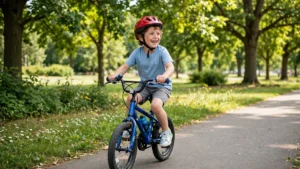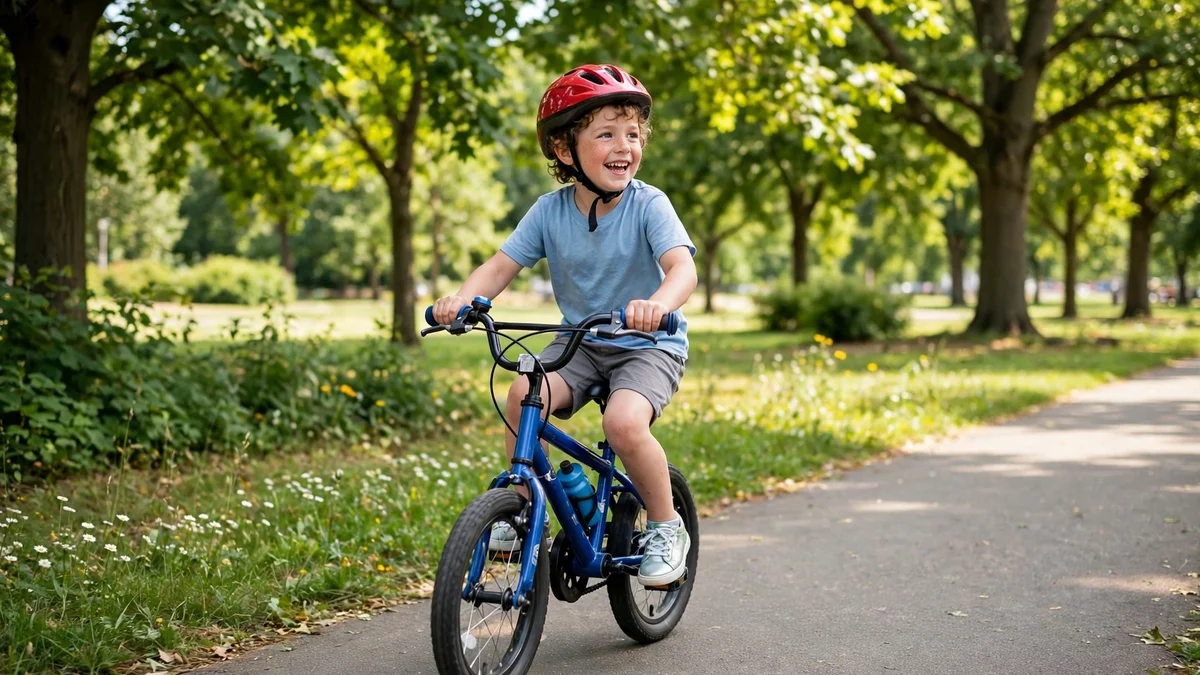

The best kids bikes are the ones that fit your child properly and make riding feel easy from the first push-off. A bike that is too big, too heavy, or fitted with parts your child cannot reach will sit unused in the garage.
So what are the best kids bikes in 2027? The strongest picks are light, well-sized bikes with reliable brakes, simple gears, and a frame your child can stand over comfortably. This guide works through ten of them, from a first balance bike to a confident rider’s first geared bike.
Each pick below suits a different age, height, and level of confidence. Every one is chosen for a sensible weight, parts that work smoothly, and a riding position that builds confidence. Read the sizing advice first, then match your child to the pick that fits their stage.
Key takeaways
- The best kids bikes fit by height and inside leg, not by age alone.
- A light bike is easier to steer, stop, and carry than a heavy one.
- Simple brakes and a small number of gears suit young riders best.
- Measure your child before ordering and check the returns policy.
- A well-fitting helmet matters as much as the bike itself.
How to choose the best kids bikes
Start with your child’s height and inside leg measurement, taken in shoes. Most children’s bikes are sold by wheel size, and a wheel that is too large puts the saddle too high. Sitting on the saddle, your child should touch the ground with the balls of both feet.
Next, lift the bike. It should feel light enough for your child to pick up and for you to carry up a step or two. Heavy frames, suspension forks, and bulky accessories add weight that small legs must push on every ride, so keep the build simple.
Finally, check the brakes and the fit in person where you can. Your child should reach both brake levers comfortably and squeeze them with one or two fingers. If you are buying for a birthday, our guide to the best Christmas gifts for 10-year-old boys has more ideas.
The 10 Best Kids Bikes
1. A first balance bike for toddlers
A balance bike is the gentlest way into cycling, because it teaches steering and balance before pedals enter the picture. Your child scoots along with their feet, learns to lean into turns, and picks up speed at their own pace.
Look for a low frame, a lightweight build, and a saddle that adjusts down far enough for small legs.
Best for: toddlers taking their very first steps into cycling.
2. A small pedal bike with stabilisers
For some children, stabilisers offer the reassurance they need to start pedalling. This kind of bike works best as a short stepping stone: your child learns to pedal and brake while the extra wheels keep them upright.
Choose a low saddle, easy-to-reach brakes, and pedals close to the ground. Avoid heavy frames and bulky extras, which make the bike harder to control once the stabilisers come off.
Best for: nervous first riders who need extra confidence to start pedalling.
3. A light first pedal bike without stabilisers
Once your child can balance, a light first pedal bike turns practice into real riding. A low weight means they can start, stop, and turn without wrestling the frame.
Look for a freewheel if your child finds back-pedal brakes confusing, and check that the saddle and handlebars adjust as they grow. This is the bike for park paths and gentle family rides.
Best for: children who can balance and are ready for their first real bike.
4. A sturdy bike for everyday school runs
A school-run bike needs to be practical above all else. It should cope with pavements, kerbs, and the odd puddle, carry a small bag, and stand up to being parked in a bike shed all day. A chainguard keeps clothes clean, and mudguards help in wet weather.
Choose sturdy tyres with some tread, brakes that work well in the rain, and room for a rack or basket. Keep the weight sensible, because your child will ride it twice a day, every school day.
Best for: children riding to school most days of the week.
5. A first geared bike for longer rides
When family rides stretch beyond the local park, gears make a real difference. A small range helps your child climb gentle hills without standing on the pedals and keep up on flat stretches. Seven or eight gears are plenty at this stage.
Look for a simple shifter your child can work without looking down, and a low first gear for hills. Check that they can reach the shifter and both brake levers from a relaxed grip.
Best for: confident riders ready for longer family rides and gentle hills.
6. A mountain bike for trails and woodland
A children’s mountain bike opens up woodland paths, bridleways, and gentle trails that a road-style bike cannot handle. Wider tyres grip loose ground, and a modest front suspension fork smooths out bumps. The riding position is upright and relaxed, which suits younger riders.
Choose clearance for muddy tyres, brakes that stop firmly on loose ground, and low gears for short climbs. Our guide to the best dogs for kids is worth a look if a four-legged friend joins those rides.
Best for: adventurous children who ride on trails and woodland paths.
7. A hybrid bike for paths and pavements
A hybrid is the all-rounder of the children’s bike world, blending the comfort of a mountain bike with the smoother tyres of a road bike. It rolls easily along cycle paths and pavements, handles packed gravel, and suits children who ride in different places.
Look for a comfortable saddle, an upright position, and tyres smooth in the middle with a little grip at the edges. A small range of gears covers most family riding without adding complexity.
Best for: children who ride a mix of paths, pavements, and light gravel.
8. A lightweight road-style bike for keen riders
Some children catch the cycling bug early and want a bike that feels fast. A lightweight road-style bike with narrow tyres and a low weight rewards their enthusiasm and makes longer rides feel easier. It is a bike for smooth surfaces and keen young riders.
Fit matters more than ever here, because a stretched-out position tires small arms. Choose the smallest frame that fits, with a short reach to the bars and brakes your child can operate easily.
Best for: keen young cyclists who ride regularly on smooth roads and paths.
9. A folding bike for small spaces and holidays
Not every family has room for a full-size bike, and a folding bike solves that problem neatly. It folds down for a car boot, a caravan, or a flat hallway, and it is easy to take on holiday.
Check that the fold is simple for an adult to do quickly, and that the bike feels solid once unfolded. Small wheels mean lively steering, so practise first in a quiet place.
Best for: families short on storage space or who travel with a bike.
10. A first electric-assist bike for older children
For older children who ride with adults on longer routes, a little electric assistance can keep the whole family together. The motor helps on hills and headwinds, so your child arrives smiling rather than worn out.
Check local rules on age and power before you buy, and choose a removable battery, a simple control, and a weight your child can still handle when the motor is off. This is a bike for family rides, not racing.
Best for: older children joining adults on longer family rides.
The 10 Picks at a Glance
Find your child’s stage below, then read the full pick above for more detail.
| Pick | Best for | Why it works | Keep in mind |
|---|---|---|---|
| Balance bike | Toddlers | Teaches balance | Low frame |
| Stabiliser bike | Nervous beginners | Builds confidence | Remove wheels soon |
| First pedal bike | New riders | Light and simple | Saddle height |
| School-run bike | Daily riding | Practical and sturdy | Mudguards help |
| First geared bike | Longer rides | Helps on hills | Simple shifter |
| Mountain bike | Trails | Grip and control | Weight matters |
| Hybrid bike | Mixed surfaces | Comfortable all-rounder | Tyre choice |
| Road-style bike | Keen riders | Light and fast | Fit is vital |
| Folding bike | Small spaces | Easy to store | Check the fold |
| Electric-assist bike | Older children | Helps on hills | Check local rules |
What a Good Kids Bike Feels Like
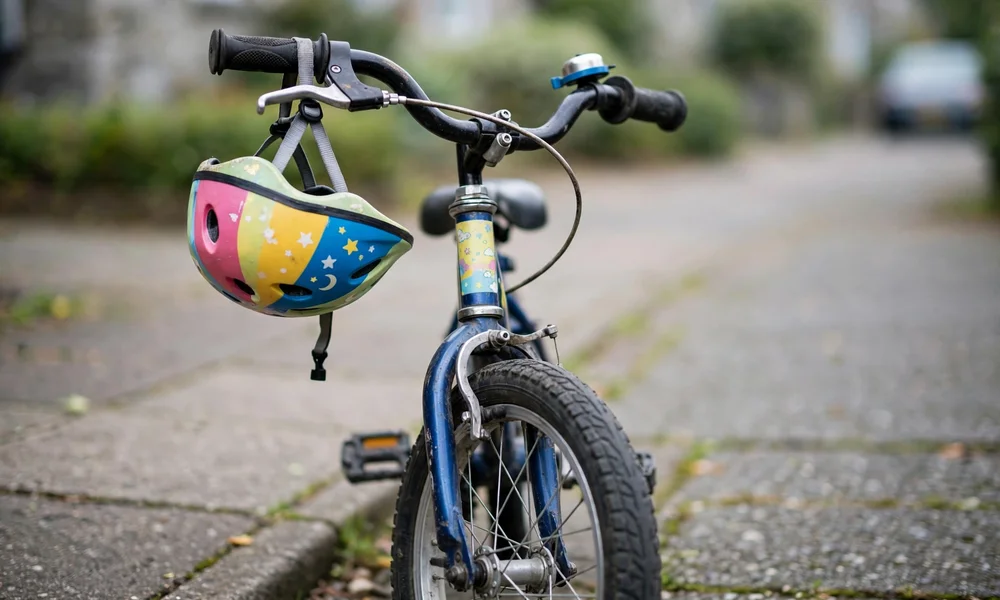
A good kids bike feels light in your hands and easy under your child. The steering turns smoothly, the brakes bite gently, and the saddle sits where your child can reach the ground without stretching. Nothing rattles, nothing drags, and the pedals turn freely.
It also feels right in size from the first ride. Your child should sit upright, reach the bars without leaning far forward, and see clearly ahead. If they look cramped, stretched, or nervous, the bike is the wrong size.
Finally, a good kids bike invites riding. Your child should want to wheel it out of the garage, not be talked into it. When the bike fits, the riding becomes the reward.
What to Check Before You Buy
Go over the practical points before buying. Measure your child’s height and inside leg, compare them with the maker’s size guide, and confirm the returns policy in case the fit is wrong. Check that the helmet you already own still fits.
Think about where the bike will be ridden and stored, and whether you need a lock or lights for darker evenings. If your child is moving towards adult-style riding, our guide to what a commuter bike is explains the style they may grow into.
Your Gift Checklist
- Measure your child’s height and inside leg before shopping.
- Match the wheel size to those measurements, not to age alone.
- Check your child can reach and squeeze both brake levers.
- Lift the bike: it should feel light enough for your child.
- Look through the whole write-up for your chosen bike first.
- Buy a helmet that fits well, and check lights and a lock.
- Confirm delivery dates and the returns policy before you pay.
Frequently Asked Questions
What size bike does my child need?
Size by height and inside leg, not by age. Your child should touch the ground with the balls of both feet while sitting on the saddle, reach the handlebars without stretching, and operate both brakes easily.
Should I buy a bike my child will grow into?
Buy the size that fits now, not the next size up. A bike that is too large is hard to steer and stop, and it can put your child off riding altogether.
Are stabilisers a good idea for a first bike?
Stabilisers can help a nervous child start pedalling, but they work best as a short step. A balance bike usually teaches balance faster. Remove the extra wheels as soon as your child is balancing well.
How heavy should a kids bike be?
As light as you can reasonably manage. A lighter bike is easier to start, steer, and stop, and it makes hills far less tiring. Avoid heavy frames and bulky accessories unless your child genuinely needs them.
When should my child move to a geared bike?
Move to gears when your child rides confidently, brakes well, and starts tackling hills or longer rides. A small range of gears is enough at first. If they are still wobbling, wait a little longer.
The Bottom Line
The best kids bikes in 2027 are the ones that fit your child now, feel light to ride, and match the places they actually cycle. Choose the pick that suits their stage, check the size carefully, and add a well-fitting helmet.
Safety note: always make sure your child wears a well-fitting helmet, rides a bike of the correct size, and is supervised by an adult, especially on roads and near traffic.