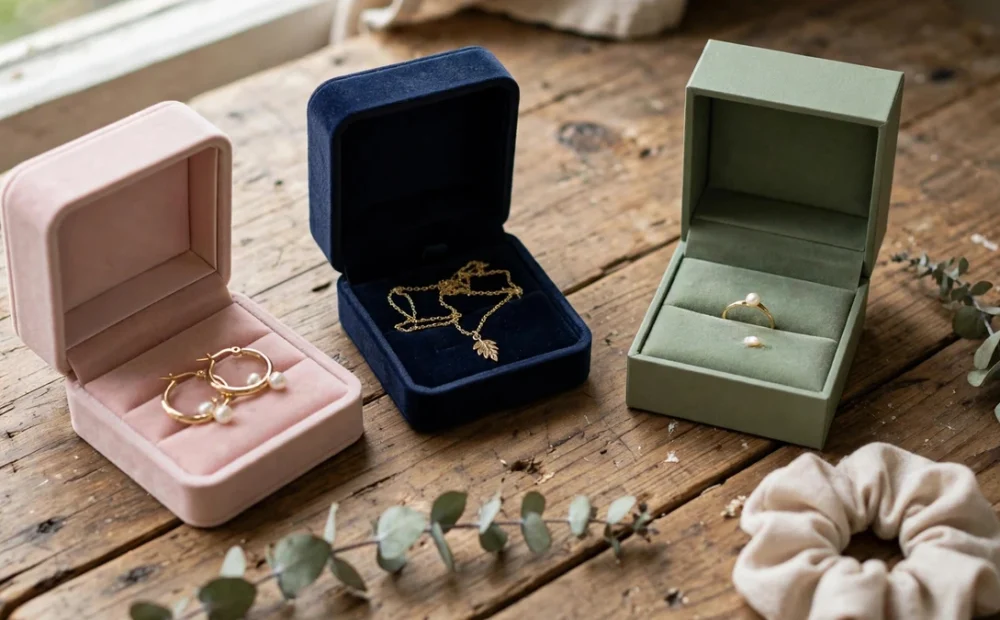
Pearl earrings are the quietest luxury in a jewellery box. A good pair simply makes the wearer look finished, whether the day involves a desk, a school run, a video call, or a dinner that was decided at the last minute. That is exactly why everyday pearl earrings are harder to choose than they look.
The problem is that most pearl earrings are sold as occasion pieces, large drops and statement clusters that look wonderful at a wedding and sit unworn for the other 364 days. An everyday pair must be light enough to forget, secure enough to survive a full day, and simple enough to match a grey jumper as easily as a black dress.
Below are nine pearl earrings that earn their place in a daily rotation in 2027, from a classic freshwater stud to a small gold huggie with a single pearl. Each one is described by what it does well, what to watch for, and who it suits best.
Key takeaways
- Everyday pearl earrings should be light, secure and simple: small to medium pearls, a comfortable post or hook, and a setting you can put on in seconds.
- Freshwater pearls offer the best value for daily wear, while Akoya pearls give a sharper lustre and a rounder shape at a higher price.
- Studs and huggies are the most practical everyday shapes, because they sit close to the ear and catch on nothing.
- Pearls are soft and porous, so keep them away from perfume, hairspray and harsh cleaners, and wipe them after wearing.
- No pearl earring is truly indestructible, and a pair that is worn every day will need its settings checked and its pearls cleaned more often than an occasion piece.
What makes a pearl earring work every day
An everyday pearl earring starts with the pearl itself. For daily wear, the two qualities that matter most are lustre and surface. Lustre is the sharp, mirror-like shine on the pearl, and it is what makes a small pearl look expensive rather than dull. Surface means how clean the pearl is: tiny blemishes are normal, but deep pits trap dirt and catch the light badly. A pearl with good lustre and a mostly clean surface will look good in a mirror at arm’s length, which is the distance most people actually see your earrings from.
Size is the second decision, and smaller is usually better for everyday wear. A pearl of 6 to 8 millimetres reads as classic and understated, suits most earlobes, and stays light. Pearls above 9 millimetres start to look like occasion jewellery, and they are heavier, which matters more than most people expect. A heavy earring pulls on the lobe all day and stretches the piercing over months.
The setting matters as much as the pearl. A post with a secure butterfly or screw back is the most reliable choice for a stud, because it cannot slide out. Hooks are comfortable for drops but should have a small silicone stopper if you move around a lot. Huggies, which clip close to the lobe, are practical because they have no dangling part to catch on a scarf or a phone call. Whatever the shape, choose a kind metal: solid gold, gold vermeil over sterling silver, or implant-grade titanium, since cheap plated bases often irritate sensitive skin.
How we chose these earrings and what to look for
Look first at the pearl type and the price it implies. Freshwater pearls are the workhorse of everyday pearl jewellery. They are grown in mussels, come in a wide range of shapes and colours, and offer strong lustre at a modest price, which means you can afford a well-made pair without worrying about wearing it daily. Akoya pearls are grown in saltwater oysters, are almost always round, and have a sharper, colder shine, but they cost more and their nacre is thinner, so they need slightly gentler handling.
Look next at the fit. Put the earring on and move your head, pull a jumper over it, and press a phone to your ear. An everyday pair should pass all three without pulling, snagging, or needing adjustment. Check the back too: a good butterfly back should grip firmly without pinching. If the earring comes with a silicone disc, use it, because it spreads the weight and keeps the stud sitting upright instead of drooping forward by mid-afternoon.
Finally, look at how the pair will age. Pearls are organic, which means they change with wear. They pick up oils, dull if stored in a dry airtight box, and scratch against harder jewellery. Our wider guide to the best pearl earrings covers the full range of styles, from classic studs to statement drops, and it is a useful next read if you want to compare everyday pairs against occasion pieces before you decide.
The 9 best pearl earrings for everyday 2027
The Classic Freshwater Pearl Stud
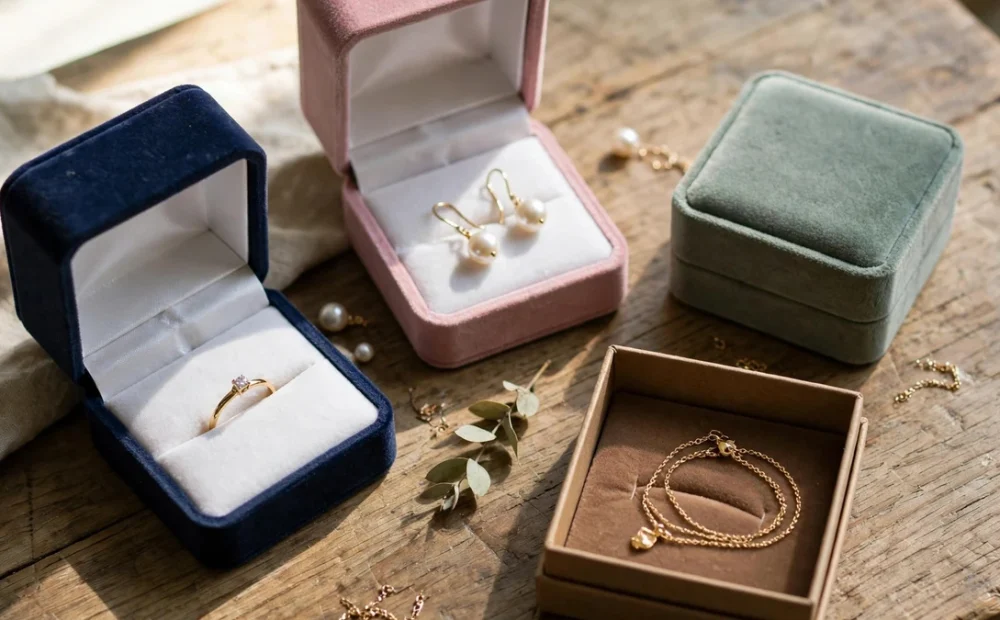
What we like: A round white freshwater pearl on a simple gold post, with good lustre, a clean surface, and a weight so light you forget it is there. What to consider: Freshwater pearls vary in roundness, so check that the pair matches, and avoid very cheap pairs with dull, chalky surfaces. Best for: First-time pearl buyers and anyone who wants one pair for everything. Material: Freshwater pearl, gold vermeil over sterling silver. Price range: Low to mid. Standout feature: The most versatile pearl earring ever made.
The Small Akoya Pearl Stud
What we like: A perfectly round Akoya pearl with a sharp, mirror-like lustre and a cool white tone that reads as polished and deliberate. What to consider: Higher price than freshwater, thinner nacre, so handle gently and store separately. Best for: Work and formal days when you want a sharper, more finished look. Material: Akoya pearl, 14k gold post. Price range: Mid to high. Standout feature: The brightest lustre of any everyday pearl.
The Pearl Drop on a Gold Hook
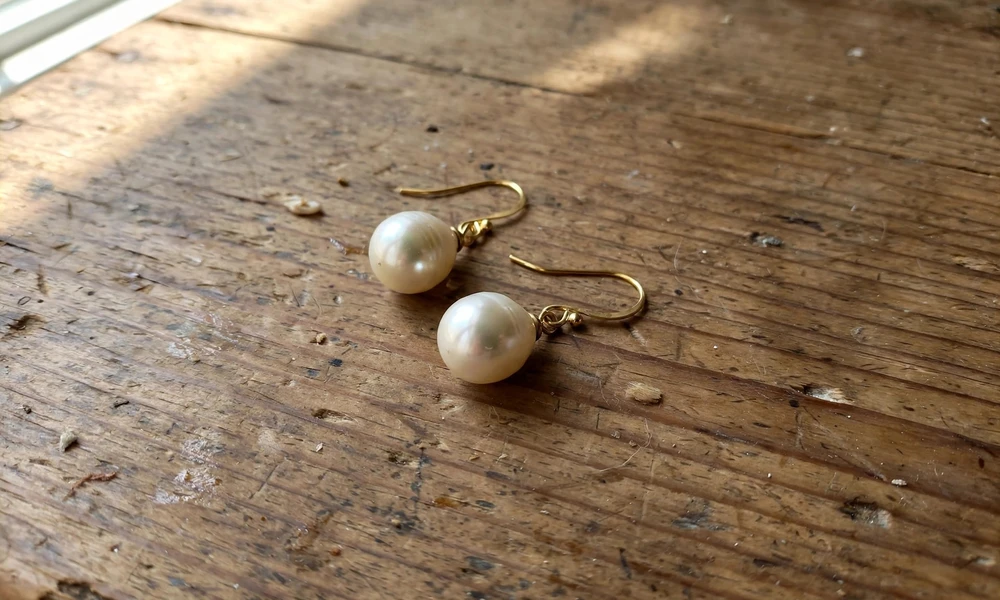
What we like: A single teardrop freshwater pearl hanging from a slim gold hook, with gentle movement and a soft, warm glow. What to consider: Hooks can swing and catch on scarves, so add a silicone stopper and keep the drop short, under 25 millimetres. Best for: Days when a stud feels too plain but a statement earring feels too much. Material: Freshwater drop pearl, solid gold hook. Price range: Mid. Standout feature: Movement that catches the light without shouting.
The Pearl Huggie Hoop
What we like: A small gold huggie hoop with a single pearl set on its front, sitting close to the lobe with nothing to catch or swing. What to consider: The hinge must close firmly, and the pearl should be small, 5 to 6 millimetres, so the hoop stays balanced. Best for: Active days, travel, and anyone who loses stud backs. Material: Freshwater pearl, 14k gold huggie. Price range: Mid. Standout feature: The most secure everyday pearl earring.
The Baroque Pearl Stud
What we like: A baroque freshwater pearl with an irregular, organic shape and a warm, satiny lustre, on a simple post that lets the pearl be the whole design. What to consider: No two baroque pearls match exactly, so buy a matched pair from a seller who pairs them by shape and tone. Best for: Anyone who finds perfectly round pearls too formal or too traditional. Material: Baroque freshwater pearl, gold vermeil post. Price range: Low to mid. Standout feature: A modern, relaxed take on a classic.
The Pearl and Diamond Halo Stud
What we like: A white freshwater or Akoya pearl surrounded by a ring of tiny pavé stones, giving a small pearl the presence of a larger one. What to consider: The pavé adds weight and cost, and the stones need occasional checking, so this is a pair to inspect every few months. Best for: Evenings, celebrations, and days when you want your earrings noticed. Material: Freshwater or Akoya pearl, pavé cubic zirconia or diamond, gold setting. Price range: Mid to high. Standout feature: Sparkle and softness in one small earring.
The Pearl Threader Earring
What we like: A fine gold chain threaded through the piercing with a small pearl at one end, giving a delicate line of gold and a single pearl that moves gently. What to consider: Threaders need a confident hand to put in, and the chain can tangle if it is stored loose, so keep them in a flat pouch. Best for: Minimal outfits and second piercings, where a threader adds detail without bulk. Material: Freshwater pearl, fine gold chain. Price range: Mid. Standout feature: The lightest, most delicate pearl earring here.
The Single Pearl Drop on a Chain
What we like: A small round pearl suspended from a fine chain drop, with a clean, modern line and a pearl that catches the light as you move. What to consider: The chain adds length, so keep the total drop under 30 millimetres, and check the link is strong enough for daily wear. Best for: Smart-casual days and outfits with a bare neckline. Material: Freshwater pearl, gold chain drop. Price range: Mid. Standout feature: A contemporary shape that still reads as classic pearl.
The Pearl Cluster Stud
What we like: Three small freshwater pearls clustered on one post, giving the look of a larger earring without the weight of a single large pearl. What to consider: The cluster must sit flat against the lobe, and the pearls should be well matched in tone, or the pair will look uneven. Best for: Anyone who wants more presence than a single stud without wearing a drop. Material: Three freshwater pearls, gold post. Price range: Low to mid. Standout feature: Big look, light feel.
Which pearl earrings are right for you
Start with your routine, not your jewellery box. If your days are mostly desk, calls and commuting, a stud or a huggie will serve you best, because they never need adjusting and never catch on a headset. If your days involve more dressing up, a short drop or a halo stud gives you presence without the commitment of a large statement earring.
Then consider your skin tone and hair. Cool white pearls with a pink overtone flatter cool skin, while warm, cream-toned pearls suit warm skin and look softer against gold. Dark hair makes white pearls stand out, while fair hair softens the contrast, so a slightly larger pearl helps the earring show. How freshwater and saltwater pearls compare is worth reading before you choose, because the two types differ in lustre, shape and price, and the right one depends on whether you value sharpness or value more.
Finally, think about your other jewellery. Pearls sit best with plain metals and quiet stones, so if you wear a gold watch and a thin gold chain, a gold-set pearl stud will feel coherent, while a silver setting will feel like a second story. If you wear silver most days, choose a silver or white-gold setting and a cool white pearl.
The caveats that matter
Pearls are the softest gem material used in everyday jewellery, and that is the fact that shapes every caveat. On the Mohs hardness scale they sit around 2.5 to 4.5, which means they can be scratched by a metal clasp, a zip, or another piece of jewellery in the same pouch. They are also porous, so perfume, hairspray, sweat and skin creams can dull their lustre over time. None of this means you should not wear pearls every day.
| Detail | What is known |
|---|---|
| Best everyday shapes | Studs and huggies sit close to the ear, catch on nothing, and stay comfortable all day |
| Best everyday size | 6 to 8 millimetres for studs; drops should stay under 30 millimetres in total length |
| Best value pearl | Freshwater pearls offer strong lustre at a modest price and suit daily wear |
| Sharpest lustre | Akoya pearls are rounder and brighter, but cost more and have thinner nacre |
| Hardness | Pearls rank about 2.5 to 4.5 on the Mohs scale, so they scratch easily and need separate storage |
| What dulls pearls | Perfume, hairspray, sweat, skin creams and harsh cleaners can all reduce lustre over time |
| When to check settings | Check posts, backs, hinges and claws every few months, and sooner if an earring feels loose |
| What they do not do | Pearls do not suit rough handling, swimming, or storage loose in a bag with metal jewellery |
If your skin is sensitive, the metal matters as much as the pearl. Nickel in cheap plated bases is the most common cause of sore, itchy lobes, and it often appears only after a few hours of wear, which makes it easy to blame the pearl. Solid gold, gold vermeil over sterling silver, and implant-grade titanium are the safest choices, and a pair that irritates should be set aside until you know which metal caused it.
Checklist: choosing pearl earrings for everyday wear
Use these checks before you buy, and again after a week of wearing.
- Check the size: 6 to 8 millimetres for a stud, and a total drop under 30 millimetres for anything that hangs.
- Check the weight: hold the pair in your palm, then wear one for ten minutes; it should feel like nothing.
- Check the back: a butterfly or screw back should grip firmly, and a huggie hinge should close with a clean click.
- Check the lustre: look for a sharp reflection on the pearl surface, not a dull or chalky finish.
- Check the match: the two pearls should be the same size, shape and tone when held side by side.
- Check the metal: choose solid gold, gold vermeil, or titanium if your skin is sensitive, and avoid unmarked plated bases.
Frequently asked questions
Can I wear pearl earrings every day?
Yes, if the pair is light, secure and well made. Studs and huggies are the easiest everyday shapes. Put pearls on last, after perfume and hairspray, take them off first, and wipe them with a soft cloth after wearing.
Are freshwater or Akoya pearls better for everyday wear?
Freshwater pearls are usually the better everyday choice, because they are more affordable, their nacre is thicker, and they are more forgiving of daily wear. Akoya pearls have a sharper lustre and a rounder shape, but they cost more and need gentler handling.
How do I clean pearl earrings?
Wipe them with a soft, damp cloth after wearing, then dry them before storing. Never use ultrasonic cleaners, steam, or harsh jewellery dips on pearls. Our guide to how to clean pearl jewellery explains the full routine, including what to do if a pearl has gone dull.
Do pearl earrings suit small earlobes?
Yes, and they often suit them best. A 6-millimetre stud looks balanced on a small lobe, while a large pearl can overwhelm it. A huggie or a small cluster is another good option, because it adds presence without size.
Can I wear pearl earrings with other jewellery?
Yes, as long as the metals match and the other pieces are quiet. A gold-set pearl stud works with a gold chain and a plain gold ring. Avoid wearing pearls loose in a bag with harder jewellery, because the pearls will scratch.
How long do everyday pearl earrings last?
With gentle care, a well-made pair can last for years of daily wear. The pearl itself will slowly lose some lustre, and the setting will need checking every few months, but a freshwater stud that is wiped after wearing and stored separately ages gracefully.
The bottom line
The best pearl earrings for everyday wear in 2027 are not the largest or the most expensive. They are the lightest, the most secure, and the simplest: a well-made freshwater or Akoya stud, a small huggie, or a short drop that you can put on in the morning and forget until bedtime. Choose 6 to 8 millimetres, choose a kind metal, and choose a shape that never needs adjusting.
Buy one pair you will wear five days a week rather than three pairs you wear once a year. Wear them last, take them off first, wipe them after wearing, and store them on their own. That small routine is what keeps a pearl looking like a pearl, and it is the difference between a pair that earns its place and a pair that stays in its box.