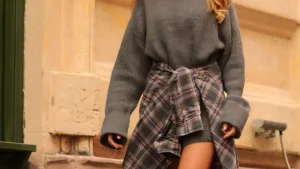
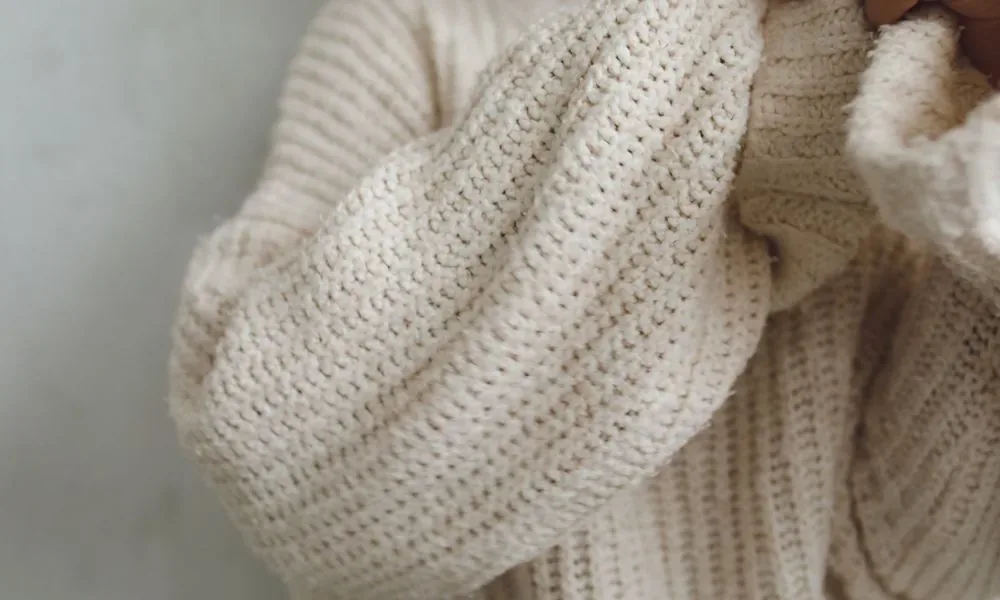
There is a particular comfort that only an oversized sweater can offer: soft, warm, forgiving, and instantly relaxing. It is the piece you reach for on a cold morning or a slow Sunday. Yet the same sweater can look shapeless the moment you step outside, as though the knit has swallowed the outfit whole. The difference is rarely the sweater itself; it is how the rest of the outfit is built around it.
Styling an oversized sweater is really a study in proportion. Volume on top needs calm and structure underneath, one defined point in the silhouette, and a deliberate finish that tells the world the looseness was a choice. A half tuck, a slim bottom, or a belt worn over the knit can change everything in under a minute.
This guide covers choosing a sweater that is oversized by design, the outfit formulas that work again and again, and the tucking and layering tricks that keep bulk under control.
Key takeaways
- Balance volume on top with something slimmer or more structured underneath, so the outfit has one clear shape.
- Choose a sweater designed to be oversized, with dropped shoulders and a hem that falls to the hip or just below.
- Use a half tuck or a slim belt to show where your waist is without losing the relaxed drape of the knit.
- Layer thin pieces underneath and one strong layer on top, rather than piling on bulky layers.
- Let one detail do the talking: the sweater, the boots, or one accessory, never all three at once.
Choose the Right Oversized Sweater First
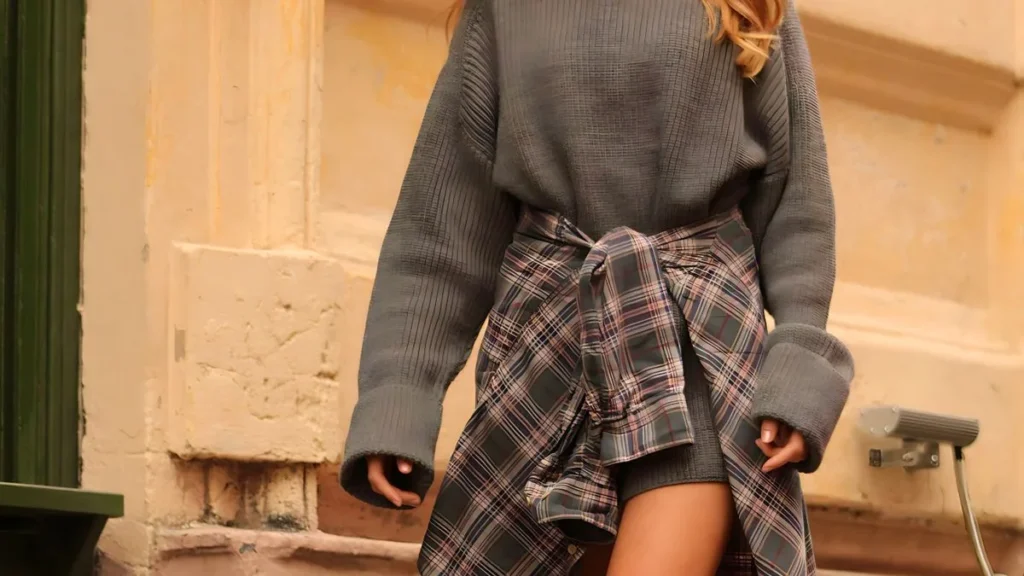
Before any styling begins, the sweater itself has to be right. A genuinely oversized sweater is cut that way on purpose: the shoulders drop a little past your natural shoulder line, the body is roomy without drowning you, and the sleeves cover your wrists without hiding your hands. If the hem falls to mid-thigh, treat it as a dress instead, with tights underneath and a belt for shape.
Pay attention to the knit as much as the cut. Chunky cable knits bring texture and presence, which makes them wonderful as the hero of an outfit but harder to tuck or layer under a fitted coat. Fine-gauge knits in merino or a soft cashmere blend are far more versatile: they drape rather than puff, slip under coats without bunching, and take a half tuck gracefully. One chunky statement sweater and one fine-gauge neutral cover most of the season. For a sense of what is current this winter, our round-up of the best sweater trends for winter 2027 is a useful starting point. Cream, oatmeal, grey, and camel are the easiest neutrals, while a deep burgundy or forest green works best when the rest of the outfit stays quiet.
The One Rule That Makes It Work
If you remember only one idea from this guide, make it this: keep one half of the outfit fitted. When the top is big and soft, the bottom should be slim and structured. That single rule rescues almost every oversized sweater outfit from looking shapeless.
Straight-leg jeans in a dark wash are the classic partner, because they balance the volume up top without competing with it. Slim black trousers do the same job in a slightly smarter register, which is handy when the day involves a meeting or a nice lunch. Leggings work too, provided they have enough structure to hold their shape. A slip skirt or a pleated midi skirt offers a softer kind of balance, especially with a front tuck that shows the waistband. Wide-leg trousers can work as well, but only when the sweater is on the shorter side or tucked at the front, so the waist stays visible and the two volumes do not merge into one long rectangle.
Footwear finishes the proportion. Tall boots give a long sweater a firm endpoint, which is why knee-high boots pair so well with sweater dresses and longer knits. Pointed-toe shoes add a sharp line that contrasts beautifully with soft knitwear, while trainers keep the whole look casual and grounded. What matters most is that the shoe has some presence; a flimsy, barely-there shoe can disappear under the weight of a chunky knit.
Seven Outfits That Always Work
Each formula below follows the same logic: balance the volume, define one point of the body, and let a single detail lead.
| Outfit | Sweater | Bottom | Shoes | Best for |
|---|---|---|---|---|
| Classic weekend | Cream chunky crew neck | Dark straight-leg jeans | White trainers | Errands, coffee, long walks |
| Smart casual | Grey fine-gauge turtleneck | Black slim trousers | Pointed ankle boots | Lunch, office days, appointments |
| Soft and feminine | Oatmeal oversized knit | Pleated midi skirt | Knee-high boots | Daytime events, dinners out |
| Edgy contrast | Black oversized turtleneck | Leather leggings | Chunky ankle boots | Evenings, city days |
| Tonal and calm | Camel V-neck knit | Cream wide-leg trousers | Loafers | Slow days, working from home |
| Evening ease | Burgundy cable knit | Sequin or satin midi skirt | Heeled boots | Parties, festive dinners |
| Sweater as a dress | Longline ribbed knit | Opaque tights | Tall boots | Cold days, travel |
Each row changes only one or two elements at a time: the sweater stays the hero, the bottom sets the proportion, and the shoes set the mood. When an outfit feels wrong, change the bottom first. The tonal outfit deserves a special mention: one colour family from top to bottom creates a long, calm line that makes the sweater look intentional.
How to Tuck, Belt and Layer Without Bulk
Tucking is the fastest way to give an oversized sweater shape, but thick knits do not behave like shirts, so the half tuck is the technique to learn. Tuck just the front centre of the sweater into your waistband, a few inches, and leave the sides and back loose. It takes five seconds, shows where your waist is, and breaks up the long block of knit. It works with jeans, trousers, and skirts alike.
For medium-weight knits, the twist-and-tuck is a useful variation: gather a small section of the hem, twist it, and tuck the fold in; the twist takes up volume so the result sits flatter. With very chunky knits, skip tucking and reach for a belt instead. A slim leather belt in dark brown or black, worn over the sweater at the waist, adds structure without bulk. Keep it slim: the sweater is already the statement, and a wide belt competes with it.
Layering follows the same logic of thin underneath and strong on top. A thin turtleneck adds warmth and frames the neckline, while a crisp white shirt collar peeking out turns the same sweater into something smarter. Push the sleeves up to the forearm to show your wrists. Coats need care too: choose one cut a size larger than usual, or with a straight, open shape, so the sleeves do not bunch at the armholes.
Colours and Textures That Flatter
Texture is the quiet superpower of knitwear. A cable knit, a ribbed knit, and a smooth fine-gauge knit can be the same colour and size, yet each reads completely differently. Chunky textures add visual weight, which is wonderful when the sweater is the focus, but they need calm partners: smooth denim, plain leather, a simple skirt. One texture leads; the rest support it.
Fabric quality is worth a moment of thought. Wool and wool blends hold their shape better than pure acrylic, which tends to stretch and pill. Cashmere feels lighter for its warmth, layers easily, and drapes beautifully when oversized. If you are considering an investment piece, our guide to the best cashmere sweaters for 2027 explains what to look for in fibre, fit, and finish. Whatever you buy, fold knits rather than hanging them; hanging stretches the shoulders, and an oversized sweater has enough weight to pull itself longer on a hanger.
From Day to Evening
One of the best things about an oversized sweater is how far it travels across a day. The same cream knit that works with jeans and trainers in the morning can go to dinner with a satin midi skirt and heeled boots; only the bottom half and the shoes change.
For a work setting, the trick is to borrow structure from the rest of the outfit. A fine-gauge oversized sweater in a neutral shade, half-tucked into tailored trousers, with pointed boots and a structured bag, reads as polished rather than casual. A crew neck layered over a collared shirt is another reliable office move. Our guide on how to style a crewneck covers this kind of layering in more detail. Evening is where the sweater earns its keep as a contrast piece: a soft, slouchy knit takes the edge off a sequin skirt or tailored leather trousers, and the mix of soft and sharp is what makes the outfit feel modern. Keep accessories minimal and let the texture contrast do the work.
Your Oversized Sweater Checklist
- Shoulders drop just past your natural shoulder line, and the hem falls to the hip or just below.
- One half of the outfit is fitted: slim bottoms, a defined waist, or a firm shoe.
- A half tuck or a slim belt shows where your waist is.
- Sleeves are pushed to the forearm so your wrists are visible.
- Only one texture or colour leads; everything else stays calm.
- The coat has room for the knit, or the knit is fine enough to layer smoothly.
Frequently Asked Questions
Can short women wear oversized sweaters?
Yes, and the trick is proportion rather than height. Choose a sweater that ends at the hip rather than mid-thigh, use a half tuck to show your waist, and pair it with slim bottoms and a pointed boot. Showing your wrists and ankles also helps.
What bottoms go best with an oversized sweater?
Slim or straight pieces are the safest partners: straight-leg jeans, slim trousers, structured leggings, or a midi skirt. Wide-leg trousers can work too, but only when the sweater is shorter or tucked at the front so your waist stays visible.
How do I tuck in an oversized sweater without bulk?
Use a half tuck: tuck only the front centre into your waistband, a few inches, and leave the rest loose. For medium-weight knits, twist a small section of the hem first so it sits flatter. With very chunky knits, skip tucking and wear a slim belt over the sweater instead.
Can I wear an oversized sweater to work?
Yes, provided the rest of the outfit brings structure. A fine-gauge oversized sweater in a neutral colour, half-tucked into tailored trousers with pointed boots and a structured bag, looks polished and professional. A collared shirt layered underneath adds sharpness.
What shoes should I wear with an oversized sweater?
It depends on the mood you want. Knee-high boots give long sweaters a firm endpoint. Pointed ankle boots add a sharp line that contrasts with soft knitwear. Trainers keep the look casual, while loafers suit a tonal, quiet outfit. The common thread is that the shoe should have some presence, so it does not disappear under a chunky knit.
How do I stop an oversized sweater looking shapeless?
Define one point of the body and keep one half of the outfit fitted. A half tuck or a slim belt shows your waist, slim bottoms balance the volume, and visible wrists and ankles anchor the silhouette. Never pair an oversized sweater with oversized bottoms and an oversized coat at once; one voluminous piece per outfit keeps the look deliberate.
The bottom line
An oversized sweater is one of the easiest pieces in a wardrobe to love and one of the easiest to get wrong, and the gap between the two is smaller than it looks. It comes down to proportion: a sweater designed to be oversized, a slimmer bottom, one defined point in the silhouette, and a single detail that leads. Learn the half tuck, keep your layers thin underneath, and let the texture of the knit do the talking.
Start with the sweaters you already own. Try each one with dark straight-leg jeans and a half tuck, then with a midi skirt and tall boots, and notice which pairing makes you stand a little straighter. That is your formula. The oversized sweater is not a piece to hide in; worn with intention, it is one of the most flattering shapes in modern dressing.
Note: Fit is personal, and the best test is always your own mirror. If a combination feels heavy or shapeless when you wear it, change the bottom first before deciding the sweater is the problem.