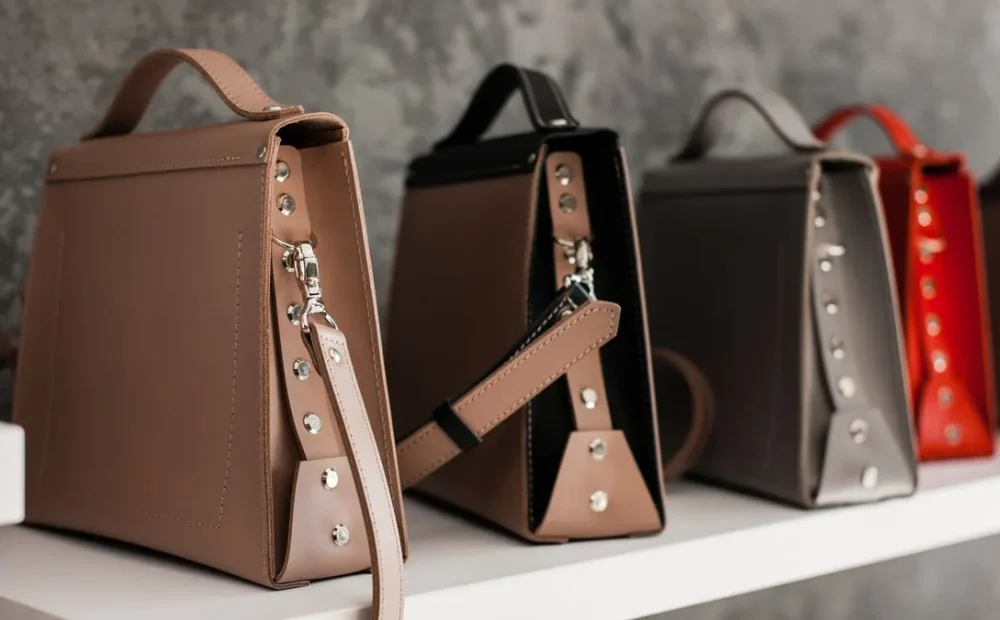
Buying your first designer handbag is exciting, and a little nerve-wracking. It is a significant amount of money for one accessory, and the bag will travel with you to work and celebrations, quietly saying something about your taste. No wonder many first-time buyers spend weeks weighing up options before they commit.
A first designer bag does not need to be the most expensive or most famous one. The best first purchase fits your daily life, suits the way you dress, and still feels right five years from now.
This guide covers the whole decision: what you need, a budget you can live with, the shapes and materials that last longest, how to spot a copy, and where it is safest to buy.
Key takeaways
- Choose for your real daily life first — size, weight, and carry style matter more than the logo.
- Set a firm budget before you fall in love with a style.
- Classic shapes and neutral colours last longest; leave trends for a second purchase.
- Check stitching, hardware, lining, and paperwork — small details reveal fakes.
- Buy from a boutique, an authorised retailer, or an authenticated resale platform, and keep every receipt.
Start With Your Life, Not the Logo
The most common mistake is choosing a bag for its name rather than its job. A beautiful top-handle bag is a poor companion if you commute with a laptop and a water bottle. A tiny evening bag is no use if you carry a tablet to meetings. Before you look at a single style, notice what you actually carry and how you carry it.
Empty your current bag and sort the contents into essentials and nice-to-haves. Do you need room for a laptop, or just a phone, wallet, and keys? Do you prefer your hands free, which points to a crossbody, or carrying a bag in your hand? The answers narrow the field and protect you from buying a bag that lives on a shelf.
Look at your wardrobe, too. If your closet is full of black, navy, camel, and grey, a black or tan bag will work with almost everything you own. And mind the weight: a large structured leather tote can feel heavy before you fill it, so try the bag on with your essentials inside and walk around before deciding.
Set a Budget You Can Actually Live With
Designer handbags span an enormous price range: entry-level pieces often start in the mid-hundreds, mid-range icons sit in the low thousands, and the most celebrated styles cost several thousand more. Knowing your ceiling before you shop keeps the experience enjoyable.

Treat the bag as a planned purchase. Decide on a maximum figure, then allow a little extra for care products. If the bag you want sits above your ceiling, waiting and saving beats stretching your finances or settling for a cheaper bag you do not love. Some classic designs also hold much of their retail value, while trend-led pieces lose value faster. Resale value should never be the only reason to buy, but it is a useful tie-breaker, and our guide to the best investment bags for 2027 looks at the styles that tend to hold their appeal year after year.
Know the Classic Shapes Before You Choose
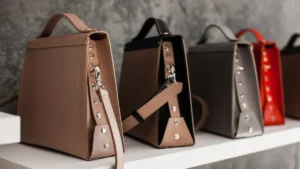
Handbags come in a handful of classic shapes. The tote is the workhorse: open-topped and spacious, ideal for work or travel, though less secure in a crowd. The shoulder bag sits under the arm and works for office and evening. The crossbody keeps your hands free and your belongings close, a favourite for travel and busy days.
The satchel and top-handle bring structure and polish, looking smart with tailored clothing. The flap bag moves easily from day to evening and is one of the most enduring silhouettes in luxury fashion. The clutch and mini bag are evening specialists — elegant, but only practical when you travel light. For a first purchase, a medium shoulder bag or structured tote is usually the most forgiving choice, and our round-up of the best handbag trends for 2027 shows which silhouettes are current and which are simply timeless.
Leather, Canvas, and Hardware: What Quality Feels Like
The difference between a designer bag and a high-street lookalike is most obvious in the materials. Full-grain and top-grain leather are the most durable choices; they develop a soft patina and resist scuffs far better than bonded or heavily corrected leather, which can peel or crack. Good leather feels supple and even, with a natural grain rather than a plastic-like surface.
Coated canvas is another excellent option: lighter than leather, resistant to rain, and often more affordable — a practical first purchase for daily use. Suede looks beautiful but stains easily, so it suits a second bag better. Hardware deserves the same attention: zips, clasps, and chains on a genuine bag are solid, weighty metal that operate smoothly. Light, hollow-feeling metal that scratches easily is a warning sign.
Stitching is one of the most reliable quality clues. On a well-made bag, stitches are even, tight, and consistent, usually around eight to twelve per inch, with thread matching the leather. Check stress points — where handles meet the body, around zips, and along the base. Loose threads, skipped stitches, or wavering seams suggest rushed work and are reason enough to choose another piece.
New, Pre-Owned, or Vintage: Which Route Suits You?
Buying new from a boutique or an authorised retailer is the simplest route. You get the packaging, documentation, aftercare, and complete confidence the bag is authentic. You also pay full retail, and some sought-after styles come with waiting lists. For many first-time buyers, the reassurance is worth the premium.
Pre-owned opens up the most choice: discontinued colours and styles, a meaningful saving against retail, and sometimes a bag otherwise hard to obtain. The trade-off is that you must be certain about authenticity and condition. Buy only from established resale platforms that authenticate every item, provide condition reports, and offer returns. Ask for clear photographs of the corners, handles, hardware, lining, date code, and any scuffs before you commit.
Vintage, typically at least twenty years old, is a wonderful way to own a piece of fashion history at a more accessible price. Condition varies widely, though, and older bags may need professional restoration, so factor that cost in and buy from a dealer who specialises in vintage. For a first purchase, a lightly used pre-owned bag in excellent condition is often the sweet spot between price and peace of mind.
How to Check Authenticity Before You Pay
Counterfeits have become increasingly sophisticated, but genuine craftsmanship leaves clues that are hard to fake. A real designer bag feels balanced, smells faintly of leather rather than chemicals or plastic, and has no loose threads, glue marks, or uneven edges. If something feels off, trust that instinct and walk away.
Examine the logo and engraving closely. On an authentic bag, lettering is crisp, evenly spaced, and correctly spelled, and engraving on hardware is clean and deep rather than shallow or blurry. Check the date code or serial number matches what is known for that brand and era. Insist on the full set of accompanying items — dust bag, authenticity card, receipt, and box where applicable. A seller with no proof of purchase, or a price far below market value, should raise questions. If unsure, an independent authentication service can examine the bag before you pay; the small fee is sensible insurance.
| Budget band | What it usually buys | Best for | Watch out for |
|---|---|---|---|
| Under $500 | Small leather goods | A first taste of designer quality | Small sizes, limited choice |
| $500–$1,000 | Entry-level designer bags | An everyday first bag | Shapes that date quickly |
| $1,000–$2,000 | Mid-range icons | A versatile, long-term piece | Paying extra for seasonal colours |
| $2,000–$3,500 | Established leather classics | A signature bag for years | Heavier styles |
| $3,500–$6,000 | Iconic flap bags | A milestone purchase | Waiting lists |
| $6,000 and above | Rare leathers, coveted designs | Collectors and special occasions | High repair costs |
| Pre-owned or vintage | Discontinued styles | Value and wider choice | Authenticity checks |
Where to Buy Safely in 2027
The safest place to buy is the brand’s own boutique or official website, followed by authorised department stores. They guarantee authenticity, offer proper aftercare, and help with repairs over the life of the bag. Genuine designer bags are rarely discounted, so a steep discount from an unfamiliar seller is a red flag, not a bargain.
Reputable resale platforms authenticate every bag before listing, photograph it thoroughly, and describe its condition honestly. Look for in-house authentication, clear returns, and years of trading history. Private sellers on social marketplaces can offer tempting prices, but they carry the highest risk, so avoid them for a first purchase. Wherever you buy, keep everything: receipt, authenticity card, dust bag, and box.
Your First-Bag Checklist
- List your daily essentials and measure the largest item first.
- Fix a maximum budget, including a small allowance for care.
- Try the bag on with your essentials inside, and walk around with it.
- Inspect stitching, hardware weight, lining, and logo engraving closely.
- Check the date code or serial number against the brand’s known format.
- Buy from a trusted seller, and keep all documentation.
Caring for Your Bag So It Lasts
A designer handbag rewards a little care. Store it in its dust bag, stuffed lightly with tissue so it keeps its shape, away from sunlight and damp. Do not hang it by its handles, which stretches the straps. Wipe smooth leather with a soft, dry cloth, and condition it a few times a year. Leave water marks and ink on light colours to a professional restorer. Before you choose a house, it is worth reading about the best luxury fashion brands for 2027 and the aftercare each one offers, since repair and servicing policies vary.
Frequently Asked Questions
How much should I spend on my first designer handbag?
Most first-time buyers spend between the mid-hundreds and the low thousands. Choose a figure you can afford without strain — a bag you love at a lower price beats one you resent at a higher price.
Which designer bag is best for everyday use?
A medium shoulder bag or structured tote in a neutral colour is usually the best everyday choice. Both carry daily essentials comfortably and work with most outfits. Coated canvas and grained leather resist scuffs and weather better than smooth leather or suede.
Is it better to buy new or pre-owned?
Buying new gives you confidence, full documentation, and aftercare, but you pay full retail. Buying pre-owned can save a meaningful amount and opens up discontinued styles, if you buy from a platform that authenticates every item and offers returns. Either route works — the key is a trusted seller.
How can I tell if a designer handbag is real?
Look at the details: even, tight stitching; solid, weighty hardware with crisp engraving; neat lining; and a correctly formatted date code. Check the logo lettering is sharp and correctly spelled. If anything feels inconsistent, or the price is far below market value, seek an independent authentication before you pay.
Do designer handbags hold their value?
Some do, some do not. Classic designs in neutral colours from established houses tend to retain more of their retail value, while trend-led pieces lose value faster. Buy a bag you will enjoy carrying first, and treat resale value as a bonus, not a guarantee.
What colour should my first designer bag be?
Black is the most versatile choice; tan, cognac, and taupe are softer neutrals that pair well with light, warm-toned outfits. Choose the neutral that appears most in your wardrobe. A bold colour is a wonderful second bag, but a neutral first bag will simply be carried far more often.
The bottom line
A first designer handbag is a purchase to enjoy, not to rush. Start with your daily life and wardrobe, set a budget you can live with, and choose a classic shape in a versatile colour and a durable material. Check the details, buy from a seller you trust, and keep every piece of documentation.
There is no single perfect first bag, and that is the point. The right choice is personal: it reflects how you live, how you dress, and what you value. Take your time, try bags on in person where you can, and let the decision settle before you commit.
Note: Price bands here are broad, general indications based on typical retail and resale ranges, and they can change. Always confirm the current price with the seller before you buy.