A Chanel bag in your closet could pay for your next vacation, and the Hermès you’ve been eyeing could cost 40 percent less than retail. That is the basic promise of luxury consignment, a market that has turned closets into portfolios. The model carries real trade-offs: payouts arrive slowly, commissions cut deep, and fakes circulate widely enough that authentication is mandatory. This guide explains how consignment works on both sides of the counter, from what to consign and how pricing is set to what buyers should inspect before paying. It also covers the mistakes that cost sellers money and the red flags that separate a professional operation from a risky one. (Candles that look like food know before you buy or burn)
What luxury consignment actually means
In a consignment arrangement, the seller keeps ownership of the item until it sells. The shop or platform handles authentication, photography, pricing, marketing, and the buyer conversation. When the sale completes, the seller receives an agreed share of the final price. That structure is different from a buyout, where the store pays immediately at a lower figure and takes on both the wait and the risk. Both models have their place. Consignment suits branded pieces that take time to find the right buyer, while a buyout makes sense when cash speed matters more than the final number.
The commission split is the heart of the deal. Consignment stores typically pay sellers 50 to 70 percent of the final sale price, with the exact figure depending on the brand, the item’s condition, and how much work the store does to move it. A 40/60 split in the store’s favor is not unusual for lower-demand pieces. That gap between 40 and 70 percent is where most seller disappointment begins, so it pays to read the contract before handing anything over.
How the consignment process works from intake to payout
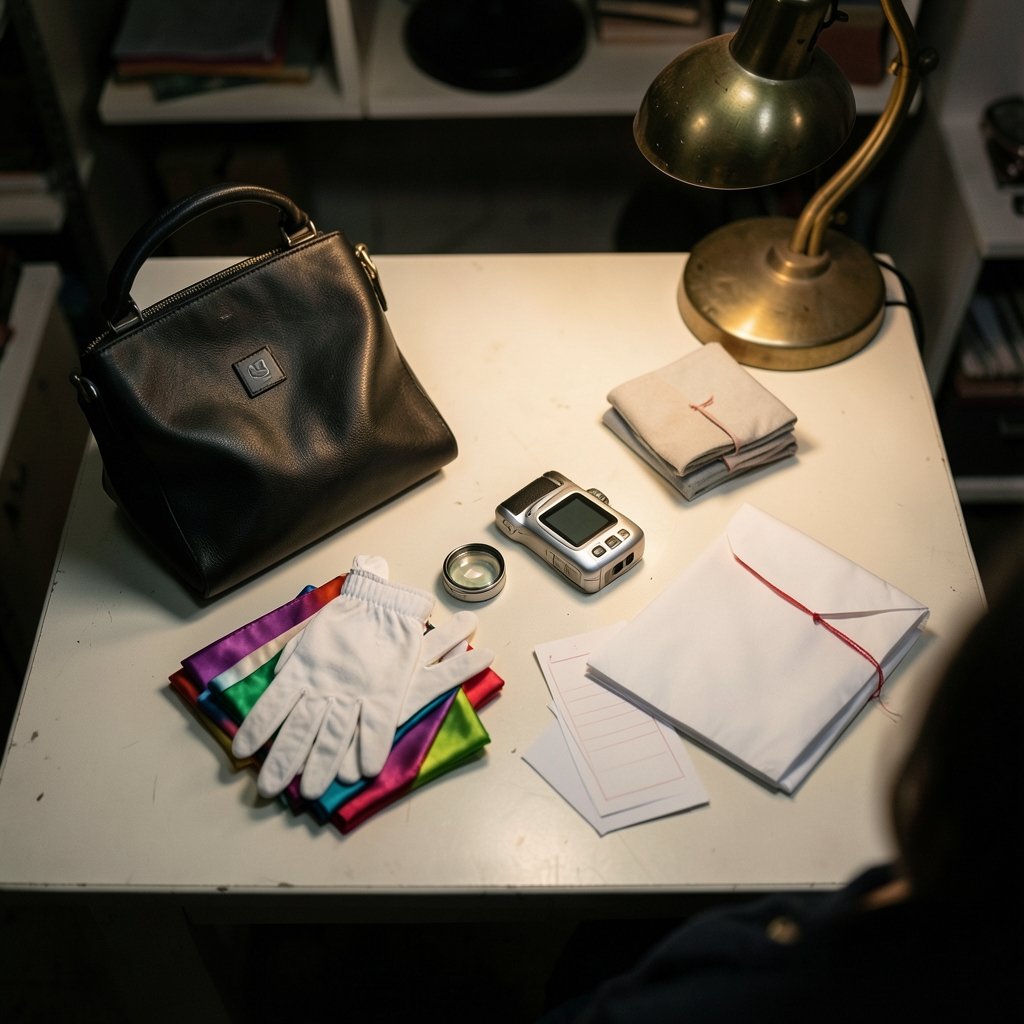
The best-run consignment shops follow a predictable sequence. Here is what sellers should expect at each stage.
- Submission and screening. The seller sends photos or brings items in. The shop reviews brand, condition, and demand. Expect rejections; experienced buyers can flip through a stack of clothing in under a minute.
- Authentication. Trained authenticators inspect stitching, hardware, date codes, and materials. Some platforms now attach NFC-enabled tags to verified handbags.
- Pricing. The shop sets a price based on condition, rarity, and current demand. Same brand, same year, same size does not mean same price.
- Photography and listing. The store photographs, writes the listing, and markets the piece across its channels.
- Sale and buyer handling. The shop manages questions, viewings, and returns.
- Payout. The seller receives their share after the sale completes, often on a fixed payment schedule.
That last stage is where patience gets tested. Consignment is a slow burn rather than fast cash. A pair of designer jeans that might fetch $18 on the spot at a buyout counter can return $72 through consignment three weeks later. The math favors consignment, but only for sellers who can wait.
What to consign and what to skip
Not every designer item deserves a consignment slot. The pieces that perform best share three traits: strong brand recognition, good condition, and genuine scarcity. Hermès bags trace their design roots directly to equestrian equipment, and that heritage helps them hold value better than almost any other luxury category. Chanel handbags bought years ago have repeatedly proven resellable at figures their owners did not expect. Louis Vuitton, Gucci, and Balenciaga also move steadily, particularly on platforms with wide reach.
Condition matters more than most sellers assume. A bag with worn corners or a missing dust bag will sit for months or get rejected outright. Practical steps that actually work: keep boxes, dust bags, receipts, and authenticity cards; store bags stuffed and upright to hold their shape; avoid storing leather in humid spaces; and clean items before submission. Skipping that prep is one of the most common mistakes, and it directly lowers the offer. (How to Clean a Whiteboard: Restore It Like New in 2026)
Some categories are harder. Very small sizes, heavily altered garments, and pieces from diffusion lines often underperform. So do items with visible repairs. If a piece needs work, disclose it. Undisclosed flaws get caught during authentication and can void the consignment agreement.
How pricing and payouts really work
Pricing is a negotiation between what the item is worth and what a buyer will actually pay this month. Consignment shops price to sell, not to flatter. A piece priced too high sits, ages, and eventually gets marked down, which hurts the seller twice. Sellers who want a sanity check should look at completed sales for the same model and condition, not asking prices.
| Factor | Raises payout | Lowers payout |
|---|---|---|
| Brand demand | Hermès, Chanel, Louis Vuitton | Obscure or diffusion labels |
| Condition | Like-new, full set | Visible wear, missing parts |
| Rarity | Limited editions, discontinued colors | Widely available basics |
| Speed needed | Can wait for the right buyer | Needs cash now (buyout) |
Payout timing varies by shop. Some pay on a fixed monthly cycle, others after a set holding period to cover returns. Ask three questions before signing: What is the commission percentage? When exactly do I get paid? And what happens if the item does not sell within the agreed term? A reputable shop will answer all three without flinching.
The buyer’s side: how to shop consignment without getting burned
Buyers come to consignment for savings of up to 80 percent off retail, and for access to discontinued pieces that never appear in boutiques. The trade-off is that the buyer carries the authentication risk unless the platform does it for them. That is why the store matters as much as the item.
Start with the platform’s authentication promise. Some marketplaces run physical, multi-point inspections by trained authenticators and ship with signature-required delivery. Others rely on seller-supplied certificates of authenticity, which are only as good as the seller. Look for lifetime authenticity guarantees and clear money-back policies. If a listing has no return window and no authentication statement, treat it as a gamble.
Then inspect the listing like a skeptic. Check the interior label, the hardware engraving, the stitching density, and the date code or serial. Ask for extra photos of corners, handles, and the base. A seller who resists close-ups is telling you something.
It also helps to know what you are buying into. Pre-owned luxury resale platforms have matured into serious businesses, and understanding how they source and verify inventory changes how you shop. The same skepticism applies to adjacent categories where authenticity and safety overlap; even novelty items like candles shaped like food carry burn and labeling risks worth checking before purchase. Fashionphile is one example of a pre-owned luxury reseller that has built its model around this trust gap, and it is worth understanding how such resellers actually work before committing to a high-value purchase. (Best pizza near me judge local pizzerias like pro)
Authentication, contracts, and the fine print
Authentication is the single most important protection on both sides. Sellers benefit because verified items command higher prices and sell faster. Buyers benefit because a verified item is far less likely to be a counterfeit. Some platforms now issue certificates of authenticity and attach physical tags to authenticated pieces, which also helps if the item is resold later.
The contract deserves equal attention. Watch for these clauses:
- Commission tiers that change based on sale price.
- Markdown authority allowing the shop to discount without asking.
- Insurance and loss terms covering theft or damage while in the store’s possession.
- Unsold item handling, including storage fees or automatic donation.
- Exclusivity periods that prevent you from listing elsewhere.
A fair contract states all five plainly. Vague language about “market adjustments” is a warning sign. So is any shop that will not put the commission percentage in writing.
Common mistakes that cost sellers money
The same errors show up again and again. Sellers overestimate condition, skip cleaning, and expect retail-level payouts on used goods. They consign a single low-value item, which many shops will not accept because the paperwork costs more than the commission. They also ignore timing. Luxury demand shifts with seasons and trends, and a piece consigned at the wrong moment can miss its best price window.
Another frequent misstep is choosing a shop purely on commission percentage. A 60 percent split at a shop with no audience is worth less than a 50 percent split at one that sells quickly. Traffic and reputation beat headline rates. Sellers should also keep their own records: photos, the signed agreement, and the intake receipt. If a dispute arises, documentation wins.
On the buying side, the classic mistake is buying on emotion. A rare color or a discontinued style can push a buyer past their budget and past their due diligence. Slow down, verify, and remember that consignment inventory is not going anywhere in a hurry.
Why the resale market keeps growing
The secondhand luxury market is forecast to reach 68 billion dollars by 2028, and the growth is not hard to explain. Prices at retail keep climbing, sustainability concerns push shoppers toward circular fashion, and platforms have made authenticated resale feel normal rather than risky. Sellers get liquidity from items they no longer wear. Buyers get access they could not otherwise afford. The shops in the middle earn a commission for solving trust.
That growth also raises the stakes. More inventory means more counterfeit risk, more competition on price, and more pressure on sellers to present items well. The professionals who thrive treat consignment as a partnership rather than a transaction. They build relationships with a trusted shop, keep their paperwork, and price realistically.
Conclusion
Luxury consignment rewards preparation and punishes shortcuts. Sellers who clean their items, keep the full set, read the contract, and accept that payouts take time consistently earn more than those chasing fast cash. Buyers who verify authentication, ask for detailed photos, and shop platforms with real guarantees get designer pieces at a fraction of retail without the anxiety. The model works because both sides gain something: liquidity for the seller, access for the buyer, and a commission for the shop that manages the risk. Treat it like the business it is, and the closet becomes an asset rather than a storage problem.
FAQ
How much do consignment shops pay sellers?
Most pay 50 to 70 percent of the final sale price, depending on brand, condition, and how much work the shop does. Lower-demand pieces may drop to a 40 percent share. Always confirm the exact percentage in writing before signing.
What is the difference between consignment and a buyout?
With consignment, the seller keeps ownership until the item sells and receives a larger share later. With a buyout, the store pays immediately at a lower figure and takes on the wait and risk. Consignment pays more over time; buyouts pay faster.
How long does it take to get paid?
It varies by shop. Some pay on a fixed monthly cycle, others after a holding period that covers buyer returns. Ask about the payout schedule and what happens to unsold items before you hand anything over.
Is it safe to buy pre-owned luxury online?
It can be, if the platform authenticates items itself. Look for physical multi-point inspections, lifetime authenticity guarantees, and clear return policies. Avoid listings with no authentication statement and no return window.
What items should I not consign?
Skip heavily worn pieces, altered garments, diffusion-line labels, and items missing key parts like dust bags or authenticity cards. Many shops reject them outright, and the ones that accept them price them low.
How can I tell if a consignment shop is reputable?
Check how long it has operated, whether it authenticates in-house, whether it puts commission terms in writing, and whether it carries insurance for items in its possession. A shop that answers these questions clearly is usually a safe partner.