


What if the most expensive serum in your cabinet is why your skin feels tight, hot, and flaky by mid-afternoon? That question drives the luxury barrier repair discussion, and more shoppers are asking it as high-end brands move from “more actives” to “fewer insults.” The shift is real: prestige houses now sell three-step barrier collections, six-product barrier systems, and curated “calming repair” edits priced well above a standard moisturizer. The pitch is the same across the board. Stop stripping the skin, start rebuilding it, and let the results compound. (Roof Repair: What Fixes a Leak & What Wastes Money)
Here is what a genuinely luxurious barrier routine looks like, why it works, and where money gets wasted.
What the Skin Barrier Actually Does
The outermost layer of skin works like a gatekeeper. It keeps water in and irritants out. When it is healthy, skin looks balanced, calm, and radiant. When it is compromised, the same skin turns dry, sensitive, red, and prone to breakouts. That framing comes straight from the clinical side of the industry, and it explains why barrier language has taken over luxury marketing. (Find best foundation your skin finish routine)
A functioning barrier is the foundation of every result. That line, used by one prestige barrier system, is the entire argument in seven words. Pigment routines, retinol programs, and glow treatments all depend on a barrier that can hold hydration and recover from exposure. Without that base, actives become a tax on the skin rather than an investment.
The barrier gets damaged in predictable ways. Over-exfoliation, harsh cleansers, excessive active ingredients, dry climates, travel, UV exposure, and simply aging all chip away at it. The signs are equally predictable: tightness, stinging, visible redness, warmth, flaking, and that strange combination of dry and dehydrated at the same time.
Why “Luxury” Changes the Math
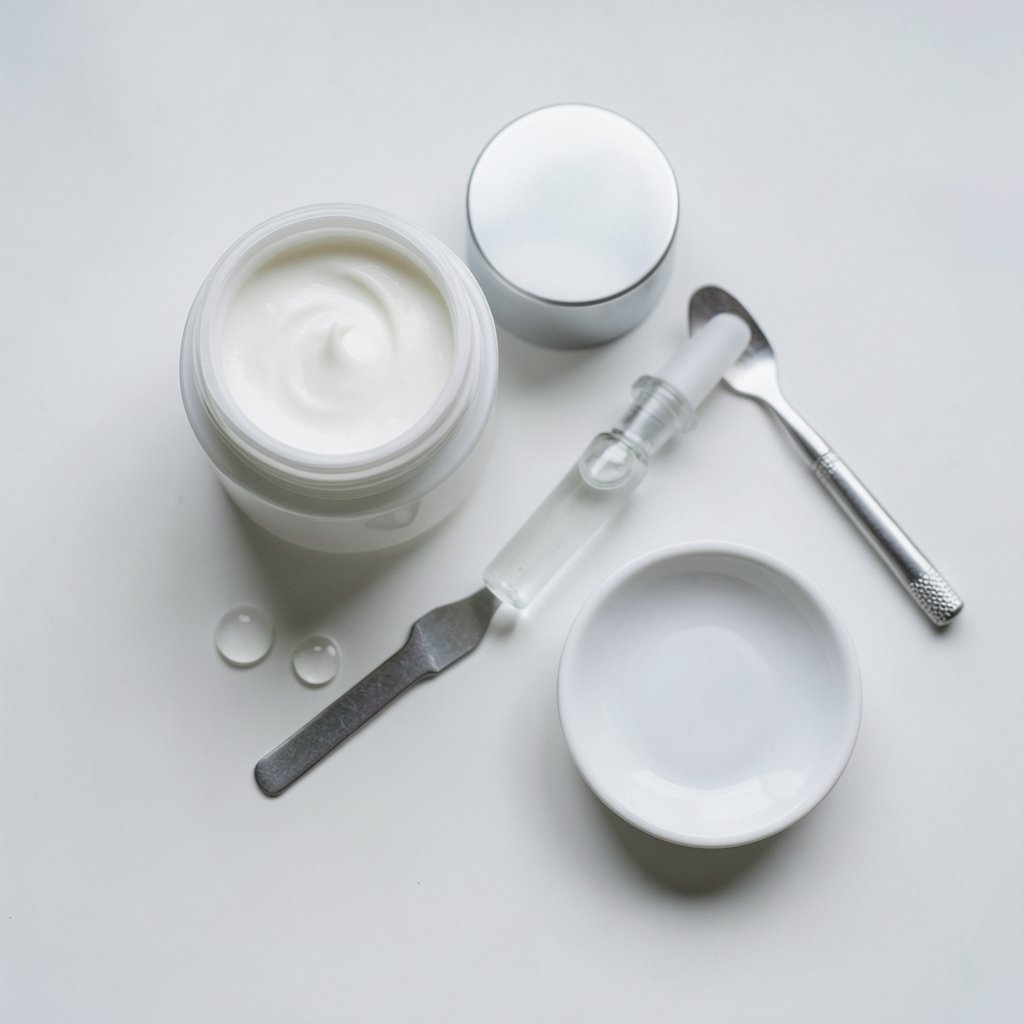
A drugstore barrier cream can work. So why spend more? Three honest reasons.
First, formulation quality. Ceramides, cholesterol, and fatty acids need to sit in a vehicle that delivers them without a greasy film or a cocktail of irritants. Prestige formulas often invest in texture and delivery, which matters if you will actually wear the product twice a day for eight weeks.
Second, ritual compliance. Barrier repair is a consistency game. A routine that feels good gets used. A routine that pills under makeup gets abandoned by Thursday.
Third, the category has genuinely matured. La Prairie launched a dedicated skin barrier repair collection built around an essence, a serum, and a cream, with instrumental testing on 40 panellists and a four-day repair kinetic measurement after epidermal damage over an eight-week treatment period. Whether or not you buy it, that level of testing language signals where the category is heading.
The catch: luxury pricing does not guarantee barrier safety. Plenty of expensive products contain fragrance, volatile plant oils, or high-percentage acids that undermine the very thing you are trying to fix. Price is not a proxy for tolerance.
Step One: Cleanse Without Stripping
Barrier repair starts before repair. It starts with what you stop taking away.
Overwashing is a leading cause of a compromised barrier, and not every cleanser works. The right pick is a moisturizing, lipid-friendly formula that removes makeup and sunscreen without leaving skin squeaky. Squeaky is a warning sign, not a success metric.
In practice, this means a gentle cream or oil cleanser in the evening, and often just a rinse or a very mild cleanse in the morning. If your skin stings when you apply your first product, the cleanser is a prime suspect. One luxury system frames cleansing as the first line of defense, which is the correct mental model: the barrier begins at the sink.
A common mistake is double-cleansing with two foaming formulas. That is a stripping routine wearing a luxury label. If you like the two-step cleanse, make the second step milky and low-foam.
Step Two: Hydrate and Replenish
Hydration in barrier care requires water plus the lipids that hold it. Humectants pull moisture in; ceramides, cholesterol, and fatty acids keep it from evaporating.
Look for skin-identical ceramides, specifically the AP, EOP, and NP types, alongside cholesterol and fermented botanicals. That combination appears in prestige barrier creams designed to replenish the skin’s own lipids and reinforce the moisture barrier. Sodium hyaluronate, trehalose, and glycerin handle the water side. Panthenol and madecassoside calm the visible reactivity.
This is also where the ingredient conversation gets practical. If your skin feels dry and dehydrated simultaneously, you need both water-binding and lipid-replenishing layers, not more of one. A hydrating essence followed by a ceramide cream does more than a single rich moisturizer for most compromised skin.
For readers building the hydration layer from scratch, this guide to foods that help reduce dry skin and support a softer, stronger barrier pairs well with topical work.
Step Three: Seal and Protect
The final step does two jobs: it locks in what you applied and it defends against what comes next.
Morning protection means sunscreen, full stop. UV exposure is on the list of things that affect whether the barrier can hold hydration and recover, and no serum outranks daily SPF. A barrier-friendly SPF is one that does not sting on application and does not leave skin tight by lunch.
Evening sealing means an occlusive-leaning cream or balm. One low-stress winter routine pairs a non-stripping cleanse with soothing hydration, a water-based moisture layer, and a final balm seal specifically to reduce the look of dryness and sensitivity. That architecture, cleanse, hydrate, moisturize, seal, is the simplest structure that works.
A note on order: thinnest to thickest. Essence, then serum, then cream, then balm or SPF. If you layer a rich cream before a watery serum, you have built a raincoat and then tried to pour water through it.
The Six-Step Luxury Architecture
Some prestige systems formalize the routine into six moves: cleanse, activate, hydrate, defend, seal, and protect. Here is how that maps to a real routine and what each step is actually for.
| Step | Job | What to Look For | Common Mistake |
|---|---|---|---|
| Cleanse | Remove debris without disruption | Cream or oil cleanser, low foam | Double foaming cleanse |
| Activate | Prep skin to absorb | Essence with humectants, ferments | Skipping it, then over-applying serum |
| Hydrate | Bind water in the skin | Hyaluronic acid, trehalose, glycerin | Layering three watery serums |
| Defend | Calm and support repair | Ceramides, panthenol, blue tansy, madecassoside | Adding exfoliating acids here |
| Seal | Hold moisture in | Ceramide cream, squalane, balm | Using a gel alone in winter |
| Protect | Block UV and pollution | Broad-spectrum SPF 30 or higher | Relying on makeup SPF |
Six steps sounds like a lot. It is really three jobs done twice a day, with the middle steps split for texture reasons. If your skin is highly reactive, collapse it to four: cleanse, treat, moisturize, protect.
What to Pause While You Repair
The hardest part of barrier repair is subtraction. While skin is compromised, pause exfoliating acids, high-strength retinoids, physical scrubs, and anything that stings. One prestige edit explicitly targets skin disrupted by over-exfoliation or excessive actives, and its guidance is to reduce triggers rather than add more support.
Fragrance is the other quiet offender. A beautifully scented cream can be the reason your cheeks stay warm. If you are repairing, go fragrance-free until skin is calm, then reintroduce one product at a time.
A practical rule: introduce one new product every five to seven days. If something goes wrong, you know exactly what caused it. Most “my skin suddenly hates everything” stories trace back to three new products in one weekend.
How Long Repair Actually Takes
Faster than most people expect for comfort, slower for full resilience.
One multi-active barrier serum claims to help restore the barrier in two hours and to boost hydration immediately by 86 percent, based on the brand’s own testing. Treat those numbers as comfort benchmarks, not finish lines. Visible calm can arrive within days. Genuine structural recovery, the kind where your old products stop stinging, typically takes weeks of consistency.
Luxury collections tend to publish their own timelines. One barrier launch cites an eight-week treatment period with instrumental measurements after epidermal damage. Eight weeks is a reasonable planning horizon: commit to the simple routine for two months before judging it.
Where Luxury Money Is Well Spent
Not every step deserves a premium. A sensible allocation:
Spend on the leave-on products that stay on your skin for hours: the serum and the moisturizer. That is where formulation, texture, and lipid quality matter most.
Spend moderately on sunscreen you will actually reapply. An elegant texture beats a superior filter list you never wear.
Save on the cleanser. It is on your face for sixty seconds. A gentle, fragrance-free cream cleanser at a mid price does the job. If you want to splurge somewhere visible, a well-formulated foundation over a calm barrier looks better than any highlighter, and matching formula to finish is its own skill worth learning.
Skip the ten-step mythology. The famous Korean skincare 10-step routine is often misunderstood; it is a flexibility framework, not a mandate, and during repair, fewer steps win.
Building the Routine Around Your Skin, Not the Shelf
The best barrier routine is the one that matches your actual triggers. If your skin reacts to dry indoor heat, add a balm at night and a humidifier. If it reacts to actives, cap them at twice weekly. If it reacts to travel, pack a stripped-back trio.
Minimalism has prestige precedent. Celebrity routines that get dissected online often turn out to be surprisingly short, and the lesson in Emma Stone’s skincare routine is that a lean lineup executed consistently outperforms a crowded one executed sporadically. The same logic explains why Dua Lipa’s skincare routine gets attention: simplicity reads as confidence.
Two more practical tips that rarely make it into marketing copy. Apply moisturizer to slightly damp skin, within a minute of cleansing, to trap water. And treat your neck and hands with the same products, because barrier damage is not face-only.
Conclusion
A luxury barrier repair routine is not a shelf of expensive bottles. It is a short, disciplined sequence built on subtraction first: gentle cleansing, real hydration, lipid replenishment, and daily UV protection, with actives paused until skin stops complaining. The prestige category has earned its place here by investing in ceramide science, texture, and testing, and the best of it is genuinely pleasant to use twice a day for eight weeks. But the routine works because of the architecture, not the price tag. Get the order right, keep the ingredient list boring, give it two months, and the glow that follows is the kind money can support but never buy outright.
Frequently Asked Questions
How do I know if my skin barrier is damaged?
The classic signs are tightness, stinging when you apply products that used to feel fine, visible redness or warmth, flaking, and feeling dry and dehydrated at the same time. If your skin has become newly reactive after over-exfoliation or a run of strong actives, the barrier is the first suspect.
Can I use retinol while repairing my barrier?
Generally, pause it. Retinoids are one of the triggers that make it hard for a compromised barrier to recover, and most repair guidance recommends reducing actives rather than layering more support on top. Once skin is calm for a couple of weeks, reintroduce retinol slowly, two nights a week, buffered with moisturizer.
How long does a barrier repair routine take to work?
Comfort often improves within days, and some brands report measurable hydration and barrier support within hours of application. Full resilience, where previously irritating products stop stinging, usually takes several weeks of consistency. Plan on roughly eight weeks before you judge the routine.
Is an expensive moisturizer necessary for barrier repair?
No. What matters is the ingredient architecture: ceramides, cholesterol, fatty acids, humectants, and no irritants. Luxury formulas often deliver better texture and more elegant delivery, which helps you stay consistent, but a well-formulated mid-priced ceramide cream can do the core job.
Should I exfoliate at all during repair?
Not while skin is actively compromised. Exfoliating acids and scrubs are among the main causes of barrier disruption. After skin has been calm and comfortable for a few weeks, reintroduce a gentle exfoliant once a week and watch for stinging.
What order should I apply a luxury barrier routine?
Thinnest to thickest: cleanser, essence, serum, moisturizer, then balm or sunscreen. Apply moisturizer to slightly damp skin within a minute of cleansing to trap water. In the morning, sunscreen is always the final step.











