

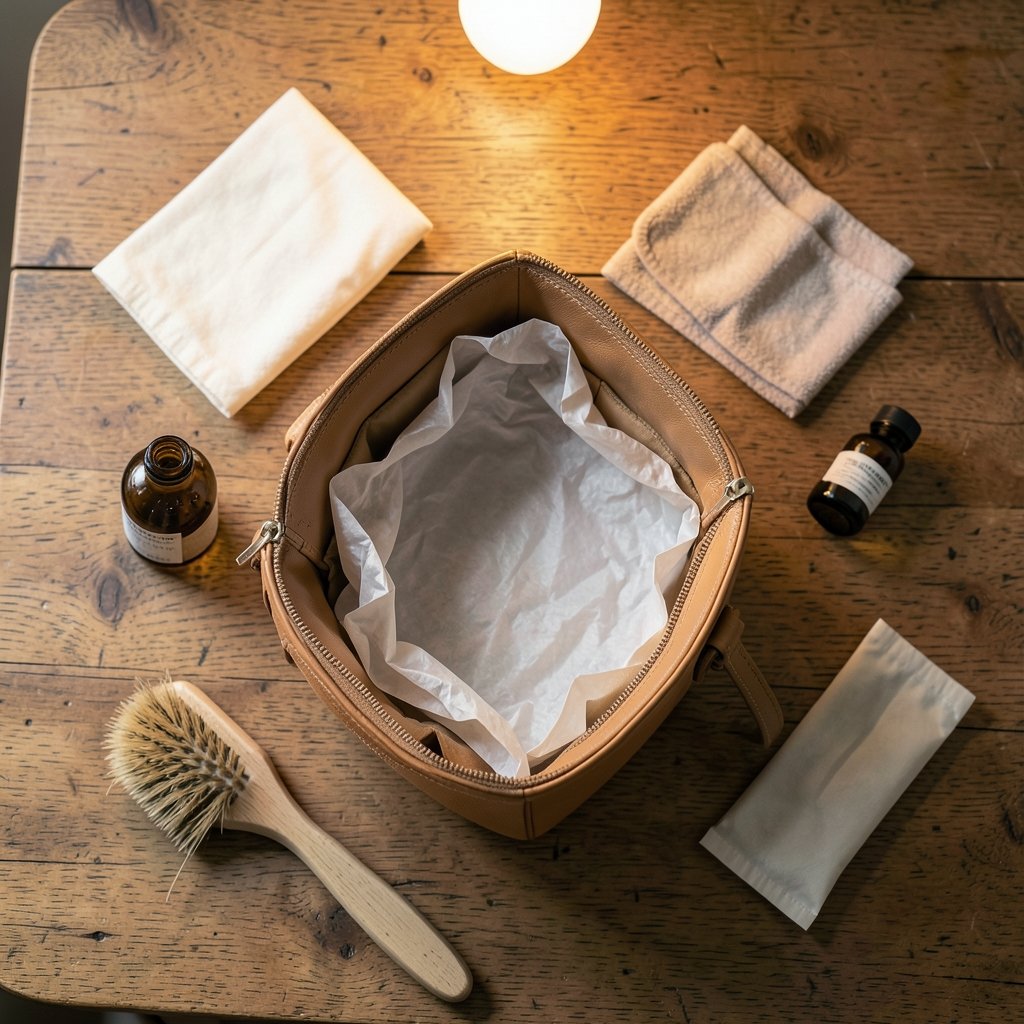
What happens to a good bag when nobody is watching it? That question matters more than most owners realize. A handbag left empty on a shelf can sag, crease, or stretch into a shape it will never recover from. Leather dries out in dry air, mildew grows in damp air, and hardware tarnishes quietly in the dark. None of this happens overnight, which is exactly why it catches people off guard.
The good news is that preservation is not complicated. It is a short, repeatable routine done in the right order. This guide walks through that routine step by step, then covers the mistakes that undo all the effort.
What to Gather Before You Start
Get the supplies together first so the process runs in one pass. Nothing here is expensive or hard to find.
- Acid-free tissue paper or custom purse pillows for stuffing
- Breathable cotton dust bags (the ones that came with the bag usually work)
- Silica gel packets for moisture control
- A soft, dry microfiber cloth for wiping down surfaces
- A leather conditioner matched to the material
- A suede brush if the collection includes suede
- A cool, dark, ventilated storage spot away from radiators and windows
One note on location before anything else. Basements, attics, and garages are the three worst places in a home for fine leather. They swing between damp and bone dry, and both extremes cause damage. A climate-controlled closet is the goal.
Step 1: Empty Everything Out
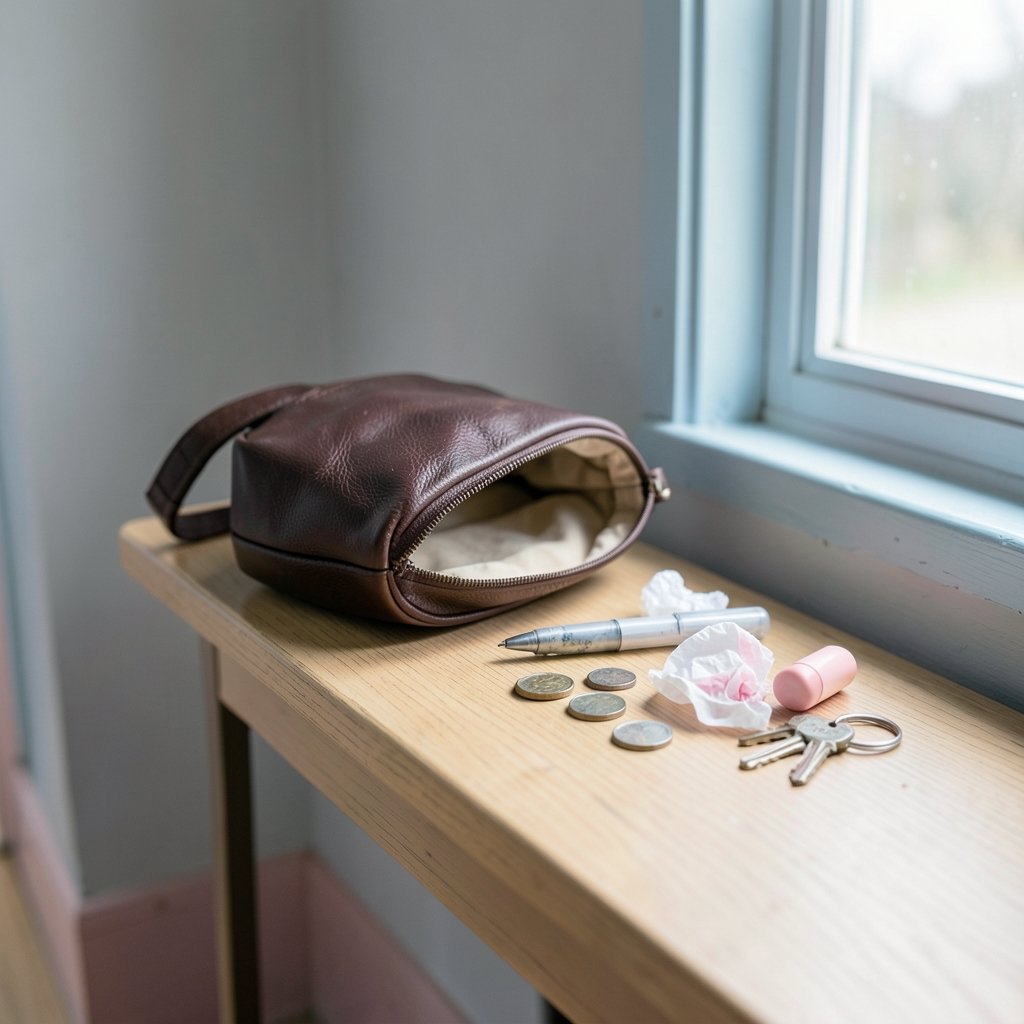
Every pocket, every zip compartment, every hidden slip pocket. Receipts, gum wrappers, pens, and loose coins all get forgotten, and a leaky pen left in a lining for six months is a permanent stain. Removing everything also lets the interior air out, which matters if the bag has been used daily.
Expected result: a bag that is genuinely empty, with no weight pressing on the base or straining the seams.
Step 2: Clean and Condition Before Storing
Dirt that goes into storage becomes dirt that sets. Wipe leather with a soft, dry cloth, then apply a leather conditioner to keep the material supple. Canvas and fabric bags take a damp cloth or mild soap for spot cleaning. Suede needs a gentle brush to lift dirt and restore the nap. Metal hardware, including zippers, chains, and clasps, should be polished with a microfiber cloth to slow tarnishing.
This is also the moment to check for problems while they are still small. A loose stitch or a scuffed corner is easy to address now and much harder to reverse after months of pressure in storage.
Expected result: a clean, conditioned bag with no residue and dry hardware.
Step 3: Stuff the Bag to Hold Its Shape
An empty structured bag collapses under its own weight. Internal support is the single most effective defense against sagging, and the fix is simple: tailored purse pillows or custom felt inserts that fit the interior dimensions, distributing pressure evenly across the side panels and base. Acid-free tissue paper works well as a flexible alternative.
The critical word is moderation. Overstuffing is just as damaging as leaving a bag empty, because it stretches the leather and can pop seams. Fill until the bag holds its natural silhouette, then stop.
Avoid newspaper. The ink can transfer onto the lining, and it is not worth the risk.
Expected result: a bag that stands on its own and looks the way it does when carried.
Step 4: Cover It With Something Breathable
Dust bags exist for a reason. A quality cotton cover blocks dust, limits sunlight exposure, and prevents color transfer from nearby clothing. The material matters, though. Leather breathes, and a non-breathable plastic cover traps moisture against the surface, which invites mildew and dulls the finish.
If the original dust bag is lost, a clean cotton pillowcase is a reasonable stand-in. Never seal a bag inside a plastic bin liner.
Expected result: full coverage with airflow, no trapped humidity.
Step 5: Control Temperature and Humidity
Heat and moisture together are what cause mold growth and leather warping. The target range is roughly 60°F to 75°F with relative humidity between 40% and 50%. That keeps leather from drying out and cracking while staying below the threshold where mildew takes hold.
Practical moves that help:
- Place silica gel packets on closet shelves to absorb surplus moisture, and swap them out periodically.
- Run a dehumidifier in closet spaces in humid climates.
- Keep bags away from radiators, heaters, and vents, since direct heat cracks leather.
- Keep them out of direct sun, which fades color over time.
Summer deserves extra attention. High heat and humidity stretch leather, fade color, and degrade hardware, so the warmest months are when the routine matters most.
Expected result: a stable, dry, shaded environment that does not change much day to day.
Step 6: Store Upright and Spaced Apart
Bags should stand upright, not stacked on top of each other. Stacking puts weight on the bag underneath and flattens quilting, embossing, and structured panels. Leave a little space between bags so air can move and hardware does not scratch a neighboring piece.
For bags with long chains, tuck the chain inside the dust bag or wrap it in tissue so it does not press into the leather. Chains stored under tension leave dents that are very difficult to remove.
Expected result: no compression marks, no chain dents, no scratches.
Step 7: Rotate and Inspect Every Few Months
Storage is not a set-and-forget task. Every two to three months, open the dust bags, check for moisture, mold spots, or new creases, and re-fluff the stuffing. This takes fifteen minutes for a whole collection and catches problems while they are still cosmetic.
Rotation also has a practical benefit. Bags that never get used still need air and attention, and a bag that gets worn occasionally stays conditioned naturally.
Expected result: early warning on any issue, plus a collection that stays ready to wear.
Common Mistakes That Undo the Work
Most handbag damage in storage comes from a handful of predictable errors. Here is how the wrong approach compares with the right one.
| Mistake | Why it damages the bag | What actually works |
|---|---|---|
| Storing empty | Structured leather sags and creases permanently | Stuff with acid-free tissue or a fitted insert |
| Overstuffing | Stretches leather and strains seams | Fill to natural shape, then stop |
| Plastic bags or sealed bins | Traps moisture, causes mildew | Breathable cotton dust bag |
| Newspaper stuffing | Ink bleeds into the lining | Acid-free tissue paper |
| Attic, basement, or garage storage | Extreme heat, cold, and humidity swings | Climate-controlled closet |
| Stacking bags | Flattens quilting and embossing | Stand upright with space between |
| Storing dirty | Dirt sets into the material over months | Clean and condition first |
| Ignoring hardware | Chains tarnish and dent leather | Polish, then wrap or tuck chains |
A few material-specific traps are worth calling out. Lambskin creases badly if stored flat, so it needs internal support and upright placement. Caviar-textured leather can lose its grain under sustained pressure, which rules out stacking. Quilted styles flatten when hung by a strap for long periods, so shelf storage beats hanging for anything with volume.
There is a crossover lesson here from other kinds of ownership: preparation before a commitment prevents most regret. The same discipline that applies when people review storage rentals America renters should know before signing applies to choosing a spot inside the home for a bag collection. Check the conditions first, not after the damage is done.
When to Get Professional Help
Some problems are beyond a cloth and a conditioner. Deep scratches, color loss, stretched-out handles, and mold that has penetrated the lining are candidates for a leather specialist. So is any vintage or high-value piece where a home fix could reduce value rather than protect it.
The same caution applies to buying. Anyone building a collection secondhand should treat condition as seriously as style, whether the piece is a luxury handbag for women or an everyday tote. Ask how the previous owner stored it. A bag kept in a breathable dust bag in a cool closet ages very differently from one that lived in a hot car. For more on evaluating pre-owned pieces, this collection of luxury handbags resources is a useful starting point.
Conclusion
Handbag preservation comes down to seven steps done in order: empty, clean, stuff, cover, control the climate, store upright, and check back regularly. None of them are difficult. The reason bags get damaged is almost never a lack of effort. It is skipping the boring parts, like swapping silica packets or resisting the urge to stack one more bag on the shelf.
A well-kept bag holds its shape, its finish, and its value. That is worth fifteen minutes every few months.
Frequently Asked Questions
How often should handbags in storage be checked?
Every two to three months is a sensible rhythm. Open each dust bag, look for moisture or mold, and re-fluff the stuffing. Seasonal changes are a good trigger, especially the shift into humid summer weather.
Can handbags be stored in their original boxes?
It is better not to. Boxes limit airflow and can hold moisture against the leather, and many are not acid-free. A breathable cotton dust bag on an open shelf is the safer choice for long-term storage.
What is the right humidity level for leather bags?
Aim for 40% to 50% relative humidity at roughly 60°F to 75°F. Below that range leather dries and cracks; above it, mildew becomes a real risk. A small hygrometer in the closet removes the guesswork.
Is it safe to hang bags by their straps?
Only for short periods. Hanging a loaded or heavy bag by one strap stretches the leather and can distort the shape over months. Shelf storage with internal support is better for anything structured or quilted.
How do you stop hardware from tarnishing in storage?
Polish chains, clasps, and zippers with a microfiber cloth before storing, then keep the hardware from pressing against leather. Wrapping chains in tissue or tucking them inside the dust bag limits both tarnish and denting.
What should be used to stuff a handbag?
Acid-free tissue paper or a fitted purse pillow are the two reliable options. Avoid newspaper because the ink can bleed into the lining, and avoid overfilling, which stretches the leather just as badly as leaving the bag empty.
One final habit ties the whole routine together: keep a simple log. Note the date each bag was last cleaned, conditioned, and inspected, and jot down any small issue spotted along the way. A five-line entry per bag takes seconds and turns guesswork into a schedule, so nothing sits unchecked for a year. The log also pays off at resale, since a documented care history reassures a buyer the way service records do for a car. Pair it with a basic care kit kept in one place—microfiber cloths, leather conditioner, acid-free tissue, spare silica packets, and a small hygrometer—so the routine never stalls for want of supplies. None of this demands special expertise, only consistency. Treat storage as part of owning the bag rather than an afterthought, and a decade-old piece can still look cared for, hold its shape, and keep its value when it finally comes back out of the dust bag.











