A headband is the simplest way for a teenager to change a whole outfit, and it is also one of the easiest accessories to get wrong. The wrong one slides forward by mid-morning, presses behind the ears, or pulls at the hairline until it has to come off. The right one stays put through school, sport, and a night out, and it looks like it was always part of the outfit rather than an afterthought.
That is why this guide is organised by how a headband actually behaves on a teenager, not just by how it looks in a photograph. A padded velvet band can be comfortable and polished, but it can also be too warm and too wide for fine hair. A thin metal zigzag looks delicate, but it can dig in after an hour. Price is a poor guide on its own.
Below are nine headbands worth considering in 2027, from a classic padded velvet band to a sporty elastic style for training days. Each one is described by what it is good at, what to watch for, and who it suits best, so a teenager can choose with comfort in mind, not just a trend.
Key takeaways
- A headband should stay put without pressing behind the ears, and comfort after two hours matters more than how it looks in the first five minutes.
- Width is the biggest choice: thin bands suit fine hair and short styles, wide bands suit thick hair and longer styles.
- Fabric decides the job: velvet and satin for dressing up, cotton and elastic for school and sport.
- A lined inner band grips better and slides less than a smooth, unlined one, especially on straight hair.
- No headband suits every head shape or hair type, and a band that causes headaches or pulls hair should be swapped, not endured.
What makes a headband work for teens
A good headband for a teenager does three things at once. It keeps hair out of the face, it stays comfortable for hours, and it looks right with the clothes a teenager actually wears. That sounds simple, but it rules out more headbands than it lets in. A band that looks beautiful on a shelf can be a poor fit on a real head, and a band that fits one person perfectly can slide straight off another.
Fit is the first thing to check. Teenagers’ heads vary a lot in size, and most headbands come in one size. A band that is too tight presses at the temples and behind the ears, and it can leave a mark in the hair that lasts for hours. A band that is too loose creeps forward, and the wearer spends the day pushing it back. The best headbands have a little give, either from a flexible frame or a stretchy lining, so they sit firmly without squeezing.
Hair type matters just as much. Thick, curly hair needs a wider band with a strong grip, because a thin band disappears into the hair and does nothing. Fine, straight hair needs the opposite: a lighter band with a grippy lining, because a heavy band slides straight off. The nine headbands below cover both ends of that range.
How we chose these headbands and what to look for
Look first at the width and the weight. A band between one and two centimetres wide is the most versatile for everyday wear, because it works with most hair types and most outfits. Wider bands, around three to five centimetres, make more of a statement and hold thick hair better, but they can feel heavy on fine hair and look too much for a school day.
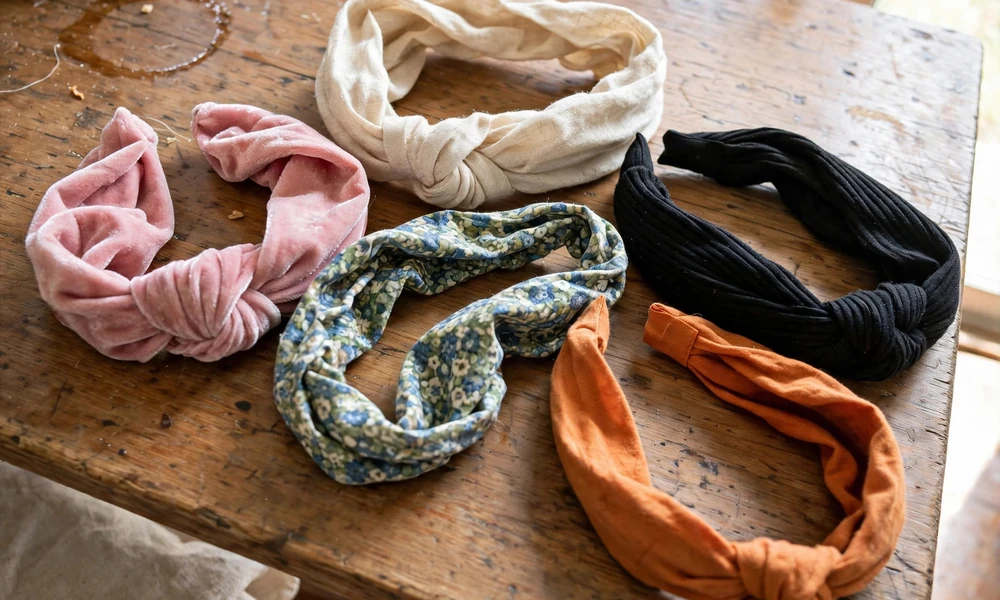
Look next at the material and the lining. Velvet and satin look polished and feel soft, but they can be warm and they can slide on straight hair unless the lining grips. Cotton and jersey breathe better and suit everyday wear, while metal and plastic bands are light and neat but can press after a few hours. A soft inner lining, a row of small teeth, or a silicone strip all help a band stay in place, and they are worth looking for.
Finally, look at the finish. A well-made headband has smooth edges, no rough seams, and no sharp ends where the band meets the tips. Cheap bands often fail here, and the failure shows up as snagged hair and sore skin. Our roundup of the best headbands for women uses the same checks, because the rules of comfort do not change much with age, even if the styles do.
The 9 best headbands for teens in 2027
The Classic Padded Velvet Headband
What we like: Soft, comfortable, and polished enough for parties and family events, with a padded shape that sits flat and holds hair back without pulling. What to consider: Can feel warm in summer, and it slides on very straight, fine hair unless the lining grips. Best for: Medium to thick hair, and occasions that call for a finished look. Fabric: Velvet over a flexible frame, with a soft lining. Price range: Around £8 to £25. Standout feature: The padded shape, which stays comfortable for hours.
This is the headband other headbands are measured against: not the lightest or the cheapest, but a strong first choice for smart occasions.
The Knotted Cotton Headband
What we like: Lightweight, breathable, and easy to wear every day, with a small knot at the top that adds interest without feeling heavy. What to consider: The knot can sit awkwardly under a hat, and pale cotton shows marks quickly. Best for: School days, casual weekends, and medium-length hair. Fabric: Cotton jersey with a flexible frame. Price range: Around £5 to £15. Standout feature: The knot detail, which looks styled without any effort.
A practical, everyday option for teenagers who want a headband they can put on in seconds and forget about. It washes well, dries quickly, and works with most outfits.
The Thin Metal Zigzag Headband
What we like: Very light, almost invisible in the hair, and neat enough for school, with a zigzag shape that grips without a lining. What to consider: Can press behind the ears after a few hours, and it bends out of shape if it is dropped or sat on. Best for: Fine hair, short styles, and teenagers who dislike wide bands. Fabric: Coated metal with a smooth finish. Price range: Around £3 to £10. Standout feature: The zigzag grip, which holds fine hair better than a smooth band.
This is the lightest option in the roundup, and the best choice for a teenager who wants a headband that does its job without announcing itself. Keep a spare, because thin metal bands are easy to lose.
The Wide Satin Headband
What we like: Glossy, elegant, and wide enough to hold thick hair, with a smooth satin finish that catches the light. What to consider: Slides on straight hair, and the satin shows creases if it is stored folded. Best for: Thick or curly hair, parties, and formal events. Fabric: Satin over a padded frame. Price range: Around £10 to £30. Standout feature: The shine, which lifts a plain outfit instantly.
For a party or a celebration, few accessories do more for less effort.
The Beaded Pearl Headband
What we like: Delicate and pretty, with small pearls that catch the light, and a slim frame that suits updos and half-up styles. What to consider: The beads can catch on curly hair, and it is too delicate for sport or rough handling. Best for: Proms, weddings, and photographs. Fabric: Faux pearls on a flexible metal frame. Price range: Around £12 to £35. Standout feature: The pearl detailing, which reads as jewellery as much as a hair accessory.
A special-occasion band, not a daily one. It is the kind of headband a teenager remembers wearing, which is exactly the point of buying it.
The Sporty Elastic Headband
What we like: Stretches to fit, stays put during exercise, and wicks sweat away from the face, with a soft band that does not press. What to consider: Looks too casual for smart occasions, and the elastic loosens over time. Best for: Training, dance, and active school days. Fabric: Stretchy athletic knit with a silicone grip strip. Price range: Around £5 to £15. Standout feature: The grip strip, which keeps it in place during movement.
For a teenager who plays sport or dances, this is the only band in the roundup that is designed for movement. It is not glamorous, but it does the job nothing else here can do.
The Floral Fabric Headband
What we like: Cheerful and summery, with a printed fabric that adds colour to plain outfits, and a soft band that suits long hair. What to consider: The print fades with washing, and bold florals do not suit every outfit. Best for: Summer, holidays, and casual days out. Fabric: Printed cotton with a flexible frame. Price range: Around £6 to £18. Standout feature: The print, which does the styling work on its own.
A fun, low-cost way to try a headband trend without committing to it. Floral bands are at their best in summer, when the colours match the season.
The Braided Faux-Leather Headband
What we like: Smart and a little edgy, with a braided texture that adds interest to simple outfits, and a firm frame that holds thick hair. What to consider: Can feel stiff at first, and the faux leather can mark in heat. Best for: Thick hair, autumn outfits, and teenagers who like a tougher look. Fabric: Braided faux leather over a rigid frame. Price range: Around £10 to £28. Standout feature: The braid, which looks far more expensive than it is.
This is the band for a teenager who wants something different from velvet and satin. It pairs well with boots, jackets, and darker autumn colours.
The Ruffled Tulle Headband
What we like: Light, airy, and playful, with a ruffled tulle layer that adds volume without weight. What to consider: Too much for everyday wear, and the tulle snags easily on rough fabrics. Best for: Parties, photoshoots, and dressing up. Fabric: Tulle ruffle over a satin-covered frame. Price range: Around £8 to £22. Standout feature: The ruffle, which gives a plain hairstyle instant drama.
A band for the days when dressing up is the whole point.
Which headband is right for you
Thick hair usually does best with a wide, padded band that has a firm frame and a grippy lining. The velvet, satin, and braided bands in this roundup all hold thick hair well, because they have enough structure to stay in place. Thin bands disappear into thick hair, so they are a poor choice here, however pretty they look.
Fine, straight hair needs the opposite: a light band with a good grip. The thin metal zigzag, the knotted cotton, and the sporty elastic all work well, because they grip without weighing the hair down. A heavy padded band will slide off fine hair within an hour, so it is better saved for occasions when it can be adjusted often. Our guide to the best floral headbands is a useful next step for anyone who likes a printed band, because florals suit fine hair particularly well.
Curly hair needs a band that works with the curls rather than fighting them. A wide cotton or velvet band sits comfortably over curls and keeps them out of the face without flattening them. Avoid beaded bands, which catch on curls, and avoid thin metal bands, which slide. Try the band on with dry, styled hair, because a band that fits damp hair will feel different once the curls dry.
The caveats that matter
Headbands are low-risk accessories, but they are not all comfortable, and a bad one can cause real problems. A band that is too tight can cause headaches, and a band with a rough lining can pull hair out at the hairline over time. That does not mean headbands are harmful, only that fit and finish matter, and that a band should be taken off if it hurts.
| Detail | What is known |
|---|---|
| Best width for most teens | One to two centimetres for everyday wear; wider for thick hair and occasions |
| Best material for school | Cotton or jersey, which breathe and stay comfortable all day |
| Best material for parties | Velvet, satin, or pearls, which look polished and catch the light |
| Best grip for fine hair | A zigzag shape, a silicone strip, or a lined inner band |
| Who should avoid metal bands | Anyone who gets headaches from pressure behind the ears |
| What to avoid | Rough seams, sharp ends, and bands that pull at the hairline |
| Cleaning | Wipe metal and faux leather; hand-wash fabric bands and dry flat |
| What a headband does not do | It does not suit every head shape, and it cannot replace a haircut for keeping hair out of the way |
If a teenager has a sensitive scalp, a skin condition, or hair loss, it is worth choosing a soft, lined band and wearing it for shorter periods at first. A headband should never be worn so tightly that it leaves a mark, and it should never be slept in, because that is when it pulls hair the most.
Checklist: choosing a headband honestly
Use these checks before you buy, and again after a full day of wear.
- Check the width: thin for fine hair, wide for thick hair, and medium for most teenagers.
- Check the lining: it should feel soft and grippy, not smooth and slippery.
- Check the edges: they should be smooth, with no rough seams or sharp ends.
- Try it for two hours: if it presses, slides, or gives you a headache, swap it.
- Match it to your day: cotton and elastic for school and sport, velvet and satin for occasions.
- Keep it clean: wipe metal bands after wear, and hand-wash fabric bands so they last.
Frequently asked questions
How do I stop a headband from sliding off?
Choose a band with a lined inner, a silicone grip strip, or a zigzag shape, and wear it on clean, dry hair. Styling products make hair slippery, so a band worn over freshly washed hair grips better than one worn over oiled or very smooth hair.
Can I wear a headband with curly hair?
Yes. A wide cotton or velvet band works best, because it sits over the curls without flattening them. Avoid beaded bands, which catch, and thin metal bands, which slide. Try the band on with dry, styled hair.
Are headbands suitable for school?
Most schools allow simple headbands, but it is worth checking the dress code first. Plain colours and slim widths are the safest choice, and a band in a school colour usually passes without comment.
How do I clean a fabric headband?
Hand-wash it in cool water with a mild detergent, then dry it flat. Do not put fabric headbands in a washing machine, because the frame can bend and the fabric can fade. Wipe metal and faux-leather bands with a damp cloth.
Do headbands cause headaches?
They can, if they are too tight or too heavy. A band that presses behind the ears or at the temples is the wrong size, and it should be swapped for a lighter or wider one. Our guide to low-tension hairstyles explains how to keep hair back without pulling, which helps with headaches too.
What age are teen headbands for?
These headbands suit roughly ages 13 to 19, but the real test is fit and style, not age. A younger teenager with thick hair may prefer a wide band, while an older teenager with fine hair may prefer a slim one. Choose by hair and comfort, not by the label.
The bottom line
The best headband for a teenager in 2027 is not the most expensive or the most fashionable. It is the one that stays put, feels comfortable after hours of wear, and suits the hair it is worn on. For most teenagers, a knotted cotton band for everyday wear and a padded velvet band for occasions cover almost every day of the year.
Choose by width, lining, and comfort, not by the photograph. Try the band for a full day before deciding, keep it clean, and swap it the moment it starts to hurt. That is the honest way to find a headband a teenager will actually wear, rather than one that sits in a drawer.