

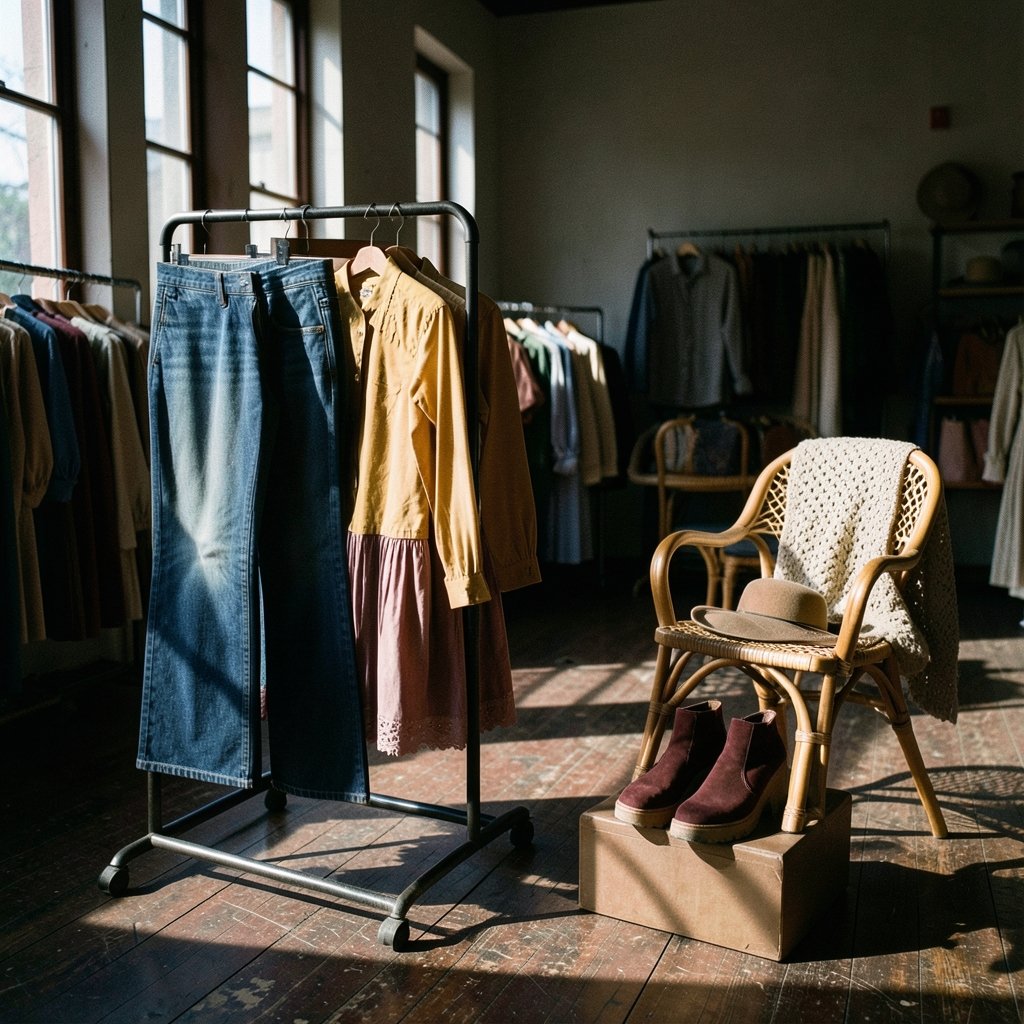
What do you picture when someone says 1970s fashion? Maybe it is a pair of towering platform shoes, a pair of flared jeans swishing down the sidewalk, or a prairie skirt in dusty rose. Here is the surprise: all of those pictures are correct. The 1970s was not one look. It was a dozen looks running at the same time, sometimes on the same person in the same week. That is exactly why the decade still fascinates designers and shoppers today.
The era began with a hemline fight and ended with glitter, safety pins, and designer denim. In between, fashion stopped taking orders from a single authority and started listening to the street. This guide walks through the decade’s key styles, the designers behind them, the mistakes people make when wearing them now, and how to borrow the best of the 1970s without looking like a costume.
Why the 1970s Broke Fashion’s Old Rules
For most of the twentieth century, fashion moved in a fairly tidy line. A designer or a magazine declared a length, and stores followed. The 1970s shattered that system. The miniskirt of the late 1960s gave way to the midi, which fell to mid-calf, and the maxi, which reached the ankle. Around 1970, fashion writers debated the midi as a trend forced on women from above, and plenty of shoppers simply refused to buy it. That refusal mattered. It showed that customers, not couture houses, now had the final vote.
From there, the decade splintered into parallel worlds. A banker’s wife, a college student, and a punk teenager could each open a magazine and find a completely different definition of what was current. Ready-to-wear grew louder and more creative, and the idea of a single seasonal “look” started to fade. If you want the long view of how those shifts still shape what people wear, the story of the 1970s fall fashion decade that dressed autumn in corduroy shows how practical fabrics and earthy colors became a lasting part of the wardrobe.
The Silhouette Shifts: Midis, Maxis, and Hot Pants
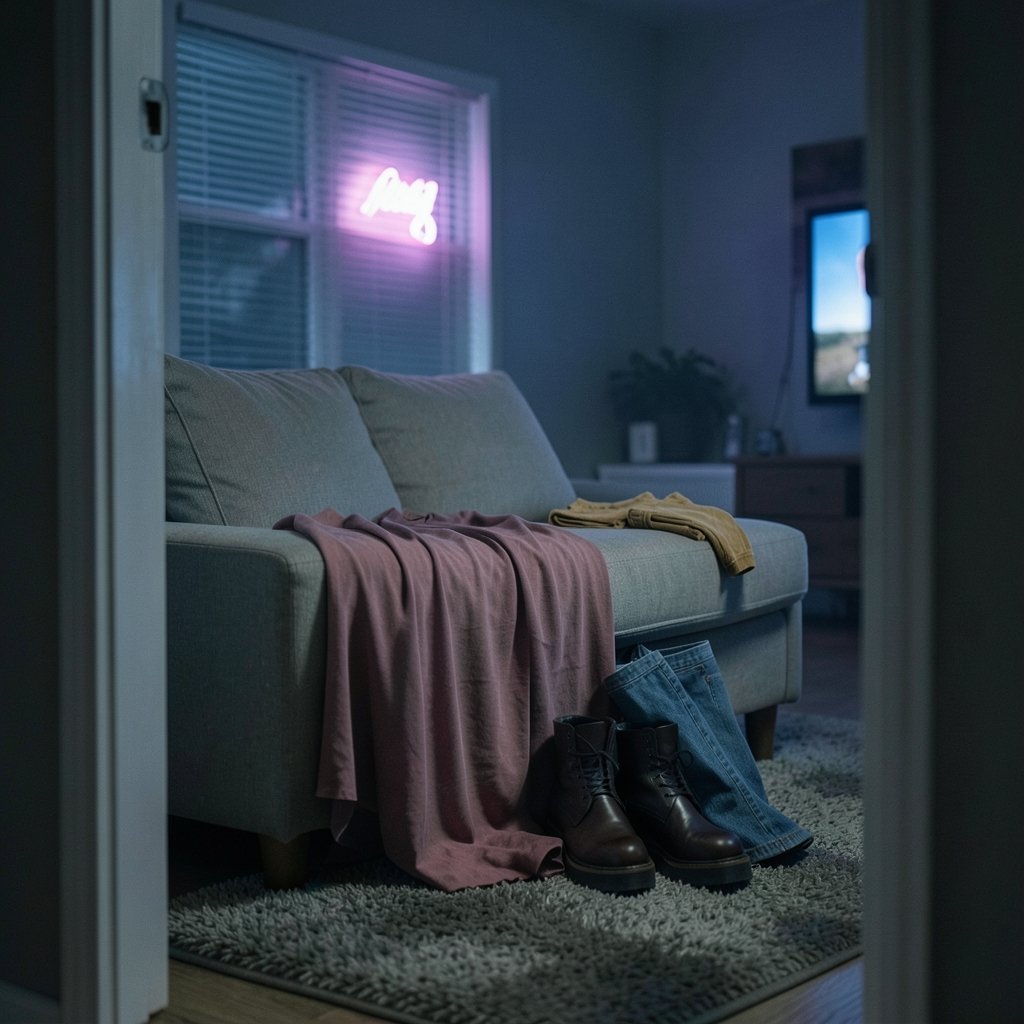
The most visible change of the early 1970s was length. Skirts dropped, sometimes dramatically, and trousers became a default rather than an exception. The decade’s silhouette was long, loose, and layered on top, then suddenly short again in the form of hot pants.
Hot pants were very short shorts that briefly became a mainstream trend around 1971, promoted by designers including Mary Quant and stocked widely by department stores. The craze faded by roughly 1973, but it left a mark: fashion could now swing from floor-length to barely-there in a single season without anyone blinking.
| Style | Peak years | What it looked like |
|---|---|---|
| Midi skirt | c. 1970–72 | Mid-calf length, often A-line or pleated |
| Maxi skirt and dress | Early to mid-1970s | Ankle length, flowing, often in prints |
| Hot pants | c. 1971–73 | Very short shorts, worn with tights or tall boots |
| Platform shoes | Early to mid-1970s | Thick soles, often with straps or boots |
| Flared jeans | Mid to late 1970s | High waist, wide leg, often embroidered |
Platform shoes and boots were everywhere in the early and mid-1970s, and they paired naturally with all that extra fabric. The practical lesson from the period is simple: when hems get longer, shoes get chunkier. That balance is what kept the long silhouettes from looking like they were dragging.
Yves Saint Laurent and the Designer Who Set the Tone
If one designer defined the decade’s mood, it was Yves Saint Laurent. His Safari collection arrived in 1968, and his Libération looks, with their beatnik and gypsy influences, followed in 1971. That same year, his 1940s-inspired “Scandal” collection drew heavy coverage and plenty of argument. Saint Laurent understood something his peers were slower to see: women wanted clothes that felt like real life, not like a costume ball.
His influence spread into the broader idea of Italian luxury fashion and the wider European ready-to-wear boom, where designers translated couture ideas into pieces people could actually buy and wear. The 1970s was the decade when “designer” stopped being a distant title and became a label on a garment in a normal store.
Denim Goes Mainstream, Then Goes Designer
Jeans had already moved from workwear into counterculture by the late 1960s. In the 1970s, they went fully mainstream. Denim became everyday wear for nearly everyone, and the arrival of Calvin Klein Jeans in 1978 marked the moment denim stepped into high fashion. A pair of jeans was no longer just sturdy clothing. It was a statement, and increasingly an expensive one.
This shift changed shopping habits that still exist. People began to care about the label on the back pocket, the cut of the leg, and the wash of the fabric. Flares, high waists, and embroidery turned a basic into a personality test. If you are rebuilding a 1970s wardrobe today, denim is the smartest place to start, because a good pair of flared jeans works with almost everything else the decade produced.
Prairie, Peasant, and Folk: The Romantic Side of the 1970s
Running alongside all that denim was a softer, more romantic current. Folk-inspired clothing, including embroidered blouses, prairie skirts, kaftans, and “ethnic” prints, was a recurring trend throughout the decade and peaked in the mid-1970s. The look drew on 1960s counterculture and on travel and global influences, and it gave the era much of its warmth.
In practice, this is the part of 1970s style that translates most easily to modern life. A cotton blouse with simple embroidery, a midi skirt in a muted print, or a loose kaftan over trousers all read as relaxed rather than retro. The mistake people make is piling on every folk detail at once: embroidery, fringe, beads, and a print, all in one outfit. Choose one folk element and let the rest of the look stay quiet. That single rule fixes most 1970s styling attempts.
Disco, Glitter, and the Nighttime Wardrobe
Disco fashion peaked around 1977 to 1979, arriving alongside the film Saturday Night Fever, released in December 1977. Wrap dresses, jumpsuits, halter necks, and glitter defined the dance floor. The look was body-conscious and shiny, a sharp contrast to the loose daytime clothes of the same years.
This split is worth understanding, because it explains why 1970s fashion feels so contradictory. Daytime was about comfort, layers, and earthy colors. Nighttime was about shine, movement, and drama. The same woman might wear a corduroy skirt to the office and a gold wrap dress on Saturday. If you are planning a party look and want to see how runway ideas get translated into real outfits, the work of Angelica Hicks, the fashion illustrator who turns runway moments into drawings, shows how a single striking detail can carry an entire look.
Punk and the Birth of Street Style
From around 1976, a very different aesthetic emerged in London. Shops such as SEX on the King’s Road, run by Vivienne Westwood and Malcolm McLaren, sold punk clothing: bondage trousers, ripped T-shirts, and safety pins, all tied to the Sex Pistols. The shop had earlier identities, opening as Let It Rock in 1971 and becoming Too Fast to Live, Too Young to Die in 1972, before taking the SEX name in 1974.
Punk mattered far beyond its own small scene. It proved that style could be assembled from whatever was at hand, that a safety pin could be a design choice, and that DIY could compete with couture. That idea, that personal styling beats prescribed fashion, is the 1970s’ biggest gift to the present. It is also why the decade keeps returning to runways and street corners alike.
Unisex, Androgyny, and Changing Gender Rules
The 1970s also loosened the rules about who could wear what. Unisex clothing, including jeans and plain T-shirts sold to both men and women, became common. Androgynous styles reached a wide audience through figures like David Bowie, whose Ziggy Stardust persona ran from 1972 to 1973. The look was theatrical, but the underlying message was practical: clothing does not have to announce gender first.
This shift shows up in the most ordinary places today. Shared basics, oversized shirts, and gender-neutral sneakers all trace a line back to the 1970s. When people talk about how the 2026 fashion trends female shoppers are chasing keep borrowing from the past, the unisex instinct of the 1970s is usually somewhere in the mix.
How to Wear 1970s Style Today Without a Costume
The gap between “stylish” and “dressed as a decade” is smaller than most people think. A few practical adjustments make the difference.
- Pick one hero piece. Choose a flared jean, a suede jacket, or a platform boot. Build the rest of the outfit from modern basics in neutral colors.
- Watch the proportions. Wide legs need a closer-fitting top. A flowing maxi skirt needs a simple knit. If everything is loose, the outfit swallows the wearer.
- Keep the palette grounded. Earth tones, cream, rust, mustard, and denim blue are the safest 1970s colors. Neon and heavy glitter belong to evening only.
- Choose one folk detail. Embroidery or fringe or a print, not all three. This is the most common error and the easiest to fix.
- Break in the platforms first. Thick soles change how a person walks. Wear them around the house before committing to a full day out.
The most frequent mistake is treating the decade as a single outfit rather than a set of ingredients. The 1970s worked because people mixed eras and references freely. Copy that habit, not a specific photograph.
The Decade’s End and Its Long Afterlife
By 1979 and 1980, the 1970s look was already dissolving. New Romantic styles and early 1980s shapes, with big shoulders and leggings, were taking over. Yet the decade never really left. It returns every few years in some form, and the current appetite for relaxed tailoring, wide denim, and earthy color owes a clear debt to it.
Anyone tracking where fashion is heading can see the pattern. Broader guides such as the 2026 Fashion Trends Guide: What’s In, Out & Worth Wearing keep circling back to 1970s references, and the fashion trends 2026 conversation treats flared silhouettes and warm neutrals as familiar friends rather than novelties. The decade’s styles survive because they were built for real bodies and real days, rather than for photographs alone.
Conclusion
The 1970s was fashion’s great loosening. Hemlines dropped, then shot back up. Denim became a wardrobe backbone. Disco turned nightwear into theater, punk turned the street into a design studio, and unisex clothing quietly rewrote the rules. No single look defines the era, and that is precisely its strength. Borrow one piece, get the proportions right, and skip the full costume. The decade rewards restraint far more than it rewards nostalgia, and that is why it keeps coming back.
Frequently Asked Questions
What was the most popular fashion in the 1970s?
There was no single dominant look. Flared jeans, midi and maxi skirts, platform shoes, and folk-inspired blouses were widespread, while disco fashion, with wrap dresses and jumpsuits, peaked between 1977 and 1979. Different groups wore completely different styles at the same time.
When did hot pants become popular?
Hot pants became a mainstream trend around 1971, promoted by designers including Mary Quant and sold widely by department stores. The craze had faded by roughly 1973, though short shorts never fully disappeared from warm-weather wardrobes.
Who was the most influential designer of 1970s fashion?
Yves Saint Laurent was among the most influential, with his Safari collection in 1968 and his Libération and “Scandal” collections in 1971. Vivienne Westwood and Malcolm McLaren also shaped the decade through punk clothing sold at their King’s Road shop from the mid-1970s.
When did designer jeans first appear?
Calvin Klein Jeans launched in 1978, marking the point when denim moved firmly into high fashion. Before that, jeans had already shifted from workwear and counterculture clothing into everyday mainstream wear across the 1970s.
Why did skirts get longer in the early 1970s?
The miniskirt of the late 1960s gave way to the midi, which fell to mid-calf, and the maxi, which reached the ankle. Around 1970, fashion writers debated the midi as a trend pushed from above, and many shoppers resisted it, showing that customer choice now drove the market.
How can someone wear 1970s fashion today without looking retro?
Choose one hero piece, such as flared jeans or a suede jacket, and pair it with modern basics. Keep the proportions balanced, stick to earthy colors, and limit folk details like embroidery or fringe to a single element per outfit.














