


What do you picture when someone says “2000s fashion”? Maybe it’s a pop star in hip-hugging jeans, a logo-covered handbag the size of a small dog, or a velour tracksuit in bubblegum pink. For many people, the decade brings a rush of memories, some fond and some cringeworthy. Few eras in style history have been so loved, mocked, and revived all at once.
The 2000s were a strange, loud, and oddly joyful decade for clothing. Fashion moved fast, celebrities became designers, and cheap trend-driven clothing went global. This guide breaks down what people actually wore, why it happened, and how the era’s looks keep circling back into modern wardrobes.
What Defined 2000s Fashion?
The 2000s ran from 2000 to 2009, but the style story is really two eras stitched together. The early half leaned into flash, skin, and logos. The later half turned softer, more layered, and more bohemian.
What ties the decade together is speed. Trends arrived faster than ever before, pushed by music videos, tabloid magazines, and the first wave of online shopping. Fast fashion chains like Zara, H&M, and Forever 21 scaled up quickly, turning runway looks into affordable copies within weeks. That shift is often cited as one of the biggest structural changes in how people bought clothes.
It was also the decade when Y2K fashion became a label. Here’s a detail worth knowing: nobody in 2002 called their outfit “Y2K.” The term came later, especially from the late 2010s onward, as a retrospective name for the metallic fabrics, baby tees, velour, logomania, and trucker hats of the late 1990s and early 2000s.
The Low-Rise Jeans Era
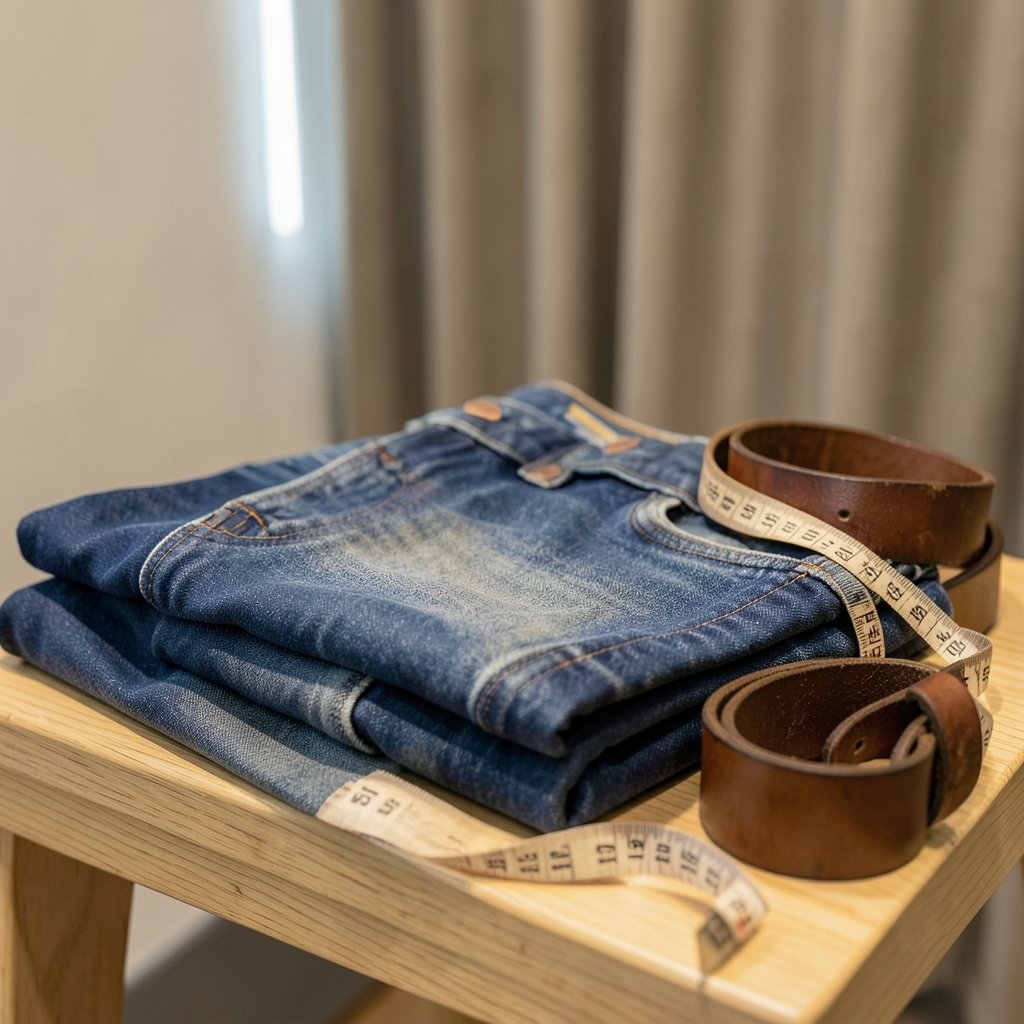
If one garment sums up the 2000s, it’s low-rise jeans. Waistlines dropped to hip level and sometimes lower, peaking roughly between 2001 and 2005. The look was everywhere: on red carpets, in music videos, and in every shopping mall.
Brands like Juicy Couture built entire identities around the silhouette. Pop stars such as Britney Spears and Christina Aguilera wore the style constantly, and the low-slung waistband became a kind of uniform for the era’s pop culture. Denim also went bootcut and flared, then shifted again late in the decade as skinny jeans took over around 2006 to 2010.
Practical tip for anyone trying the look today: low-rise denim is unforgiving about fit. Before buying, check the rise measurement as well as the waist size. A rise under 8 inches sits very low, and a belt becomes essential if you plan to move around. Many people who hated low-rise jeans in the 2000s find a mid-rise compromise far more comfortable now.
Common mistake: assuming all 2000s denim was low and tight. Plenty of people wore relaxed bootcuts, carpenter jeans, and even double denim. The decade had range.
Velour Tracksuits and the Birth of Athleisure
Juicy Couture was founded in 1997 by Pamela Skaist-Levy and Gela Nash-Taylor, but the brand’s velour tracksuit, generally dated to 2001, turned casualwear into a status symbol. Suddenly it was normal to wear a matching zip-up hoodie and flared pants to a coffee run, a lecture, or an airport.
This matters more than it looks. Many fashion historians trace the roots of athleisure to the 2000s, with Juicy tracksuits and yoga pants leading the way. The term itself and its mainstream dominance arrived in the 2010s, but the groundwork was laid a decade earlier. If you want to see how that casualization continued to reshape style, the story of how 2010s fashion athleisure streetwear and Instagram rewrote the rules picks up exactly where the 2000s left off.
What actually worked in practice: the tracksuit’s appeal was comfort plus instant outfit completion. One matching set and you were dressed. The catch was fabric quality. Cheap velour pilled and lost shape after a few washes, which is why surviving vintage pieces from the era often look better than fast-fashion copies.
Boho-Chic Takes Over the Mid-2000s
Around 2004 to 2007, the mood shifted. Out went the hard edges and metallic shine, and in came boho-chic: layered tunics, belts worn over dresses, slouchy bags, and Ugg boots.
Sienna Miller, Kate Moss, and Mary-Kate and Ashley Olsen became the faces of the look. Their influence was enormous because it felt personal rather than polished. The style borrowed from festival dressing, vintage markets, and a romanticized globe-trotter aesthetic.
Ugg boots deserve their own note. The Australian brand’s boots started as surf-culture footwear before crossing into mainstream fashion in the early to mid-2000s, helped along by celebrity wear around 2003 and 2004. People either loved them or found them baffling, and that argument has never fully died.
Practical tip: boho-chic is one of the easier 2000s looks to wear today because it’s forgiving. A woven belt over a flowy dress, a slouchy bag, and flat boots still read as intentional rather than costume. The trick is restraint. Pick two boho elements, not five, or the outfit tips into parody.
Bling, Logos and the McBling Aesthetic
The early 2000s had a name for its flashiest style: McBling, also called bling-bling. The phrase “bling-bling” was coined in the late 1990s or early 2000s and is often attributed to rapper BG’s 1999 song “Bling Bling.” It described a look built on visible wealth: oversized jewelry, logo-heavy clothing, rhinestones, and bags with hardware that could double as a weapon.
Celebrity culture powered this. It bags became must-haves, with styles like the Balenciaga Motorcycle bag and the Chloé Paddington (around 2005) drawing waiting lists. The Fendi Baguette, already a favorite in the late 1990s, kept its grip on the popular imagination.
This is also where the decade’s reputation for excess comes from. Logos weren’t subtle; they were the point. Trucker hats, Von Dutch, Baby Phat, and Ed Hardy all rode the same wave of branded visibility.
Common mistake: treating McBling as the whole decade. It was one loud lane, mostly early to mid-2000s, and plenty of people dressed nothing like it.
Celebrity Fashion and the Rise of the Stylist
The 2000s made celebrity style a business. Red carpet moments were dissected the next morning in magazines, and stylists became powerful figures behind the scenes. Pop stars launched clothing lines, actresses fronted campaigns, and reality television turned personal style into content.
This is the era when fashion illustration and runway documentation found new energy online too. Modern illustrators now look back at those years as a goldmine, and projects like Angelica Hicks turning runway moments into illustrations show how 2000s spectacle still feeds creative work today.
The downside was pressure. Body standards in the 2000s were famously narrow, and low-rise everything didn’t help. Any honest look at the decade has to acknowledge that not every trend aged well, and some did real harm to how people felt about their bodies.
Why 2000s Fashion Keeps Coming Back
Revivals have been steady. Low-rise jeans returned to runways and stores, velour reappeared, and baby tees flooded fast-fashion racks. The nostalgia cycle has its own logic: trends tend to resurface about twenty years after their peak, when the people who wore them first have buying power and the people who missed them are curious.
The 2026 fashion trends female conversation is full of 2000s echoes, from slouchy silhouettes to logo accessories. If you want a broader forecast of where style is heading, the 2026 fashion trends guide maps the current landscape, and the fashion trends 2026 tag collects ongoing coverage.
There’s also a deeper reason the era sticks. The 2000s were the last decade before social media fully reshaped how trends spread. Style then felt chaotic and regional in a way that’s hard to recreate now. For anyone curious about the luxury side of that period, the Italian luxury fashion archive shows how heritage houses navigated the logo boom.
How to Wear 2000s Style Without Looking Like a Costume
The biggest question readers ask is simple: how do you borrow from the decade without looking like you raided a fancy-dress box? A few rules of thumb help.
| 2000s trend | Modern way to wear it | What to avoid |
|---|---|---|
| Low-rise jeans | Pair with a fitted top and a belt; choose mid-rise if unsure | Full low-rise with a cropped top for everyday wear |
| Velour tracksuit | One piece at a time, mixed with structured items | Head-to-toe matching set outside casual settings |
| Boho layers | Two boho elements maximum | Stacking belts, tunics, and boots all at once |
| Logo bags | One statement accessory per outfit | Multiple competing logos |
| Baby tees | Tucked into tailored trousers or a midi skirt | Oversized graphics with more graphics |
| Trucker hats | Worn ironically or with clean, minimal outfits | Full McBling styling head to toe |
Practical tip: fabric quality separates a good revival piece from a bad one. Look for cotton with some weight, real leather trims, and hardware that doesn’t feel hollow. The 2000s were an era of disposable clothing, and a lot of surviving pieces show it.
Common mistake: buying vintage online without checking measurements. Sizing labels from the 2000s run differently from today’s, and a “medium” from 2003 may fit like a modern small.
The Decade’s Complicated Legacy
The 2000s gave fashion plenty to celebrate: playful experimentation, the democratization of trends, the rise of comfortable clothing, and a sense of fun that later decades sometimes lost. It also gave us disposable fashion at scale, narrow beauty standards, and a lot of clothing that fell apart quickly.
Both things are true. The era’s best ideas, like comfort-first dressing and personality-driven style, shaped what came after. Its worst habits, like chasing every micro-trend, are still with us. Understanding the difference is what makes wearing 2000s style today feel smart instead of nostalgic for its own sake.
For readers who want to dig into how the decade’s media shaped taste, the Barbie world tour book offers a fun angle on fashion storytelling, and the guide to finding the best fashion substacks helps separate sharp commentary from noise.
Conclusion
2000s fashion was loud, fast, and full of contradictions. It gave the world low-rise jeans, velour tracksuits, boho layers, and bling-heavy accessorizing, all powered by celebrity culture and the rapid rise of fast fashion. Some of it aged badly, and some of it looks surprisingly fresh again. The smartest approach today is selective: take the comfort, the playfulness, and the personality, and leave behind the disposable habits and narrow body ideals. Worn with a little restraint, the decade’s best ideas still have plenty of life in them.
Frequently Asked Questions
What years count as 2000s fashion?
The 2000s cover 2000 through 2009. Style within the decade shifted noticeably, with a flashier, logo-heavy early half and a softer, more layered boho phase from roughly 2004 to 2007.
Why were low-rise jeans so popular in the 2000s?
Low-rise jeans peaked around 2001 to 2005 and were driven by pop culture, music videos, and brands like Juicy Couture. The hip-level waistline matched the era’s body-conscious, celebrity-focused mood.
What is Y2K fashion?
Y2K fashion is a retrospective label applied later, especially from the late 2010s onward, to late-1990s and early-2000s styles. It covers metallic fabrics, baby tees, velour, logomania, and trucker hats. People did not use the term at the time.
What does McBling mean?
McBling, or bling-bling, describes the flashy, logo-heavy, jewelry-heavy style of the early 2000s. The phrase is often linked to rapper BG’s 1999 song “Bling Bling” and covers oversized jewelry, rhinestones, and branded accessories.
Did athleisure really start in the 2000s?
Its roots are often traced there. Juicy Couture tracksuits and yoga pants made comfortable, casual clothing fashionable in the 2000s, though the term athleisure and its mainstream dominance arrived in the 2010s.
How can I wear 2000s fashion today without looking dated?
Choose one or two elements per outfit, such as low-rise denim with a simple top or a single logo accessory. Check fabric quality and measurements before buying vintage, and skip the full head-to-toe styling that makes the look feel like a costume.














