

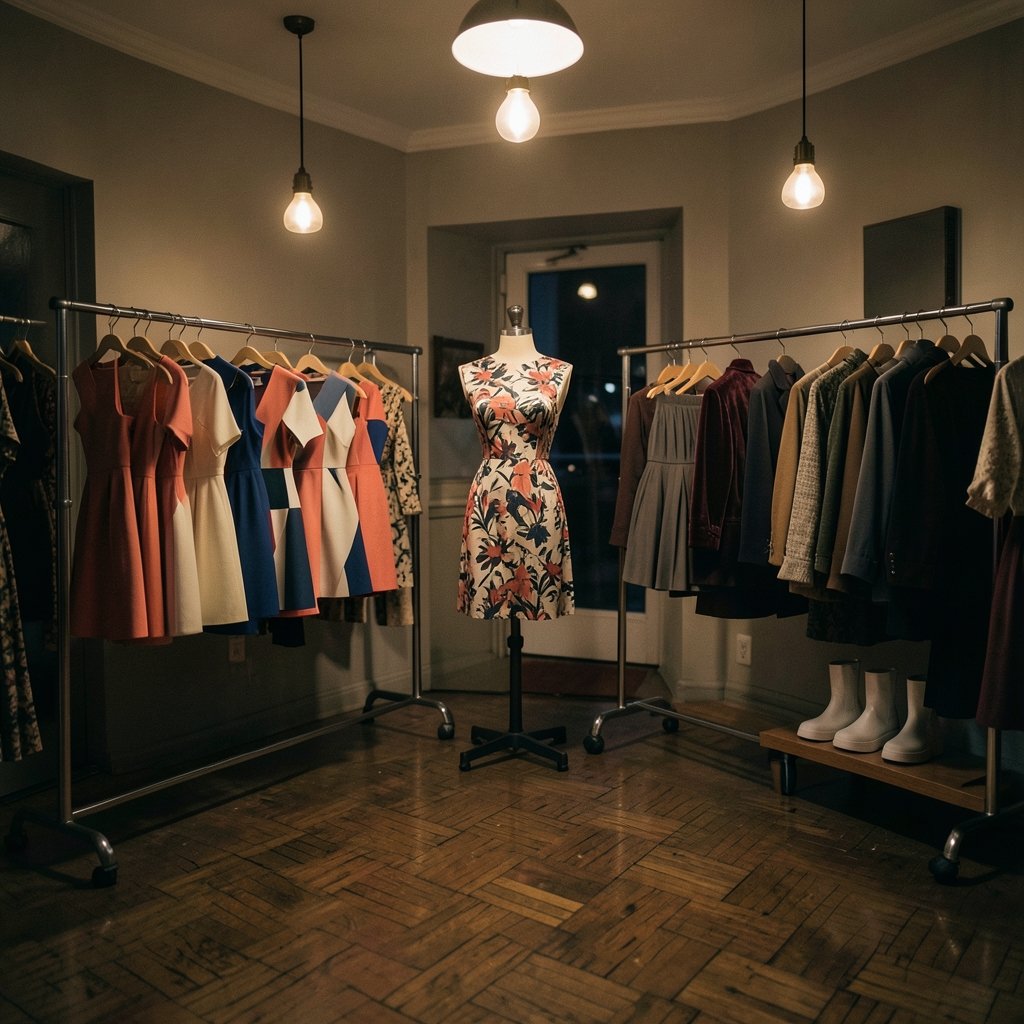
What happens when an entire generation decides the clothes their parents wore are not an option? That question shaped 1960s fashion. In barely ten years, hemlines rose, silhouettes turned geometric, men began wearing velvet, and shopping moved from stuffy department stores to loud little boutiques. The decade changed what people wore and who got to decide.
For anyone trying to decode the era today, whether for a costume, a mood board, or a genuine interest in style history, the 1960s rewards a closer look. It is a decade of contradictions: futuristic plastic and hand-embroidered denim, mass-produced miniskirts and one-of-a-kind vintage finds, rigid Mod tailoring and loose hippie layers. This guide walks through the key looks, the designers behind them, the subcultures that drove them, and the mistakes people make when they try to recreate the era.
Why the 1960s Broke With Everything Before It
The single biggest force behind 1960s fashion was the teenager as a consumer category. Designers began aiming directly at young buyers, and Mary Quant in London became the standard example of a designer who built a brand around them. Her boutique Bazaar opened in 1955, but her fame peaked in the mid-1960s, when her clothes and her attitude became inseparable from the London scene.
This was not a top-down story. Earlier decades had seen couturiers dictate a silhouette and the high street copy it a season later. In the 60s, the current ran the other way. Young people with modest budgets set the agenda, and manufacturers scrambled to keep up. Cheap synthetics and faster production made trend-driven fashion genuinely affordable, which meant a sixteen-year-old could buy a new look every few weeks rather than saving for one good coat.
The media amplified it. Time magazine’s “Swinging London” cover story ran in April 1966, cementing the city’s association with youth fashion internationally. After that, the whole world was watching what London kids wore to the record shop.
The Miniskirt: A Shared Invention, Not a Single Genius
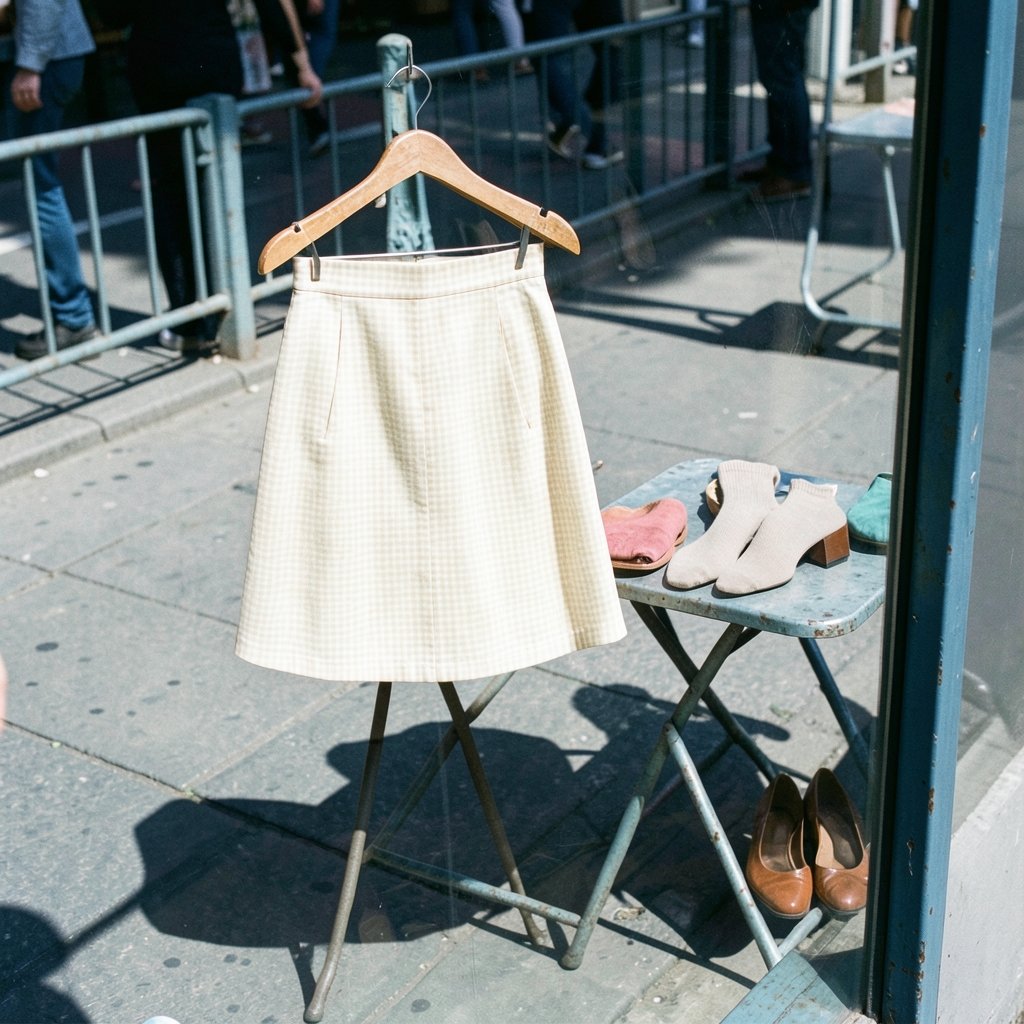
Ask who invented the miniskirt and you will get two confident answers. Mary Quant, say the London loyalists. André Courrèges, say the Paris purists. Fashion historians generally treat it as a convergent trend rather than a single invention, with both designers popularising the short skirt around 1964 to 1966.
This matters for anyone writing about or restyling the era. The miniskirt was not one lightning bolt of genius. It was a mood that arrived in several cities at once, helped along by young women who simply wanted to move freely and look modern. The hemline kept climbing through the mid-60s, and with it came tights, low heels, and a whole new way of walking into a room.
What Actually Made It Work
The miniskirt succeeded because it was paired with the right supporting pieces. Practical styling notes from the era hold up well:
- Keep the top half simple and slightly fitted so the proportion reads intentionally.
- Choose opaque tights or knee-high boots to balance the exposed leg.
- Stick to flat or low block heels; the look was built for movement, not posture.
- Avoid over-accessorising. The silhouette is the statement.
Mod Style and the London Boutique Boom
The Mod subculture emerged in London in the late 1950s and peaked around 1963 to 1966, feeding directly into boutique fashion. Slim suits, parkas, and scooters defined the look, and the attention to detail was almost obsessive: collar shape, button placement, the precise break of a trouser.
Boutiques sold inexpensive, fast-changing youth fashion, and the names still resonate. Biba opened in 1964 and grew into a department store by 1973. Granny Takes a Trip and Bus Stop did the same kind of business, turning shopping into a social event with loud music and late hours. This is the moment fashion stopped being something you inherited and became something you assembled.
If you are studying how retail and youth culture fused into a single machine, the through-line runs from here to the Instagram era, a shift explored in this look at how 2010s fashion athleisure and streetwear rewrote the rules all over again.
Space Age Fashion: White Boots and Plastic Dreams
Roughly 1964 to 1969, a cluster of designers pushed fashion toward the future. Courrèges, Paco Rabanne, and Pierre Cardin produced Space Age looks: white boots, PVC, geometric cut-outs, and metallic fabrics. The mood was optimistic, almost engineering-minded. Clothes looked like they had been drafted rather than sewn.
This is one of the easiest 60s looks to recognise and one of the hardest to wear convincingly. In practice, the pieces that read best today are the simpler ones: a clean white boot, a boxy cropped jacket, a shift dress with a strong geometric seam. Full PVC outfits tend to look like costumes off the runway. The lesson from the era is restraint within the futurism.
The Peacock Revolution: Men’s Fashion Loosens Up
Men’s fashion changed as dramatically as women’s, just a few years later. Roughly 1966 to 1970, the Peacock Revolution brought colourful shirts, long hair, velvet, and ruffles into the mainstream. The suit did not disappear; it loosened, brightened, and got a lot more expressive.
The practical takeaway for anyone restyling menswear from this period is that fit still governs everything. A velvet jacket in a poor cut looks like a rental costume, while a well-tailored one looks deliberate. Wide lapels and bold prints work when the shoulder line is clean. That principle of fit over flash is one reason the era keeps resurfacing in Italian luxury fashion, where tailoring tradition absorbs trends without surrendering to them.
Hippie and Counterculture Style, 1967 to 1969
From around 1967, a very different aesthetic took hold. Psychedelic prints, bell-bottoms, tie-dye, and ethnic and vintage influences spread through the counterculture and its festivals, including Monterey Pop in June 1967 and Woodstock in August 1969.
What separates hippie style from Mod style is its relationship to perfection. Mod was precise. Hippie was accumulated. Garments were patched, embroidered, dyed, and mixed with finds from markets and travels. It was the first mass visible moment of sustainable-by-necessity dressing, long before anyone used that phrase.
Common Mistakes When Recreating Hippie Looks
- Buying a costume-shop tie-dye set instead of layering real vintage pieces. The texture is the whole point.
- Overloading prints in one outfit. The era mixed patterns, but usually with one dominant piece.
- Ignoring footwear. Leather sandals, boots, and clogs carry the look; modern sneakers break it.
- Forgetting proportion. Bell-bottoms need a fitted top or a cropped layer to avoid swallowing the body.
Materials, Mass Production, and the Paper Dress
Synthetics such as PVC, acrylic, and polyester, combined with cheaper manufacturing, made trend-driven fashion more affordable across the decade. The novelty that best captures the era’s spirit is the paper “disposable” dress, popularised through a 1966 Scott Paper promotion. Commercial details vary by source, but the idea stuck: clothing as something temporary, almost like a magazine.
This is also where the decade’s critics found their footing. Fast, cheap, disposable fashion raised questions about waste and quality that sound remarkably current. The 60s invented throwaway style, and the industry has been arguing about the consequences ever since.
How the Decade Ended
By 1969 to 1970, the silhouette shifted toward longer skirts, midi and maxi, and a more eclectic, retro mood. Many historians read this as the close of the 60s fashion cycle: the hemline dropped, the optimism cooled, and the next decade began assembling something new from the pieces.
That turn is worth understanding because it explains why the 60s never fully left. Every few years, a designer reaches back for a white boot, a shift dress, or a geometric print. The current revival cycle is covered in this 2026 fashion trends guide, and the 60s references are rarely far from the surface. For a broader view of what is in and out right now, the 2026 fashion trends female coverage shows how directly the era still feeds contemporary runways.
How the 60s Compares Across Its Own Sub-Looks
The decade is easier to understand when you put its main styles side by side. Each one had a distinct audience, price point, and philosophy.
| Look | Peak Years | Signature Pieces | Mood |
|---|---|---|---|
| Mod | 1963–1966 | Slim suit, parka, scooter | Precise, urban, competitive |
| Space Age | 1964–1969 | White boots, PVC, cut-outs | Futuristic, optimistic |
| Boutique / Biba | 1964 onward | Minidress, bright prints | Fast, affordable, playful |
| Peacock Revolution | 1966–1970 | Velvet jacket, ruffled shirt | Expressive, androgynous |
| Hippie | 1967–1969 | Bell-bottoms, tie-dye, fringe | Layered, handmade, anti-polish |
Reading the table horizontally shows how quickly tastes moved. A London teenager in 1964 and the same teenager in 1969 could have been dressed by two different centuries.
Practical Tips for Wearing 60s Style Today
First-hand experience with vintage sourcing and restyling suggests a few rules that actually hold up.
Buy one anchor piece, not a full outfit. A geometric shift dress or a well-cut Mod jacket carries an entire look. Filling a cart with theme accessories is the fastest route to a costume.
Check the fabric before the label. Genuine 60s synthetics can be brittle and prone to yellowing. Hold the garment to the light, check seams and underarms, and be honest about whether it will survive a wearing.
Respect the original proportion. These clothes were drafted for specific undergarments and body lines. Altering a 60s coat to a modern oversized fit usually destroys what made it interesting.
Mix one era piece with modern basics. A white Space Age boot with straight-leg jeans reads as style. The same boot with a PVC mini and a bouffant reads as a party invitation.
Watch the sizing trap. Vintage sizing runs small and inconsistent. Measure a garment you already own and compare flat measurements rather than trusting a marked size.
For anyone who wants to go deeper into how the era’s imagery shaped modern fashion storytelling, this piece on how Angelica Hicks turns runway moments into illustration shows how the visual language born in the 60s still drives how fashion gets documented and shared. And if you are building a research habit around style, learning to find the best fashion substacks without drowning your inbox is a genuinely useful modern skill.
Conclusion
The 1960s earns its reputation because it changed the direction of influence. Young people stopped waiting for designers to tell them what to wear, and the industry has never fully regained control since. The miniskirt arrived in more than one city at once, the boutique turned shopping into culture, and menswear loosened in ways that still shape what men wear on a Saturday night.
For the modern reader, the decade offers both inspiration and a warning. The creativity was real, and so was the waste. The best way to wear 60s fashion now is selectively: one strong piece, honest about its proportions, paired with something contemporary. That approach keeps the spirit of the era alive without turning it into a costume.
Frequently Asked Questions
Who really invented the miniskirt?
Both Mary Quant in London and André Courrèges in Paris are credited with popularising it around 1964 to 1966. Fashion historians generally treat the miniskirt as a convergent trend rather than a single invention, since short skirts appeared in several fashion centres at roughly the same time.
What defines Mod fashion?
Mod style centred on slim suits, parkas, and scooters, emerging in London in the late 1950s and peaking around 1963 to 1966. The look was precise and detail-obsessed, with close attention to collar shape, button placement, and trouser break.
What was Space Age fashion?
Space Age fashion was a futuristic style produced roughly between 1964 and 1969 by designers including Courrèges, Paco Rabanne, and Pierre Cardin. It featured white boots, PVC, geometric cut-outs, and metallic fabrics, and it reflected the era’s optimism about technology.
When did hippie style become mainstream?
Hippie style spread from around 1967 through 1969, carried by the counterculture and its festivals, including Monterey Pop in June 1967 and Woodstock in August 1969. Psychedelic prints, bell-bottoms, tie-dye, and vintage influences defined the look.
What was the Peacock Revolution?
The Peacock Revolution describes the loosening of menswear roughly between 1966 and 1970. Colourful shirts, long hair, velvet, and ruffles moved into the mainstream, making men’s fashion far more expressive and androgynous than it had been in the 1950s.
Why did 60s fashion end?
By 1969 to 1970, hemlines dropped toward midi and maxi lengths and the mood turned more eclectic and retro. Many historians read this shift as the natural close of the 60s fashion cycle, as the next decade began building a new style from the pieces left behind.














