

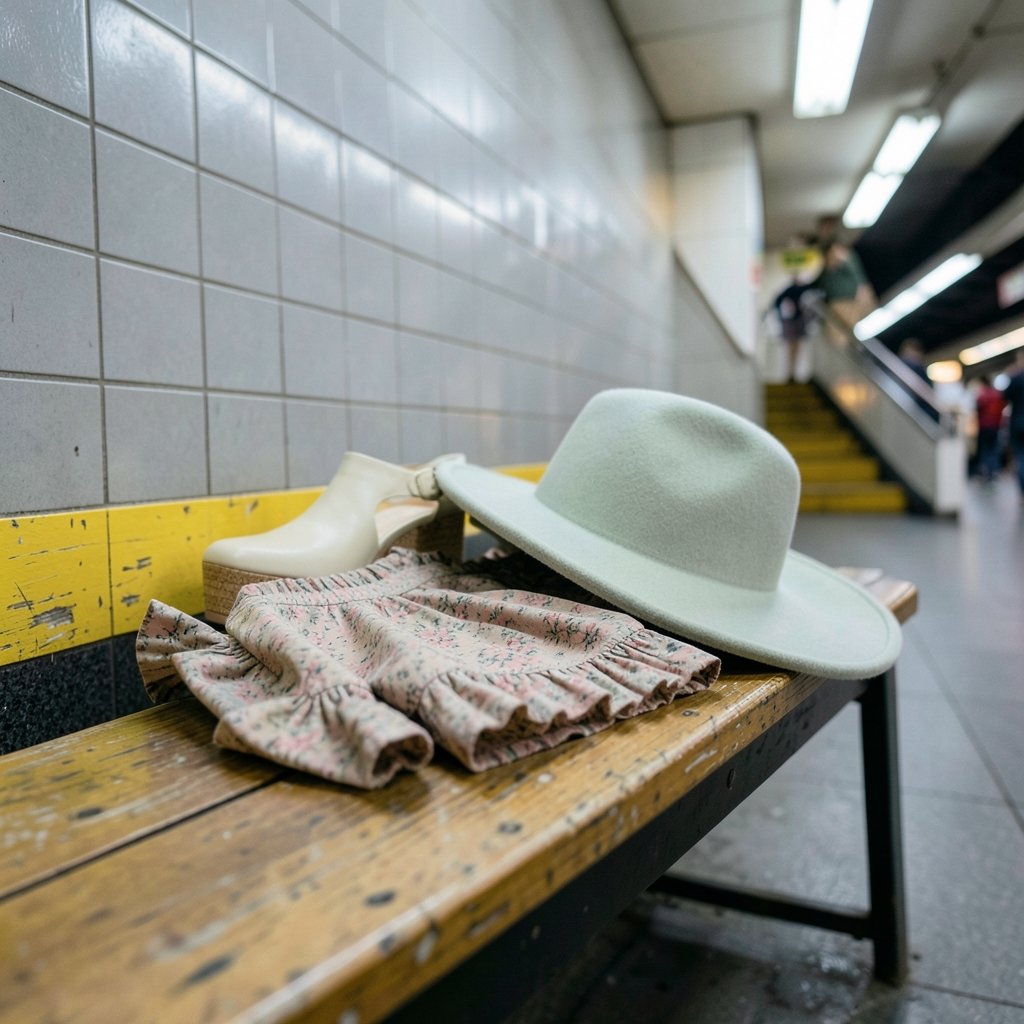
What do you picture when someone says “1970s fashion”? Maybe it’s a pair of sky-high platforms, a prairie dress in dusty florals, or a jumpsuit that looks ready for a dance floor. Here’s the surprising part: all of those images are correct at the same time. The 1970s didn’t hand women one look and call it a day. It handed them a whole closet and told them to choose.
That pluralism is exactly why the decade still fascinates designers and shoppers. Fashion historians often describe the era as “anti-fashion” colliding with glamour, where a woman could wear a maxi skirt to a protest, a wrap dress to the office, and a metallic halter top on Saturday night. Understanding how those styles fit together makes it easier to see why 70s pieces keep returning to modern wardrobes, and how to wear them without looking like a costume.
Why 1970s Women’s Fashion Was So Pluralistic
Most decades have a silhouette. The 1950s had the nipped waist and full skirt. The 1960s had the miniskirt and the mod shift. The 1970s, by contrast, is best described as a mix of styles running side by side. Tailored “power” looks shared rack space with unisex dressing and back-to-nature softness.
Several forces pushed that variety. The women’s movement was reshaping what women expected from clothes, from comfort to self-expression. Youth culture kept driving trends faster. And designers were competing across very different markets at once: ready-to-wear, boutique fashion, and a growing nostalgia for handcraft and rural life.
The result was a decade without a single uniform. A woman in 1974 might own a tailored blazer, a long floral dress, wide-leg trousers, and a pair of wedges, and wear all four in the same month. That flexibility is a big reason the era’s pieces translate so well to how people dress today.
The Hemline Wars: Miniskirts, Midis, and Maxis

The miniskirt didn’t disappear when the 1970s began. It carried over from the late 1960s, when designers popularized the short skirt and it became a symbol of youth rebellion. For a while, it stayed central to young women’s wardrobes.
Then hemlines went in every direction at once. The midi (mid-calf) and maxi (ankle-length) skirt lengths emerged as alternatives in the early 1970s. The arrival of the midi in 1970 was controversial enough that the press covered it as a genuine debate. Women who had fought for the right to wear short skirts weren’t thrilled about being told to drop them.
What actually happened in practice was less dramatic than the headlines. Rather than one length replacing another, the decade settled into a mix. A woman might pair a midi skirt with boots in winter and switch to a maxi dress in summer. The lesson for anyone shopping vintage today: don’t treat hemline rules as fixed. The 70s proved that length is a personal choice, not a decree.
Hot Pants and the Brief Reign of Very Short Shorts
Around 1970 and 1971, hot pants became a short-lived mainstream trend. These were very short shorts, worn as streetwear rather than just for sport, and associated with designers including Mary Quant. They appeared in fashion spreads, on young women in cities, and in the new boutique culture.
The trend burned bright and faded fast. Hot pants were impractical for most daily life and never became a lasting wardrobe staple. But they matter for a simple reason: they show how quickly 1970s fashion could swing from one extreme to another. A style could dominate for a season and vanish, which is part of why the decade feels so restless when you look back at it.
If you’re drawn to the look today, the practical move is to treat hot pants as a styling piece rather than a whole outfit. Pair them with tights and a longer jacket, or wear them over a swimsuit in summer. The spirit of the trend survives better than the exact garment.
Platform Shoes and Wedges: The Decade’s Defining Footwear
Ask anyone to name one 1970s accessory and they’ll probably say platform shoes. Platforms and wedge heels were a defining footwear trend, peaking in the early to mid-1970s. They added height without the thin, unstable heel of a stiletto, and they came in leather, suede, and bold colors.
Wedges deserve equal credit. A wedge sandal or closed wedge shoe was easier to walk in than a platform boot and fit the decade’s casual, outdoor mood. Both styles reflected a broader shift: shoes were becoming statements, not merely finishing touches.
A common mistake when people try 70s footwear today is going too tall too fast. A two-inch platform is easy to wear; a five-inch one is a commitment. Start with a modest wedge, check that the sole flexes at the ball of the foot, and make sure the ankle is supported. That’s what actually works in practice, whether you’re buying vintage or a modern reissue.
Prairie Dresses, Peasant Blouses, and the Back-to-Nature Mood
By the mid-1970s, prairie and peasant styles had become prominent. Think long floral dresses, ruffles, smocking, and loose, flowing shapes. Laura Ashley became closely associated with the look, and it connected to a wider “back to nature” mood that valued handcraft, folk details, and comfort over structure.
This is the style most people picture when they hear “70s fashion,” and it’s also the one most likely to go wrong in modern dressing. A full prairie dress with ruffles at the neck, sleeves, and hem can read as a costume if you wear it head to toe with matching accessories.
What works better is picking one prairie element and letting it lead. A smocked blouse with jeans. A floral midi skirt with a plain tee. A ruffled dress with flat sandals and minimal jewelry. The softness of the style pairs well with the cleaner, more tailored pieces that dominate modern wardrobes, which is why the look keeps resurfacing in seasonal trend reports like these 2026 fashion trends women buy skip actually wear.
The Wrap Dress and Yves Saint Laurent’s Influence
In 1974, Diane von Furstenberg introduced the wrap dress, and it became one of the most iconic women’s garments of the decade. The appeal was obvious: it tied at the waist, flattered a range of body types, packed easily, and worked for both day and evening. It was practical glamour, and it never really left.
Meanwhile, Yves Saint Laurent’s ready-to-wear line, launched in 1966, gave the decade influential safari and peasant collections. Saint Laurent’s work helped legitimize the idea that high fashion could borrow from everyday and folk sources without losing its polish. His influence shows up in the era’s mixing of tailored jackets with soft, flowing pieces.
For anyone building a 70s-inspired wardrobe, the wrap dress is arguably the single most useful purchase. Look for a true wrap (not a fake one with a side zip), a fabric with some weight so it drapes rather than clings, and a tie you can adjust. Those details separate a dress you’ll wear for years from one that sits in the closet.
Punk, Disco, and the Two Extremes of the Late 1970s
The late 1970s split into two very different directions, and both mattered for women.
On one side was punk. Vivienne Westwood and Malcolm McLaren’s London shop opened as “Let It Rock” in 1971 at 430 King’s Road and was renamed “SEX” in 1974. It helped define punk fashion, including for women, with torn fabrics, hardware, and a deliberately confrontational attitude. Punk gave women a way to dress that rejected prettiness entirely.
On the other side was disco. The look, built on wrap dresses, jumpsuits, halter necks, and metallic fabrics, was strongly associated with the late 1970s and amplified by the 1977 film Saturday Night Fever. Disco dressing was about movement and shine, and it made the jumpsuit a genuine wardrobe option for women.
Those two directions sitting side by side is the clearest proof that the decade resisted a single definition. A woman could go from a safety-pinned jacket to a gold lamé jumpsuit without leaving the same era. For a deeper look at how runways turn these moments into modern style, see this piece on how Angelica hicks fashion illustrator turns runway moments into lasting visual references.
How to Wear 70s Fashion Today Without Looking Costumed
The biggest risk with 70s style is overcommitting. Here’s a practical approach that actually works.
- Pick one hero piece per outfit. A wide-leg trouser, a wrap dress, or a platform sandal. Let everything else stay simple and modern.
- Balance volume with fit. Wide trousers need a closer top. A flowing prairie dress needs a defined waist or a cropped jacket.
- Choose two or three 70s colors, not ten. Earth tones like rust, mustard, olive, and cream do most of the work.
- Keep accessories restrained. One bold item, such as a chunky necklace or a wide belt, is enough.
- Check proportions against your own body. A maxi skirt that hits mid-calf on a model may hit your ankle. Hem length changes everything.
The most common mistake is treating the decade as a theme party. Real 70s dressing was everyday clothing, worn with confidence rather than staged. If you’re tracking how these ideas get reinterpreted each season, the broader fashion trends 2026 coverage shows how often 70s references reappear in modern collections.
A Quick Comparison: 70s Looks at a Glance
| Style | Key Pieces | Best For | Watch Out For |
|---|---|---|---|
| Prairie and peasant | Floral midi dress, smocked blouse, ruffles | Daytime, summer, relaxed settings | Too many ruffles at once |
| Disco | Jumpsuit, halter neck, metallic fabrics | Evenings, parties | Shiny fabric plus shiny accessories |
| Tailored 70s | Blazer, wide-leg trousers, belted waist | Work, smart casual | Oversized fit with no structure |
| Punk | Leather, hardware, torn denim | Statement dressing | Reading as a costume |
| Everyday 70s | Wrap dress, wedges, earth tones | Almost anything | Ignoring hem and shoe height |
Why the Decade Still Shapes What Women Wear
The 1970s gave women something the previous decades hadn’t: permission to choose. Short or long, tailored or flowing, glamorous or deliberately rough. That range is why the era keeps coming back. Designers return to it because it offers so many entry points, and shoppers return to it because the pieces are genuinely wearable.
It also helps that 70s fashion was built around real life. Wrap dresses were made to travel. Wedges were made to walk in. Wide-leg trousers were made to sit and move. Those practical virtues outlast any trend cycle, which is why a good 70s piece can stay in a wardrobe for decades while a novelty trend fades in a season.
If you want to explore how the decade’s ideas connect to current style, the 2026 fashion trends female archive and this 2026 Fashion Trends Guide: What’s In, Out & Worth Wearing are useful references. And for the luxury side of the story, the Italian luxury fashion tag shows how European houses absorbed and reshaped 70s codes.
Conclusion
1970s fashion for women wasn’t one look. It was a decade-long argument about hemlines, comfort, glamour, and self-expression, and nobody won. That’s the point. The miniskirt survived, the midi arrived, hot pants flared and faded, platforms and wedges changed how women walked, prairie dresses softened the silhouette, the wrap dress became a classic, and punk and disco pulled in opposite directions at once.
For modern wearers, the takeaway is simple: borrow the era’s confidence, not its excess. Choose one strong piece, balance it with clean modern basics, and pay attention to fit and proportion. Done that way, 70s style stops being nostalgia and becomes a genuinely useful part of a wardrobe.
FAQ
What is the most iconic piece of 1970s women’s fashion?
The wrap dress is a strong contender. Diane von Furstenberg introduced it in 1974, and it became one of the decade’s most recognizable garments because it was flattering, practical, and easy to pack. Platform shoes and prairie dresses are close behind in popular recognition.
Were miniskirts still popular in the 1970s?
Yes. The miniskirt carried over from the late 1960s and stayed central into the early 1970s. It didn’t vanish when midi and maxi lengths arrived; instead, women wore a mix of lengths throughout the decade.
What is the difference between midi and maxi skirts?
A midi skirt falls around mid-calf, while a maxi skirt reaches the ankle or floor. Both emerged as alternatives to the miniskirt in the early 1970s, and the arrival of the midi in 1970 was covered in the press as a controversial change.
Why was 1970s fashion so varied?
The decade had no single dominant silhouette. Tailored power looks, unisex dressing, back-to-nature prairie styles, punk, and disco all existed at the same time. Designers competed across ready-to-wear, boutique fashion, and craft-influenced markets, which produced a wide range of styles rather than one uniform.
What shoes defined 1970s women’s fashion?
Platform shoes and wedge heels were the defining footwear. Both peaked in the early to mid-1970s because they added height with more stability than a thin stiletto heel, and they came in leather, suede, and bold colors.
How can I wear 70s fashion without looking like I’m in costume?
Pick one hero piece per outfit and keep the rest modern. Balance volume with fit, limit yourself to two or three earth-tone colors, and keep accessories restrained. Pay close attention to hem length and shoe height, since those details decide whether a look reads as current or as a theme party.














