



Brown hair comes in more shades than many people realize. It can look almost black in deep espresso, warm and rich in chocolate brown, or light and golden in caramel brown. Some shades have red or copper tones, while others look cool and smoky.
The difference is not only the shade name. Your hair’s natural color, the dye formula, and its underlying tone all affect the final result. Hair care habits also matter. Sun exposure, washing, heat styling, and previous color treatments can change how brown hair looks over time.
This guide explains popular brown hair shades, how to choose an undertone, why brunette color can turn orange, and how to add dimension without changing your entire color. You will also learn how to maintain brown hair without spending money on products you may not need.
Key Takeaways
- Brown hair ranges from deep espresso to light brown, with different warm, cool, and neutral tones.
- Chocolate, chestnut, mocha, ash, and caramel each create a different look.
- Brown hair can turn orange as artificial color fades and warm underlying pigments become visible.
- Blue shampoo may help with orange tones, but not every brunette needs it.
- Babylights, lowlights, highlights, and balayage can add dimension.
- A simple routine with suitable shampoo, conditioner, and heat protection can help maintain colored hair.
- Choose a gloss or color refresh based on your hair’s condition and appearance, not a fixed schedule.
Brown Hair Shades and Their Undertones
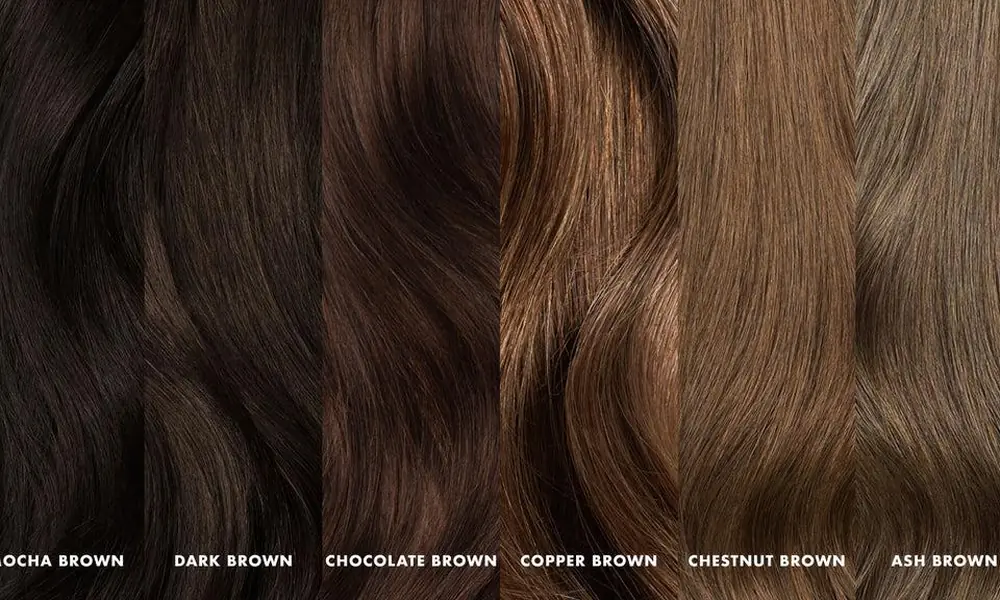
Brown hair ranges from very dark brown to light brown. In many professional color systems, these shades fall around levels 3 to 6, but the exact numbering can vary between brands.
A level describes how light or dark a color is. An undertone describes the warmth or coolness within that shade. Understanding both helps you choose a brown that matches the look you want.
Popular Brown Hair Shades
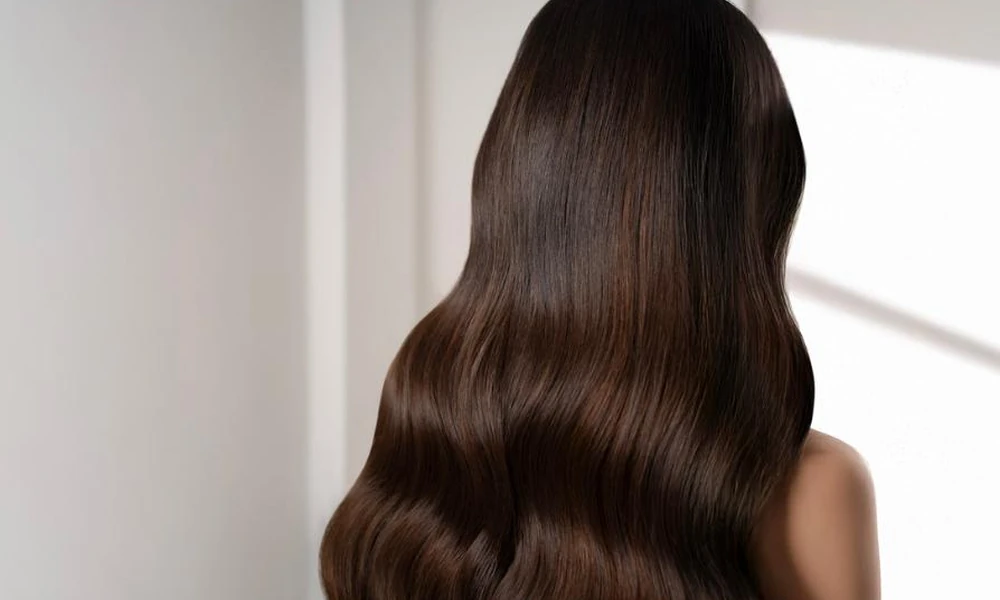
| Brown hair shade | Main undertone | Overall look |
| Espresso brown | Deep, often cool or neutral | Very dark and rich |
| Chocolate brown | Warm or neutral | Soft, rich brown |
| Chestnut brown | Red or golden | Warm with a reddish shine |
| Mocha brown | Neutral or cool | Balanced, soft brown |
| Ash brown | Cool | Smoky brown with less visible warmth |
| Caramel brown | Golden and warm | Lighter brown with golden pieces |
| Light brown | Varies by formula | A softer shade between medium brown and dark blonde |
Espresso brown is one of the deepest brunette shades. It can look almost black indoors but show more brown in natural light.
Chocolate brown has a rich appearance and can lean warm or neutral. It is a popular choice for people who want a natural-looking brunette shade.
Chestnut brown has red or golden warmth. It may look more reddish in sunlight, depending on the formula.
Mocha brown is often a balanced or slightly cool shade. It works well when you want brown hair without a strong golden or red appearance.
Ash brown has cool undertones. It can help create a less warm brunette look, although the result depends on your starting hair color.
Caramel brown adds golden warmth and is often used for highlights or balayage rather than a single all-over shade.
Light brown offers a softer look than deep brunette shades.
Why Brown Hair Turns Brassy or Orange
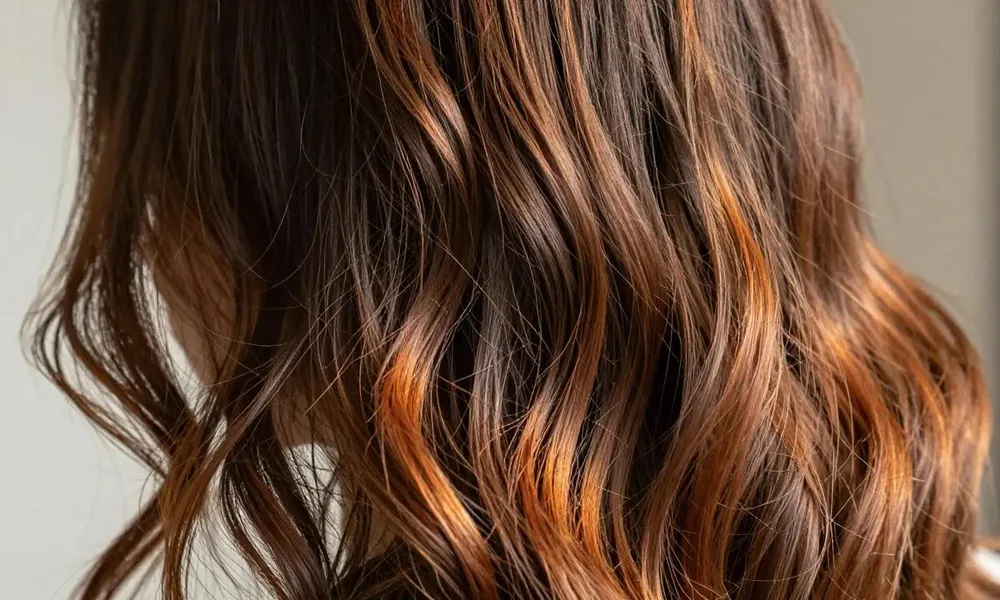
Have you ever noticed your brown hair looking more orange or reddish a few weeks after coloring? This can happen because brown hair color contains underlying warm pigments.
When artificial color fades, some of that warmth becomes more visible. Sun exposure, frequent washing, heat styling, and the condition of your hair can also affect how the shade looks.
The important thing is to identify which unwanted tone you are seeing before choosing a product.
How to Reduce Brassiness
- Use color-safe shampoo: Choose a shampoo that cleans your hair without making it feel overly dry.
- Protect your hair from the sun: Long periods of sun exposure can affect colored hair. Wear a hat when spending extended time outdoors.
- Limit excessive heat: Use a heat protectant before blow-drying, straightening, or curling.
- Avoid unnecessary washing: Wash as often as your scalp needs, rather than following a strict schedule that may not suit your hair.
- Consider a color gloss: A suitable gloss can refresh the tone and add shine, but the formula should match the color you want.
Is Blue Shampoo Good for Brown Hair?
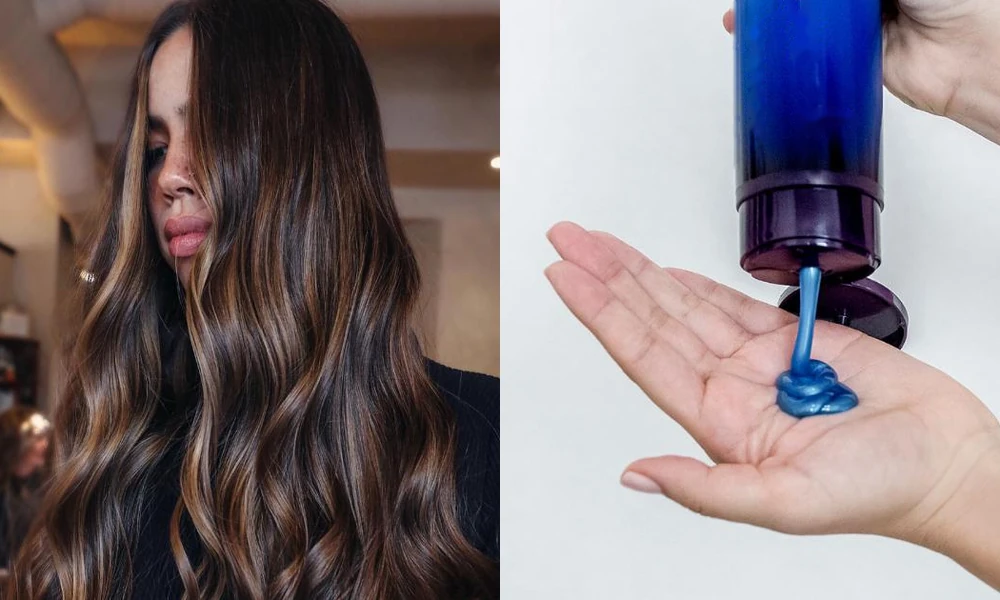
Blue shampoo can help reduce unwanted orange tones in some brown hair shades. Blue pigment works against orange, while purple pigment is generally used to reduce yellow tones.
However, not every brunette needs blue shampoo. If your brown hair looks dull rather than orange, a blue product may not solve the problem. Using a toning shampoo too often can also leave some hair looking dull or darker than expected.
Start with the product instructions and use it only when your hair has the unwanted tone it is designed to correct.
How to Add Dimension to Brown Hair
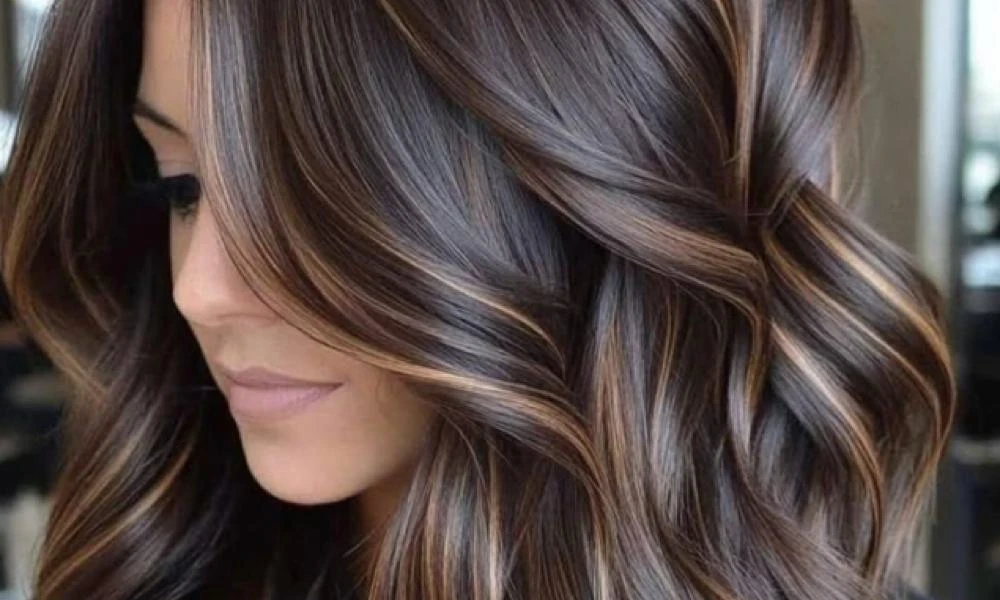
A single brown shade can sometimes look flat, especially when the color is very dark or applied evenly from roots to ends. Dimension adds lighter or darker sections so the hair has more visible contrast.
You do not always need a completely new hair color. A few well-placed sections may be enough to change the overall look.
Babylights
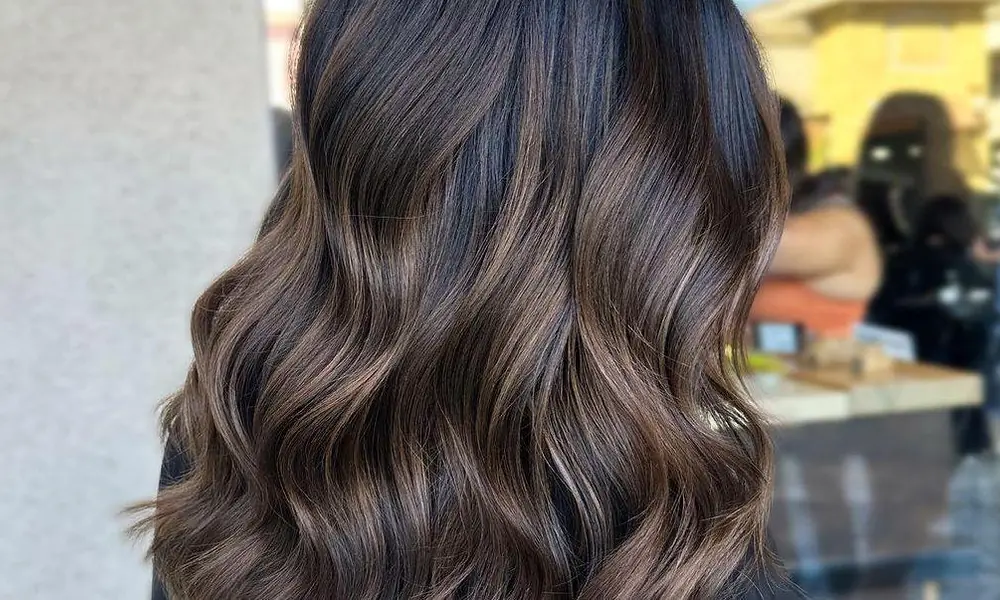
Babylights are very fine highlights placed throughout the hair. They create soft brightness without making the hair look heavily highlighted. They can work well if you want a subtle change rather than bold streaks.
Lowlights
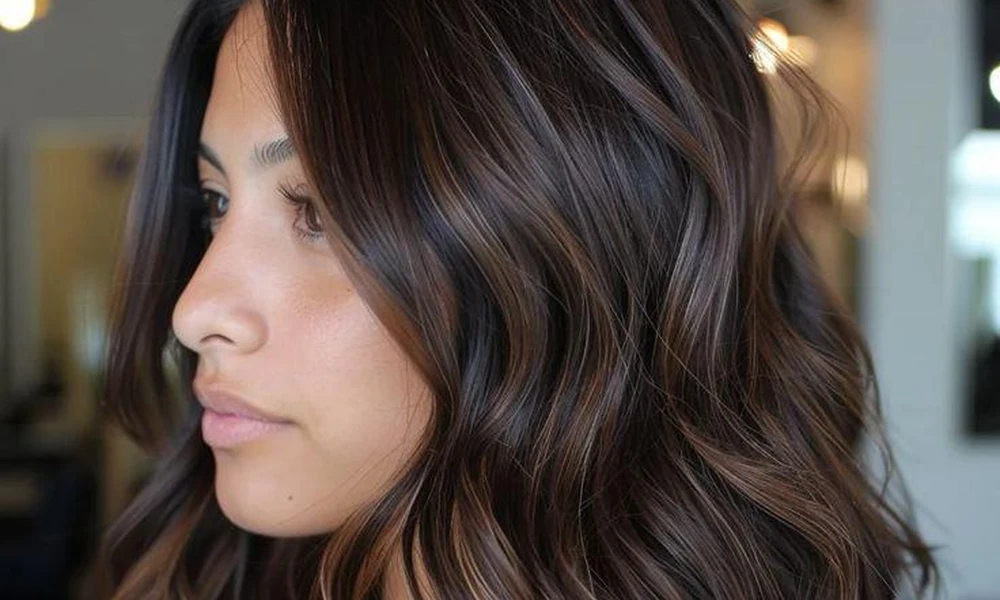
Lowlights add darker sections to the hair. They can create depth when the overall color looks too light or uniform. They are different from highlights because they add darker color instead of lightening selected strands.
Balayage
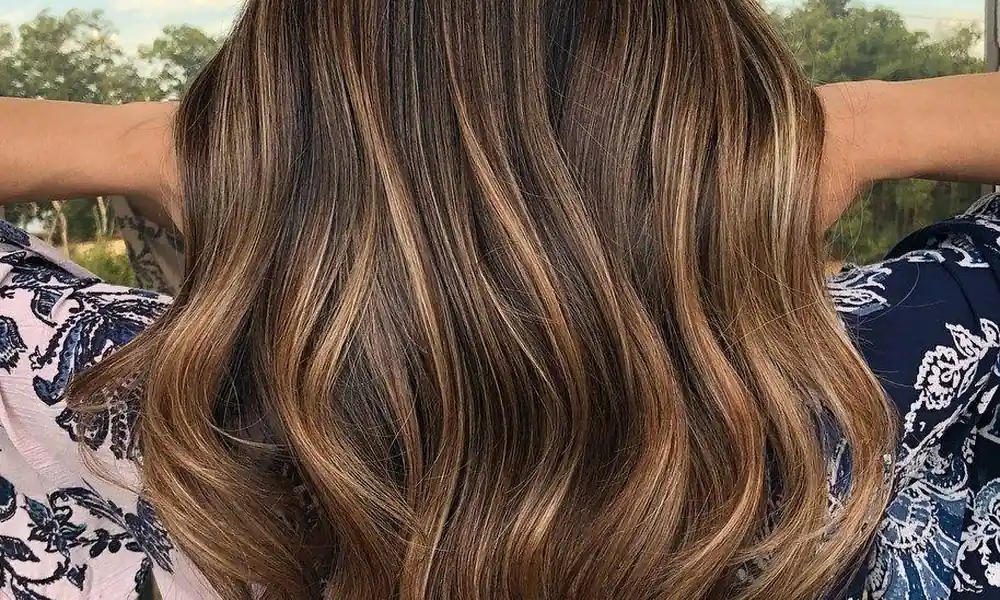
Balayage is a hand-painted coloring technique. A stylist applies lightener or color to selected sections to create a blended result. On brown hair, caramel, honey, and lighter brown tones can add warmth and brightness. The amount of contrast depends on your starting shade and how much lightening is needed.
If you are considering this look, see our guide to balayage on brown hair.
Highlights
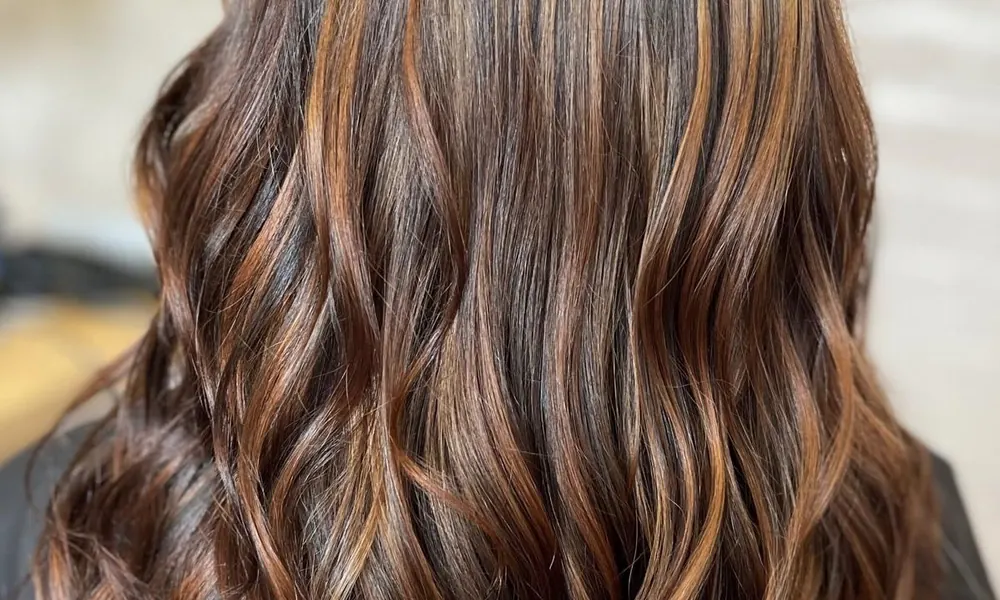
Highlights lighten selected sections of hair, often using foils. They can create more visible contrast than subtle babylights. For example, caramel highlights can brighten a chocolate brown base, while cooler brown highlights can add a softer contrast to darker hair.
How to Choose Brown Hair for Your Skin Undertone
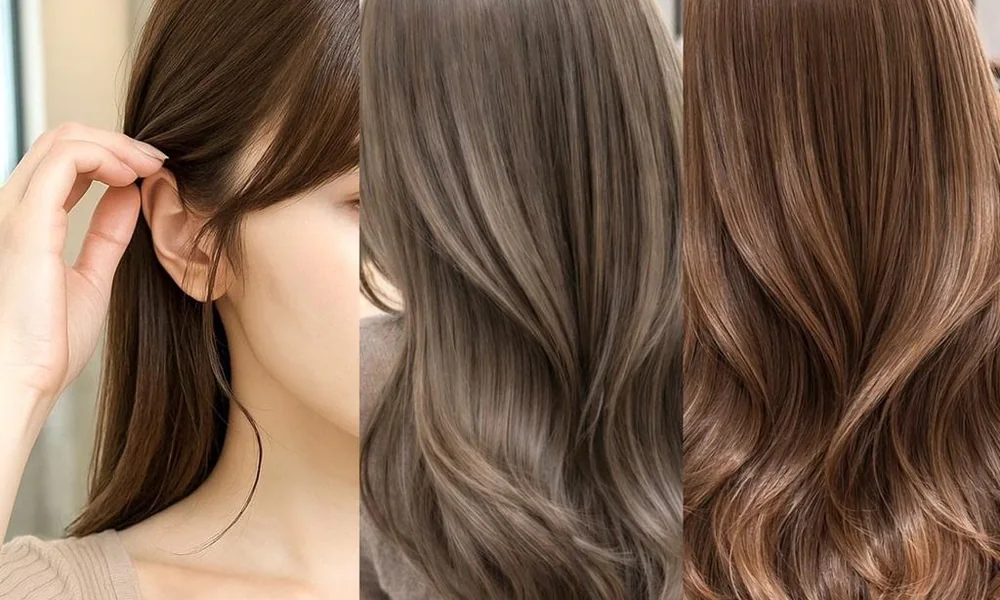
Your skin undertone can help you narrow down brown hair shades, but it should not decide everything. Your natural hair color, personal style, and the amount of contrast you like also matter.
Warm Undertones
Warm undertones often have golden, peachy, or yellow qualities. Shades such as caramel brown, chestnut, and warm chocolate may complement this coloring.
Cool Undertones
Cool undertones often have pink, red, or blue qualities. Ash brown, cool mocha, and some espresso shades may create a balanced look.
Neutral Undertones
Neutral undertones sit between warm and cool. Many brown shades can work, including chocolate, mocha, and balanced light brown.
What If You Are Not Sure?
Look at your skin in natural daylight rather than relying only on indoor lighting. You can also compare different hair color photos against your face.
Vein color and jewelry can offer clues, but they are not exact tests. If you are unsure, ask a colorist to show you a few brown shades before making a major change.
A Simple Maintenance Routine for Brown Hair
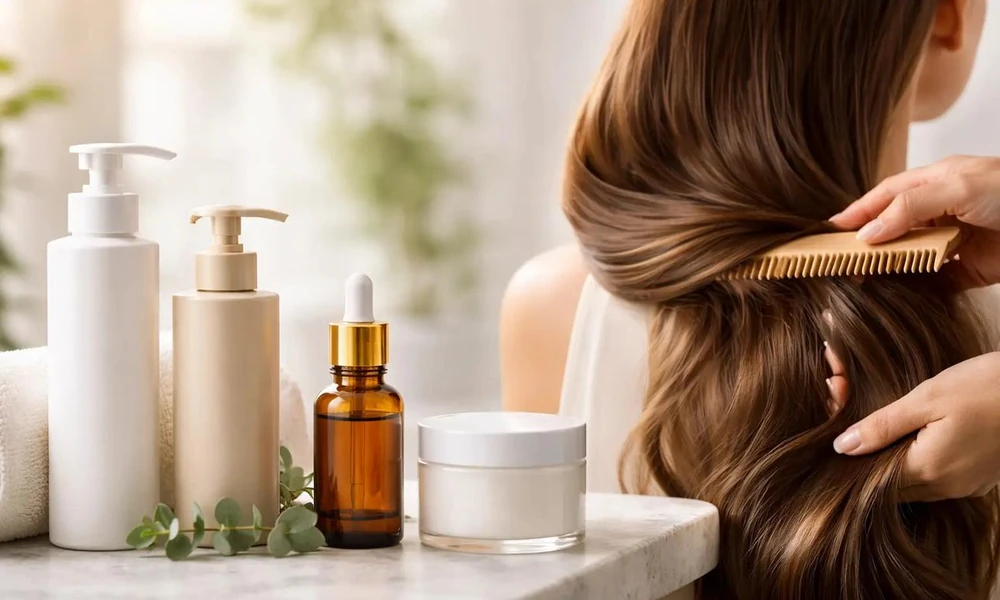
Brown hair does not always need an expensive routine. The right care depends on whether your color is natural, dyed, highlighted, or chemically treated.
1. Wash When Your Hair Needs It
You do not have to wash your hair exactly two or three times a week. Some scalps need more frequent washing, while others do not.
Choose a shampoo that suits your scalp and colored hair. If your hair feels dry after washing, consider using a conditioner that helps with moisture and softness.
2. Use Conditioner Regularly
Apply conditioner mainly to the lengths and ends if your roots become oily easily. It helps reduce tangles and makes hair easier to manage.
If your hair is dry or chemically treated, a conditioning mask once a week may help improve its feel.
3. Protect Hair From Heat
Use a heat protectant before using hot tools. Try to avoid very high temperatures and repeated passes over the same section.
Heat protectant does not prevent all damage, so limiting unnecessary heat is still helpful.
4. Refresh Color When Needed
A gloss or color-depositing conditioner may help refresh faded brown hair. The right option depends on whether you want to add warmth, reduce unwanted orange tones, or restore a more neutral shade.
There is no need to book a gloss every six to eight weeks if your color still looks good. Let the condition and appearance of your hair guide the timing.
5. Be Careful With Home Coloring
If you color your hair at home, follow the product instructions and avoid repeatedly applying permanent dye to already-colored lengths. Overlapping chemical color can increase dryness and breakage.
Read our guide on how to dye hair at home before choosing a home color product.
Expert Tips for Keeping Brown Hair Looking Fresh
Small changes can help your brunette color look better between appointments.
- Choose the right tone first: Decide whether you want warm, cool, or neutral brown before choosing the exact shade.
- Do not buy toning shampoo without a reason: Blue shampoo is useful for unwanted orange tones, but it is not a must-have for every brunette.
- Avoid unnecessary color changes: Repeatedly coloring your hair can make it harder to maintain its condition.
- Protect your hair outdoors: A hat can help reduce direct sun exposure during long periods outside.
- Ask about a gloss before recoloring: If your main problem is faded tone, you may not need a full permanent color service.
- Tell your stylist about previous treatments: Old dye, bleach, and chemical treatments can affect the result of a new brown shade.
Frequently Asked Questions
What level is brown hair?
Brown hair commonly falls around levels 3 to 6 on many professional color charts. The exact level depends on the shade and brand.
Why does brown hair turn orange?
As artificial color fades, warm underlying pigments can become more visible. Sun exposure, washing, and heat styling may also affect the color.
Should I use blue or purple shampoo for brown hair?
Blue shampoo is generally used for orange tones in brown hair. Purple shampoo is mainly used for unwanted yellow tones.
How often should I gloss brown hair?
It depends on how quickly your color fades. You do not need a gloss on a fixed schedule if your shade still looks fresh.
Which brown hair shade suits warm skin?
Caramel, chestnut, and warm chocolate are common options for warm undertones.
Can brown hair have highlights?
Yes. Caramel, honey, and lighter brown highlights can add brightness and dimension to a brown base.
Final Thoughts
Brown hair is not just one color. It can look deep and cool, warm and golden, or soft and neutral. The right shade depends on the tone you prefer, your starting hair color, and the result you want.
Before choosing a new brunette shade, think about how much maintenance it will need. If you want a simple look, an all-over brown may be enough. If you want more brightness and movement, highlights or balayage may be a better choice.
Keep your routine simple, use toning products only when needed, and avoid unnecessary chemical treatments. Healthy-looking hair and a shade you enjoy matter more than following every color trend.
Disclaimer: This article is for general information only. Hair color results vary by hair type, starting shade, and previous treatments; consult a qualified colorist before major chemical changes.









