



Is there really a single bottle that deserves to be called the best whiskey in the world? Anyone who has stood in a well-stocked liquor store knows the answer is complicated. The shelf is crowded with single malt Scotch, Kentucky bourbon, spicy rye, smooth Irish blends, and Japanese whiskies that cost more than a plane ticket. Each one plays by different rules, tastes wildly different, and wins medals in different competitions. So the honest answer is this: the best whiskey depends on what you want from the glass, and a little knowledge goes a long way toward spending your money well.
Why There Is No Single Best Whiskey
Whiskey judging is split by category. Competitions hand out medals for single malt Scotch, bourbon, rye, Irish, and Japanese whiskey separately, because comparing them head-to-head makes little sense. A peated Islay malt and a wheated bourbon share almost nothing except alcohol and oak. Major spirits competitions award Double Gold, Gold, Silver, and Bronze within categories rather than crowning one overall whiskey champion.
That structure matters for shoppers. A bottle labeled “award-winning” tells you it performed well against its peers, not that it beat everything else on the shelf. Two competitions in the same year can also disagree about the top honor in the same category, because panels, blind-tasting protocols, and scoring methods differ. Treat medals as a useful signal, not a verdict.
The Legal Rules That Shape Every Bottle
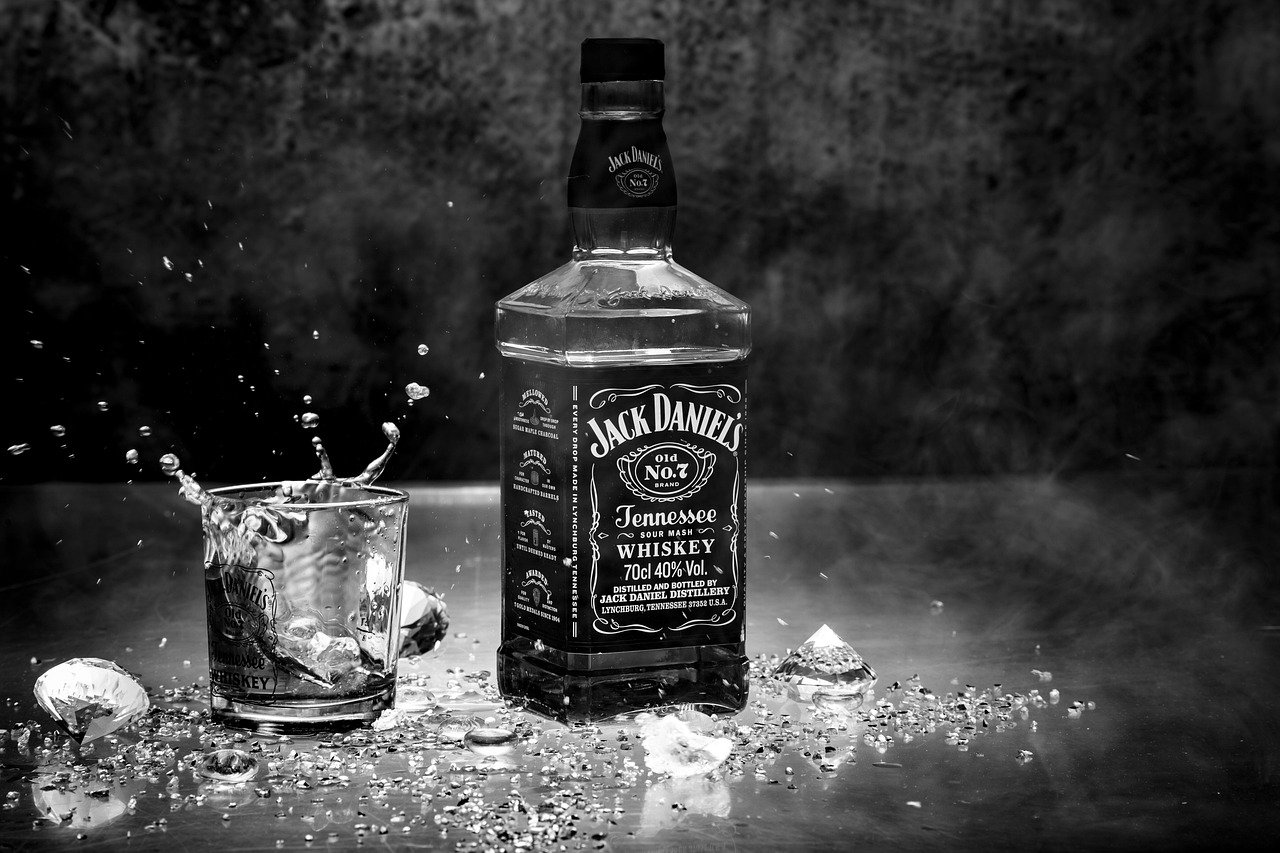
Part of what makes whiskey fascinating is how much law sits behind the label. These rules explain why a Scotch tastes different from a bourbon before you even open the bottle.
| Category | Key legal requirements | Where it must be made |
|---|---|---|
| Bourbon | At least 51% corn in the mash, distilled to no more than 160 proof, barreled at no more than 125 proof, aged in new charred oak | United States |
| Scotch whisky | Aged in oak casks at least 3 years, bottled at no less than 40% ABV; single malt means one distillery and 100% malted barley | Scotland |
| Irish whiskey | Distilled and matured at least 3 years | Ireland |
| Japanese whisky | Japanese production, Japanese malt and water, minimum 3 years aging under 2021 labeling standards | Japan |
Bourbon’s rules come from the federal standards of identity for distilled spirits, and the “straight” designation adds its own requirements, including at least two years of aging. Scotch is governed by regulations that took effect in November 2009. Irish whiskey’s framework dates to a 1980 act. Japan introduced its labeling standards in 2021, with a transition period running to March 2024, which means older bottles on shelves may not follow the current rules.
One more quirk worth knowing: the spelling is regional. Scotland, Canada, and Japan use “whisky,” while the United States and Ireland use “whiskey.” It is the same drink with a different passport.
How to Judge Whiskey for Yourself
The most reliable way to find your best whiskey is to taste with intention. Here is a simple routine that works whether you are at a bar or on your couch.
- Pour a small amount at room temperature. Skip ice at first. Cold dulls aromas and hides flaws.
- Smell before you sip. Hold the glass a few inches from your nose, then bring it closer. Look for grain, fruit, vanilla, smoke, or spice.
- Take a small sip and let it coat your tongue. Note the first flavor, the middle, and the finish. A long, pleasant finish is a mark of quality.
- Add a few drops of water. This can open up aromas, especially in high-proof bottles. Add slowly; you cannot take it back.
- Write down what you taste. A simple note like “caramel, pepper, long finish” is enough. Patterns emerge fast.
The most common mistake is chasing hype bottles before learning your own palate. A limited release that tops a list often gets there partly because it is scarce and expensive on the secondary market, not because it won a blind tasting. Buying a pricey allocated bottle as your first pour is like learning to drive in a sports car.
Another frequent error is judging whiskey by the number on the label. Older does not automatically mean better, and a 12-year age statement says nothing about whether you will enjoy the flavor. Age, proof, and price are clues, not guarantees.
Best Whiskey by Style: What to Expect
Each category has a personality. Knowing the general profile helps you pick a bottle that fits your taste instead of guessing.
Bourbon
Bourbon tends to be sweet and rounded, with vanilla, caramel, and oak from the new charred barrels. Wheated versions swap rye for wheat in the mash and often taste softer. It is a friendly entry point for newcomers and a deep rabbit hole for veterans. If you enjoy the story behind a bottle as much as the pour, the curious case of the Jack Daniels whiskey black label bottle is a fun place to start.
Rye
Rye whiskey brings spice, pepper, and a drier finish. It shines in cocktails like the Manhattan and the Old Fashioned, but good bottles are excellent neat too. Think of it as bourbon’s sharper sibling.
Single Malt Scotch
Single malt Scotch ranges from light and floral to heavily peated and smoky. Region matters less than it once did, since distilleries now experiment freely, but the general split between gentle Speyside styles and bold, smoky Islay malts still holds. Scotch must age at least three years in oak, and most bottles sit well above that minimum.
Irish Whiskey
Irish whiskey is often triple distilled, which tends to produce a smoother, lighter spirit. It is a gentle introduction for people who find Scotch too aggressive. The legal minimum is three years of maturation in Ireland.
Japanese Whisky
Japanese whisky earned global attention for precision and balance. The 2021 labeling standards tightened what can carry the name, requiring Japanese production and at least three years of aging. Bottles made before the transition period may blend in imported spirit, so check the label if authenticity matters to you.
Does Price Predict Quality?
Not reliably. Above a certain point, you are paying for scarcity, packaging, and reputation more than for a better liquid. A well-made bottle at a moderate price can beat a hyped one in a blind pour, and that happens more often than collectors like to admit.
A practical approach is to set a budget and buy the best bottle within it, rather than stretching for one trophy. Spend the savings on a second bottle from a different category. Comparing two decent whiskeys side by side teaches you more than owning one expensive one.
Watch for a few price traps. Limited editions and allocated bottles often carry inflated secondary-market prices. Store picks and single-barrel releases can be excellent value, but they vary from barrel to barrel. And a fancy box says nothing about what is inside. The whiskey itself, not the packaging, is what you drink.
Building a Starter Collection
A smart first shelf covers different styles so you can learn what you love. You do not need many bottles; three or four well-chosen ones will do.
| Slot | What to look for | Why |
|---|---|---|
| Everyday bourbon | A straight bourbon at a fair price | Sweet, reliable, good neat or in cocktails |
| Rye | A bottle with a high rye content | Adds spice and works in classic drinks |
| Single malt Scotch | A 10 to 12 year old from a style you like | Teaches you about malt and smoke |
| Something different | Irish, Japanese, or a cask-strength bottle | Expands your palate and comparison skills |
Store bottles upright, away from direct sunlight and heat. Whiskey does not improve in the bottle the way wine does, and once opened it slowly changes over months. Keep the cork seated and finish open bottles within a reasonable time.
If you are exploring different categories and want to see how styles evolve, browsing tags like 4c hair or The row on lifestyle sites shows how niche interests get organized, and whiskey works the same way: once you pick a lane, the choices get clearer.
Common Mistakes to Avoid
A few habits trip up almost every new whiskey drinker. Avoiding them saves money and disappointment.
- Buying for the label instead of the liquid. Reputation is a starting point, not proof.
- Skipping the taste test. A bar pour costs far less than a full bottle you end up disliking.
- Overchilling. Ice is fine, but heavy chilling mutes flavor.
- Ignoring proof. High-proof whiskey can overwhelm; add water and taste again.
- Assuming older is better. Balance beats age every time.
- Storing bottles on a sunny windowsill. Light and heat degrade whiskey.
The fix for most of these is simple: taste before you commit, take notes, and let your own palate decide. That habit will serve you better than any ranking.
A Note on Drinking Responsibly
Whiskey is an alcoholic beverage, and public-health guidance generally advises limits or abstinence. The pleasure of whiskey comes from tasting and savoring, not from volume. Pace yourself, eat something, and never drink and drive. If you are hosting, offer water and non-alcoholic options so everyone can enjoy the evening.
Conclusion
There is no universal best whiskey, and that is good news. The bottle that deserves the title is the one that fits your taste, your budget, and the way you like to drink. Learn the legal basics that shape each category, taste with intention, and ignore the hype until your own notes tell you otherwise. Start with a few well-chosen bottles across styles, compare them side by side, and let curiosity guide the rest. The best whiskey is not the one on the shelf with the most medals. It is the one you reach for again and again.
What is the best whiskey for beginners?
A smooth, approachable bottle from a major category is the safest start. Many newcomers enjoy an Irish whiskey for its lighter, triple-distilled character or a wheated bourbon for its soft sweetness. The key is to taste a few styles before spending much, so you learn whether you lean toward sweet, spicy, or smoky flavors.
Is expensive whiskey always better?
No. Above a moderate price point, you are often paying for scarcity, packaging, and reputation rather than a noticeably better liquid. A well-made bottle at a fair price can outperform a hyped one in a blind tasting. Set a budget and buy the best whiskey within it, then use the savings to explore a second style.
What is the difference between whiskey and whisky?
It is mostly a regional spelling convention. Scotland, Canada, and Japan spell it “whisky,” while the United States and Ireland use “whiskey.” The underlying drink is the same broad category, though each country’s production rules differ in details like grain, aging, and barrel requirements.
Does age matter in whiskey?
Age is a clue, not a guarantee. Whiskey does not get better simply by sitting longer; it depends on the barrel, the climate, and the spirit. A well-balanced 10-year-old can beat a harsh 18-year-old. Scotch and Irish whiskey require at least three years of aging, but many excellent bottles sit close to that minimum.
How should I store an open bottle of whiskey?
Keep it upright, sealed with its cork, and away from direct sunlight and heat. Whiskey does not improve in the bottle, and an open bottle slowly changes over months as oxygen interacts with it. A cool, dark cabinet is ideal. Finish open bottles within a reasonable time for the best flavor.
Do whiskey awards actually mean anything?
They are a useful signal but not a verdict. Competitions award medals within categories rather than crowning one overall champion, and different panels often disagree about the top honor in the same year. Use awards as one data point alongside your own tasting notes, the price, and what you already know you enjoy.











