


Quick Answer: What “Quiet Wealth” Dressing Really Looks Like in 2027?
Quiet wealth dressing in 2027 means clothes that signal money through fabric, fit, and restraint rather than logos, and you can spot it in unbranded tailoring, tonal palettes, and pieces built to last a decade. The look shows up in capsule wardrobes, made-to-measure basics, and neutral outfits that read as expensive without announcing a brand.
It is not the same as quiet luxury, which became a marketing label, and it is not maximalism, which has taken over many runways. Quiet wealth is closer to a spending philosophy than a trend.
Before adopting it, compare fabric quality, seam construction, fit and alterations, color palette, cost per wear, and how well each piece works with what you already own.
A Question Worth Asking Before You Buy Another Logo
Have you ever walked into a room and instantly known who had money, without seeing a single brand name? That is the whole idea behind quiet wealth dressing.
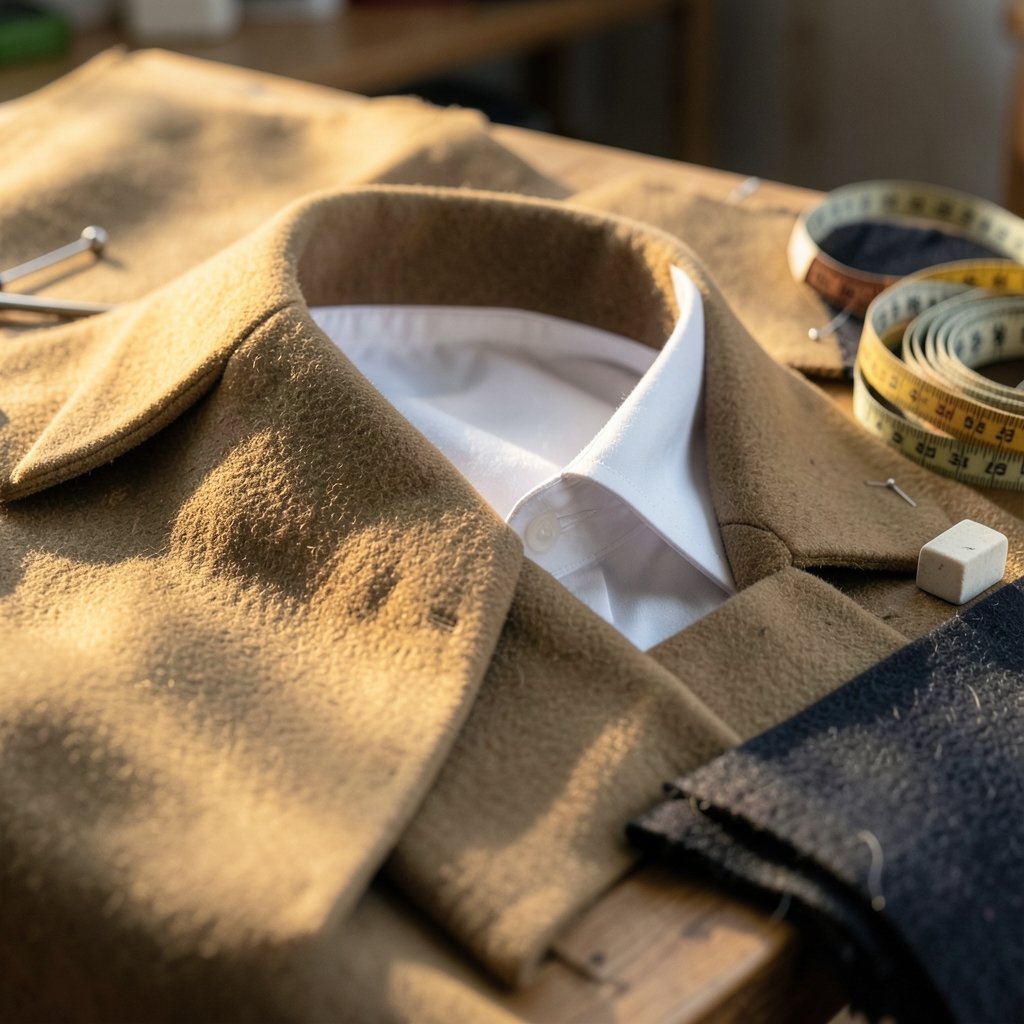
It is a style built on the opposite of flash. No monogram bags held at camera height. No sweatshirts shouting a designer’s name. Instead, you get a wool coat that hangs perfectly, a plain white shirt with a collar that stays crisp, and colors that look like they were chosen on purpose.
The concept has been growing for a while. Personal finance experts Rachel Cruze and George Kamel have broken down the difference between “new money,” “fake rich,” and quiet wealth, noting that the labels are subtle but real. As Kamel put it, it is no longer as simple as being broke or rich.
In 2027, the idea has moved from a social media label into an actual wardrobe strategy. Here is what it really looks like, how to spot it, and how to build it without a trust fund.
What Quiet Wealth Dressing Actually Means
Quiet wealth dressing is buying quality because it lasts, not because it shows off. That framing comes from a widely shared essay on quiet wealth, which argues that truly wealthy people often wear clothes whose quality only connoisseurs recognize.
That is the heart of it. The person wearing the outfit is not acting as a billboard for a brand. The brand speaks quietly, if at all.
This is different from quiet luxury, the term that dominated fashion coverage for several seasons. Quiet luxury became a product category you could buy into with a specific look. Quiet wealth is more of a behavior: fewer pieces, better materials, longer use.
It is also worth separating from old money style, which borrows specific signifiers like tweed, pearls, and equestrian details. Quiet wealth dressing can include those things, but it does not require them. A well-cut navy blazer and plain trousers do the job just as well.
Why the Look Is Shifting in 2027
Here is the twist. Runway coverage of the spring 2027 collections in New York, London, Milan, and Paris declared that quiet luxury had “left the chat.” Maximalism returned in force, with fur, feathers, paillettes, and glittering beads.
So why is quiet wealth dressing still relevant? Because runway trends and real wardrobes are not the same thing. Most people are not shopping for feathered evening wear. They are shopping for clothes they can wear to work, to dinner, and to their kid’s school event.
Meanwhile, the broader cultural mood has turned against visible spending. An analysis of the shift noted that looking rich is going out of style while quiet wealth makes a comeback, largely because peace of mind and privacy are harder to monetize than a logo.
The result is a split. Fashion’s front row gets louder. Everyday wardrobes get quieter and more deliberate. That gap is exactly where quiet wealth dressing lives in 2027.
What It Looks Like in Practice
If you want to recognize the look, here are the visual markers that come up again and again.
| Element | What Quiet Wealth Looks Like | What It Is Not |
|---|---|---|
| Branding | No visible logos, or tiny tonal ones | Large monograms, slogan pieces |
| Palette | Navy, cream, camel, grey, olive, black | Neon, high-contrast prints, trend colors |
| Fabric | Wool, linen, silk, cotton, good knits | Thin synthetics, shiny blends |
| Fit | Tailored, often altered to the body | Oversized for the sake of it, or tight |
| Accessories | One or two quality pieces | Stacked statement pieces |
| Condition | Pressed, mended, well kept | Wrinkled, worn-out, disposable |
Notice that none of these require a designer price tag. Styling advice on dressing luxuriously makes the same point: looking rich has more to do with technique than budget, and a minimalist monochrome outfit is one of the fastest ways to feel expensive.
That is genuinely good news. A monochrome outfit in a fabric that drapes well will outclass a logo-heavy look almost every time.
The Building Blocks of a Quiet Wealth Wardrobe
Start With the Coat
A good coat does more work than any other item. A wool or wool-blend coat in camel, navy, or charcoal covers everything underneath, so a simple outfit instantly reads as considered. Look at the shoulders first, then the lining, then the buttons.
Get the Fit Right
Off-the-rack clothing fits almost nobody perfectly. The single most effective quiet wealth move is a trip to a tailor. Taking in a waist, shortening a sleeve, or hemming trousers costs far less than a new wardrobe and changes how everything looks.
This is the mistake most people make. They buy more clothes hoping the look will appear, when the real issue is that nothing fits properly.
Choose a Tight Palette
Pick three or four colors and stick to them. Navy, cream, grey, and one warm neutral covers most situations. When everything coordinates, getting dressed becomes faster and the results look intentional.
Buy Fewer, Better Pieces
The math matters here. A cheap sweater that pills after ten wears is more expensive per wear than a good one that lasts five winters. Track cost per wear instead of sticker price.
If you are curious how income and spending choices play out in creative fields, the breakdown of what fashion designer salary numbers really look like in 2026 is a useful reality check on how much wardrobe budget is actually realistic for most people.
Quiet Wealth vs. Fake Rich: Telling Them Apart
The distinction between quiet wealth and “fake rich” has become a popular conversation topic, and it is genuinely useful for shopping.
Fake rich tends to look like this: the newest phone, the biggest car payment, the recognizable bag, and very little in savings. Quiet wealth tends to look like this: an older car that runs well, a smaller house in a good location, and clothes that were bought once and worn for years. (Fran time good crossfit fran score really looks like)
The same logic applies to experiences. In a breakdown of wealth habits, the hosts noted that true quiet wealth tends to seek unique, off-the-beaten-path experiences rather than the most photographed ones. A suite at a concert is not the quiet wealth move. A trip nobody posts about might be.
You can see the same instinct in travel. It is the difference between a resort chosen for how it photographs and one chosen for how it feels, a contrast that shows up in what the Maldives capital, Malé, is really like once you get past the brochure shots.
How to Build the Look Without Overspending
Here is a practical sequence that works for almost any budget.
- Audit what you own. Pull out everything. Separate pieces that fit well from pieces that do not. Most people find they already own half of a quiet wealth wardrobe.
- Pick your palette. Choose three to four colors that work together and with your skin tone.
- Fill gaps with fabric first. When you buy, check the label. Natural fibers and dense knits beat thin blends.
- Budget for alterations. Set aside a small amount per piece. It is the highest-return money you will spend on clothing.
- Care for what you have. Learn to wash wool correctly, store knits folded, and repair small damage early.
- Wait before buying. Give yourself a week. If you still want it, and it fits your palette, buy it.
That last step kills most impulse purchases, which is exactly the point.
Common Mistakes People Make
The biggest error is confusing quiet wealth with expensive. A five-hundred-dollar shirt with a visible logo is not quiet wealth dressing. It is branding.
The second mistake is buying the aesthetic instead of the quality. Tweed blazers and pearl earrings can look wonderful, and outfit guides for old money looks lean on them heavily. But if the fabric is thin and the fit is off, the effect collapses.
The third mistake is ignoring maintenance. Quiet wealth dressing depends on clothes looking cared for. A wrinkled linen shirt reads as careless, not relaxed. A pressed one reads as deliberate.
The fourth mistake is overcorrecting into dullness. Quiet does not mean invisible. A single well-chosen accessory, a good watch, a scarf with texture, or a pair of well-made shoes keeps a neutral outfit from going flat.
Where the Trend Is Heading
Two forces are pulling in opposite directions. Runway fashion is leaning loud, with maximalism dominating the spring 2027 shows. At the same time, the cultural conversation around wealth is leaning quiet, with more people openly skeptical of visible spending.
The likely outcome is a split wardrobe. Loud pieces for occasions, quiet pieces for everything else. Quiet wealth dressing becomes the default, not the statement.
There is also a practical angle. As resale and repair culture grows, clothes that hold up become more valuable. A well-made coat can be resold, handed down, or worn for fifteen years. A trend piece cannot.
If you want a parallel from another corner of culture, look at how fitness communities obsess over measurable standards, like what a good CrossFit Fran time really looks like. Style works the same way. Once you know what quality looks like, the flashy version stops being impressive.
Conclusion
Quiet wealth dressing in 2027 is not about hiding your money or pretending to be something you are not. It is about spending deliberately. It is choosing a coat that fits, a palette that works, and fabrics that survive more than one season.
The look is easy to spot once you know what to look for: no logos, good fit, restrained color, and clothes in excellent condition. The good news is that none of it requires a huge budget. It requires patience, a tailor, and the willingness to buy less.
Start with what you already own. Fix the fit. Cut the palette. Then add slowly, one good piece at a time. That is what quiet wealth actually looks like, and it holds up far better than any trend.
Frequently Asked Questions
Is quiet wealth dressing the same as quiet luxury?
No. Quiet luxury became a marketing category with a recognizable look you could buy into. Quiet wealth dressing is a spending philosophy: fewer pieces, better materials, longer use. The two overlap visually, but quiet wealth does not depend on any specific brand or trend cycle.
Do you need expensive clothes to pull off this look?
Not at all. Fit, fabric, and color do most of the work, and all three are achievable at mid-range prices. A tailor can transform an inexpensive jacket, and a tight palette makes budget pieces look coordinated. Cost per wear matters far more than the original price tag.
What colors work best for a quiet wealth wardrobe?
Navy, cream, camel, charcoal, grey, and olive cover most situations and mix easily with each other. The goal is a palette where everything coordinates, so getting dressed takes less effort and the result looks intentional rather than random.
How many pieces does a quiet wealth wardrobe actually need?
Most people can build a workable version with roughly twenty to thirty core pieces, including outerwear, trousers, shirts, knitwear, and shoes. The exact number matters less than whether each piece fits well and works with the others.
What is the biggest mistake people make when trying this style?
Buying more clothes instead of fixing the ones they own. Poor fit is the most common reason an outfit looks cheap, and alterations are usually cheaper than a new purchase. The second biggest mistake is ignoring care, since wrinkled or worn-out pieces undercut the whole effect.
Does quiet wealth dressing apply to men as well as women?
Yes. The principles are identical: no visible logos, neutral palette, good fabric, proper fit, and careful maintenance. Men’s quiet wealth dressing tends to lean on tailored trousers, knit polo shirts, unstructured jackets, and quality leather shoes, but the underlying rules do not change.











