


What if the biggest upgrade to your morning coffee isn’t a new bean, a new mug, or a new brewing method, but simply grinding seconds before the water hits? That’s the promise of a coffee maker with a built-in grinder: whole beans go in one end, fresh coffee comes out the other, and the stale pre-ground bag in the cupboard becomes a backup plan rather than the default. The category has also gotten crowded, with machines ranging from roughly $100 budget brewers to premium bean-to-cup espresso systems. This roundup narrows the field to specific machines that genuinely fit different kitchens and budgets, with the trade-offs spelled out plainly.
The Shortlist at a Glance

| Machine | Best for | Brew style | Grinder | Price signal |
|---|---|---|---|---|
| De’Longhi TrueBrew | One-touch flexibility | Drip plus espresso-style shot | Built-in conical burr | $520 |
| Philips All-in-1 Brew HD7900/50 | Full pots and single mugs | Drip | Built-in grinder, two bean containers | Not stated in research |
| De’Longhi Magnifica Evo Next | Hands-off milk drinks | Super-automatic espresso | 13 grind settings | Not stated in research |
| De’Longhi La Specialista Arte Evo | Hands-on home baristas | Semi-automatic espresso | Built-in grinder | Not stated in research |
| Budget ceramic-burr drip model (avigator) | Tight budgets | Drip | Ceramic burr | Under $150 |
| Premium bean-to-cup (Siemens EQ900 Plus) | Maximum convenience | Bean-to-cup espresso | Built-in | Premium tier |
De’Longhi TrueBrew: The Most Flexible Single-Serve Machine

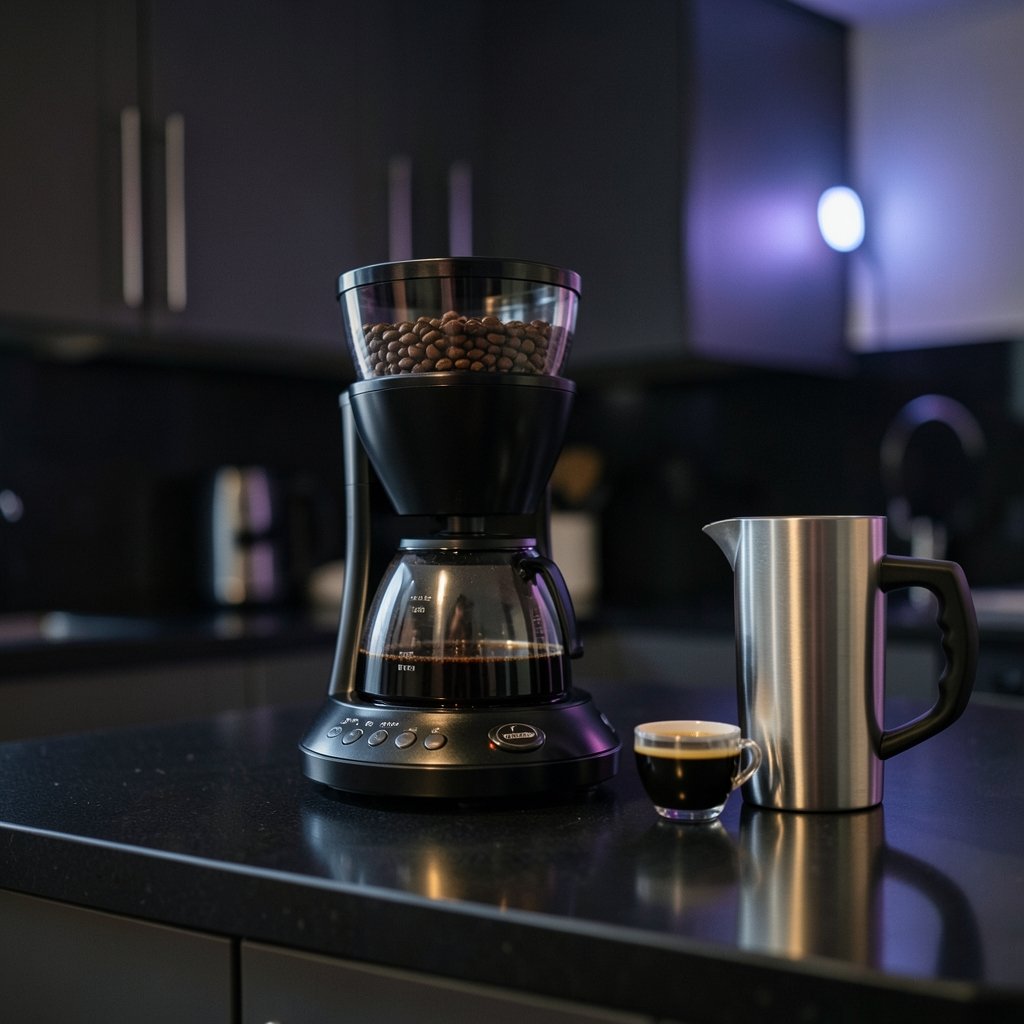
If one household member wants a 24-ounce travel mug and another wants a 3-ounce espresso-style shot, the TrueBrew is built for exactly that argument. It offers six brew sizes from 3 to 24 ounces and five brew styles, including Light, Gold, Bold, Over Ice, and an espresso-style concentrate. A version with a thermal carafe brews up to a 40-ounce pot.
The conical burr grinder produces consistent grounds, and the machine uses less plastic than many competitors, which matters to buyers who care about materials. Customer service is reported as strong when problems arise, which is rarer than it should be in this category.
The limitation is real: the machine carries a 3.5-star average rating in one published review roundup, so it is not a slam dunk for every buyer. At $520, it is also a premium purchase. Anyone who mostly drinks plain drip coffee may find the espresso-style shot and iced settings to be features they pay for and never touch. If that sounds like you, a simpler drip machine may serve you better than a do-everything box.
Philips All-in-1 Brew HD7900/50: Best for Pots and Mugs Alike
Plenty of grinder-equipped brewers force a choice: commit to a full carafe or commit to single servings. The Philips All-in-1 Brew does both. It brews into the glass jug or directly into a cup, mug, or tumbler, so a quick solo cup and a weekend pot both work without changing machines.
The standout feature is the duo-bean container, which lets you keep two different beans loaded and switch between them. That is genuinely useful for a household split between a dark breakfast roast and a lighter afternoon blend, and it beats emptying a hopper every time someone wants a change. Smart Dosing handles the coffee-to-water ratio automatically, which removes the most common source of weak or bitter pots. A detachable water tank makes refilling less awkward in tight counter space, and the machine carries a two-year warranty.
The catch is availability and pricing transparency: this model is listed through Philips’ Australian site, so buyers elsewhere should confirm local availability and price before planning around it. It is also a drip machine at heart, so espresso drinkers will need a separate tool.
De’Longhi Magnifica Evo Next: Push a Button, Get a Latte
For the person whose ideal morning involves zero manual steps between bed and a cappuccino, the Magnifica Evo Next is the closest thing to a coffee shop counter in appliance form. It offers 13 one-touch recipes, a built-in grinder with 13 grind settings, and a Lattecrema system for milk froth. Three user profiles let each drinker save their own settings, and the 2.4-inch color touchscreen keeps the controls readable. Removable parts are dishwasher-safe.
The practical appeal is best illustrated by the kind of test that matters: a complete beginner pressing one button and producing a cappuccino that holds up next to a cafe version. That is the whole pitch of super-automatic machines, and this one delivers it.
Two honest caveats. Some users report inconsistencies in milk froth quality, so texture purists may be disappointed on occasion. And super-automatic means less hands-on control by design; anyone who wants to dial in a shot by feel will feel boxed in. The milk system also adds cleaning steps that owners should not skip.
De’Longhi La Specialista Arte Evo: For the Tinkerer
Not everyone wants the machine to make every decision. The La Specialista Arte Evo is a semi-automatic espresso machine with a built-in grinder, four preset recipes, a powerful milk frother, and a barista toolkit in the box. It sits at the point where convenience meets craft: the grinder is integrated, but dosing, tamping, and pulling the shot stay in your hands.
One long-term owner described graduating from a pod machine through a super-automatic to this semi-automatic model as coffee taste developed, and noted the quality gap between the technologies is larger than expected. That is the honest case for this machine: it rewards people who want to learn.
The limitation is equally clear. It demands attention, a little practice, and tolerance for the occasional bad shot while you learn. It is also a single-purpose machine in a way drip brewers are not. One buyer who opened the grinder found a small piece of metal in the burr, a reminder to inspect new equipment before first use.
The Budget Option: Ceramic Burr Drip Under $150
You do not need to spend several hundred dollars to grind fresh. A compact drip coffee maker with a ceramic burr grinder sells for under $150 and covers the basics well. Ceramic burrs stay sharp longer than steel and do not conduct heat, which protects flavor oils during grinding. The machine also includes an auto powder path self-cleaning feature, a reusable filter that saves money on paper, and dual use for whole beans or pre-ground coffee.
Its weaknesses are the usual budget compromises: some users report weak coffee at default settings, the water level indicator can be hard to see, and the glass carafe is not tempered, so it can shatter if dropped. Treat the carafe gently and bump the strength setting up, and this is a sensible first step into fresh-ground coffee.
At the other extreme, premium bean-to-cup machines like the Siemens EQ900 Plus come closest to a personal barista, with a price to match. A barista-reviewed roundup described the category as making fresh beans as simple as pods, which is the right frame: you are buying convenience, and the hardware is one part of the purchase.
How to Choose Without Overthinking It
Start with the drink you actually make most mornings, not the one you imagine making. That single question eliminates most of the list.
- Count your daily cups and drinkers. A household of four that drains a pot needs a carafe machine. A solo espresso drinker does not.
- Decide how much control you want. Super-automatic machines do everything; semi-automatic machines leave the craft to you.
- Check the grinder type. Burr grinders, ceramic or steel, produce more even grounds than blade setups.
- Measure your counter. Hopper height and water tank placement decide whether a machine fits under cabinets.
- Factor in cleaning. Milk systems and brew paths need regular attention; a machine you dread cleaning becomes a shelf ornament.
- Confirm local price and warranty. Several models above are listed in specific markets, so verify before buying.
A common mistake is buying for the espresso you drink twice a week instead of the drip you drink daily. Another is ignoring the hopper: an eight-ounce hopper holds enough beans for several days, but beans stale faster in a hopper than in a sealed bag, so buy smaller amounts. If you are still deciding between machine types, this guide to the best coffee makers 2025 actually matters before you buy walks through the trade-offs. And if you would rather pair a separate grinder with a brewer you love, learn how to choose best coffee grinder your kitchen your cup before committing.
Practical Tips That Actually Make a Difference
Freshness beats features. Whole beans ground seconds before brewing outperform expensive pre-ground coffee in a cheap machine, every time. Store beans in an airtight container away from light and heat, and grind only what you need.
Descale on schedule. Hard water is the quiet killer of grinder-equipped machines. Follow the manual’s descaling interval rather than waiting for a warning light, and use filtered water if your tap runs hard.
Do not skip the first-run clean. New machines can carry manufacturing residue; run the cleaning cycle before your first brew, and inspect the burr area as one buyer learned to do.
Keep spent grounds out of the sink. They are a genuinely useful garden amendment; this piece on coffee ground medium use spent grounds growing plants explains how to put them to work. And if you brew a pot you cannot finish, a good thermal carafe keeps it drinkable; see what actually keeps it hot and tasting good.
Conclusion
The best coffee maker with a grinder is the one that matches your actual habits, not the most feature-packed box on the shelf. The De’Longhi TrueBrew wins on flexibility for mixed households, the Philips All-in-1 Brew handles pots and single mugs with two beans on standby, the Magnifica Evo Next removes nearly all effort from milk drinks, and the La Specialista Arte Evo rewards anyone who wants to learn the craft. Budget buyers can start fresh for under $150 with a ceramic burr drip machine and upgrade later. Pick the drink, count the cups, check the counter, and the shortlist above will do the rest.
Frequently Asked Questions
Is a coffee maker with a built-in grinder worth it?
For most daily coffee drinkers, yes. Grinding immediately before brewing preserves flavor compounds that fade quickly in pre-ground coffee, and a built-in grinder removes the separate step that makes people skip fresh grinding. The trade-off is cleaning and a higher upfront price than a basic drip machine.
What is the difference between a bean-to-cup machine and a drip coffee maker with a grinder?
A bean-to-cup machine typically brews espresso and espresso-based drinks, grinding and dosing each shot automatically. A drip coffee maker with a grinder brews filter coffee in larger volumes, from a single mug to a full carafe. The right choice depends on whether your default drink is espresso or drip.
How often should I clean a coffee maker with a grinder?
Follow the manufacturer’s schedule, which is usually based on brew cycles or water hardness. As a rule, rinse removable parts daily, clean the brew path and milk system weekly if used, and descale on the manual’s recommended interval. Skipping descaling shortens machine life.
Do ceramic or steel burrs make better coffee?
Both produce even grounds when sharp. Ceramic burrs stay sharp longer and do not conduct heat, which protects flavor oils during grinding. Steel burrs are durable and common in premium machines. The bigger factor is grind consistency and freshness, not the material alone.
Can I use pre-ground coffee in a grinder-equipped machine?
Many models, including budget ceramic-burr drip machines, offer dual use for whole beans or pre-ground coffee. Check the manual first: some machines bypass the grinder automatically, while others require a specific setting. Keep pre-ground as a backup rather than the default.
How much should I budget for a coffee maker with a grinder?
Options exist from under $150 for a compact ceramic-burr drip machine to $520 for a flexible single-serve model, with premium bean-to-cup machines costing more. Set your budget after deciding on drink type, since paying extra for espresso features you will not use is the most common overspend.











