A good face primer is the quiet step that makes the rest of your makeup behave. It smooths the surface, grips foundation, softens the look of pores, and keeps everything in place through a long day. The problem is not finding a primer. It is finding one that suits your skin, works with the foundation you already own, and does not pill, slide, or make your base look heavier than it needs to be.
That is why this guide is organised by skin type and finish, not just by popularity. A gripping, hydrating primer can transform dry skin and feel sticky and heavy on oily skin. A mattifying primer can keep shine under control for hours and leave dry skin feeling tight and flat. Price is a poor guide on its own. Some of the most reliable primers are under twenty dollars, and some of the most expensive are the hardest to use every day.
Below are nine face primers worth considering in 2027, from a classic pore-blurring formula to a budget grip primer that has become a staple in many makeup bags. Each one is described by what it is good at, what to watch for, and who it suits best, so you can choose with your skin in mind, not just a bestseller list.
Key takeaways
- A face primer sits between skincare and foundation, smoothing texture and helping makeup last longer.
- Hydrating and gripping primers suit dry and normal skin, while mattifying and blurring primers suit oily and combination skin.
- Use a pea-sized amount on clean, moisturised skin and let it set for a minute before foundation.
- Match your primer to your foundation: water-based primer with water-based foundation, silicone-based with silicone-based.
- No primer fixes a damaged skin barrier or replaces sunscreen, and a primer that pills, stings, or breaks you out should be swapped, not pushed through.
What a face primer actually does for makeup
A face primer creates a thin, even layer between your skincare and your makeup. In plain terms, it fills in the tiny texture differences on the skin surface, so foundation spreads more evenly and sits on top of the skin instead of sinking into pores and fine lines. It also gives foundation something to hold on to, which is why a good primer can add hours to the wear of a base that otherwise fades by mid-afternoon.
What it does not do is change your skin. A primer will not shrink pores permanently, erase texture, or treat the dryness or oiliness underneath your makeup. It manages the surface for the day, and the result depends on the skin underneath it. A primer applied over dry, flaky skin will still look dry. A primer applied over skin that has not been moisturised will often grip in patches and look uneven by lunchtime.
That is why the step before primer matters as much as the primer itself. Cleanse, moisturise, and let your skincare absorb for a minute or two. Sunscreen goes on before primer in the morning, and it also needs a moment to settle. When the base is calm and hydrated, a primer can do its real job, which is to make the makeup on top of it look smoother and last longer.
How we chose these primers and what to look for
Look first at the finish and the formula type. Hydrating primers feel like a light gel or cream and leave skin looking dewy. They suit dry, normal, and mature skin. Mattifying primers control shine and suit oily and combination skin. Blurring primers use silicones to soften the look of pores and fine lines. Grip primers feel slightly tacky and hold foundation in place, which suits long days and special occasions.
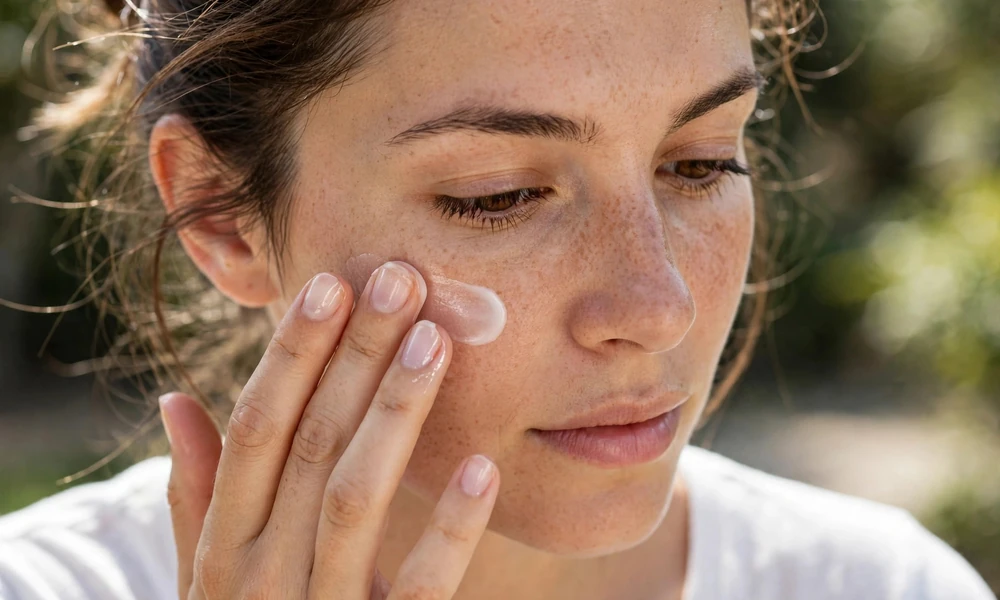
Look next at the ingredient list. Hyaluronic acid and glycerin add hydration and comfort. Niacinamide can help with the look of pores and uneven tone over time. Silicones such as dimethicone give that smooth, blurred feel, but they can pill if layered over a heavy moisturiser or an incompatible foundation. Fragrance-free formulas are the safer choice if your skin is sensitive or reactive.
Finally, check compatibility with your foundation. A water-based primer and a silicone-based foundation often separate, pill, or slide apart, and the reverse is just as true. If your base has been pilling, the primer and foundation pairing is usually the cause, not either product on its own. Our guide to how to layer makeup for a flawless base explains the order that keeps each layer sitting well on the one below it, and it is worth reading before you change anything else in your routine.
The 9 best face primers of 2027
Smashbox Photo Finish Foundation Primer
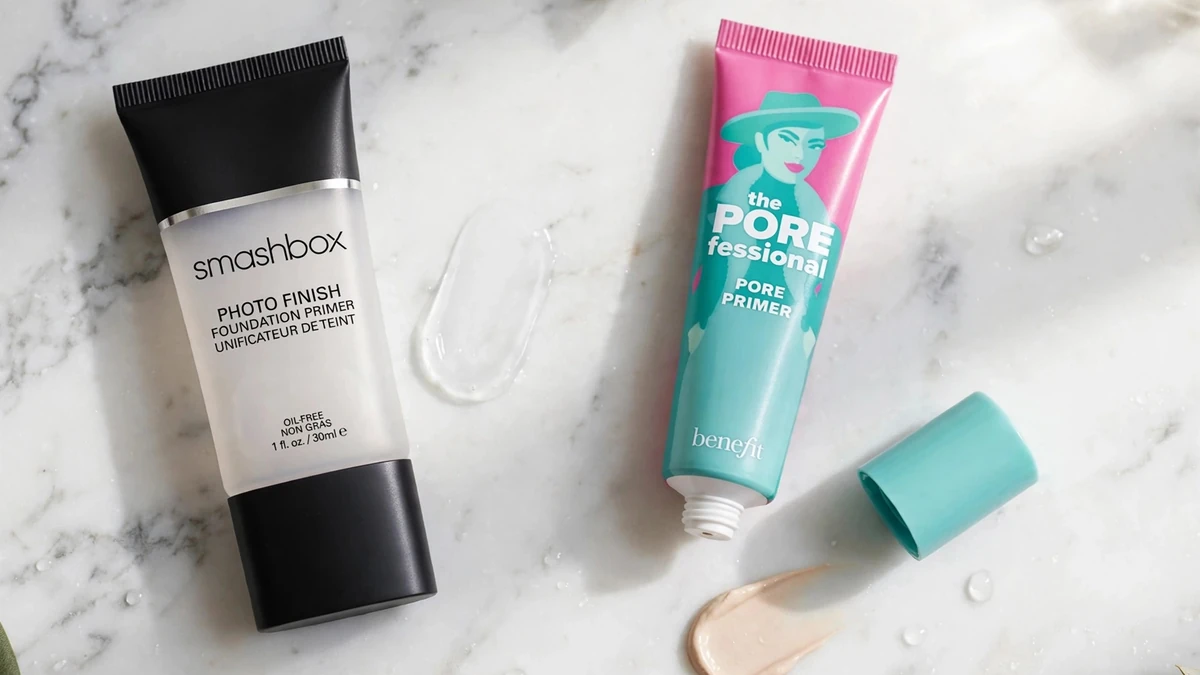
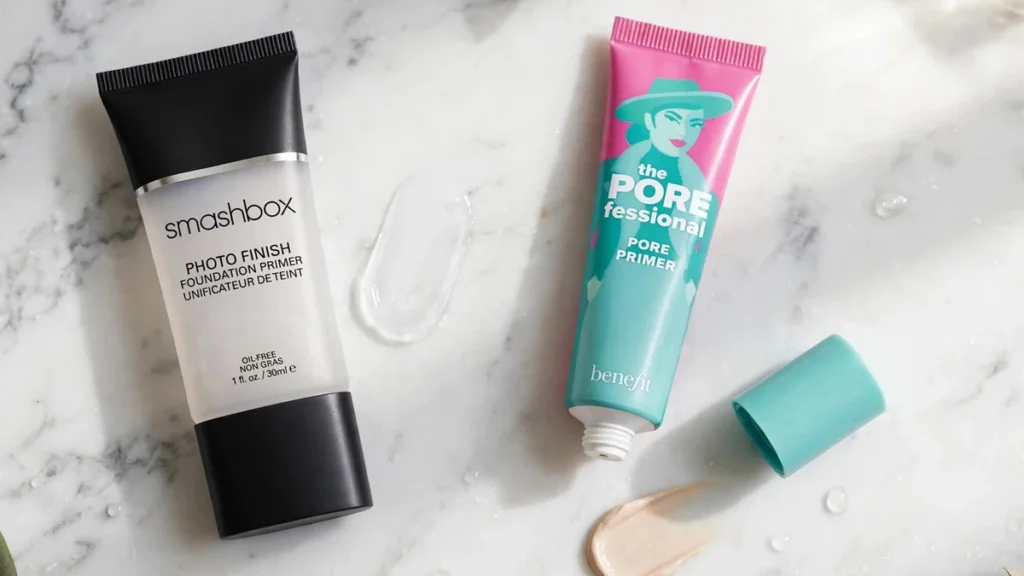
What we like: A classic silicone-based blurring primer that smooths pores and fine lines instantly, with a velvety texture and a long track record. What to consider: It can pill over heavy moisturiser, and very dry skin may want a hydrating layer underneath. Best for: Normal, combination, and oily skin. Finish: Smooth, matte-velvet. Price range: Mid-range. Standout feature: Instant pore-blurring effect.
This is the primer other primers are measured against. It is not the most hydrating, and it is not the cheapest, but for a smooth, even canvas under foundation, it remains a reliable first choice.
Benefit The POREfessional Face Primer
What we like: A balm-like primer that visibly minimises pores around the nose and cheeks, with a soft, translucent finish that works under or over makeup. What to consider: Best used on targeted areas rather than the whole face, and it can feel heavy if over-applied. Best for: Combination and oily skin. Finish: Soft matte. Price range: Mid-range. Standout feature: Targeted pore minimising.
A practical choice if pores are your main concern. A small amount pressed into the T-zone is usually enough, and it layers well under foundation without changing its shade.
Hourglass Veil Mineral Primer
What we like: A lightweight, mineral-based primer with SPF 15 that smooths skin, controls shine, and suits sensitive skin, with a breathable, non-greasy feel. What to consider: Premium price, and the SPF is not a substitute for a full sunscreen. Best for: Sensitive, normal, and combination skin. Finish: Natural, soft-focus. Price range: Premium. Standout feature: Mineral formula with SPF 15.
If your skin reacts to fragrance or heavy silicones, this is one of the calmest primers available. It feels like very little on the skin, which is exactly the point.
Milk Makeup Hydro Grip Primer
What we like: A gel primer with hyaluronic acid and niacinamide that grips makeup for up to twelve hours, with a dewy finish and a cooling, hydrating feel. What to consider: The tacky texture takes a minute to get used to, and very oily skin may prefer a mattifying option. Best for: Dry, normal, and combination skin. Finish: Dewy, gripping. Price range: Mid-range. Standout feature: Long-wear grip with hydration.
This is the primer to reach for on long days, in humidity, or when your foundation usually fades by afternoon. Let it set for a full minute before foundation for the best hold.
e.l.f. Power Grip Primer
What we like: A budget gel primer with hyaluronic acid that grips makeup well, with a clear, tacky finish and a price that makes it easy to try. What to consider: It can feel sticky if you use too much, and it is less blurring than a silicone primer. Best for: All skin types, especially normal and dry. Finish: Dewy, gripping. Price range: Budget. Standout feature: Strong grip at a low price.
For the price, this is hard to beat. A pea-sized amount is enough for the whole face, and it works well with most liquid foundations.
Laura Mercier Pure Canvas Primer Hydrating
What we like: A water-based hydrating primer that leaves skin plump and smooth, with a lightweight texture that layers well under any foundation. What to consider: It does not blur pores as strongly as a silicone primer, and oily skin may want a mattifying partner in the T-zone. Best for: Dry, normal, and mature skin. Finish: Hydrated, natural. Price range: Mid-range. Standout feature: Deep hydration without heaviness.
A sensible choice if your makeup tends to look dry or settle into fine lines by midday. It gives foundation a hydrated surface to sit on, which is often the missing step.
Tatcha The Silk Canvas
What we like: A balm-to-silk primer with silk extracts that blurs pores, smooths texture, and creates a protective barrier between skin and makeup. What to consider: Premium price, and a little goes a long way, so over-applying wastes product. Best for: Normal, combination, and mature skin. Finish: Smooth, satin. Price range: Premium. Standout feature: Silk-blur finish and barrier protection.
This is a luxury-feeling primer that does the smoothing job beautifully. Use a thin layer and let it melt in before foundation, and it will not look or feel heavy.
NYX Marshmellow Smoothing Primer
What we like: An affordable, marshmallow-root-infused primer that softens skin and smooths texture, with a light, whipped feel and a soft-focus finish. What to consider: It is a gentle blur rather than a strong grip primer, so very long days may need a setting spray on top. Best for: All skin types, especially dry and normal. Finish: Soft-focus, natural. Price range: Budget. Standout feature: Soft-focus smoothing at a low price.
A friendly, low-risk primer to try if you are new to the step. It makes skin feel soft and helps foundation apply more evenly, without a learning curve.
Fenty Beauty Pro Filt’r Instant Retouch Primer
What we like: A soft-matte primer that blurs pores, controls shine, and extends foundation wear, with a lightweight texture that works across a wide range of skin tones. What to consider: It can feel drying on very dry skin, so pair it with a good moisturiser underneath. Best for: Combination and oily skin. Finish: Soft matte. Price range: Mid-range. Standout feature: Shine control with a blurred finish.
If your foundation breaks down in the T-zone by midday, this is a strong fix. It keeps shine in check without making the rest of the face look flat.
Which primer is right for your skin type
Dry skin usually does best with a hydrating or gripping primer. Look for hyaluronic acid, glycerin, or a gel texture, and avoid strong mattifying formulas that can make dryness look worse by afternoon. A hydrating primer over a good moisturiser is often enough to stop foundation from clinging to dry patches.
Oily and combination skin usually does best with a mattifying or blurring primer, applied mainly in the T-zone. A gripping primer can also work well if the finish is not too dewy. If your skin is very oily, try a mattifying primer in the centre of the face and a hydrating one on the cheeks, which is a simple way to treat two zones differently. If you are wondering whether you need primer at all, our guide on how to do makeup without primer explains when skipping it works and when it costs you wear time.
Mature skin often benefits most from a hydrating, light-reflecting primer, because it smooths without settling into fine lines. Heavy, matte primers can make mature skin look flat and tired. A thin layer of a smoothing or hydrating primer, followed by a light foundation, usually looks fresher than a thick, full-coverage base. Sensitive skin should choose fragrance-free formulas and patch-test on the jawline for two or three days before full-face use, because a primer sits on the skin all day and any irritation has hours to build.
The caveats that matter
Primer is a helpful step, but it is not a treatment. It will not shrink pores permanently, fix dehydration, or make a foundation that is the wrong shade look right. It can also cause problems when it is layered badly. The most common issue is pilling, which usually happens when a water-based primer meets a silicone-based foundation, or when skincare has not fully absorbed before primer goes on. Give each layer a minute to settle, and use less product than you think you need.
| Detail | What is known |
|---|---|
| What primer does | Smooths texture, grips foundation, and extends wear by hours |
| How much to use | A pea-sized amount for the whole face, less for targeted areas |
| When to apply it | After moisturiser and sunscreen, one minute before foundation |
| Best match for dry skin | Hydrating or gripping gel primers with hyaluronic acid |
| Best match for oily skin | Mattifying or blurring primers, mainly in the T-zone |
| Common cause of pilling | Mixing water-based and silicone-based layers, or rushing between layers |
| Who should patch-test first | Sensitive or reactive skin, and anyone trying a new silicone formula |
| What it does not do | It does not treat skin, shrink pores permanently, or replace sunscreen |
If you are pregnant, breastfeeding, or using prescription skincare, check with your clinician or dermatologist before adding a new product, especially one with active ingredients such as niacinamide at high strength. That is not a formality. Prescription treatments change what your skin can tolerate, and a simple check avoids weeks of irritation.
Checklist: choosing a face primer honestly
Use these checks before you buy, and again after two weeks of use.
- Check your skin type: hydrating and gripping for dry skin, mattifying and blurring for oily skin.
- Check the formula match: water-based primer with water-based foundation, silicone-based with silicone-based.
- Check the finish: dewy for dry and mature skin, soft matte for oily and combination skin.
- Patch-test first: apply to your jawline for two to three days before full-face use.
- Use a pea-sized amount: more primer does not mean more grip, and it often means more pilling.
- Let it set: wait a full minute after primer before applying foundation.
Frequently asked questions
Do I really need a face primer?
Not always. If your foundation already lasts all day and applies smoothly, you may not need one. Primer helps most when foundation fades, settles into pores, or looks uneven by afternoon, and when you want a smoother finish for a long day or a special occasion.
How much primer should I use?
A pea-sized amount is enough for the whole face. Using more does not improve grip or blur, and it is the most common cause of pilling and a heavy, cakey base.
Can I use primer without foundation?
Yes. A blurring or hydrating primer on its own can even out the look of skin, soften pores, and add a healthy finish, which is a good option for no-makeup days.
Why does my primer pill?
It usually means the layers do not match. A water-based primer under a silicone foundation, or primer applied over skincare that has not absorbed, will often roll into small balls. Let each layer settle for a minute, use less product, and check that your primer and foundation are the same base type.
Can primer replace moisturiser?
No. Primer is not skincare, and it does not hydrate skin the way a moisturiser does. Always moisturise first, then apply primer. Skipping moisturiser is one of the fastest ways to make primer look patchy.
Does primer work with setting spray?
Yes, they work well together. Primer holds the base from underneath, and setting spray locks it from above. If your makeup still fades, a setting spray for long wear is the easiest next step, and it does not add weight the way extra powder does.
The bottom line
The best face primer in 2027 is not the most expensive or the most popular. It is the one that matches your skin type, works with the foundation you already own, and that you will actually use every morning. For dry skin, a hydrating or gripping primer is the smarter start. For oily skin, a mattifying or blurring primer in the T-zone will do more than a full-face layer of anything.
Choose one primer, use a pea-sized amount, give it a minute to set, and judge it on how your makeup looks at the end of the day, not in the first five minutes. That is the honest way to get the benefit primer is known for, without the pilling and heaviness that make people give up on it.