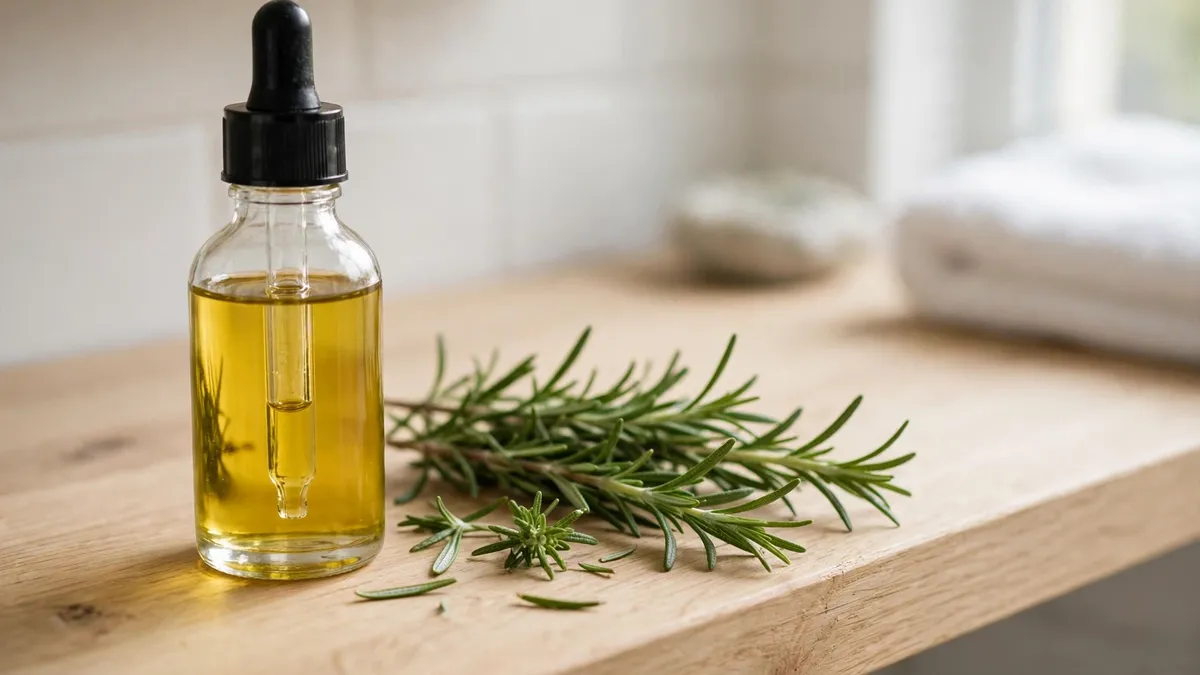
The best rosemary oil for hair growth is a simple scalp oil used consistently, not a miracle cure in a dropper bottle. Does rosemary oil help hair grow? The evidence is thin: one small 2015 trial found hair counts rose over six months with a rosemary preparation, much as with minoxidil 2%, but it had no placebo group.
That does not make rosemary oil useless. As a regular scalp massage oil it can support a healthy scalp, add shine and help lengths look fuller. This guide picks ten rosemary-led oils and serums for 2027, explains how to use them, and keeps the claims within what the evidence supports.
Key takeaways
- Mielle Rosemary Mint is the best-known rosemary scalp oil, with a lighter version.
- The evidence rests mainly on one small 2015 trial against minoxidil 2%, with no placebo group, so expect scalp care, not regrowth.
- Weleda’s rosemary oil is built on peanut oil, so avoid it with a nut allergy and patch test first.
- Use a few drops, massage into the scalp, and leave it on before washing.
How to choose rosemary oil for hair growth
Start with the format. A blended scalp oil, such as Mielle or Weleda, is ready to use straight from the bottle, while a pure essential oil must always be diluted in a carrier oil first. Serums, such as Nécessaire’s rosemary-led option, suit readers who want a lighter, leave-in feel.
Read the ingredient list first. Rosemary leaf oil should appear early, and the carrier oils matter as much as the herb: sweet almond, jojoba and grapeseed feel light, while castor oil is thick and best for pre-wash treatments.
Match the oil to your hair. Fine hair needs a light formula used sparingly, thick or curly hair can take a richer blend, and a dry, itchy scalp suits a conditioning oil massaged in before washing. If you enjoy scented oils, our guide to the best luxury body oil brands covers the same habit for skin.
The 10 Best Rosemary Oils for Hair Growth in 2027
These ten picks cover blended scalp oils, a lighter daily oil, rosemary serums and the pure essential oil itself.
1. Mielle Rosemary Mint Scalp & Hair Strengthening Oil
Mielle’s Rosemary Mint is the rosemary oil most people mean. It blends rosemary and peppermint oils with biotin, castor, jojoba and sweet almond.
Use it for scalp treatments, daily care and split ends. Section the hair, apply a little to the scalp and massage it in.
Best for: the classic rosemary scalp oil routine, for most hair types.
2. Mielle Rosemary Mint Light Scalp & Hair Strengthening Oil
The Light version keeps the same rosemary and mint character with biotin. Its weightless formula suits fine hair, low-porosity hair, silk presses and protective styles.
Apply a little to the fingertips or directly onto the scalp and massage gently. It also works as a finishing oil, without leaving the roots looking flat.
Best for: fine or low-porosity hair that needs a weightless rosemary oil.
3. Weleda Rosemary Conditioning Hair Oil
Weleda’s Rosemary Conditioning Hair Oil is the old European apothecary pick here. It combines rosemary leaf oil with clover and burdock root extracts.
Massage a few drops into the scalp or smooth it through wet or dry hair. It is built on peanut oil, so avoid it with a peanut allergy.
Best for: deep conditioning and shine for dry, damaged hair.
4. Nécessaire The Scalp Serum
Nécessaire’s Scalp Serum is the rosemary-led serum for readers who dislike heavy oils. It is a lightweight, leave-in serum built around a rosemary blend for daily use.
Apply it to the scalp rather than the lengths, massage it in and leave it alone. It layers neatly under styling products.
Best for: a lightweight daily rosemary serum for sensitive scalps.
5. Briogeo Scalp Revival Rosemary Pre-Wash Oil
Briogeo’s Scalp Revival Rosemary Pre-Wash Oil is built for the weekly reset. Massage it into the scalp before shampooing, for dry, flaky or itchy scalps.
Work a small amount through the scalp, leave it on, then shampoo as usual. It adds moisture and a herbal scent without weighing the lengths down.
Best for: a weekly pre-wash ritual for dry or flaky scalps.
6. Nature Spell Rosemary Oil for Hair
Nature Spell’s Rosemary Oil for Hair is a straightforward single-herb treatment for scalp and lengths. It suits readers who want rosemary front and centre, without mint or added botanicals.
Massage it into the scalp before washing, or smooth a little through the ends. Keep the amount small at first, since it can look greasy on fine hair.
Best for: a simple, single-herb rosemary oil at a modest outlay.
7. Marc Anthony Grow Long Serum
Marc Anthony’s Grow Long Serum combines rosemary with caffeine, ginseng and biotin. It is a lightweight serum for length retention and strength, rather than the scalp alone.
Apply it to the scalp and lengths as directed, and use it regularly. It works well on damp hair after washing.
Best for: length retention, with rosemary, caffeine and biotin in one serum.
8. Pure Rosemary Essential Oil, Diluted in Jojoba
Pure rosemary essential oil is the most flexible pick here, and the riskiest. It is concentrated, so dilute it in a carrier oil such as jojoba first.
Mix a few drops into a tablespoon of carrier oil, then massage it in. No home blend can match the formulation tested in the 2015 trial.
Best for: readers who want full control over the blend and the strength.
9. Nécessaire Rosemary Shampoo
Nécessaire’s Rosemary Shampoo is the companion wash here, not an oil. It pairs with the serum above and targets thinning hair at the source.
Use it as your regular wash on oiling days, massaging it into the scalp. It will not replace a scalp oil, but it keeps the routine consistent.
Best for: a matching rosemary wash on scalp-oil days.
10. Rosemary and Castor Oil Blend
A rosemary and castor oil blend is the thick pre-wash option for dry, coarse hair. Warm it between the palms and massage it into the scalp and ends.
Leave it on for at least half an hour, then shampoo twice to remove it fully. Used once a week, it gives dry lengths a deep conditioning treatment.
Best for: a rich weekly pre-wash treatment for dry, coarse hair.
How to use rosemary oil for hair growth

Start with a few drops, not a palmful. Section the hair, apply the oil to the scalp with a dropper or your fingertips, and massage for two or three minutes.
Leave a pre-wash oil on for at least half an hour before shampooing, or overnight if your hair is very dry. A leave-in serum or light oil can stay in; a heavier blend should be washed out. Two or three sessions a week is a sensible rhythm.
Judge the results by the scalp and the lengths, not by a ruler. Healthier shine, less breakage and a calmer scalp are realistic signs it is working. If shedding increases or hair loss is sudden or patchy, stop and speak to a doctor or dermatologist.
The best rosemary oils for hair growth at a glance
| Pick | Format | How to use it | Best for |
|---|---|---|---|
| Mielle Rosemary Mint | Blended scalp oil | Scalp treatment or daily use | Most hair types |
| Mielle Rosemary Mint Light | Light blended oil | Daily use, leave in | Fine, low-porosity hair |
| Weleda Rosemary | Conditioning oil | Pre-wash or leave in | Dry, damaged hair |
| Nécessaire Scalp Serum | Leave-in serum | Daily, on the scalp | Sensitive scalps |
| Briogeo Scalp Revival | Pre-wash oil | Before shampooing | Dry, flaky scalps |
| Nature Spell Rosemary | Single-herb oil | Scalp massage, pre-wash | Simple routines |
| Marc Anthony Grow Long | Lightweight serum | Scalp and lengths | Length retention |
| Pure rosemary, diluted | Essential oil blend | Diluted, pre-wash | Full control |
| Nécessaire Rosemary Shampoo | Shampoo | Regular wash | Matching wash |
| Rosemary and castor blend | Rich pre-wash oil | Weekly, wash out | Dry, coarse hair |
What to Check Before You Buy
Check the full ingredient list, not just the front of the bottle. Rosemary leaf oil should be named clearly, and the carriers should suit your hair and allergies, especially peanut and sweet almond oils. A short list is usually a better sign than a long list of fragrance and filler oils.
Check the format against your routine before you spend anything. A heavy pre-wash oil will sit unused if you wash daily and dislike extra steps, while a light serum will disappoint if you want a deep weekly treatment. Buy one bottle, use it for eight to twelve weeks, and only then try another.
Your rosemary oil checklist
- Pick a blended oil for ease, or a pure essential oil to dilute yourself; never apply essential oil undiluted.
- Patch test on the inner arm first, and check the carriers for nut allergies, especially peanut and sweet almond.
- Use a few drops, massage into the scalp, and leave a pre-wash oil on for at least half an hour.
- Oil two or three times a week, and keep it going for eight to twelve weeks.
- Wash heavy blends out fully, and keep light oils off the roots if fine hair looks flat.
- See a doctor or dermatologist if hair loss is sudden or patchy, or comes with itching, pain or scaling.
Frequently Asked Questions
Does rosemary oil really help hair grow?
The evidence is limited. One small 2015 trial in SKINmed compared a rosemary preparation with minoxidil 2% in 100 people with pattern hair loss over six months. Hair counts rose in both groups, with no significant difference, but there was no placebo group, so it does not prove rosemary oil regrows hair.
How often should I use rosemary oil on my scalp?
Two or three times a week is a sensible rhythm. Apply a few drops, massage them in, and leave a pre-wash oil on for at least half an hour before shampooing.
Can I apply rosemary essential oil directly to my scalp?
No, not undiluted. Pure rosemary essential oil is concentrated and can irritate the skin, so always dilute a few drops in a carrier oil such as jojoba or sweet almond before use. Patch test the diluted blend on your inner arm first.
Which rosemary oil is best for fine hair?
A light formula is best, such as Mielle Rosemary Mint Light, used sparingly and kept off the roots if the hair looks flat. Heavy castor blends suit coarse or very dry hair.
Can I use rosemary oil for anything else?
Yes, within reason. Fresh rosemary is a classic kitchen herb, and a sprig makes a fine garnish for a gin and tonic, as our guide to the best luxury gin brands shows in spirit, while rosemary’s herbal scent also appears in men’s fragrance, covered in our guide to the best luxury perfume brands for men. Keep hair oil on the hair, and never use a cosmetic oil in food or drink.
The Bottom Line
The best rosemary oil for hair growth in 2027 is the one you will actually use twice a week: Mielle Rosemary Mint for most hair, the Light version for fine hair, and Weleda for dry, damaged lengths. Treat rosemary oil as scalp care with a thin evidence base, not as a proven regrowth treatment, and give any routine eight to twelve weeks.
Patch test every new oil first, and check the carriers carefully if you have a nut allergy, since Weleda’s rosemary oil is built on peanut oil and several blends use sweet almond oil. This guide is general information, not medical advice, and sudden or patchy hair loss deserves a doctor or dermatologist, not another bottle.