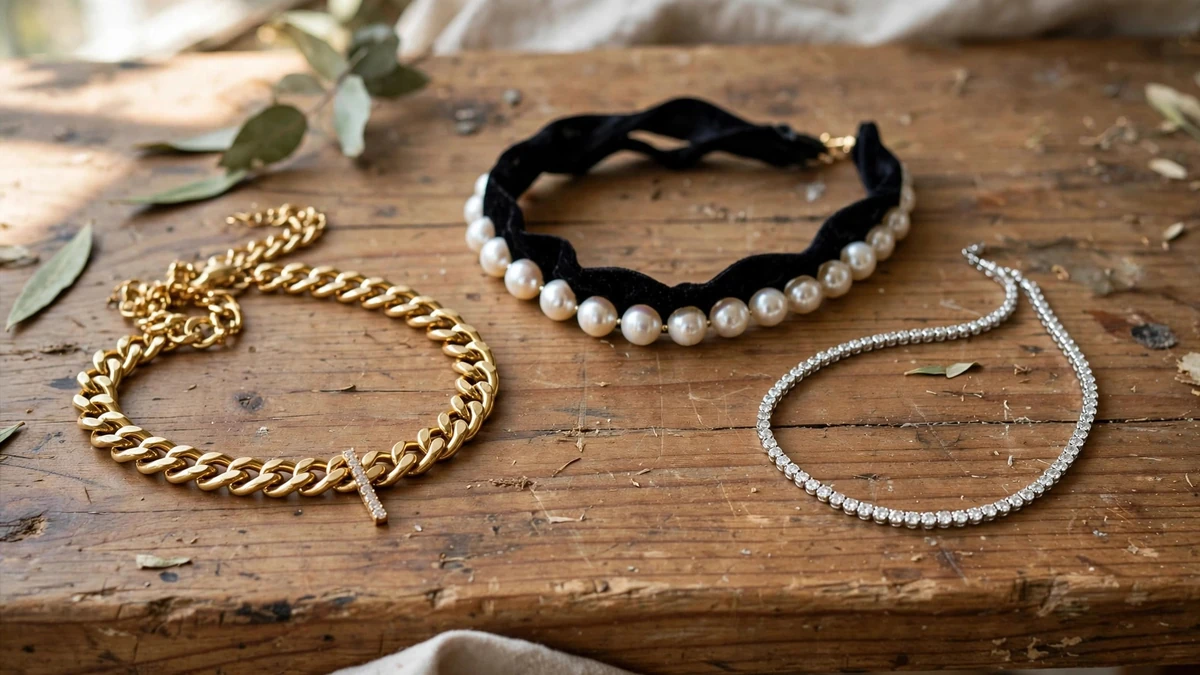

Top 10 Most Expensive Chokers 2027
At the top end of jewellery, a choker stops being a simple necklace and becomes a statement of craft. The most expensive chokers in the world are made by the great jewellery houses, from diamonds, gold, and platinum, set by hand and priced accordingly. They are worn at award ceremonies, state occasions, and weddings, and they are often the most photographed piece in the room.
What makes these chokers expensive is not only the stones. It is the quality of the diamonds, the weight of the gold, the setting work, and the name of the house that made them. Below are nine of the most expensive chokers in 2027, plus a tenth, a De Beers diamond choker, named in the lead and the table. Prices are approximate, because high jewellery is usually priced on request and varies with the stones used.
Each entry is described by what makes it special, what to watch for, who it suits, what it is made of, its approximate price range, and its standout feature. None of these are everyday purchases. They are pieces to admire, to aspire to, and, for a lucky few, to wear.
Key takeaways
- The most expensive chokers are made by the great jewellery houses, from high-quality diamonds, gold, and platinum.
- Price comes from the stones, the metal, the setting work, and the name of the house, not from size alone.
- Diamond chokers dominate the top end, with prices from around £20,000 to well over £1 million.
- A high-jewellery choker needs a simple outfit, a secure clasp, and proper insurance and storage.
- Most of these pieces are made to order or sold through private salons, so published prices are approximate and often given on request.
What the most expensive chokers actually are
The most expensive chokers are high-jewellery pieces, which means they are made in small numbers, often as one-offs, from the finest materials a house can source. A diamond choker may contain dozens of stones, each one matched for colour and clarity, set in platinum or white gold so the metal disappears and the diamonds seem to float. A gold choker may be sculpted like a piece of architecture, with curves and coils that hold their shape without a chain at all.
These pieces are not made for everyday wear. They are made for occasions where jewellery is the point: a red carpet, a state dinner, a wedding, or a gala. They are also made to be kept. High jewellery from a great house tends to hold its value, and some pieces appreciate, especially if they are rare, signed, or from a famous collection.
The houses below are the ones that dominate this world: Cartier, Tiffany & Co., Van Cleef & Arpels, Bulgari, Chopard, Piaget, Boucheron, Harry Winston, Graff, and De Beers. Each has its own style, from Cartier’s architectural lines to Bulgari’s bold serpents, and each has its own idea of what a choker should be.
How we chose these chokers and what to look for
Look first at the stones. In a diamond choker, the colour, clarity, cut, and carat weight of the stones matter more than the number of stones. A choker with fewer, finer diamonds is usually worth more than one with many small, lower-grade stones. Look for matched stones, even colour, and a setting that lets light through. In a gold choker, look at the weight and the finish: a solid, well-finished piece feels substantial and holds its shape.
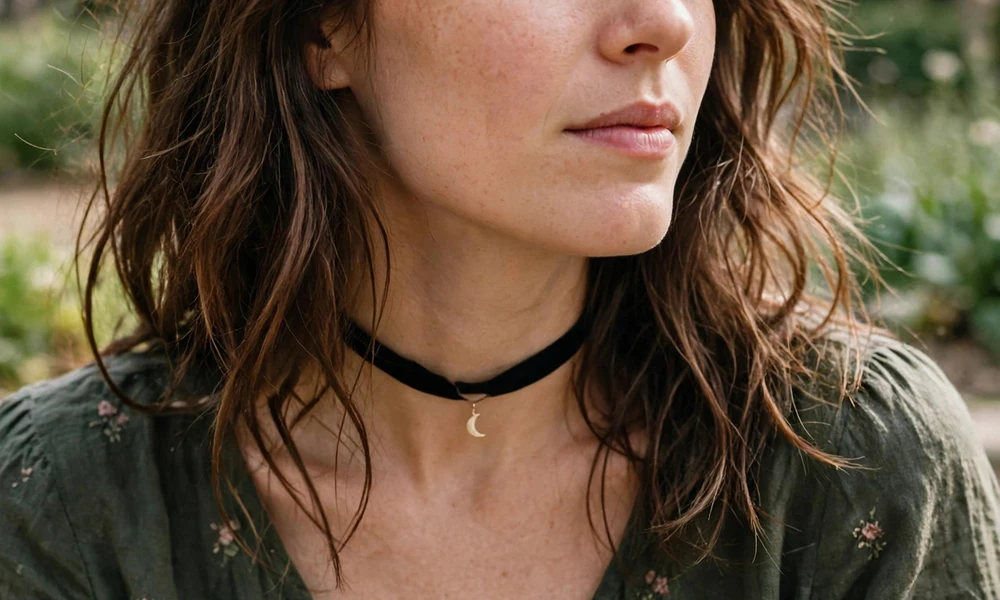
Look next at the clasp and the fit. A heavy choker needs a strong, secure clasp, often a hidden box clasp with a safety chain, and it needs to fit the wearer precisely. High-jewellery chokers are often made to measure, because a choker that is half an inch too loose will slide and a choker that is half an inch too tight will be unwearable. A house that offers a fitting service is a sign of a serious piece.
Finally, look at the provenance. A signed piece from a great house, with its original box and certificate, is worth more than an unsigned piece of similar quality. Our guide to luxury watches makes the same point about provenance, because in high jewellery, as in fine watches, the name, the paperwork, and the condition are part of the value.
The 9 most expensive chokers in the world in 2027
1. Cartier Diamond Choker
What we like: Cartier’s chokers are architectural and precise, with diamonds set in platinum in clean, geometric lines that suit the high position of a choker perfectly. What to consider: Cartier’s prices are high even by high-jewellery standards, and most pieces are made to order. Best for: Formal occasions and collectors of signed Cartier jewellery. Material: Platinum and diamonds. Price range: Around £100,000 to £500,000, approximate. Standout feature: The precision of the setting, with matched diamonds in a rigid, sculptural frame.
Cartier has made chokers for royalty and film stars for over a century, and that history is part of what you are paying for. A Cartier diamond choker is as much a piece of design history as it is a necklace.
2. Tiffany & Co. Diamond Choker
What we like: Tiffany’s diamond chokers are bright, classic, and unmistakably American in style, with round brilliant diamonds set to maximise sparkle. What to consider: The classic style is less dramatic than some rivals, and the price reflects the Tiffany name as much as the stones. Best for: Weddings, galas, and anyone who wants a timeless diamond choker. Material: Platinum and diamonds. Price range: Around £80,000 to £400,000, approximate. Standout feature: The brilliance of the stones, set in Tiffany’s signature clean, open settings.
3. Van Cleef & Arpels Diamond Choker
What we like: Van Cleef & Arpels brings a lighter, more romantic touch, with floral and nature-inspired designs and the house’s famous invisible setting, where the metal disappears entirely. What to consider: The delicate designs are less suited to everyday wear, and the invisible setting needs expert care. Best for: Romantic, feminine looks and collectors of fine French jewellery. Material: Platinum, white gold, and diamonds. Price range: Around £90,000 to £600,000, approximate. Standout feature: The invisible setting, which makes the diamonds appear to float without visible metal.
Van Cleef & Arpels chokers are often the most beautiful in a room, because the house designs for lightness and movement rather than weight. They are jewellery as poetry, not jewellery as armour.
4. Bulgari Serpenti Choker
What we like: The Serpenti choker is the boldest on this list: a coiled serpent in gold, often with diamonds and coloured stones, that wraps around the neck with real presence. What to consider: The serpent design is a strong statement and does not suit every outfit or every taste. Best for: Evenings, red carpets, and anyone who wants jewellery with drama. Material: Yellow, white, or rose gold, with diamonds and coloured gemstones. Price range: Around £50,000 to £300,000, approximate. Standout feature: The coiled serpent form, one of the most recognisable designs in all of jewellery.
5. Chopard Diamond Choker
What we like: Chopard’s chokers combine Swiss precision with a softer, more fluid feel, often with moving diamonds that catch the light as the wearer moves. What to consider: The moving-diamond designs need careful handling, and the style is more modern than some rivals. Best for: Modern, elegant occasions and red-carpet wear. Material: White gold and diamonds. Price range: Around £60,000 to £350,000, approximate. Standout feature: The moving diamonds, which shimmer with every movement of the wearer.
Chopard is a favourite on the red carpet, and its chokers are designed to photograph well. The moving diamonds are a small piece of theatre, and they work: the choker seems alive in the light.
6. Piaget Gold Choker
What we like: Piaget’s gold chokers are sculptural and architectural, often made from textured or engraved gold with little or no stone, letting the metal itself do the work. What to consider: A gold-only choker is less obviously valuable than a diamond one, and the style is very much a matter of taste. Best for: Lovers of gold, sculpture, and bold, modern design. Material: Yellow, white, or rose gold, sometimes with diamonds. Price range: Around £30,000 to £200,000, approximate. Standout feature: The sculpted gold work, with textures and curves that catch the light without any stones at all.
7. Boucheron Diamond Choker
What we like: Boucheron’s chokers are elegant and inventive, often mixing diamonds with coloured stones and unusual materials, in designs that feel both classic and surprising. What to consider: The inventive designs are less traditional than some rivals, and the house is less widely known outside France. Best for: Collectors who like originality and French high jewellery. Material: Platinum, white gold, diamonds, and coloured gemstones. Price range: Around £70,000 to £400,000, approximate. Standout feature: The mix of diamonds and coloured stones in unexpected, architectural designs.
Boucheron has been on the Place Vendome since 1893, and its chokers carry that history lightly: they are serious pieces, but they are also playful, and that combination is rare at this level.
8. Harry Winston Diamond Choker
What we like: Harry Winston is known as the King of Diamonds, and its chokers live up to the name: large, fine, perfectly matched diamonds in simple, open settings that let the stones speak. What to consider: The simplicity of the design means the price is almost entirely in the stones, so the value depends on diamond quality. Best for: Anyone who wants the finest diamonds, full stop. Material: Platinum and diamonds. Price range: Around £150,000 to £1,000,000 and above, approximate. Standout feature: The quality of the diamonds, among the finest used by any house.
9. Graff Diamond Choker
What we like: Graff’s chokers are among the most spectacular in the world, often featuring exceptionally large diamonds, including rare coloured diamonds, in dramatic, high-impact designs. What to consider: Graff’s pieces are among the most expensive on this list, and most are sold privately, so prices are rarely published. Best for: Collectors and occasions where only the most extraordinary will do. Material: Platinum and diamonds, sometimes with rare coloured diamonds. Price range: Around £200,000 to over £1,000,000, approximate. Standout feature: The size and rarity of the diamonds, including some of the largest stones ever set in a choker.
Which expensive choker is right for you
If you want the finest diamonds, start with Harry Winston or Graff. If you want the most recognisable design, start with Bulgari’s Serpenti or Cartier’s architectural chokers. If you want romance and lightness, start with Van Cleef & Arpels or Boucheron. If you want a classic, timeless diamond choker, start with Tiffany & Co. or Chopard. And if you want gold rather than diamonds, start with Piaget.
None of these houses sells a choker off the shelf in the usual sense. Most high-jewellery chokers are made to order, or sold through private salons, and the price is agreed after a conversation about the stones, the metal, and the fit. A house that offers a fitting, a certificate, and a valuation is a house that stands behind its work.
Finally, think about how the choker will be worn. A high-jewellery choker needs a simple outfit, a secure clasp, and a plan for insurance and storage. Diamond necklaces at lower price points follow the same logic, because the quality of the stones and the reputation of the maker matter at every level, not just at the top.
The caveats that matter
High jewellery is a wonderful world, but it is also a world where mistakes are expensive. The most common problems are buying a piece without a certificate, underestimating the cost of insurance and storage, and choosing a design that does not suit the wearer. A choker that is too heavy, too rigid, or too wide for the wearer’s neck will not be worn, however beautiful it is, and a piece without proper paperwork will be harder to insure, sell, or pass on.
| Detail | What is known |
|---|---|
| Top houses | Cartier, Tiffany & Co., Van Cleef & Arpels, Bulgari, Chopard, Piaget, Boucheron, Harry Winston, Graff, De Beers |
| 10th choker | De Beers diamond choker, around £40,000 to £250,000, approximate |
| Price range overall | Around £30,000 to over £1,000,000, approximate; most pieces priced on request |
| Most common material | Platinum and diamonds; gold chokers are rarer at the top end |
| What drives the price | Stone quality, metal weight, setting work, and the name of the house |
| How they are sold | Usually made to order or sold through private salons, with fitting and certification |
| What to check before buying | Certificate, provenance, clasp security, fit, and insurance |
| What they do not do | They do not suit everyday wear, and they do not hold value without paperwork and care |
If you are buying at this level, work with a reputable house or dealer, ask for a certificate and a valuation, and insure the piece before you wear it. If a deal seems too good to be true, it almost certainly is. High jewellery is a small world, and reputation is everything.
Checklist: choosing an expensive choker honestly
Use these checks before you buy, and again before you wear the piece for the first time.
- Check the certificate: ask for a gemmological certificate and the house’s own paperwork.
- Check the stones: ask about colour, clarity, cut, and carat weight, and whether the stones are matched.
- Check the clasp: a heavy choker needs a secure box clasp, ideally with a safety chain.
- Check the fit: a high-jewellery choker should be fitted to the wearer, not bought off the shelf.
- Check the insurance: arrange cover before you wear the piece, and keep the valuation up to date.
- Check the storage: keep the choker in its case, away from other jewellery, and have it cleaned and checked by the house.
Frequently asked questions
Why are the most expensive chokers so expensive?
Because of the stones, the metal, the setting work, and the name of the house. A choker with large, fine, matched diamonds, set by hand in platinum by a great maison, costs far more than the sum of its materials, and that premium is part of its value.
Can I buy a high-jewellery choker off the shelf?
Rarely. Most pieces at this level are made to order or sold through private salons, and the price is agreed after a conversation about the stones and the fit. Some houses do keep a small number of pieces in their salons, but the finest chokers are usually bespoke.
Do expensive chokers hold their value?
Often yes, especially signed pieces from great houses, with their original box and certificate, in good condition. But jewellery is not a guaranteed investment, and value depends on the stones, the house, and the market at the time of sale.
How should I wear a diamond choker?
With a simple outfit and a clear neckline, so the choker is the focal point. Keep the earrings small, avoid another necklace, and let the choker do the work. A diamond choker with a busy dress looks crowded, not luxurious.
What is the difference between a choker and a collar necklace?
A choker sits high and close to the neck, usually 14 to 16 inches, while a collar necklace sits wider and flatter across the collarbone. Both are short necklaces, but a choker hugs the neck and a collar frames it. Statement necklaces include both styles, and the right choice depends on the neckline and the occasion.
How do I insure an expensive choker?
Ask the house for a valuation, then add the piece to your home insurance or take out a specialist jewellery policy. Keep the certificate, the receipt, and photographs of the piece, and have the valuation updated every few years.
The bottom line
The most expensive chokers in the world are made by the great jewellery houses, from the finest diamonds, gold, and platinum, and they are priced accordingly, from around £30,000 to well over £1 million. What you are paying for is not only the stones, but the craft, the design, and the name of the house that made them. A Cartier, Harry Winston, or Graff choker is a piece of design history as much as it is a necklace.
For most of us, these chokers are to be admired rather than bought, and that is fine. They show what a choker can be at its very best: a piece of jewellery that frames the face, finishes an outfit, and holds its value for generations. If you ever do buy at this level, buy from a great house, check the certificate, fit the piece properly, and insure it before you wear it.