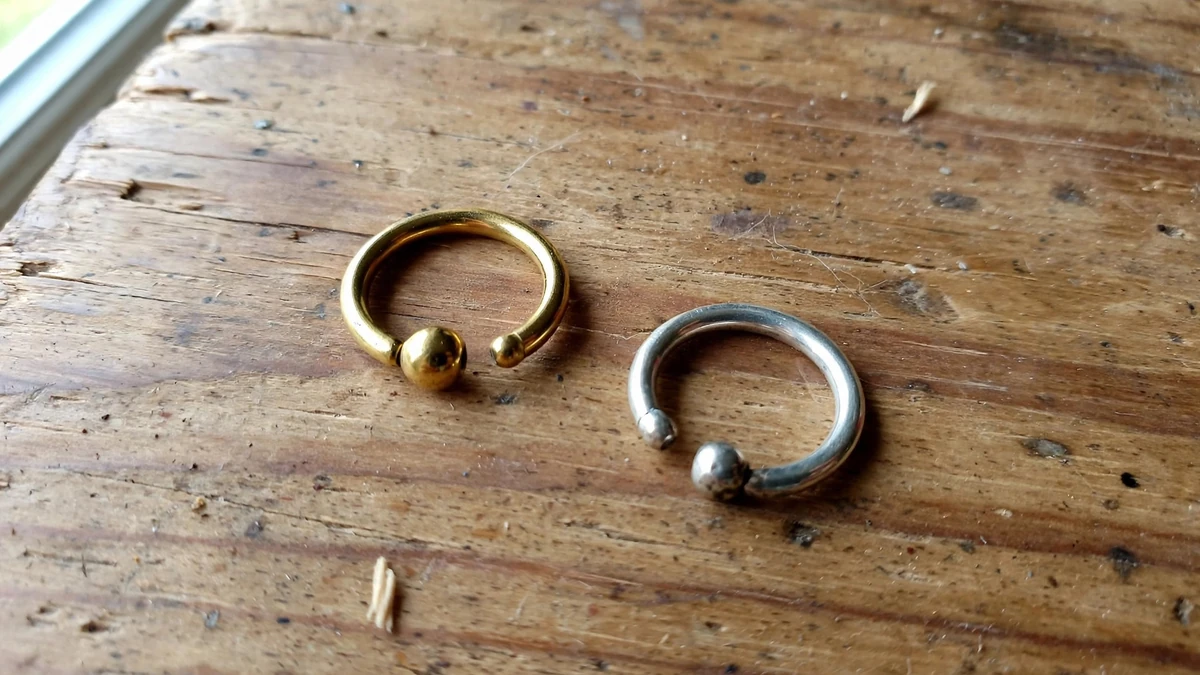

Gold vs Silver Nose Rings 2027: 9 Comparisons That Matter
Gold and silver nose rings look like a small choice, and in a way they are. A nose ring is one of the smallest pieces of jewellery you can wear, and most people will notice it only in passing. But because it sits in the middle of your face, the metal you choose changes more than you might expect. It changes the warmth of your skin in a photograph, the way the ring reads against your other jewellery, and how much care it will need in a year of daily wear.
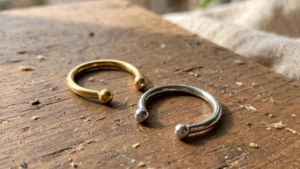
The real question is not which metal is better in general. Gold and silver are both good, well-tested choices, and both have been worn in nose rings for centuries. The question is which one suits your skin tone, your budget, your routine, and the rest of your jewellery box. A warm gold ring can glow against olive and deeper skin tones and look too yellow against very fair, cool skin. A bright silver ring can look crisp and modern on cool skin and a little flat on warm skin. Neither is wrong. They are simply different tools.
Below are nine comparisons that cover what actually matters in 2027, from how each metal photographs to what it costs over time, so you can choose with your face and your life in mind, not just a trend.
Key takeaways
- Gold reads warm and soft, and suits warm and olive skin tones best; silver reads cool and bright, and suits cool and fair skin tones best.
- Solid gold and gold-filled rings hold up well to daily wear, while silver needs more cleaning because it tarnishes.
- Silver costs far less to start with, but gold usually keeps its value better if you ever sell or pass it on.
- Both metals are safe for most people, but nickel-free silver and higher-karat gold are the safest choices for sensitive skin.
- No metal makes a nose ring look good on its own; the size, the fit, and how it sits with your other jewellery matter just as much.
What gold and silver nose rings actually are
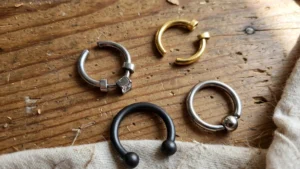
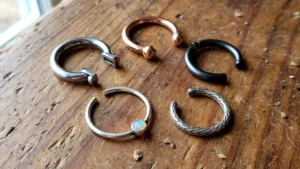
A gold nose ring is usually made from solid gold, gold-filled metal, or gold-plated base metal. Solid gold is the most durable and the most expensive, and it will not wear through to another metal underneath. Gold-filled rings have a thick layer of gold bonded to a core, and they last far longer than plated ones. Gold-plated rings are the cheapest, but the thin layer of gold wears away with time, especially on a piece that is touched and cleaned often. The karat matters too. Higher karats, like 18k, are richer in colour and softer, while 14k is a practical balance of colour and strength for everyday wear.
A silver nose ring is usually made from sterling silver, which is 92.5 percent pure silver mixed with other metals for strength. It is bright, cool-toned, and far cheaper than gold, which is why so many people start their nose ring collection with silver. The trade-off is tarnish. Silver reacts with air and moisture and slowly darkens, so it needs regular cleaning. It is also softer than gold, which means a thin silver ring can bend more easily, though for a small nose ring that is rarely a problem in practice.
Both metals come in the same shapes: studs, hoops, clickers, and seamless rings. The metal does not change the style of the ring, only its colour, its weight, its care needs, and its price. That is why this comparison works best when you think about your skin, your routine, and your budget together, rather than picking a metal because it is fashionable this year.
How we chose these comparisons and what to look for
Look first at the metal itself, not the brand name. Ask whether the ring is solid, gold-filled, or plated, and whether the silver is stamped 925 for sterling. A ring that does not say what it is made of is a ring to be careful about, because the cheapest nose rings are often made from mystery alloys that irritate skin. The stamp, the weight, and a clear description from the seller are the three things that tell you what you are actually buying.

Look next at your skin tone, in daylight rather than under shop lights. Hold a gold ring and a silver ring near your face and see which one makes your skin look healthier. Warm skin, with yellow or olive undertones, usually looks better with gold. Cool skin, with pink or blue undertones, usually looks better with silver. If both look good, you have neutral undertones and can wear either, which is a lucky position. Our guide to gold jewellery for everyday wear explains the same warm-and-cool test for necklaces and earrings, and it works just as well for a nose ring.
Finally, think about how you will actually wear the ring. If you want one ring you never take off, solid gold or sterling silver will both serve you, with gold needing less cleaning. If you like to change rings often, silver lets you build a collection cheaply. If your skin is sensitive, choose nickel-free silver or 14k gold and above, and avoid plated rings for a fresh piercing.
The 9 comparisons that matter in 2027
First impressions and how they photograph
What we like: Gold catches light warmly and photographs beautifully in sunlight, giving the face a soft glow. Silver looks crisp and clean in photographs, especially in daylight and against darker hair.
In photos, gold reads as a deliberate, warm accent, while silver reads as a quiet, modern one. Neither is more photogenic in general. The difference shows up in the light you are usually photographed in, so think about your everyday lighting, not a studio.
Warmth against skin tone
What we like: Gold flatters warm, olive, and deeper skin tones, where its warmth blends with the skin. Silver flatters cool, fair, and pink-toned skin, where its brightness lifts the face.
If you are unsure of your undertone, look at the veins on the inside of your wrist in daylight. Greenish veins usually mean warm undertones, bluish veins usually mean cool undertones, and a mix usually means neutral, in which case both metals will suit you.
Everyday wear and durability
What we like: Solid gold is hard-wearing and keeps its colour for years, even with daily wear. Sterling silver is strong enough for a small nose ring and easy to reshape if it bends.
For a nose ring, durability is less about scratches and more about the clasp and the finish. A solid gold clicker will still click shut in five years. A plated one may not, once the plating has worn thin.
Tarnish, care, and upkeep
What we like: Gold barely tarnishes, so it needs little more than a wipe with a soft cloth. Silver can be polished back to bright in minutes with a silver cloth or a gentle dip.
Store silver rings in a small sealed pouch or a lined box when you are not wearing them, and keep them away from the bathroom, where steam speeds up tarnish. Gold is far more forgiving about storage.
Comfort and weight on the nose
What we like: Both metals are light at nose-ring sizes, and neither feels heavy once you are used to it. Gold is slightly denser, which can make a hoop feel more settled and less likely to shift.
If a ring feels uncomfortable after a week, the problem is usually the size or the finish, not the metal. Try a thinner gauge or a smoother edge before blaming gold or silver.
Cost for one ring and for a set
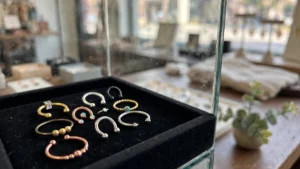
What we like: Silver lets you buy three or four rings for the price of one gold ring, which is ideal if you like to change styles. Gold costs more, but one good gold ring can replace several cheaper ones.
A sensible middle ground is one solid gold ring for everyday wear and two or three silver rings for variety. That way you get the durability of gold and the fun of silver without paying for a full gold collection.
Matching outfits and other jewellery
What we like: Gold sits naturally with warm colours, earthy tones, and other gold jewellery. Silver sits naturally with cool colours, black, white, and other silver jewellery.
The simplest rule is to match the nose ring to the metal you wear most. If your everyday earrings and necklace are gold, a gold nose ring will look like it belongs. The same goes for silver.
Occasion and dress code
What we like: A small gold stud reads as classic and polished, and works well at weddings and formal events. A small silver stud reads as clean and understated, and works well at work and in everyday settings.
For a formal occasion, choose the smallest, simplest ring in your chosen metal. A tiny gold stud or a tiny silver stud both disappear into the look in the best way, adding polish without drawing attention.
Keeping it afterwards: resale and heirloom value
What we like: Solid gold keeps a real resale value, because the metal itself is worth something, and a good gold ring can be passed on. Silver keeps far less value, but it is cheap enough that this rarely matters.
Think of a solid gold nose ring as a small piece of jewellery you own, and a silver one as a small piece you enjoy. Both are good purchases, but they are good for different reasons.
Which nose ring is right for you
Start with your skin. If your skin is warm, olive, or deep, gold will usually flatter you more. If your skin is fair and cool, silver will usually flatter you more. If both look good, choose by budget and by what you already wear. A ring that matches your everyday jewellery will always look more intentional than one that fights it, and that matters more than any trend.
Then think about your routine. If you want a ring you put in and forget about, solid gold is the easier metal, because it needs almost no care and will not tarnish. If you like to change your jewellery with your outfit, silver is the cheaper way to build a small collection, and a quick polish now and then is a small price for that freedom. Our guide to the best anklets for women makes the same point about matching metal to habit, and it applies just as well to a nose ring as to an anklet.
Finally, be honest about your budget. A solid gold ring is a real purchase, and it is worth saving for if you want one ring for years. A silver ring is a small purchase, and it is the right choice if you are still finding your style. There is no shame in either. The wrong choice is a plated ring bought as a bargain that irritates your skin and needs replacing in a few months.
The caveats that matter
Both metals are safe for most people, but not every ring sold as gold or silver is what it claims to be. Cheap rings can contain nickel, which is the most common cause of irritation from jewellery, and plated rings can expose base metal once the coating wears thin. If your piercing is new, choose solid gold or implant-grade titanium for healing, and wait until it is fully healed before trying silver or plated rings. If a ring makes your skin red, itchy, or sore, take it out and do not keep wearing it in the hope that your skin will adjust. It usually will not.
| Detail | What is known |
|---|---|
| Best for warm skin | Gold, especially 14k and 18k, which add warmth to olive and deeper tones |
| Best for cool skin | Silver, especially sterling, which looks bright against fair and pink-toned skin |
| Tarnish | Gold barely tarnishes; silver darkens in air and moisture and needs regular cleaning |
| Cost | Silver is far cheaper to buy; gold costs more but keeps resale value |
| Durability | Solid gold holds its finish longest; plated gold wears through; silver is softer but easy to repair |
| Sensitive skin | Choose nickel-free silver or 14k gold and above; avoid plated rings for fresh piercings |
| Care | Gold needs a soft cloth wipe; silver needs a polish every few weeks and dry storage |
| What neither metal fixes | Size, fit, and finish matter as much as metal; a badly sized ring will not suit you in any metal |
If you have a metal allergy, check with a dermatologist before choosing, and keep the receipt and the metal description when you buy. A reputable seller will tell you the karat, the alloy, and whether the ring is solid, filled, or plated, and that information is worth more than any discount.
Checklist: choosing between gold and silver
Use these checks before you buy, and again after a week of wear.
- Check the metal: solid gold, gold-filled, or plated, and sterling silver stamped 925.
- Check your skin tone in daylight: gold for warm undertones, silver for cool undertones.
- Check your other jewellery: match the nose ring to the metal you wear most often.
- Check the finish: smooth edges, a secure clasp, and no rough spots that will irritate skin.
- Check the price honestly: one solid gold ring beats three plated rings that need replacing.
- Check after a week: no redness, itching, or soreness, and the ring still sits comfortably.
Frequently asked questions
Is gold or silver better for a nose ring?
Neither is better in general. Gold suits warm skin, needs less care, and keeps its value, while silver suits cool skin, costs far less, and is easy to clean. Choose by your skin tone, your budget, and how much care you want to give the ring.
Can I wear gold and silver nose rings together?
Yes, if you do it on purpose. A mixed-metal look works when the two metals are balanced, for example a gold nose ring with one gold earring and one silver earring, rather than a random mix. If in doubt, keep the metals matching near your face.
Does silver tarnish on a nose ring?
Yes, sterling silver darkens over time from air and moisture, and faster in humid conditions. A quick polish with a silver cloth every few weeks keeps it bright, and storing it in a sealed pouch when you are not wearing it slows tarnish down.
Is gold better for sensitive skin?
Higher-karat gold, 14k and above, is usually well tolerated, because it contains less alloy. Nickel-free sterling silver is also a good choice for most sensitive skin. The riskiest rings are cheap plated ones, whatever metal they claim to be. If you are unsure, a pearl necklace guide is a useful reminder that the same nickel-free rule applies to any jewellery that touches skin for hours at a time.
How long does a gold nose ring last?
A solid gold nose ring can last for decades with basic care, because the metal does not wear through. A gold-filled ring lasts for years, while a gold-plated ring may show wear within months, depending on how often you wear and clean it.
Can I wear a nose ring every day?
Yes, once the piercing is fully healed. Choose a small, smooth ring in solid gold or sterling silver, clean it gently each week, and take it out if the skin becomes sore. A ring that fits well should feel like nothing at all after the first few days.
The bottom line
Gold and silver nose rings are both good choices, and the right one depends on your skin, your budget, and your habits. Gold brings warmth, low maintenance, and lasting value, and it flatters warm and olive skin beautifully. Silver brings brightness, a low price, and the freedom to change styles often, and it flatters cool and fair skin beautifully. Neither metal is a mistake, as long as you buy a real one, in the right size, with a smooth finish.
Choose the metal that makes your skin look healthiest in daylight, match it to the jewellery you already wear, and buy the best quality you can afford. A single solid gold ring or a small collection of sterling silver rings will both serve you well for years, and the one you will actually wear is always the right choice.