
Gold and silver are the two metals almost every jewellery box is built on, and choosing between them is the first decision behind nearly every necklace, ring, bracelet and pair of earrings. Gold brings warmth, weight and a price that holds its nerve. Silver brings a cool, bright shine at a fraction of the cost, with a softer metal that asks a little more care in return. Neither one is better in every situation, and the right answer changes with your skin tone, your budget, how often you wear jewellery, and whether you want a piece to last a lifetime or simply to look good this season.
The confusion usually comes from the details nobody explains at the counter. Gold is not one metal but a family, from 9k to 24k, yellow, white and rose, each with its own hardness and price. Silver is usually sterling silver, 92.5 percent pure silver mixed with other metals for strength, and it tarnishes in a way gold does not. Vermeil, plating, filled and solid are not marketing words, they are different constructions, and they decide how long a piece keeps its colour and how it should be cleaned.
Below are nine comparisons that matter when you are choosing between gold and silver jewellery in 2027, from colour and skin tone to durability, upkeep, price and resale. Each one explains what each metal does well, what to watch for, and who it suits best.
Key takeaways
- Gold is warmer, heavier and more durable for everyday wear, while silver is brighter, cooler and far more affordable for the same size of piece.
- Warm skin tones usually glow in yellow gold, cool skin tones in silver and white gold, and rose gold sits in between and suits most people.
- Silver tarnishes and needs regular cleaning, while solid gold keeps its colour with only occasional washing.
- Check the construction before the price: solid, filled and vermeil last far longer than thin plating on either metal.
- No metal is right for everyone, and a piece that is wrong for your skin, your budget or your routine will sit unworn whatever it cost.
What gold and silver jewellery actually are
Gold jewellery is made from gold alloyed with other metals, because pure 24k gold is too soft for most jewellery. The karat number tells you how much of the mix is gold: 24k is pure, 18k is 75 percent gold, 14k is about 58 percent, and 9k is 37.5 percent. Higher karat means a richer yellow colour and a higher price, but a softer piece that scratches more easily. Lower karat gold is harder and more practical for daily wear, and less expensive.
Silver jewellery is usually sterling silver, stamped 925, which is 92.5 percent silver and 7.5 percent other metals, most often copper. That small addition is what makes silver strong enough to wear, but it is also what makes it tarnish, because copper reacts with air and sulphur. Our comparison of gold and rose gold covers the warm end of the gold family in more detail, if you are torn between shades of gold rather than between gold and silver.
Both metals also come in layered forms. Gold-filled jewellery has a thick layer of gold bonded to a base metal core, and it can last for years. Gold vermeil is sterling silver coated with a thick layer of gold, usually 10k or higher, and it is a genuine middle ground. Gold-plated jewellery has a very thin layer of gold over a base metal, and it wears through fastest.
How we compared them
We compared gold and silver across the things that actually decide whether a piece gets worn: colour and skin tone, durability, tarnish and upkeep, price, ageing, sensitive skin, mixing with other jewellery, and resale value. Price ranges below are for typical high-street and mid-range pieces in 2027, not for fine jewellery houses.
We also kept the advice practical. A metal that looks perfect in a shop window is no good if it turns your skin green, tarnishes in a drawer, or costs so much you are afraid to wear it. The comparisons below are honest about those trade-offs.
The 9 gold vs silver comparisons that matter
The colour
What it shows: Gold is warm, yellow and rich, and it catches light with a soft glow. Silver is cool, bright and almost white, and it reflects light with a sharper shine. What to consider: Colour is the first thing you notice and the hardest to change, so choose the tone you reach for most, not the one a trend tells you to buy. Best for: Gold for warm, autumnal outfits; silver for cool, minimal and monochrome looks. Material: 14k or 18k yellow gold; sterling silver 925. Price range: Gold chains from around £80 for 9k to £400 and above for 18k; silver chains from around £30. Standout feature: Gold glows; silver shines.
How each metal suits your skin tone
What it shows: Warm skin, with golden or olive undertones, usually glows in yellow and rose gold. Cool skin, with pink or blue undertones, usually looks best in silver and white gold. What to consider: The vein test is a useful guide, greenish veins suggest warm undertones, bluish veins suggest cool ones, but it is a guide, not a rule, and many people suit both. Best for: Gold for warm undertones; silver for cool undertones. Material: Yellow or rose gold; sterling silver or white gold. Price range: No price difference for the test, try both in a shop before buying. Standout feature: The right metal makes skin look healthier and brighter.
Durability and everyday wear
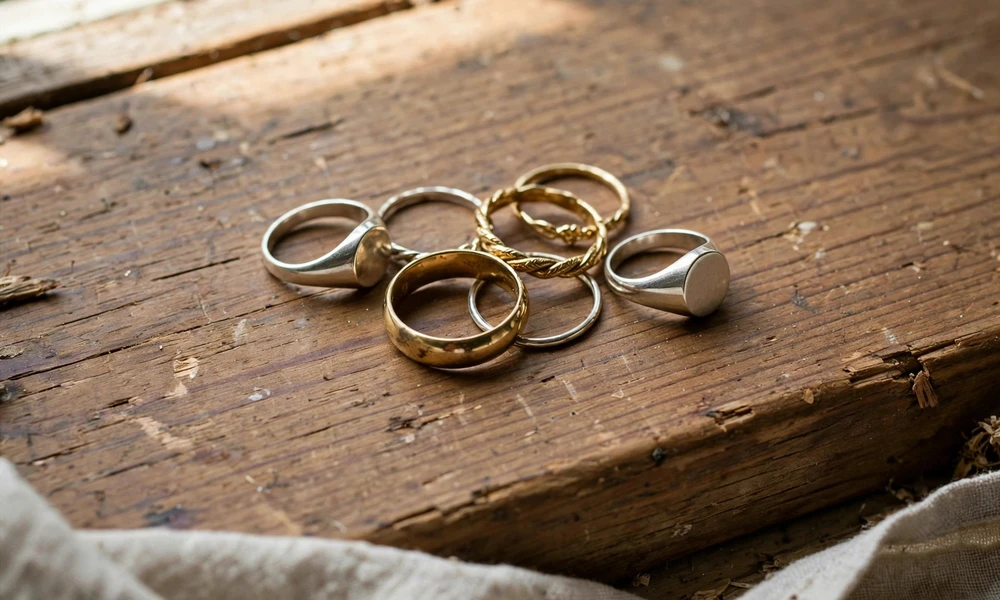
What it shows: Gold is harder and holds its shape better under daily knocks, especially at 14k and below. Silver is softer, scratches more easily, and bends more readily on thin bands and delicate chains. What to consider: A ring worn every day takes far more punishment than a necklace, so durability matters most for rings and bracelets, and least for earrings. Best for: Gold for daily rings and bracelets; silver for necklaces, earrings and occasional pieces. Material: 14k gold for daily wear; sterling silver for lighter use. Price range: A 14k gold band from around £200; a sterling silver band from around £40. Standout feature: Gold keeps its shape; silver needs gentler handling.
Price and value
What it shows: Silver costs a fraction of gold for the same design, because silver is far cheaper per gram and gold carries a high material cost. What to consider: Price is not the same as value. A silver piece you wear weekly is better value than a gold piece you keep in a box, and a gold piece worn daily for decades can cost less per wear than a cheap silver piece replaced every year. Best for: Silver for trying a style, building a collection, or gifting; gold for milestone pieces and daily staples. Material: Sterling silver 925; 9k to 18k gold. Price range: Silver pendants from around £25; gold pendants from around £100 for 9k. Standout feature: Silver buys more jewellery for the same money.
Tarnish and upkeep
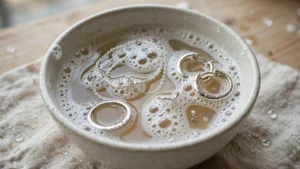
What it shows: Silver tarnishes, turning dull, yellowed or black as it reacts with air, moisture and sulphur. Solid gold does not tarnish, though it can pick up dirt and lose shine. What to consider: Tarnish is not damage, and it cleans off, but it is a recurring chore, and silver left unworn in a drawer tarnishes fastest of all. Best for: Gold for low-maintenance wearers; silver for people happy to clean jewellery every few weeks. Material: Sterling silver, which needs anti-tarnish storage; solid gold, which needs only washing. Price range: A silver polishing cloth costs a few pounds; anti-tarnish strips cost under £10. Standout feature: Gold stays bright; silver asks for attention.
How each metal ages
What it shows: Gold ages gracefully, developing a soft patina and fine scratches that most owners find attractive. Silver ages visibly, with scratches, dents and tarnish that can make a piece look tired if it is not cleaned. What to consider: Ageing is not only about looks. Gold keeps its weight and structure, while thin silver can wear thin at clasps and joints over many years of daily use. Best for: Gold for heirloom pieces and daily staples; silver for fashion pieces you expect to replace. Material: 18k gold for heirlooms; sterling silver for seasonal styles. Price range: Re-polishing a gold ring costs around £20 to £40; re-plating silver costs around £15 to £30. Standout feature: Gold gains character; silver needs restoring.
Suitability for sensitive skin
What it shows: Both metals can irritate sensitive skin, but for different reasons. Nickel, often used in gold alloys and in cheap silver, is the usual culprit, and it is more common in lower-karat gold and in silver-plated base metal. What to consider: Look for nickel-free, hypoallergenic or palladium-alloyed gold, and for sterling silver rather than plated base metal. Higher-karat gold contains less alloy and is often better tolerated. Best for: 18k gold or sterling silver for sensitive ears and skin; avoid plated base metal. Material: 18k nickel-free gold; sterling silver 925. Price range: Hypoallergenic gold studs from around £60; sterling silver studs from around £20. Standout feature: Purity and alloy matter more than the metal name.
Mixing with other jewellery
What it shows: Gold and silver can be worn together, and mixed-metal looks are now a normal part of styling, but they need a little intention to look deliberate rather than accidental. What to consider: A single mixed-metal piece, such as a two-tone chain or a ring with both metals, ties a mixed look together better than random pieces in different metals. Best for: Mixed metals for layered necklaces and stacked rings; single metal for formal or minimal looks. Material: Two-tone gold, or gold and sterling silver worn together. Price range: A two-tone chain costs roughly the same as a gold chain of the same weight. Standout feature: Mixing doubles the pieces that work together.
Resale and long-term value
What it shows: Gold holds value far better than silver. A gold piece can be sold for its metal content at any time, and gold prices have risen over the long term. Silver also has a scrap value, but it is much lower, and it rarely covers the original price. What to consider: Jewellery is not an investment, and retail mark-ups mean most pieces sell second-hand for less than they cost. Gold simply loses less, and it is easier to sell. Best for: Gold for pieces you may one day sell or pass on; silver for pieces bought to enjoy. Material: Solid gold, which has a clear scrap value; sterling silver, which has a modest one. Price range: Gold scrap value tracks the daily gold price; silver scrap value is a small fraction of the retail price. Standout feature: Gold is the safer store of value.
Which gold or silver is right for you
Choose gold if you want one daily piece that lasts, if your skin is warm-toned, if you dislike cleaning jewellery, or if you want a milestone piece with lasting value. Choose 14k for everyday rings and bracelets, where hardness matters, and 18k for necklaces and earrings, where colour and richness matter more. The same trade-offs show in our comparison of gold and silver nose rings: the metal that suits your skin and your routine wins.
Choose silver if you want to try a style before committing, if your skin is cool-toned, if you like changing jewellery often, or if your budget buys far more silver than gold. Buy sterling silver, not plated base metal, keep it in a lined box with an anti-tarnish strip, and clean it every few weeks. If you love both, buy gold for the piece you wear daily and silver for the pieces you rotate, and let a two-tone piece bridge the two.
Your lifestyle decides as much as your taste. Hands-on work, gym sessions, swimming and gardening are all harder on silver than on gold, and chlorinated water and chemicals dull both metals, so take jewellery off before you swim or clean.
The caveats that matter
Neither metal is maintenance-free, and neither is right for every piece. Gold can scratch and dent, especially at high karat, and white gold needs re-plating with rhodium every year or two to keep its bright white colour. Silver tarnishes, scratches, and can feel light and insubstantial in very thin designs.
| Detail | What is known |
|---|---|
| Colour | Gold is warm and yellow; silver is cool, bright and almost white |
| Best for warm skin | Yellow and rose gold usually flatter warm undertones |
| Best for cool skin | Silver and white gold usually flatter cool undertones |
| Durability | Gold, especially 14k, holds shape better; silver scratches and bends more easily |
| Tarnish | Silver tarnishes and needs regular cleaning; solid gold does not tarnish |
| Price | Silver costs a fraction of gold for the same design |
| Sensitive skin | Choose nickel-free gold or sterling silver; avoid plated base metal |
| Resale value | Gold holds value far better; silver has only a modest scrap value |
If you are buying for a gift, or for a piercing, check the metal and the construction before the design. Gift recipients cannot return a piece that irritates their skin, and piercings need implant-grade or high-karat metals, not plated jewellery.
Checklist: choosing between gold and silver honestly
Use these checks before you buy.
- Check your skin tone in daylight: hold gold and silver against your wrist and buy the one that makes your skin look brighter.
- Check the construction: solid, filled or vermeil last far longer than thin plating, on either metal.
- Check the karat or stamp: 9k, 14k or 18k for gold, 925 for sterling silver, and no stamp at all is a warning sign.
- Check the weight: a piece that feels too light for its size is usually hollow or thin, and it will wear out faster.
- Check the upkeep you will actually do: if you will not clean silver regularly, buy gold, or buy silver you wear often.
- Check the cost per wear: divide the price by how often you will really wear it, and buy the piece with the honest answer.
Frequently asked questions
Is gold or silver better for everyday wear?
Gold is usually better for daily wear, because it is harder, does not tarnish, and holds its shape under knocks. Silver works well for everyday necklaces and earrings.
Does silver tarnish, and can it be fixed?
Yes, sterling silver tarnishes as it reacts with air and sulphur, and it tarnishes fastest when left unworn in a drawer. It is not damage, and a silver cloth or a gentle wash usually restores it.
Can I wear gold and silver together?
Yes, mixed metals are normal now. Keep one metal dominant, and repeat the accent at least twice so the mix looks deliberate.
Which metal is better for sensitive skin?
It depends on the alloy, not just the metal. Nickel-free 18k gold and sterling silver are usually well tolerated, while plated base metal is the most likely to irritate.
Is gold jewellery worth the extra money?
Often yes, for a daily staple or a milestone piece, because gold lasts longer, needs less care, and holds resale value. For trying a style, building a collection, or buying a gift on a budget, silver is the better buy. Cleaning gold jewellery takes little upkeep, which is part of the value.
Will gold or silver jewellery lose value?
Most jewellery sells second-hand for less than its retail price, because of the mark-up on design and craftsmanship. Gold loses less and is easier to sell, because its scrap value tracks the gold price.
The bottom line
The best metal in 2027 is not the most expensive one, and it is not the cheapest one either. It is the one that suits your skin, survives your week, and gets worn instead of sitting in a box. Gold wins on durability, upkeep and lasting value. Silver wins on price, brightness and freedom to experiment. Most well-stocked jewellery boxes end up with both, gold for the daily piece and silver for the rotation, and that is a sensible place to land.
Try both metals against your skin in daylight, check the stamp and the construction before the price, and buy the piece you will actually wear. A £40 silver chain worn a hundred times is better jewellery than a £400 gold chain worn twice, and a gold ring worn every day for twenty years is better value than either. Choose with your life in mind, not just the shop window.