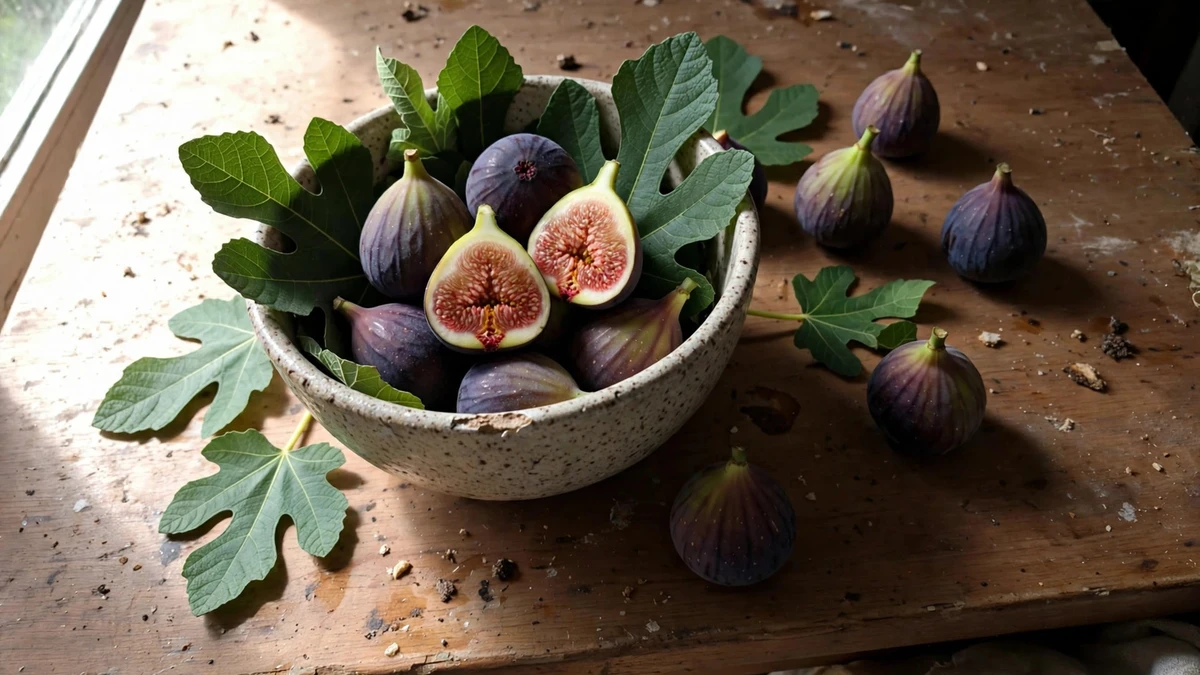

A fig perfume is not a fruit perfume. That is the first thing to understand, and it explains almost everything else about the note. When perfumers talk about fig, they usually mean the whole tree: the green leaf, the milky sap, the sun-warmed wood, and the ripe fruit, in that order. The fruit is the smallest part of the picture, and the leaf is the largest.
That is why fig perfumes smell the way they do. They are green without being grassy, sweet without being sugary, and warm without being heavy. They smell like a shaded garden on a summer afternoon, not like a fruit bowl. If you have ever wondered where the fig was, you were smelling it all along, just not in the form you expected.
This guide explains what a fig perfume is, how the note is built, what it smells like on skin, and how to tell a good one from a thin one. It covers the leaf, the fruit, the wood, the blends that work, and the mistakes that make fig perfumes disappoint, so you can choose one with confidence.
Key takeaways
- A fig perfume is built mostly from fig leaf and fig wood, with the ripe fruit as an accent, which is why it smells green and milky rather than simply fruity.
- The milky, coconut-like quality of fig comes from the sap of the tree, and it is what gives the note its soft, creamy warmth.
- Fig pairs best with citrus, light woods and soft florals, and it suits warm weather and daytime wear more than cold evenings.
- Eau de toilette fig perfumes are lighter and greener, while eau de parfum versions are warmer, woodier and longer-lasting.
- No fig perfume smells exactly like eating a fresh fig, and the note changes a lot on skin, so a sample or a full day of wear tells you more than a first spray.
What a fig perfume actually is
A fig perfume is a fragrance built around the fig tree, not the fig fruit alone. The note is made from several materials: fig leaf, which gives the green, slightly bitter freshness; fig wood, which gives a warm, dry base; the milky sap, which gives the creamy, coconut-like softness; and the ripe fruit, which gives a gentle, jammy sweetness. The fruit is the smallest part of the picture, and the leaf is the largest. No single one of these is fig on its own. The note is the combination, and different perfumes weight the combination differently.
That weighting is what makes fig perfumes so varied. A leaf-heavy fig, like Diptyque Philosykos, is green, crisp and fresh, and it smells like a garden. A fruit-heavy fig, like Byredo Pulp, is juicy and bright, and it smells like ripe fruit with a green edge. A creamy fig, like L’Artisan Premier Figuier, leans on the sap and the almond-milk softness, and it smells like late afternoon light. All three are fig perfumes, and none of them smells like the others.
Fig is also a note with a family. It belongs with the green and woody fragrance families, alongside cedarwood, vetiver and fresh leaves, rather than with the fruity or gourmand families. That matters when you are choosing, because a fig perfume behaves more like a green woody scent than a fruit scent.
How a fig perfume is made and what to look for
A fig perfume starts with the leaf. Perfumers use fig leaf materials, often described as fig leaf absolute or fig leaf extract, to get the green, slightly bitter freshness that is the note’s signature. The leaf is what you smell first, and it is what makes a fig perfume feel alive rather than sweet. Without a good leaf, a fig perfume is just a soft, fruity scent with no character.
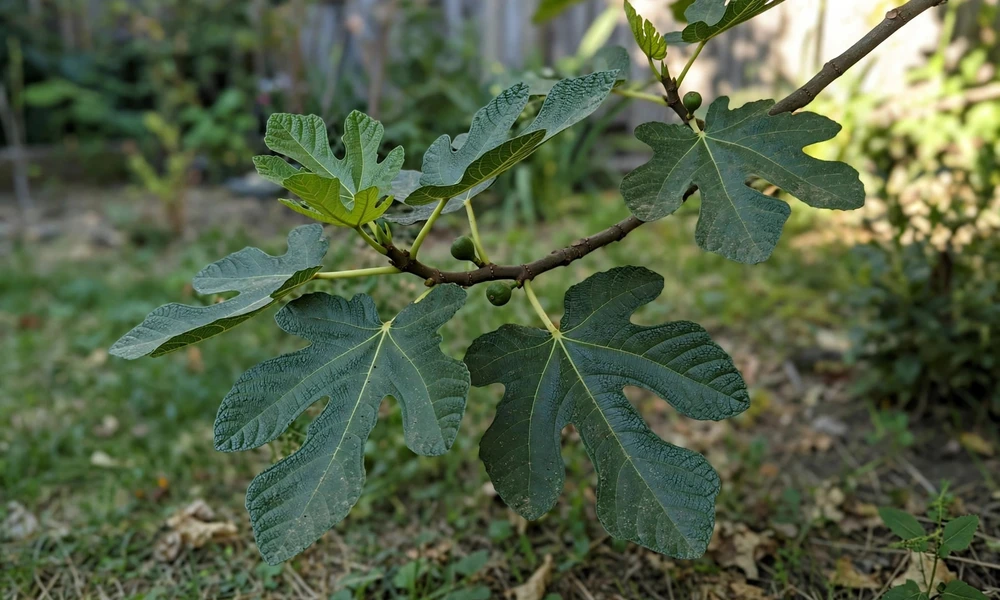
The fruit and the sap come next. Ripe fig adds a soft, jammy sweetness, closer to dried fig than fresh, and the milky sap adds the coconut-like creaminess that makes fig feel warm rather than sharp. Perfumers balance these against the leaf so the perfume does not tip too far in either direction. Too much fruit and it becomes sticky. Too much leaf and it becomes bitter. The best fig perfumes sit in the middle, green on top and creamy underneath.
Finally, look at the base and the concentration. The base is usually cedarwood, sandalwood or a soft musk, and it is what holds the fig in place for hours. An eau de toilette will be lighter and greener, with a shorter life, while an eau de parfum will be warmer and woodier, with a longer life. If you like warm, resinous bases, our guide to what an amber perfume is explains the family fig is closest to.
9 facts that explain a fig perfume
Fig in perfume is mostly leaf, not fruit
What it shows: The green, fresh character of fig comes from the leaf, which is the largest part of the note, while the fruit is only an accent. What to consider: If you expect a fig perfume to smell like eating a fig, the leaf will surprise you, because it is green and slightly bitter. Best for: Anyone who likes fresh, green scents. Material: Fig leaf. Price range: Around £100 to £160 for most fig perfumes. Standout feature: The leaf is the signature of the note.
Once you know the leaf leads, the whole note makes sense.
The milky, coconut-like quality comes from fig sap
What it shows: The soft, creamy warmth in fig comes from the milky sap of the tree, which smells faintly of coconut and warm skin. What to consider: The sap is subtle, so it can be hard to notice at first, and it fades sooner than the woody base. Best for: Anyone who likes warm, creamy scents. Material: Fig sap. Price range: Around £110 to £180 for creamy fig perfumes. Standout feature: The sap is what makes fig feel warm rather than sharp.
That softness is the sap, doing quiet work underneath the leaf.
Fig leaf is green and slightly bitter
What it shows: The leaf brings a green, slightly bitter freshness, like a leaf crushed between your fingers, and it keeps fig from becoming sweet. What to consider: The bitterness can feel sharp on first spray, especially in leaf-heavy perfumes, and it softens as the perfume dries down. Best for: People who like crisp, clean scents. Material: Fig leaf absolute. Price range: Around £120 to £200 for leaf-led fig perfumes. Standout feature: The bitter green edge is what makes fig interesting.
That slight bitterness is the contrast that makes fig work.
Fig fruit adds a soft, jammy sweetness
What it shows: The ripe fruit gives fig its gentle sweetness, closer to dried fig than fresh, and it rounds out the green leaf. What to consider: The fruit is an accent, not the main event, so a fig perfume will never be as fruity as a berry or peach perfume. Best for: People who want warmth without sugar. Material: Fig fruit. Price range: Around £100 to £170 for fruit-leaning fig perfumes. Standout feature: The jammy sweetness is soft, never sticky.
The fruit is the warmth in fig, arriving after the leaf in the middle of the wear.
Fig wood gives the base its warmth
What it shows: The wood of the fig tree, and the cedarwood or sandalwood paired with it, gives fig perfumes a warm, dry base that lasts for hours. What to consider: The wood is quiet, so it can be hard to notice, but it is what keeps the perfume from disappearing too fast. Best for: Anyone who wants fig with staying power. Material: Fig wood and cedarwood. Price range: Around £130 to £200 for woody fig perfumes. Standout feature: The wood is the backbone of the note.
The wood is what is left in the evening, warm, dry and close to the skin.
Fig blends best with citrus and light woods
What it shows: Citrus, especially bergamot and grapefruit, lifts fig and makes it brighter, while cedarwood and sandalwood make it deeper without weighing it down. What to consider: Heavy or dark pairings, like leather or strong spice, can bury the fig entirely, so the best blends keep it light. Best for: People choosing their first fig perfume. Material: Bergamot, grapefruit and cedarwood. Price range: Around £100 to £180 for citrus-fig blends. Standout feature: Citrus and wood are fig’s most natural partners.
Together, citrus and wood make fig feel complete.
Fig blends well with soft florals
What it shows: Lotus, iris and jasmine soften the green leaf and make fig more elegant, without taking away its freshness. What to consider: Strong florals, like tuberose or gardenia, can overpower the fig, so the best floral fig perfumes use light, quiet flowers. Best for: People who like elegant, daytime perfumes. Material: Lotus flower, iris and jasmine. Price range: Around £100 to £160 for floral fig perfumes. Standout feature: Soft florals make fig feel polished.
A floral fig is fig at its most graceful, refined without feeling formal.
Fig is a warm-weather note
What it shows: Fig feels most at home in spring and summer, when the green leaf reads as fresh and the creamy fruit reads as sunshine. What to consider: In cold weather, the green leaf can feel thin and the perfume can fade fast, so creamier fig perfumes suit autumn better. Best for: Warm days, holidays and daytime wear. Material: Fig leaf and fig fruit. Price range: Around £100 to £180 for seasonal fig perfumes. Standout feature: Fig is at its best when the weather is warm.
Fig needs warmth to show its best side; on a cold day, the same perfume can feel quiet and thin.
Fig perfumes change a lot on skin
What it shows: The green leaf reacts to skin chemistry, so a fig perfume can smell green in the shop and creamy by the afternoon, and different on different people. What to consider: Paper strips tell you almost nothing about fig, because the leaf needs skin warmth to develop, so always test on your wrist. Best for: Anyone buying fig for the first time. Material: Fig leaf and skin chemistry. Price range: Around £100 to £200, with samples widely available. Standout feature: Fig is one of the most skin-dependent notes in perfumery.
Wear it for a day before you decide.
Where the fig note comes from
The fig tree has been part of Mediterranean life for thousands of years, and its leaves and fruit have been used in food, medicine and ritual for just as long. In perfumery, fig is a modern note. It became popular in the 1990s, when perfumers began looking for green notes softer and warmer than the sharp green scents of the 1970s and 1980s.
The note’s rise is closely tied to one perfume, Diptyque Philosykos, which was created in 1996 and is still the reference point for fig today. It showed that a green note could be warm and luxurious, not just fresh and sharp, and it opened the door for the many fig perfumes that followed. Before Philosykos, fig was a curiosity. After it, fig became a family, with its own range of styles, from leaf-led to fruit-led to creamy.
Today, fig sits comfortably in the woody green family, alongside cedarwood, vetiver and fresh leaves, and it is one of the most popular notes for warm-weather perfumes. For a comparison with the woodier side of the family, our guide to what a woody perfume is explains how fig’s green leaf relates to cedarwood and sandalwood.
The caveats that matter
Fig is a gentle note, but it is not a simple one. The green leaf can feel sharp on first spray, the creamy fruit only appears after twenty minutes, and the whole perfume can smell different on your skin than it does in the bottle. It is also a note that fades sooner than heavier notes, because the leaf is light and volatile, and because the milky sap is one of the first things to go on warm skin.
| Detail | What is known |
|---|---|
| What fig means in perfume | Fig leaf and fig wood, with ripe fruit as an accent, not just the fruit alone |
| Main materials | Fig leaf, fig wood, fig sap, and ripe fig fruit |
| Best season | Spring and summer for light fig; autumn for creamy and woody fig |
| Longevity | Eau de toilette fig lasts around 4 to 6 hours; eau de parfum around 6 to 8 hours |
| Who should sample first | Anyone new to fig, because the green leaf changes a lot on skin |
| What to avoid pairing at first | Heavy gourmand or leathery scents, which can bury the green leaf |
| Storage | Cool, dark place, away from heat and sunlight; use within 2 to 3 years of opening |
| What it does not do | It does not smell like eating a fresh fig, and it does not last as long as woody or amber scents |
If you have sensitive skin, or you react to fragrances, patch-test a fig perfume on your inner arm before wearing it on your neck or wrists, and check the ingredient list if you know you react to specific fragrance materials.
Checklist: understanding a fig perfume honestly
Use these checks before you buy, and again after a week of wearing.
- Check the balance: is the fig leaf-led and green, or fruit-led and creamy?
- Check the concentration: eau de toilette for lightness, eau de parfum for warmth and longevity.
- Check it on skin: wear it for a full day, because fig changes a lot between the first spray and the dry-down.
- Check the season: light fig for spring and summer, creamy or woody fig for autumn.
- Check the base: cedarwood or sandalwood means the perfume will last longer and feel warmer.
- Check the dry-down: the woody, milky base is what you will actually live with, so judge the perfume by its last two hours, not its first five minutes.
Frequently asked questions
What is a fig perfume?
A fig perfume is a fragrance built around the fig tree, using fig leaf, fig wood, fig sap and ripe fig fruit. It smells green, milky and creamy, like a fig tree in summer, rather than like a bowl of fruit.
Does fig perfume smell like figs?
Partly. It smells like the whole tree, not just the fruit. The green leaf and milky sap are usually more noticeable than the fruit, so a fig perfume smells fresh and creamy rather than simply fruity.
Is fig perfume unisex?
Yes. Fig is one of the most genuinely unisex notes in perfumery. The green leaf and woody base suit everyone, and most fig perfumes are sold without a gender label.
When should I wear a fig perfume?
Spring and summer are the natural seasons for fig, especially during the day. Creamier fig perfumes also work well in early autumn. For evenings, choose an eau de parfum fig with a woody base.
What is the difference between fig and amber perfumes?
Fig is green, fresh and milky, while amber is warm, resinous and sweet. They share a warm, sunlit character, but fig stays lighter and greener, and amber stays deeper and richer. If you like fig’s warmth, our guide to the best amber perfumes is a useful next step, because it shows the warmer, more resinous side of the same feeling.
How long does a fig perfume last?
Most fig eau de toilettes last around four to six hours, and eau de parfums around six to eight hours, depending on your skin and the weather.
The bottom line
A fig perfume is the smell of a tree, not a fruit. The leaf gives it freshness, the sap gives it warmth, the wood gives it depth, and the fruit gives it a soft, jammy sweetness that ties the whole thing together. Once you understand that, the note stops being confusing and starts being one of the most rewarding in perfumery.
If you are trying fig for the first time, start with a sample, wear it for a full day, and judge it by the dry-down. The perfume that smells green in the shop and creamy by the afternoon is the one worth buying, and it is the one that will still be on your shelf in a year.