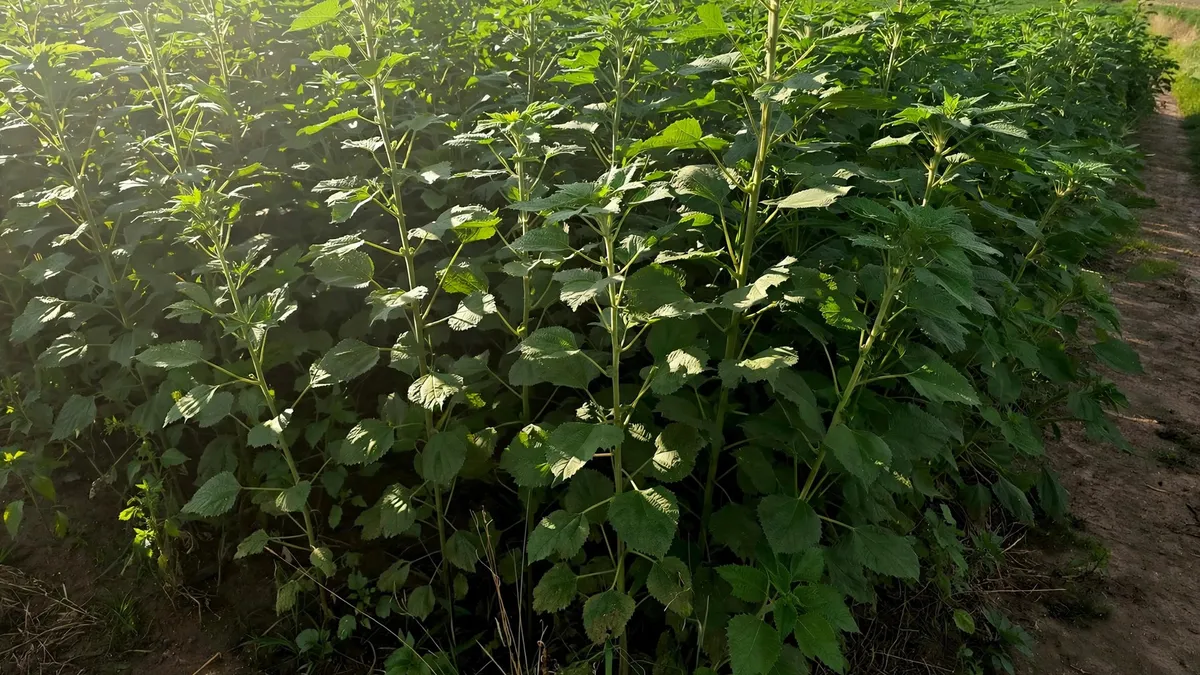

Ramie is one of the oldest fibres people have ever woven, and one of the least seen. It comes from a nettle plant, grows in tall green stands across China, the Philippines, Vietnam and Japan, and turns into a cloth that is cool, crisp and almost linen-like, with a soft sheen that linen never quite manages. A ramie farm retreat is a stay built around that plant: a working farm where you can watch the stems cut, stripped and degummed, then sleep nearby in a farmhouse, a weaving village inn or a small luxury lodge that buys its cloth from the fields outside.
These retreats are quieter than the tea and coffee estates most travellers know. There are no tasting menus built around a single drink, and no crowds following a bloom calendar. What you get instead is a working fibre farm, a craft you can watch from stem to cloth, and a landscape of tall nettle rows that most visitors have never seen. The best stays pair that with comfortable rooms, good local food and guides who actually work the fields.
Below are nine ramie farm retreats worth considering in 2027, from the old ramie counties of Hunan to the weaving villages of Jeju and Nara. Each one is described by what it does well, what to watch for, and who it suits best, so you can choose a farm that matches how you like to travel, not just a name on a list.
Key takeaways
- Ramie is a nettle fibre, also called China grass, that becomes a cool, crisp cloth with a soft sheen, closer to linen than to cotton.
- The best ramie farm retreats are working farms, not resorts with a ramie theme, so check that the farm actually grows, strips and degums its own fibre.
- Visit around the second cutting, usually in early summer, when the stems are tallest and the decortication work is running.
- Choose a region by what you want to see: Hunan and Zhejiang for scale, the Philippines and Vietnam for hand weaving, Jeju and Nara for craft and cloth.
- Ramie is not a soft, fluffy fibre, and a farm stay is not a spa break, so go expecting field work, humidity and honest, simple rooms.
What a ramie farm retreat actually is
A ramie farm grows Boehmeria nivea, a nettle that has been cultivated in China for thousands of years. Up close it is a working crop.
A retreat built on that farm is usually small. Some stays are luxurious, with private rooms and a proper restaurant. Others are simple, with shared tables and early starts.
Ramie cloth is the thread that ties these places together. It is cool to wear, holds its shape, and takes dye in soft, slightly muted colours.
How we chose these retreats and what to look for
We started with farms that actually grow ramie, not hotels that buy ramie cloth and call themselves a farm retreat. That matters more than it sounds.
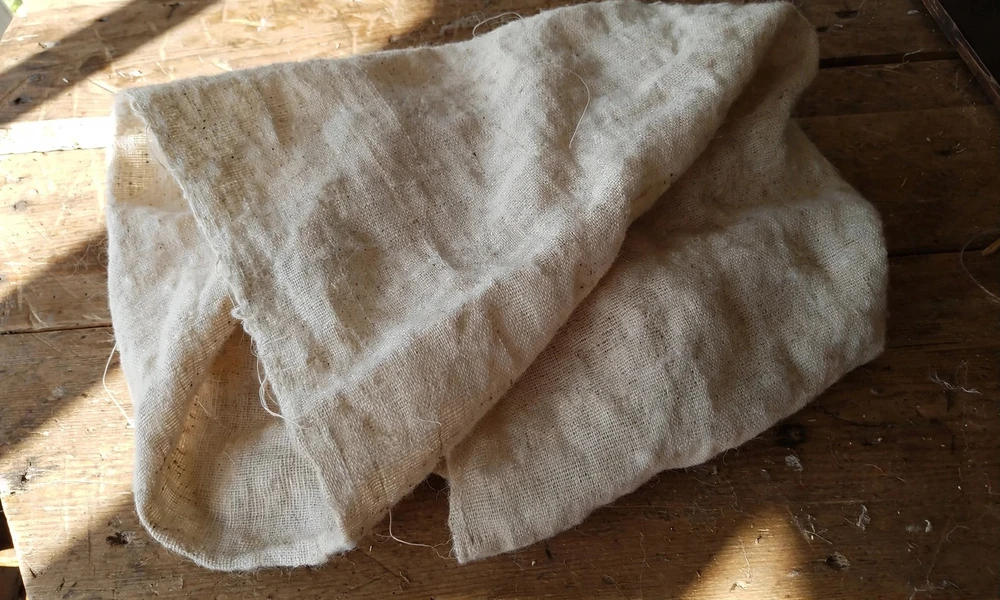
Next we looked at what guests can actually do. A farm that only lets you watch from a fence is a weaker stay, however comfortable its rooms are.
Finally, we weighed the season. Ramie is cut more than once a year, and the farm looks and feels different at each cutting. The second cutting, usually in early summer, is the best time to visit: the stems are at their tallest, the decortication work is running, and the weaving villages are busy. A farm visited out of season can still be pleasant, but much of the work will be finished, and the fields will be quiet. Our guide to luxury sisal farm retreats uses the same test, because a fibre farm is only worth the trip when the fibre work is actually happening.
The 9 best luxury ramie farm retreats of 2027
Ramie Fields of Hunan, China
What we like: The largest ramie-growing region in the world, with whole counties of tall nettle stands, working decortication sheds and weaving villages that have made ramie cloth for generations. The scale is unmatched, and the farm work is easy to see.
What to consider: Hunan summers are hot and humid, the fields are muddy after rain, and English is limited outside the main farmhouse, so a guide helps. Best For: First-time ramie visitors who want to see the crop at full scale. Style: Working farm with a comfortable farmhouse lodge. Price Range: Around $120 to $220 a night, approximate. Standout Feature: The decortication sheds, where you can watch stems stripped within minutes of cutting.
Hunan is where ramie is a serious crop rather than a curiosity.
Ramie Farms of Zhejiang, China
What we like: A gentler landscape than Hunan, with ramie grown alongside tea and bamboo, and farm stays that are a little more polished, with good food and rooms that feel like a proper retreat rather than a working farmhouse.
What to consider: The farms here are smaller, so the fibre work finishes faster, and you may need to time your visit carefully to catch the cutting. Best For: Travellers who want ramie plus comfort, good meals and easy walking. Style: Boutique farm stay with gardens and a small restaurant. Price Range: Around $150 to $280 a night, approximate. Standout Feature: The combination of ramie fields, tea gardens and bamboo groves in a single walk.
Zhejiang suits people who want the farm without the rough edges. It is the easiest ramie region to enjoy if you are travelling with someone who is less keen on field work.
Ramie Plantations of Luzon, Philippines
What we like: Warm, welcoming farm stays where guests are treated like family, with hand stripping done on the porch, weaving in the village, and ramie cloth sold directly by the weavers who made it.
What to consider: The heat is constant, the roads can be slow, and the farms are smaller and less mechanised, so the work is done by hand and takes longer to watch. Best For: Travellers who want to meet the weavers and buy cloth at the source. Style: Family-run farm stay with village weaving. Price Range: Around $80 to $160 a night, approximate. Standout Feature: The hand stripping on the farmhouse porch, done with a simple blade and a practiced rhythm.
Luzon is the most personal of the ramie regions. It is also the warmest, so plan your field walks for early morning and keep the afternoons for shade, weaving and long lunches.
Ramie Estates of Java, Indonesia
What we like: Large, well-organised estates with proper guest rooms, guided field walks and a clear route from stem to cloth, plus the chance to combine a ramie visit with volcano views and Javanese food.
What to consider: The estates are spread out, so you need a car or a driver, and the rainy season can make the field paths slippery. Best For: Travellers who want an organised estate stay with reliable guides. Style: Estate lodge with guided tours and a restaurant. Price Range: Around $110 to $200 a night, approximate. Standout Feature: The guided stem-to-cloth tour, which takes you from the field to the degumming vat to the loom in one morning.
Java’s ramie estates are the most visitor-ready of the group. The tours are well run, the guides explain the process clearly, and the rooms are comfortable without being fussy.
Ramie Farms of the Mekong Delta, Vietnam
What we like: Ramie grown on river land, with boat trips to the fields, floating markets nearby, and weaving villages where the cloth is made on looms set up in open-sided houses.
What to consider: The delta is hot and wet, mosquitoes are a real factor, and the farm work is seasonal, so check the cutting calendar before you book. Best For: Travellers who want river travel, markets and weaving in one trip. Style: Riverside farm stay with boat access to the fields. Price Range: Around $90 to $180 a night, approximate. Standout Feature: Arriving at the ramie fields by boat, through the canals of the delta.
The Mekong Delta adds water to the ramie story. It is the most varied ramie trip on this list, and the one that feels least like a single-crop visit.
Ramie Fields of Jeju Island, South Korea
What we like: A small, craft-focused ramie tradition, with careful hand weaving, beautiful natural-dyed cloth, and farm stays that feel calm and considered, set against Jeju’s volcanic landscape.
What to consider: The ramie area is small, so the farm work is limited, and the island’s wind can be strong, especially in spring. Best For: Craft lovers who care more about the cloth than the crop. Style: Quiet craft farm stay with a weaving studio. Price Range: Around $130 to $240 a night, approximate. Standout Feature: The natural-dyed ramie cloth, in soft colours made from plants grown on the island.
Jeju is the place to go if you want to understand ramie cloth rather than ramie farming. It is a slower, quieter stay, and it suits travellers who like to watch a craft done well.
Ramie Farms of Assam, India
What we like: Ramie grown alongside tea, with estate stays that combine field walks, tea gardens and river views, and a chance to see a fibre crop that is still rare in India.
What to consider: Assam is remote, the monsoon is heavy, and the ramie farms are few, so you need to book through an estate rather than turning up on your own. Best For: Travellers already visiting Assam for tea who want to add a fibre farm. Style: Tea estate stay with a ramie field attached. Price Range: Around $100 to $190 a night, approximate. Standout Feature: The combination of ramie and tea in a single estate walk, with the Brahmaputra in the distance.
Assam is the least obvious ramie destination on this list, and that is part of its appeal.
Ramie Estates of Nara, Japan
What we like: A refined, precise approach to ramie, with careful cultivation, beautiful hand-woven cloth, and stays that pair the farm with temples, gardens and some of Japan’s best food.
What to consider: The farms are small and the stays are expensive for what they are, and the fibre work is seasonal, so the fields may be quiet outside the cutting weeks. Best For: Travellers who want craft, culture and good food alongside the farm. Style: Small guesthouse near a weaving workshop. Price Range: Around $180 to $320 a night, approximate. Standout Feature: The hand-woven ramie cloth, made in the same village for centuries, with a fineness no machine can match.
Nara treats ramie as a craft rather than a crop. The fields are small, the work is done slowly and carefully, and the cloth is beautiful enough to justify the effort.
Ramie Farms of Taiwan
What we like: Accessible farms with good roads, friendly guides and a mix of field work and weaving, plus the chance to combine a ramie visit with Taiwan’s food, mountains and hot springs.
What to consider: The ramie area is modest, so a farm visit is a day trip rather than a week, and the summer heat is strong. Best For: Travellers who want an easy, well-organised ramie day inside a wider Taiwan trip. Style: Rural guesthouse with farm tours and a weaving room. Price Range: Around $100 to $180 a night, approximate. Standout Feature: The weaving room, where you can sit at a loom and try a few rows yourself.
Taiwan is the easiest ramie trip to arrange. It is a good first ramie farm if you are not sure the crop will hold your interest for a whole week.
Which ramie farm retreat is right for you
If this is your first ramie trip, start with Hunan or Java. Hunan shows you the crop at its biggest, with the most field work to watch, while Java gives you the clearest guided tour from stem to cloth. Both are forgiving for first-time visitors, with proper rooms and guides who explain the process without assuming you already know it. A luxury jute farm retreat is a useful comparison here, because jute and ramie farms share the same rhythm of cutting, retting and weaving, and the jute stays are a good test of whether you enjoy a working fibre farm at all.
If you care most about the cloth, choose Jeju or Nara. The fields are smaller, but the weaving and dyeing are the point, and the cloth you see is among the finest ramie made anywhere.
If you are combining ramie with something else, pick the region that fits the rest of your trip.
The caveats that matter
Ramie is a nettle, and that matters more than most farm stays admit. The leaves can sting, the field paths are muddy, and the work is done in heat and humidity.
The other caveat is the season. A farm that answers clearly is a farm worth visiting. One that cannot say is a farm to avoid.
| Detail | What is known |
|---|---|
| What ramie is | A nettle fibre, also called China grass, woven into a cool, crisp cloth with a soft sheen |
| Best time to visit | Around the second cutting, usually early summer, when stems are tallest and decortication is running |
| Who should go | Travellers who enjoy working farms, crafts and slow days, and who do not mind heat and mud |
| Who should skip it | Anyone expecting a spa break, or anyone with a nettle allergy who cannot be near the living plant |
| What to wear in the fields | Long sleeves, closed shoes, gloves if offered, and a hat for the sun |
| How long to stay | Three to four nights is enough for one farm; a week if you are visiting two regions |
| What to buy | Ramie cloth and yarn from the farm or the weaving village, bought on the last day |
| What it does not offer | It does not offer soft, fluffy fibre, luxury spa facilities, or a farm that runs all year round |
If you have a nettle allergy, a skin condition, or you are travelling with small children, check with the farm before you book.
Checklist: planning a ramie farm retreat honestly
Use these checks before you book, and again a week before you travel.
- Check the farm grows ramie: ask whether it grows, strips and degums its own fibre, or only buys cloth.
- Check the cutting calendar: book for the second cutting, when the stems are tallest and the work is running.
- Check what guests can do: look for hands-on work, not just watching from a fence.
- Check the rooms and the food: make sure the stay suits how you actually travel, not just how it photographs.
- Pack for the fields: long sleeves, closed shoes, gloves, a hat, and clothes you can wash easily.
- Plan the last leg: confirm the transfer from the nearest town before you pay, because rural roads are slow.
Frequently asked questions
What is ramie, and is it really a nettle?
Yes. Ramie comes from Boehmeria nivea, a nettle plant grown in Asia for thousands of years.
When is the best time to visit a ramie farm?
Around the second cutting, usually in early summer, when the stems are at their tallest and the decortication work is running.
Is ramie cloth like linen?
It is close, but not the same. Ramie is crisper than linen, holds its shape better, and has a soft sheen that linen lacks.
Can children visit a ramie farm?
Often yes, but with care. Ask the farm what children can join before you book, and bring long sleeves for them too.
What should I buy at a ramie farm?
Ramie cloth and yarn, bought from the farm or the weaving village on your last day.
Do I need a guide for a ramie farm escape?
It helps a great deal. A guide who works the farm can explain the cutting, stripping and degumming as it happens, and can translate in regions where English is limited. On the larger estates a guide is usually included, but on small family farms you may need to arrange one yourself. Our guide to luxury flax farm retreats makes the same point, because a fibre farm is hard to read without someone who works it.
The bottom line
The best luxury ramie farm retreat in 2027 is not the most expensive or the most photographed.
Choose one region, time your visit to the second cutting, pack for heat and mud, and buy your cloth on the last day.