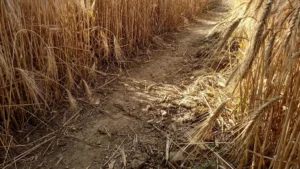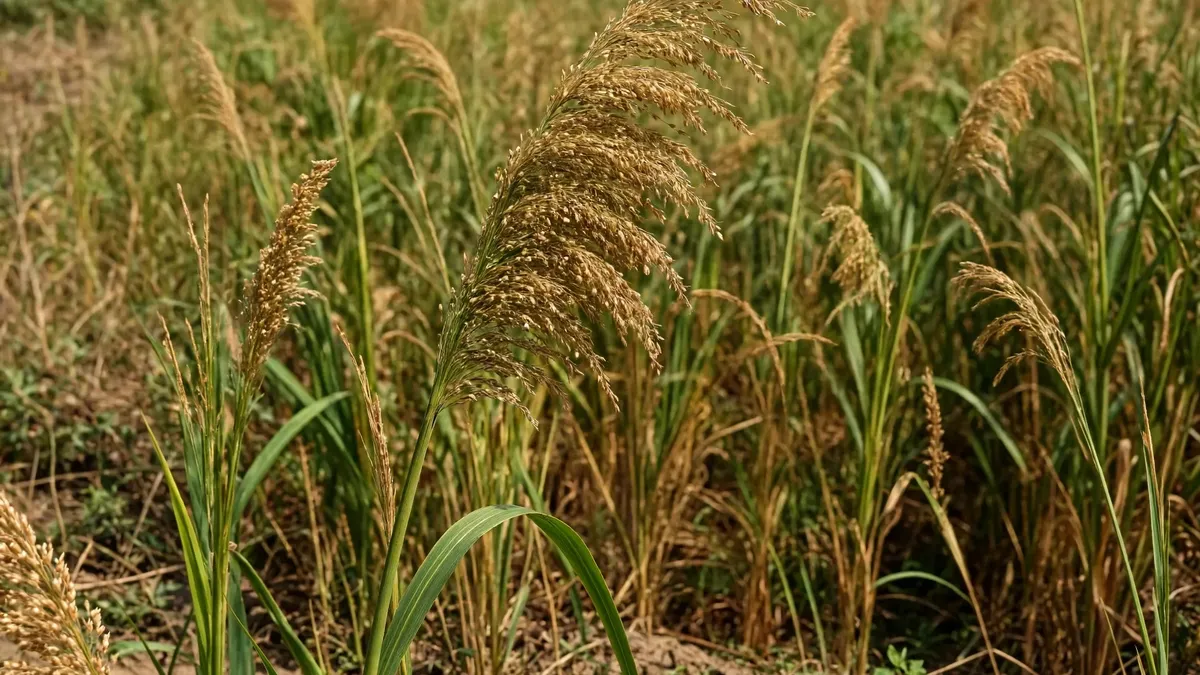
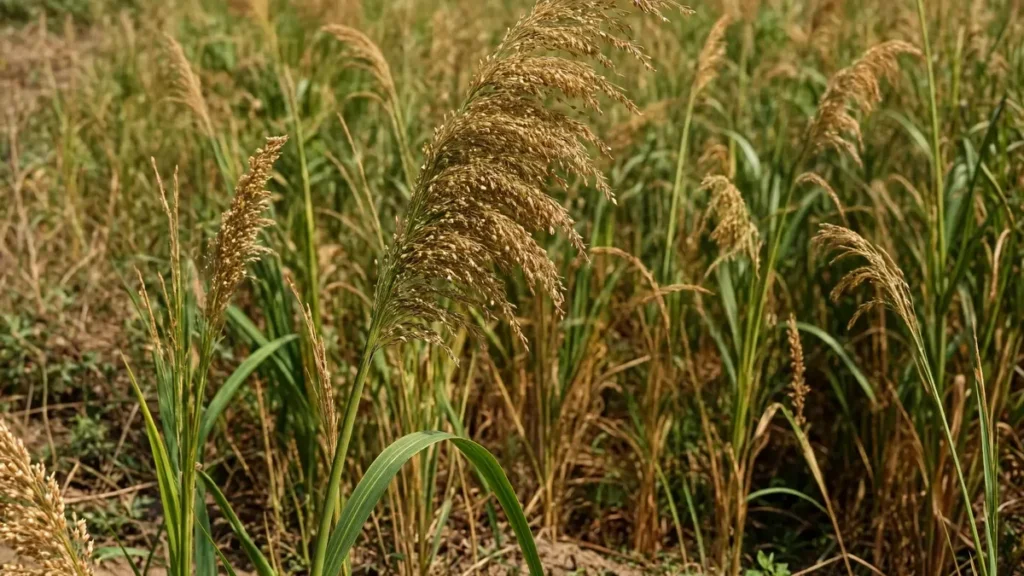
Fonio is the smallest grain you will ever cook with, and one of the oldest. Each seed is about the size of a grain of sand, yet in the hills of West Africa it has fed families for around five thousand years, steamed into a fluffy couscous, stirred into porridge at dawn, and served with peanut sauce or leaf stew. The grain ripens fast, in sixty to seventy days, on thin sandy soil where wheat and maize give up.
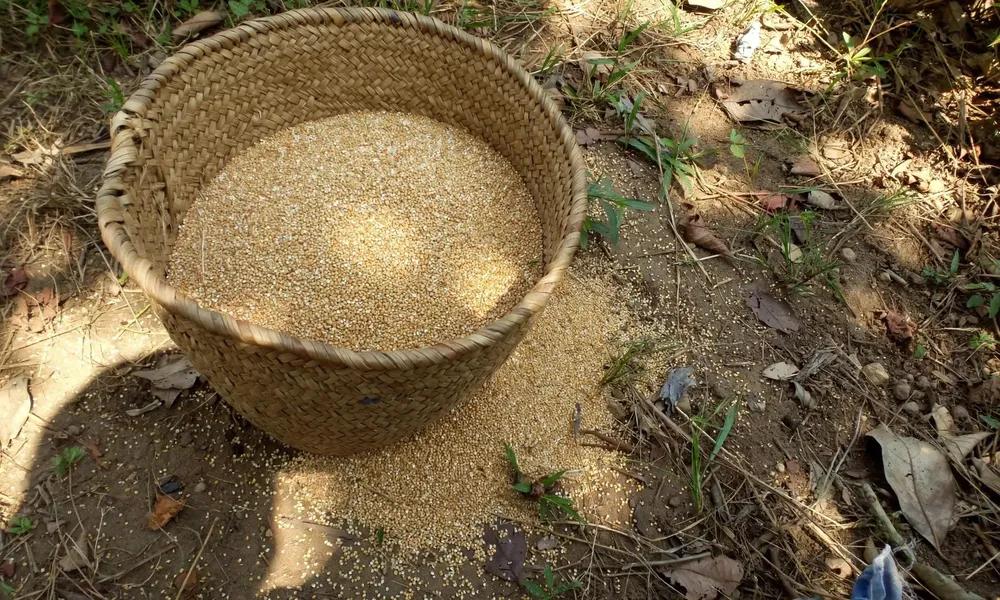
A fonio farm retreat takes you to those fields at harvest time, in the weeks after the rains, when the grain turns pale gold and the threshing floors fill with women winnowing by hand. You sleep in a farmhouse room or a mud-brick guest hut, eat fonio steamed over a pot of boiling water, and watch the grain pounded in a wooden mortar, winnowed in a flat basket, and cooked in five minutes. Some farms stand below the Fouta Djallon cliffs, others beside the Niger or the mangroves of Casamance, and the grain is only half the reason to go.
Below are nine fonio farm retreats worth considering in 2027, from the Fouta Djallon highlands of Guinea to the Atakora hills of Benin. Each stay below is weighed on what it does well, where it falls short, and the traveller it suits, so you can pick by the way you travel rather than by a pin on a map.
Key takeaways
- Fonio ripens in about sixty to seventy days, and the harvest falls roughly August to October, so confirm the cutting week before you book.
- Most fonio farms are farms before they are guesthouses, so expect plain rooms, meals shared from one bowl, and early starts.
- Fonio itself has no gluten, but the kitchen may serve it with sauces thickened with flour, so ask about the pot, not only the grain.
- The farms sit in hot, dry country, so the sun is fierce by day, the nights can be cool in the hills, and water is precious.
- No farm can fix a cutting day in advance, and a trip built around one threshing day can leave you looking at green grain that is not ready yet.
What a fonio farm retreat actually is
A fonio farm retreat is a stay on a working fonio farm, usually three to five nights, where the harvest is the reason for the trip. You sleep in a mud-brick guest hut or a farmhouse room, eat fonio steamed over the farm’s own fire, and join the work of the season, walking the fields, watching the grain threshed by hand and winnowed in flat baskets, and seeing the couscous steamed over a pot of water.
Fonio is one of the oldest farmed grains in Africa, grown in the hills of West Africa long before rice arrived, and it became the grain of steamed couscous in Guinea and Mali, of dawn porridge in Senegal, and of feast-day dishes wherever the soil was too thin for other crops.
Most of these farms sit in quiet, dry country, with small fields of pale gold grain, a mortar and pestle by the farmhouse door, and a cooking pot or market close by. The work is slower and the food is shared from one bowl.
How we picked these stays, and what to ask first
We started with where fonio actually grows well, not where it is marketed well. A real fonio farm has fields to walk through, grain to stand in at harvest, and a mortar, a steamer or a market stall that uses its own grain.
The best farms take few guests at a time, usually under a dozen, so the harvest stays honest work rather than a show put on for visitors. They also spell out what the nightly rate covers, with meals, the ride in from the nearest town and guided walks inside the price rather than added on arrival. A farm that answers questions about the harvest, the fonio and the heat plainly is usually a farm that treats its guests well. Our teff farm retreats roundup runs the same check, and it is the quickest way to tell apart two farms that look alike on paper.
The 9 best luxury fonio farm retreats of 2027
Fouta Djallon, Guinea — Fonio on the Roof of West Africa
What we like: White fonio grown in the Fouta Djallon, the highland heart of fonio country, where the grain is pounded in wooden mortars and steamed into a pale, fluffy couscous, served with leaf sauce and grilled chicken, then sweet tea as the sun drops behind the cliffs.
What to consider: The highlands are reached on rough roads and the farm is remote, so the journey in takes most of a day; check current travel advice first. Style: Fouta highland farm stay. Best for: Travellers who want fonio at the source. Price range: $60–$90 per night. Standout feature: Fonio couscous steamed over the farm’s own fire, with the cliffs of the Fouta Djallon behind the fields.
Labé, Guinea — White Fonio in the Fouta Highlands
What we like: Fonio grown around Labé, the cool market town of the Fouta Djallon, where the fields run below granite outcrops and the farm is a short drive from market. The kitchen steams fonio each morning, and the market sells white fonio by the calabash.
What to consider: The town is busy and the farm is close to it, so the nights are quieter than the deep countryside, but the fields are smaller and the views are hills. Style: Labé highland farm stay. Best for: Travellers who want an easy first fonio trip. Price range: $95–$125 per night. Standout feature: Fonio fields a short drive from Labé, with a weekly market selling grain by the calabash.
Kankan, Guinea — Fonio on the Milo River
What we like: Fonio grown on the plains around Kankan, where the grain ripens beside the Milo River and the farm sits within walking distance of the old trading town. The kitchen serves fonio with okra sauce and smoked fish, and the evenings are warm, with drumming.
What to consider: The plains are hot and the sun is strong, so bring a hat and drink water all day. Style: Kankan river farm stay. Best for: Travellers who want grain and river life together. Price range: $130–$160 per night. Standout feature: Fonio fields beside the Milo River, with Kankan’s old market a morning walk away.
Casamance, Senegal — Fonio Below the Mangroves
What we like: Fonio grown in the green south of Senegal, where the grain shares the fields with rice and the farm stands at the edge of the mangroves. The kitchen cooks fonio with fish and palm oil, and the Diola villages nearby keep sacred forests and pirogue traditions.
What to consider: The south is humid and the paths are muddy after rain, so closed shoes and a rain jacket matter most. Style: Casamance farm stay. Best for: Travellers who want grain and mangroves together. Price range: $165–$195 per night. Standout feature: Fonio suppers at the edge of the mangroves, with Diola villages a short walk away.
Tambacounda, Senegal — Fonio on the Eastern Plains
What we like: Fonio grown on the wide eastern plains of Senegal, cut below the baobabs, at the edge of Niokolo-Koba National Park. The kitchen serves fonio with peanut sauce and grilled meat, and the park holds lions, chimpanzees and elephants within a day’s drive.
What to consider: The farm sits far from the coast, so the drive in is long and the first day should be slow. Style: Tambacounda plains farm stay. Best for: Travellers who want grain and wildlife in one trip. Price range: $200–$230 per night. Standout feature: Fonio on the eastern plains, with Niokolo-Koba’s wildlife a day trip away.
Kayes, Mali — Fonio on the Senegal River
What we like: Fonio grown around Kayes, where the grain is threshed on open floors beside the Senegal River and the farmhouse faces the old railway town. The kitchen cooks fonio with leaf sauce and dried fish, and the river, with its sandbanks and pirogues, is a short walk away.
What to consider: Kayes is one of the hottest towns in West Africa, so travel in the cool months and rest at midday. Style: Kayes river farm stay. Best for: Travellers who want grain and river trade together. Price range: $235–$265 per night. Standout feature: Fonio suppers beside the Senegal River, with the old railway town to walk after supper.
Ségou, Mali — Fonio by the Niger
What we like: Fonio grown on the banks of the Niger around Ségou, where the grain is milled for couscous served in the old Bambara town, and the farm sits near mud-cloth weavers and potters. The kitchen cooks fonio with okra and tomato, and the river festival is the talk of the town.
What to consider: The town is busy and the riverfront is crowded at festival time, so this stay suits lovers of busy streets and early mornings. Style: Ségou river farm stay. Best for: Travellers who want grain and craft together. Price range: $270–$300 per night. Standout feature: Fonio couscous in the old Bambara town, with mud-cloth weavers a short walk away.
Jos Plateau, Nigeria — Fonio on the High Plateau
What we like: Black fonio grown on the cool Jos Plateau, where the grain ripens below granite hills and the farm keeps the sure-footed horses the plateau is known for. The kitchen cooks black fonio with vegetable soup and smoked meat, and the waterfalls and tin-mining lakes lie within walking distance.
What to consider: The plateau is cool and rain can arrive without warning, so pack a waterproof layer even in the dry season. Style: Jos plateau farm stay. Best for: Travellers who want black fonio and cool air. Price range: $305–$335 per night. Standout feature: Black fonio on the Jos Plateau, with waterfalls and tin lakes for morning walks.
Atakora, Benin — Fonio in the Northern Hills
What we like: Fonio grown in the Atakora hills of northern Benin, where the grain is pounded for couscous served beside the fortified mud houses of the Somba people. The kitchen cooks fonio with baobab-leaf sauce, and the Pendjari National Park, with its elephants and lions, is a day trip away.
What to consider: The north is remote and the paperwork takes longer, so arrange permits and transport well ahead. Style: Atakora hills farm stay. Best for: Travellers who want fonio beyond the big grain countries. Price range: $340–$375 per night. Standout feature: Fonio and tata somba houses in the Atakora hills, with Pendjari’s wildlife a day trip away.
Which fonio region fits your trip
If this is your first fonio trip, start in the Fouta Djallon, the cheapest stay on this list, and pair it with Labé’s markets and easy arrival.
For history, the Ségou stay is the classic choice, with mud-cloth weavers a morning walk from the fields and warm river evenings at the farmhouse.
If food is the point, look to Kankan or Casamance, where the okra sauces and mangrove fish do more with fonio than any other farm on this list. Our buckwheat farm retreats roundup makes the same point another way: pick the journey, not only the place.
The caveats that matter
Fonio farming bows to the weather in a way that surprises first-time visitors: the farms offer a best guess, never a promise, and a trip tied to a single threshing day is a wager on the rain.
| Detail | What is known |
|---|---|
| Best time to visit | August to October, when the rains have eased and the grain turns pale gold; the exact week moves with the rain |
| What the work involves | Walking the fields and watching the grain threshed by hand and winnowed in flat baskets |
| How long a stay runs | Three to five nights, with the harvest in the weeks after the rains |
| Who should take care | Travellers unused to heat, anyone with a wheat allergy who eats from shared pots, or anyone unsteady on rough ground |
| What the kitchen serves | Fonio couscous, dawn porridge, leaf sauce and peanut sauce, often with smoked fish and sweet tea |
| Gluten-free note | Fonio has no gluten, but sauces may be thickened with flour, so ask about the pot as well as the grain |
| What to pack | Closed shoes, a hat, light layers for cool highland nights, and clothes that wash easily |
| What it does not do | It does not guarantee a harvest day, a set menu, or hotel-style service on a working farm |
If you have a wheat allergy, a condition that heat makes worse, or a problem with rough ground, talk to the farm before you book. One question about the kitchen and the sauces can spare you a difficult stay, and a farm that answers it straight is usually worth the visit. The same advice closes our rye farm retreats roundup.
Checklist: booking a fonio farm stay honestly
Run through these checks before you pay, and once more the week before you travel.
- Get the farm’s cutting week in writing, with a backup plan if the grain is not ready.
- Make sure the price covers supper, the ride in from town and the walks, so nothing extra lands on the bill.
- Ask whether the fonio is pounded by hand or milled, and whether the kitchen can feed a dairy-free guest.
- See the bedroom before you pay — farmhouse rooms are plain, so check the bed, water and warmth first.
- Pack for fierce sun and dusty roads: shut shoes, a hat, a light layer for the night, and clothes that rinse clean.
- Keep a spare day for the nearest town, so a harvest that moves still leaves you with a good trip.
Frequently asked questions
Does fonio contain gluten?
Fonio has no gluten in the grain at all. The confusion comes from the sauces, which are sometimes thickened with wheat flour, especially in restaurants. A farm that cooks its sauces from fonio and vegetables serves a gluten-free meal, but ask, because the thickener is rarely labelled.
Why does fonio cost more than millet?
Fonio is harder to process than millet: the grain is tiny, the husk clings tight, and dehusking takes long pounding and winnowing by hand. A sack of clean fonio costs more than a sack of millet for the same weight, so the kitchen charges more for it. Most farms grow both grains, and the cook will usually let you taste them side by side at the same meal.
How long is the fonio harvest, and when does it start?
Fonio is sown with the first rains in May and June and cut sixty to seventy days later, usually August to October, when the grain has turned pale gold and the stalks are dry. Each farm cuts for a few weeks, and the threshing follows at once, so the best window is the first half of the harvest, while the fields are still full.
What does a first bowl of fonio taste like?
Fonio tastes mild and nutty, like a soft couscous with a faint earthy note, and it soaks up the sauce. The texture is light and slightly sandy in the best way, and it cooks in about five minutes. First-timers usually find it plain on its own, then start spooning up the sauce without thinking.
Is fonio farm food easy for a vegan?
Yes, and better than in most places. West African farm cooking leans on leaf sauces, okra, groundnuts and beans, so the kitchen will serve fonio with vegetable sauces without being asked. Tell the farm in advance and the meat-free dishes will be on the table every night.
Where in the world is fonio grown most?
Guinea grows the most fonio in the world, with the Fouta Djallon as its heartland, and Mali a distant second. Small amounts are grown in Senegal, Burkina Faso, Nigeria, Benin, Togo and Côte d’Ivoire, but the hills of Guinea remain the heart of it.
The bottom line
A fonio farm retreat is a slow, hot, generous kind of trip, suiting travellers who like pale gold grain, steamed couscous and honest cooking more than a hotel. The grain is tiny, the couscous is steamed, and the best stays feed you from their own fields.
Fix the harvest week before you fix the dates, and keep a spare day at the end. When the fonio ripens on schedule you will eat couscous from grain cut that same week, and when it does not, the cliffs, the rivers or the old towns will still carry the trip.