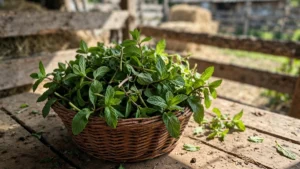
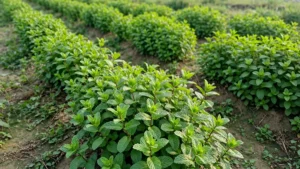
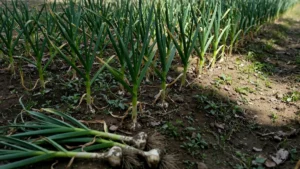
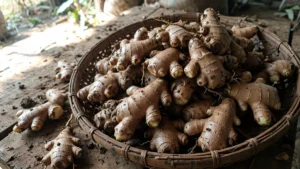
A ginger farm escape is three to five nights on a working ginger farm, timed to the digging week. You sleep in a farmhouse room, eat rhizomes cooked the farm’s own way, and spend the days among the beds, watching the leaves cut back, the rhizomes lifted with a fork and the young ginger pickled before supper. Supper comes from the beds you visited that morning.
Planning one asks for more thought than a hotel booking, because the digging date moves with the rain and the farms hold only a few guests. The best stays take only a few guests, the digging window lasts a few weeks, and a farm that answers in plain words is usually the farm worth visiting. Bring a notebook: the farms that name their digging week in the first email are the ones that know their ginger.
Below are nine steps for planning a ginger farm escape in 2027, from choosing the right kind of rhizome to packing the bag and bringing a jar home. Each step gives you the move, the trap to miss, and the traveller it fits, so the plan turns on how you travel rather than where you go. Ginger is the warmest crop a farm digs, so the plan turns on timing more than anything else.
Key takeaways
- The first question to any farm is which ginger it grows — young rhizomes are dug early and pickled, while mature rhizomes are dug late and dried.
- Book the digging week, not the spice festival — the festival can fall a month after the rhizomes are lifted.
- The harvest falls eight to ten months after planting, and the precise week moves with the rain and the warmth.
- Ginger farms are small places with few guests, so expect plain rooms, meals at one table and mud on your boots.
- No farm can promise a digging date, and rhizomes left in the bed turn woody within weeks, so settle the calendar and the kitchen before you pay.
What a ginger farm escape involves
A ginger farm escape is a short stay on a farm that grows ginger, built around the week the leaves yellow and the rhizomes are lifted. Nights pass in a farmhouse room or a converted barn, meals come from the farm kitchen, and the days belong to the fields, where beds run in straight lines, leaves stand green and tall, and rhizomes are washed while they are still fresh.
Mornings begin early, with a walk along the beds while the soil is still cool, and the digging carries on through the day, baskets filling with knotted rhizomes and barrows with leaves. Supper arrives at one shared table, ginger tea served warm beside the plate. Evenings are quiet, the tea pots cooling and the day’s rhizomes settling, and the talk at the table turns to the harvest.
The farms sit in warm, damp country, green leaves in rich soil and a kitchen garden beside the barn. The stays that work best invite you into the digging rather than leaving you to watch, and a farm that talks plainly about its rhizomes and its cooking generally looks after its guests well too. Mud finds its way into everything, and the farms that say so at the start are the ones worth trusting.
How to plan it, and what to ask first
Begin with where ginger truly grows, not where it sells best. A real ginger farm has beds to walk through, leaves to stand among at digging time, and a kitchen, a tea pot or a pickle jar working with its own ginger. A farm that buys its rhizomes in and cooks with them is no ginger farm, whatever the website claims.

Get the digging window in writing, and ask what the nightly rate takes in — supper, the drive in from the nearest town and walks among the beds ought to be part of the price, not billed on arrival. A farm that sets out the digging, the peeling and the cooking in plain words is a farm that knows its ginger.
Learn when the leaves yellow and the rhizomes are lifted. A farm that puts its digging week on its signs knows its ginger, and a farm that can only say it grows ginger is a farm to question.
The 9 steps to plan a ginger farm escape
Pick young ginger or mature ginger first
What to do: Settle which ginger you want to taste first — pale young rhizomes, mild and juicy, or hot mature rhizomes, fibrous and fierce — then choose the region that digs it best. What to avoid: Picking a farm on price and finding rhizomes that came from a shop. Best for: Travellers who put the farm’s kitchen first when they choose. Time needed: An evening spent with the farm’s menus and kitchen notes. Standout tip: A farm that pickles its own young ginger at dawn knows its rhizome.
Wait until the farm fixes its digging dates, then book
What to do: Ask for the digging window and book the weeks the beds are ready, since the rhizomes need eight to ten months in the ground before they are worth lifting. What to avoid: Arriving in planting week, when the beds are bare and the rhizomes are months away. Best for: Travellers who would rather dig rhizomes than plant them. Time needed: One short email, then waiting on the farm to settle its dates. Standout tip: A leaf that yellows at the edge is a rhizome near ready, and the farm knows the week the leaves turn.
See a rhizome lifted out of the ground
What to do: Find out whether the farm lifts with a fork, by hand or with a spade, and ask to try it yourself in the bed. What to avoid: A farm that pulls its rhizomes out by the leaves and breaks them. Best for: Travellers who want the entire harvest, not just a taste of it. Time needed: A short message, with a reply usually back before the day ends. Standout tip: A rhizome lifted whole with a fork keeps longer, and the farm will show you the difference in a handful.
Have the farm’s ginger tea on the first night
What to do: Sit down to the farm’s ginger tea the evening you arrive, before you have seen a field, so the warmth sets the trip. What to avoid: Saving the first taste for the last night, once the pots have gone cold. Best for: Travellers who want the ginger to carry meaning. Time needed: Your first evening meal at the farm table, on the evening you arrive. Standout tip: Ginger tea drunk after a day among the beds tastes different from tea drunk on arrival, and the farm knows it.
Tell a rhizome from a root before you dig
What to do: Ask the farm to show you a rhizome beside a root, so you can see the stem that grows sideways and the shoots that rise from it. What to avoid: Calling every knotted piece under the soil a root. Best for: Travellers who want to know their ginger before they dig it. Time needed: Thirty minutes at the edge of the beds. Standout tip: A farm that can show the rhizome’s eyes knows its ginger, and the cook can point them out in a handful.
See the beds at dawn before the leaves are cut
What to do: Follow the beds at first light, while the soil is cool and the leaves are still green, and ask the farm which beds fill first. What to avoid: A late start that shows you the beds only after the leaves are cut. Best for: Travellers who like the beds cool and the rhizomes newly lifted. Time needed: An hour before breakfast. Standout tip: A rhizome dug cool in the morning keeps its juice longer, and the farm knows it.
Wear sturdy boots and a rain layer
What to do: Bring sturdy closed boots, a rain layer and clothes you can wash by hand, since the beds are soft, the rain falls sudden, and the kitchen runs hot. What to avoid: Light clothes that end up stained at every hem by midday. Best for: Travellers who want the beds themselves, mud part of the bargain. Time needed: An evening set aside to pack the suitcase. Standout tip: Mud gets everywhere, and a farm that invites you into the beds has nothing to hide.
Watch the ginger change hands at the market
What to do: Go with the farm to the nearest spice market on market morning, and watch the rhizomes weighed, haggled over and loaded. What to avoid: Seeing the market as a photo stop and missing the ginger trade. Best for: Travellers who want the ginger world outside its bed. Time needed: Part of a morning at the market beside the farm. Standout tip: At the market you see which ginger the region grows and which it only sells, and the farm will point out the difference.
Take home the farm’s own pickled ginger
What to do: Buy a jar of pickled ginger from the farm shop before you leave, sealed and packed, so the trip comes home with you. What to avoid: Fresh rhizomes in the suitcase, which dry out and spoil before you reach home. Best for: Travellers who want a piece of the harvest for the journey home. Time needed: An hour at the farm shop. Standout tip: A sealed jar of pickled ginger travels better than any fresh rhizome, and the farm’s ginger turns a cupboard at home into a small piece of the trip.
Picking the right season and region
For the deepest ginger story, begin with Idukki or Laiwu, where the rhizomes have grown longest and the cooking runs to curries and candied ginger. Both ease a first-timer in, with short walks and long table meals, and Idukki adds the liveliest hill markets. Both sit close to towns with markets of their own, so a rest day still tastes of ginger.
For scenery with the ginger, Sigatoka and Chanchamayo set the beds beside a river and in Andean foothills, Hilo on a wet volcanic slope, and Gympie in a wide Queensland valley. Sigatoka is the dearest of the nine, while Idukki is the simplest to reach. Southern farms dig while northern ones rest, so a two-region trip ought to start in the north and finish in the south.
For the crop that grows beside the ginger, our guide to planning a tomato farm escape covers a summer crop altogether, with sun-ripened fruit and sauce pots instead of warm rhizomes and tea, and the guide to planning a pumpkin farm escape offers a root for the cold months, with roasts and mash instead of grated ginger and pickles.
The caveats that matter
The harvest answers to the weather — a farm offers its best guess and never a promise, and a trip tied to one digging day gambles on rain. The warning that matters most is the rhizome itself, easy to miss when the stay is sold as gentle country.
| Detail | What is known |
|---|---|
| Best time to visit | Eight to ten months after planting, when the leaves yellow and the rhizomes are ready to lift, with the season shifting by region |
| What the work involves | Walking the beds, watching the leaves cut back and the rhizomes lifted with a fork, and seeing the ginger washed, peeled and cooked in the farm kitchen |
| How long a stay runs | Three to five nights, set around the digging weeks |
| Who should take care | Guests with a strong sensitivity to ginger, and anyone unused to fierce sun, heavy rain or steep muddy paths |
| What the kitchen serves | Ginger tea, pickled young ginger, rhizome curries and ginger beer, with fresh bread and farm butter beside the plate |
| Gluten note | Ginger is naturally free of gluten, but the bread and pastry served beside it are usually wheat, so ask the kitchen what it can safely serve |
| What to pack | Sturdy boots, a rain layer for sudden showers, a wide sun hat, and clothes you can rinse out by hand |
| What it does not do | No promised digging day, no set menu, and no hotel-style service on a working farm |
Anyone with a strong sensitivity to ginger or a strict gluten-free diet should talk to the farm before booking. One question about the kitchen and the ginger can save a difficult stay, and an honest answer is usually a good sign. The same warning runs through our guide to planning a asparagus farm escape, where the bread on those tables is baked from grain too.
Checklist: before you book a ginger farm escape
Go over these checks before you pay, and run through them once more in the week before you travel.
- Ask for the digging window in writing, and find out what happens if the rhizomes are still small when you arrive.
- Check that supper, the drive in from the nearest town and the walks among the beds all sit inside the nightly rate.
- Find out whether the digging and cooking happen on the farm, and whether the kitchen can serve a meal without ginger.
- Before you pay, look at the room itself — farm rooms are plain, so run the taps, press the mattress and switch the heater on.
- Pack for rain and earth: sturdy boots, a rain layer, a hat for bright mornings, and clothes you can rinse in a basin.
- Leave a day unplanned for the nearest town, so a digging week that moves still leaves a good trip.
Frequently asked questions
Is a ginger farm a good trip if you eat gluten-free?
In part. The fields, the digging and the harvest are worth the journey alone, and ginger itself carries no gluten, but the bread and pastry beside it are usually wheat. Ask what the farm can make without wheat for a gluten-free guest, and settle on the digging week before any week the kitchen bakes bread.
How far ahead should I book a ginger farm stay?
Book no less than three months ahead, and a year ahead for the southern farms, since the farms take only a handful of guests and the digging week is brief. The best farms fill their digging weeks first, so a late booking usually lands the week after the rhizomes are lifted. A farm whose digging weeks fill early tells you so in its first email, and a slow reply usually means there is still space.
What goes in the bag for ginger country?
Sturdy walking boots, a rain layer, something warm for cold nights, and clothes that rinse easily in a basin. The fields are soft, the beds run straight and the kitchen runs hot, so pack for soft ground and sudden rain, not for a hotel stay.
Do ginger farms welcome children?
Yes, on most farms, provided they can walk the fields and steer clear of the soup pots. The digging is light work to watch, the fields are open, and children usually love the beds and the farm animals, but the rows are soft and the barrows are heavy, so keep them close.
What is worth bringing home from a ginger farm?
Most farms sell pickled ginger in jars and dried ginger from their own harvest, and some sell ginger tea blends as well. Buy pickled ginger rather than fresh rhizomes — the fresh ones dry out and spoil in days — and carry the jars in a sealed bag.
How much does a week on a ginger farm run to?
Count on roughly $450 at the cheapest end and $2,600 at the dearest for a week for two, depending on the region and the room you pick. Idukki is the cheapest stay on this list, Sigatoka the dearest, and flights are usually the largest part of the trip, so book the digging window before the flights.
The bottom line
A ginger farm escape fits travellers who would rather have warm rhizomes, tea pots and ginger cooked the farm’s own way than a hotel. The young ginger is fresh, the mature ginger grates into curries and teas, and the best stays feed you from ground they worked themselves.
Settle the digging week before the travel dates, and hold a day in reserve at the end. When the ginger lifts on time you will eat rhizomes dug that morning, and when it does not, the hills, the valleys and the old towns will carry the trip anyway.