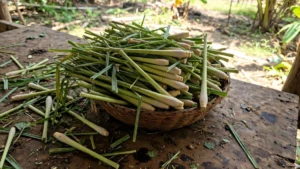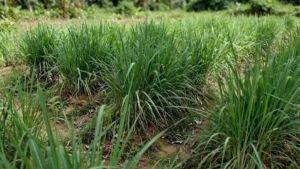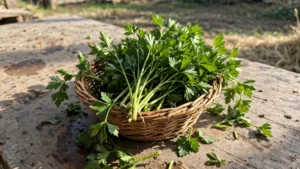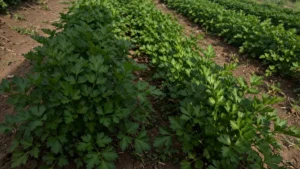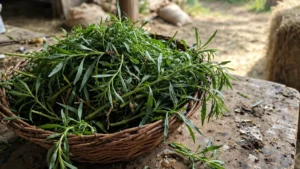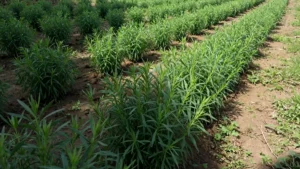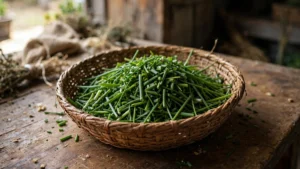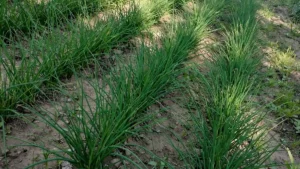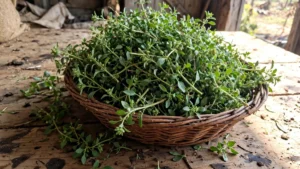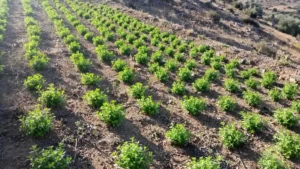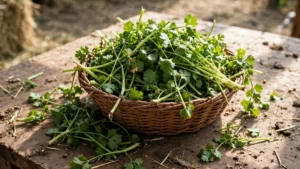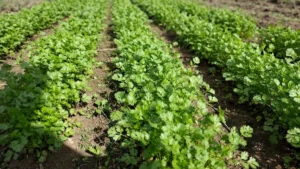
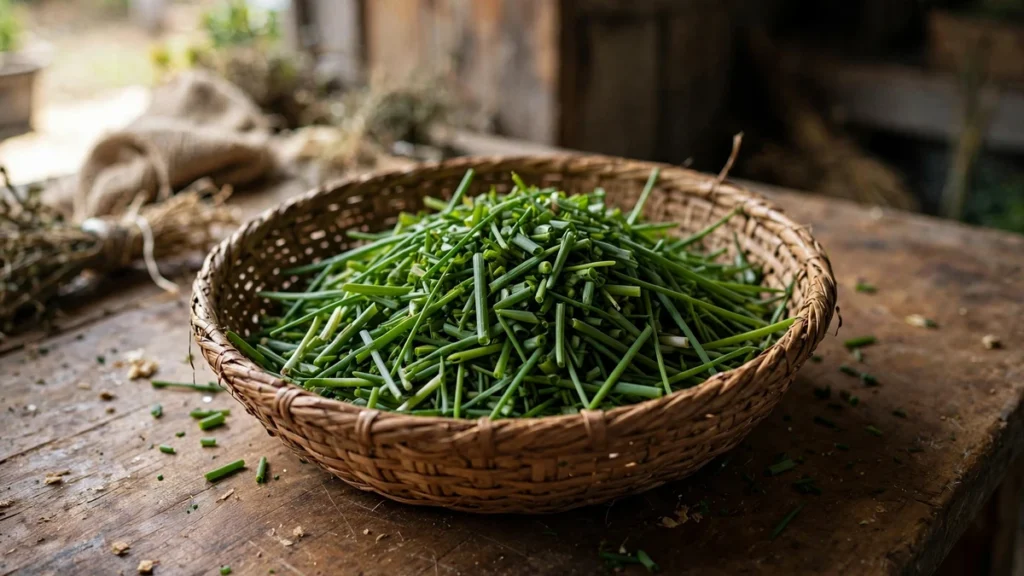
A chives farm escape is a short stay on a working herb farm at the start of the season, when the first green leaves are cut and the purple flowers are still weeks away. You sleep on the farm, eat from the farm kitchen, and spend your mornings in the beds with a pair of scissors, learning how a herb most people only meet as a garnish is actually grown, cut, and cooked. It is a gentle trip, and it suits travellers who like their food to come from the ground they are standing on.
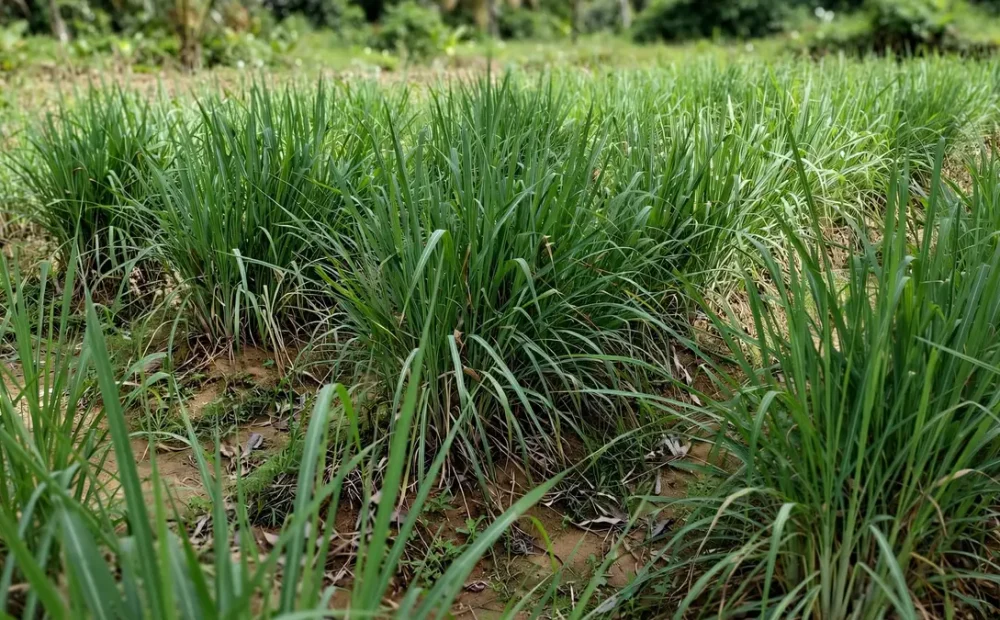
Chives are a perennial, which means the farm has tended the same clumps for years, and the kitchen knows them by heart. The first cut of the year is the mildest, the flowers that follow are left for the bees, and the leaves regrow after each cut if you snip them the right way. A good escape shows you all three stages in a few days, and sends you home knowing the difference between common chives and garlic chives, which look alike in a photograph and taste nothing alike on the plate.
Below are nine steps that take you from the first question to the last packing decision, so you can plan a chives farm escape in 2027 without missing the first cut, booking the wrong week, or arriving without the one tool the work actually needs.
Key takeaways
- Chives are cut with scissors, not a knife, and the first cut of the year is the mildest, so the farm’s first-cut week matters more than the month you travel.
- Common chives and garlic chives are different plants, and a farm that grows both is the best place to learn the difference.
- Snip above the crown and the clump regrows, so one bed can give three or four cuttings in a season.
- Book the room on the farm itself, because the cutting starts at dawn and the kitchen serves the leaves at lunch the same day.
- Chives are naturally gluten-free, but farm kitchens bake bread every morning, so tell the farm before you book.
What a chives farm escape involves
A chives farm escape is a stay of three to five nights on a working herb farm during the chives season, with a room on the farm and meals from the farm kitchen. The days are built around the cutting: out with the snippers in the cool of the morning, back to the kitchen to see the leaves washed and snipped, and an evening meal where chives appear in the eggs, the potatoes, and the soft cheese. Nothing is put on for visitors. The farm is cutting chives for market, and you happen to be there while it does.
The best escapes keep the group small, often no more than eight guests, because a cutting crew cannot work around a crowd. You sleep in a farmhouse bedroom or a converted barn, share a long table with the family at meals, and rest through the middle of the day, when the sun is high and the cut leaves fade fastest. The pace is unhurried rather than hectic, and the farm decides it.
How to plan it, and what to ask first
Begin with the farm, not the flight. Write to two or three farms and ask which week they take their first cut, whether they grow garlic chives as well as common chives, and whether the room sits on the farm itself. A farm that answers all three questions clearly is a farm that knows its crop and its guests. A farm that cannot answer the first question is still waiting on the weather, which is honest, but it means your dates are not yet fixed either.
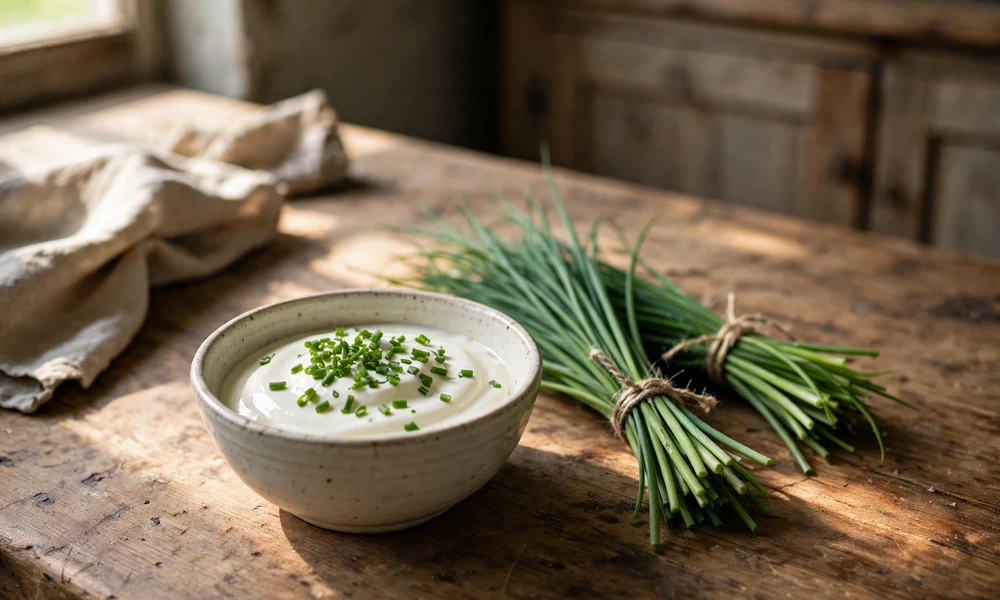
Before you book, ask three questions. First, which week the farm takes its first cut, and when the purple flowers open, since the two seldom fall together. Second, whether garlic chives grow beside the common ones, since tasting both at one table teaches the difference fastest. Third, how the kitchen deals with flour and bread if you eat gluten-free, since a kitchen that bakes each morning must have a straight answer. Our guide to the ginger farm escape starts from the same three questions, and they rescue more trips than any packing list.
The 9 steps to plan a chives farm escape
Pick the harvest you want before you pick the farm
What to do: Decide whether you want the mild green leaves, snipped before flowering, or the purple pom-pom flowers, which open weeks later, then choose the region that harvests it best. What to avoid: Picking a farm on price and arriving in the gap between the two. Best for: Travellers who pick by the kitchen, not the price tag. Time needed: An evening reading the farm’s cutting notes and menus. Standout tip: A farm that leaves rows standing for the bees knows its chives better than one that cuts everything flat.
Ask the farm for its first-cut week before you pay
What to do: Wait for the farm to fix its first-cut dates, usually a month ahead, and only then book trains, flights, and ferries around them. What to avoid: Grabbing a cheap flight first and learning the farm cuts a fortnight later. Best for: Travellers who would rather shift a flight than miss the first cut. Time needed: A week of notes back and forth while the dates settle. Standout tip: Ask the farm to hold the room until the first-cut week is fixed, and most will.
Take the bed above the kitchen, not a room in town
What to do: Confirm the bed is in the farmhouse or a converted barn on the farm, so you are in the beds at dawn and at the table by lunch. What to avoid: A room in a town an hour away, which turns every morning into a drive. Best for: Travellers who want the farm’s rhythm, not a hotel’s. Time needed: One message to the farm, asking where the room actually is. Standout tip: If the farm offers a room above the kitchen, take it, because the smell of baking wakes you better than any alarm.
Pack scissors, and leave the kitchen knife behind
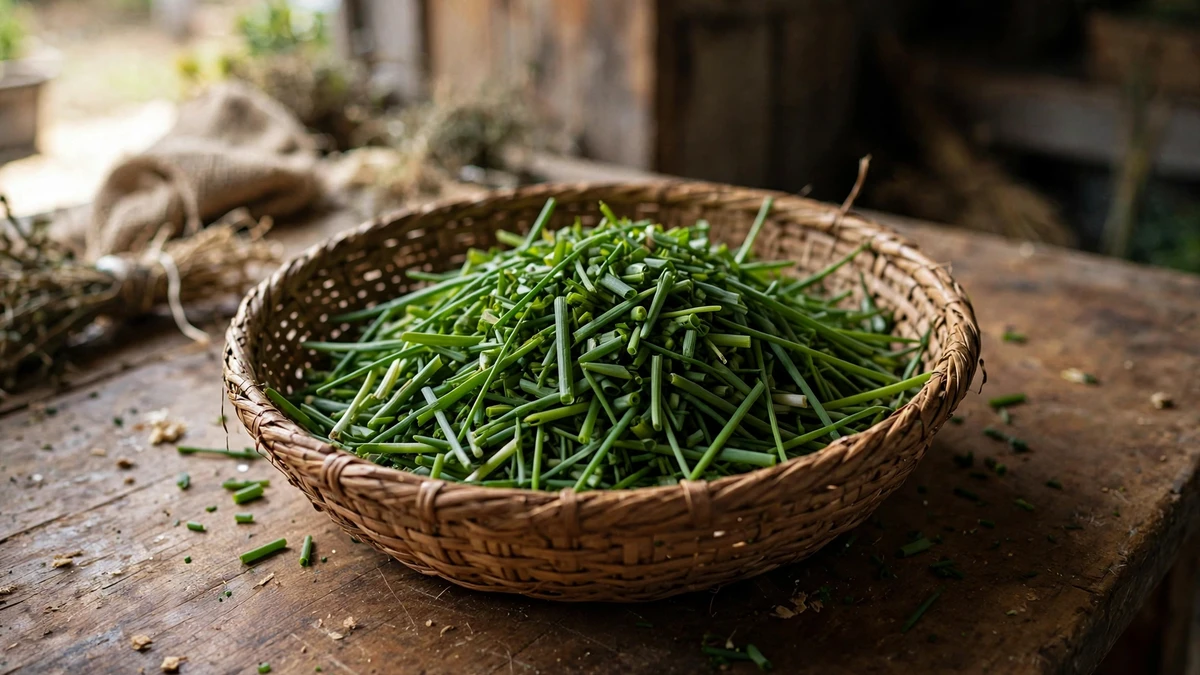
What to do: Bring a small pair of sharp kitchen scissors, because chives are snipped, not chopped, and a knife crushes the hollow leaves and dulls their scent. What to avoid: Chopping the leaves on a board with a heavy knife, which bruises them and turns them dark. Best for: Travellers who would rather snip than watch from the fence. Time needed: Five minutes to pack the scissors in your bag. Standout tip: Snip the leaves straight over the dish, and the scent stays in the food instead of on the board.
Cut high on the stem so the clump shoots again
What to do: Learn the farm’s cut before you go out: snip the leaves a few centimetres above the crown, and the clump throws up new shoots within a fortnight. What to avoid: Cutting to the ground, or pulling a clump out by the roots, which ends its season in one stroke. Best for: Travellers who like to learn by doing in the beds. Time needed: Ten minutes beside the farmer on your first morning. Standout tip: A clump snipped high gives three or four cuttings, and one cut low gives only one.
Taste common and garlic chives at the same table
What to do: Ask the kitchen to serve both kinds at one meal, so you can taste the mild onion of common chives against the garlic warmth of garlic chives. What to avoid: Assuming the flat leaves are the same herb, because they cook very differently. Best for: Travellers who want to learn the herb, not just eat it. Time needed: One supper, with the farmer at the table to explain the difference. Standout tip: Garlic chives suit stir-fries and dumplings, while common chives suit eggs, potatoes, and soft cheese.
Give the bees their morning in the flower rows
What to do: Spend a late morning in the rows the farm leaves standing, where the purple pom-poms are open and the bees are thick on them. What to avoid: Cutting the flower rows, because the farm keeps them for the bees and the seed. Best for: Travellers who like the quiet middle of the day. Time needed: An hour in the flower rows, with a hat against the sun. Standout tip: The flowers are edible too, and the kitchen scatters them over salads and soft cheese.
Keep the cuttings cool on the way back to the kitchen
What to do: Pack a small cool bag and a damp cloth, because fresh chives wilt fast in the sun and a cool bag keeps them bright until lunch. What to avoid: Leaving cut leaves in a hot car, which turns them limp and dark within the hour. Best for: Travellers who want to cook with their own cuttings. Time needed: A minute to pack the bag before you go out. Standout tip: Stand the bunches upright in a jar of water, and they will keep for two days in a cool room.
Dry a bunch for winter, and eat the fresh leaves at the table
What to do: Ask the farm to show you how it dries chives for winter, then buy a packet of the dried leaves and eat the fresh ones while you are there. What to avoid: Trying to carry fresh bunches home on a long journey, because they wilt before you land. Best for: Travellers who want the trip to last past the journey home. Time needed: Half an hour in the drying shed on your last afternoon. Standout tip: Dried chives keep their colour if they dry in the shade, and lose it if they dry in the sun.
Picking the right season and region
For the mildest leaves, travel in late spring or early summer, when the first cut is taken before the plants flower. Northumberland and Cumbria are the kindest first choices, with generous first-cut weeks and kitchens that cook with chives every day. For the purple flowers, travel a few weeks later, when the pom-poms open and the bees arrive, and Gwynedd and the Aosta Valley are the farms to choose, because their flower rows are a sight in themselves.
If you want the trip to feel like a holiday as well as a farm visit, Connemara and Telemark are the coastal choices, with the sea and the fjords close by and the days built around the water as well as the fields. If you want the most chives for your money, Friuli and Trentino are the farms to choose, where the herb is a staple crop and the kitchen feeds you like family. The farm shop sells the dried leaves it made, and the kitchen sends you home with a jar of chive butter if you ask. Our guide to the tomato farm escape works from the same season-first idea, and it holds here too: choose the harvest, and the region follows.
The caveats that matter
The harvest answers to the weather, and chives answer faster than most herbs. A cold spring pushes the first cut back by a fortnight, and a hot spell makes the plants flower early, which turns the leaves coarse and strong within days, so a farm can lose its leaf week while you are still packing. Wet weather at flowering time can spoil the pom-poms where they stand, and a late frost can nip the first shoots before they are worth cutting.
| Detail | What is known |
|---|---|
| First cut of the year | The mildest leaves, snipped in late spring before the flowers open |
| Garlic chives | Flat leaves with a garlic scent, a different plant from common chives |
| Purple flowers | Edible pom-poms that open weeks after the first cut, loved by bees |
| How to snip | With scissors, above the crown, so the clump grows back for another cut |
| Who should check first | Anyone who eats gluten-free, because farm kitchens bake bread daily |
| What to avoid | Booking a fixed week without a way to shift it if the season moves |
| How they travel | Fresh leaves wilt fast, so bring home dried chives and seed instead |
| What they do not do | They do not keep their scent once chopped badly, so snip them, do not crush them |
Chives are also easy to confuse with wild garlic, which grows in the same damp woods and has a similar scent. Wild garlic carries broad flat leaves and white flowers, while chives carry hollow tubes and purple pom-poms, and the two cook very differently. A farm that grows both will point out the difference in the field, and it is worth knowing, because the two herbs are not interchangeable. Our guide to the dill farm escape carries the same warning about lookalike herbs, and the lesson is the same: trust the farmer’s eye, not the photograph.
Checklist: before you book a chives farm escape
Work through these checks before you pay, and again the week before you travel.
- Check the dates: ask the farm which week it takes its first cut, and when the flowers open.
- Check the two kinds: ask whether garlic chives grow beside the common ones.
- Check the kitchen: ask how bread and pasta are kept away from gluten-free plates.
- Check the bed: make sure the room is on the farm, not in a town an hour’s drive away.
- Check the move: make sure you can shift the week without losing the deposit if the season shifts.
- Check the packing: bring scissors and a cool bag, and leave room for dried chives to carry home.
Frequently asked questions
Is a chives farm a good trip if you eat gluten-free?
Yes, if you tell the farm when you book. Chives themselves carry no gluten, and the fish, potatoes, and eggs are usually safe. The risk is the bread and pasta baked each morning, so ask how the farm keeps them away from your plate.
How far ahead should I book a chives farm stay?
Book the room two to three months ahead, but wait for the farm to fix its first-cut week, usually a month ahead, before you book trains and flights. The farm will hold the room while the dates settle, and most will let you shift the week without losing the deposit if the season moves.
What goes in the bag for chives country?
Scissors, a cool bag, a damp cloth, a waterproof jacket, and warm layers for the mornings. The cutting starts at dawn when the air is cold, and the sun is high by lunch, so dress for both. Leave the kitchen knife at home, because chives are snipped, not chopped.
Do chives farms welcome children?
Yes, most of them do, and children are good at the snipping, because the work is gentle and the scissors are small. Ask the farm first, because some beds are on steep ground, and the crew sets the pace. Children should cut only the clumps the farmer points to.
What is worth bringing home from a chives farm?
Dried chives, chive butter, and seed packets. The dried leaves keep their colour if they dry in the shade, and the seed grows into a clump that comes back every spring. Fresh bunches wilt on a long journey, so eat them at the farm and bring home the dried ones.
How much does a week on a chives farm run to?
A three-night stay runs from about $65 a night in Northumberland to about $380 a night in the Aosta Valley, with meals included. Travel is the extra cost, and the farms furthest from the railway are the ones to budget a lift for, so ask the farm about the transfer before you book.
The bottom line
A chives farm escape suits travellers who enjoy food from the bed beside them, and who are content to let the farm run the day. The herb is small, the season is early, and the best escapes snip it, cook it, and dry it without any fuss.
Choose the region by leaves or flowers, ask the farm for its first-cut week before booking anything else, and leave the fresh bunches behind. The dried chives you carry home will outlast any photograph.