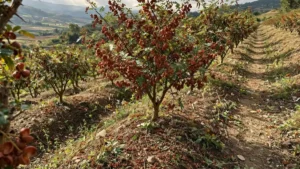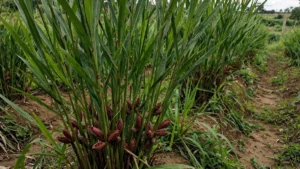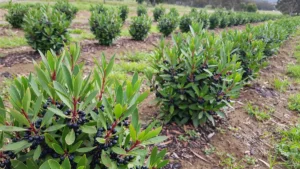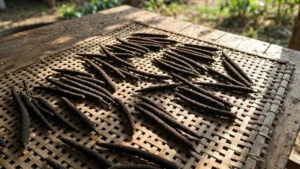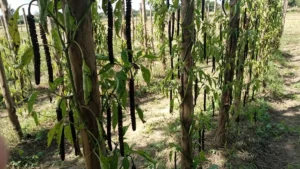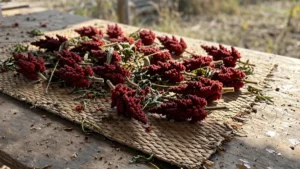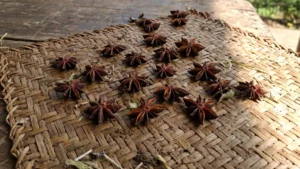
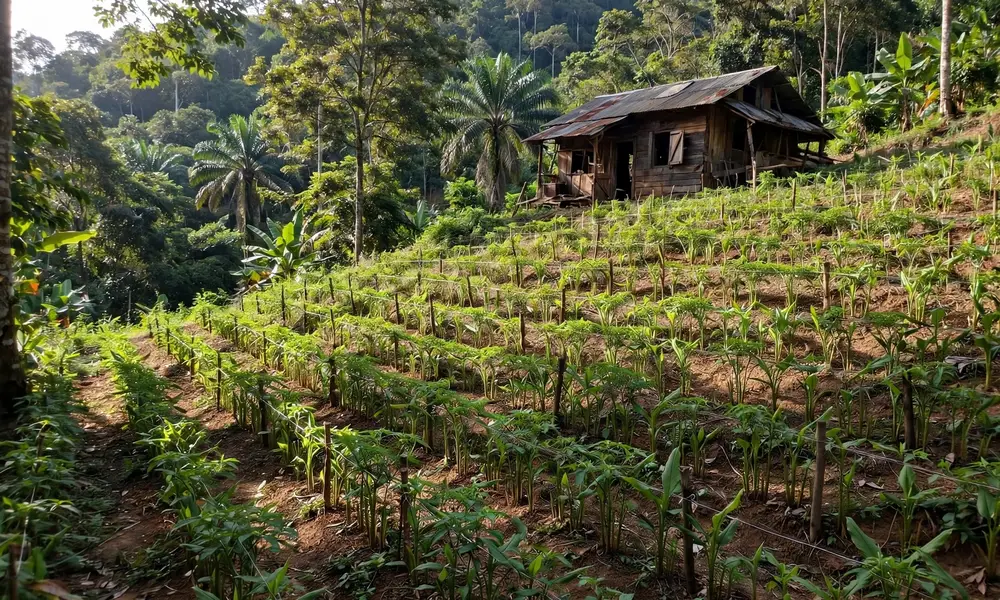
Grains of paradise grow in the shade of West Africa’s forest belt, in damp rows under tall trees. The farms that welcome guests keep the canopy standing while making room for a bed and a table. This is not a resort with a spice garden attached. It is a working farm where the harvest decides the day, and the luxury is the slowness: coffee at dawn, a walk with the farmer, and a kitchen cooking with the week’s seeds.
The nine stays below span the real grains of paradise belt, from Ghana’s forests to Guinea’s highlands, the hills of Sierra Leone and Liberia, and the cocoa country of Côte d’Ivoire. Every one grows the spice for sale, not for show, and lets guests see the work. A night costs $65–$95 at the simplest farmhouse and $345–$380 at the most polished lodge, the room doing most of the work in the price.
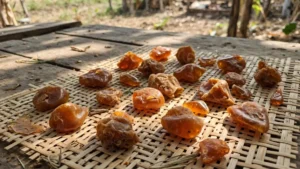
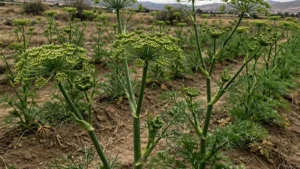
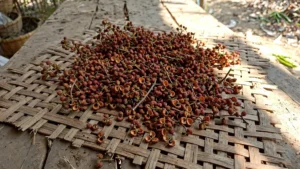
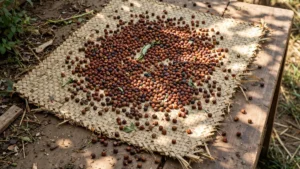
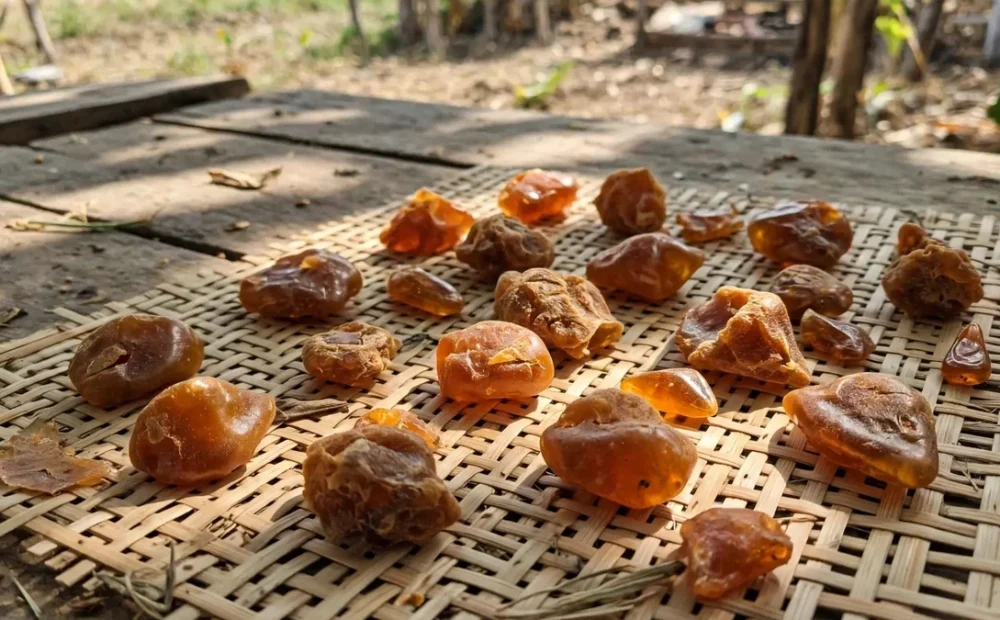
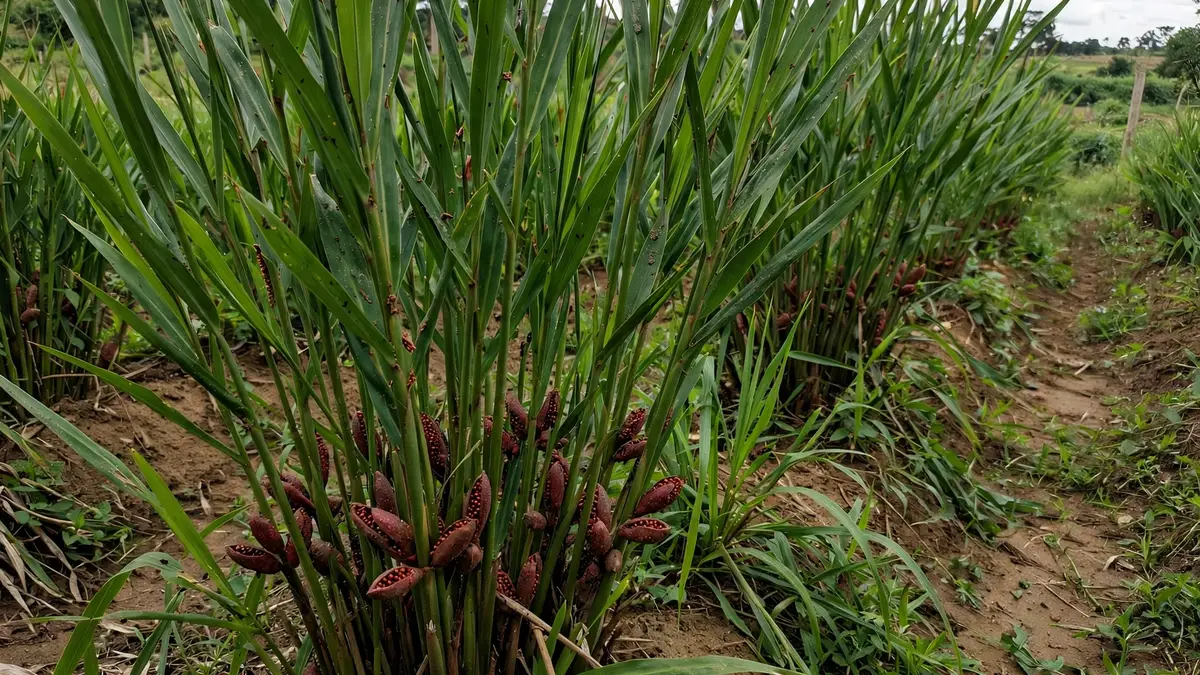
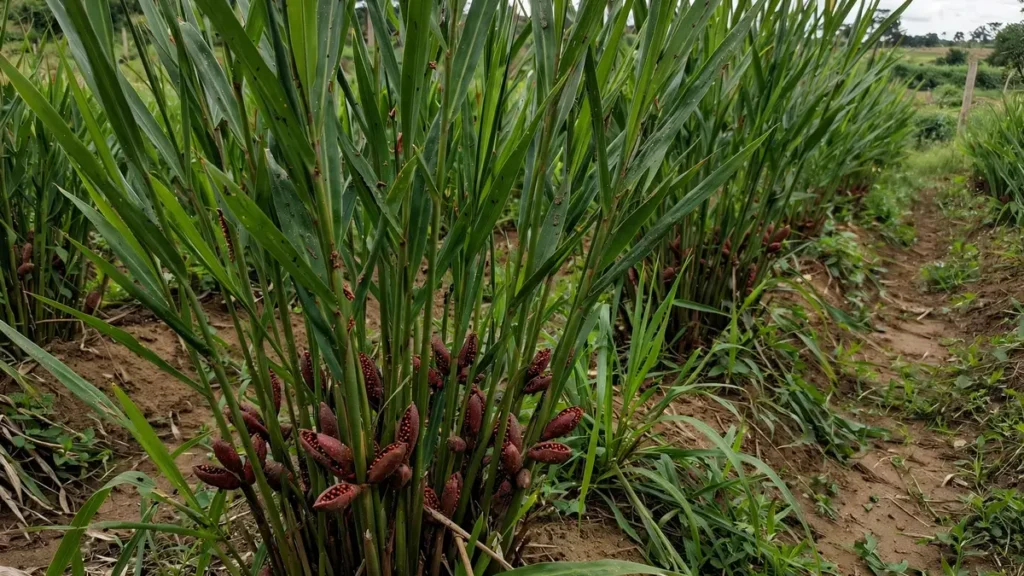
Grains of paradise are the seeds of Aframomum melegueta, a plant in the ginger family. The seeds sit inside red pods that darken as they dry, and they taste warm and peppery, with citrus and cardamom notes underneath. Medieval Europe prized them as a luxury spice, and they still travel far, from forest farms to kitchens in London and New York.
Key takeaways
- Grains of paradise farms are shade farms, so stays are cool, green, and quiet.
- The seeds sit inside red pods, warm and peppery, with citrus and cardamom notes.
- Pods ripen in the dry season and dry in the sun. The picking window is brief, and the best weeks fill first.
- Nights run $65–$95 at the simplest farmhouse to $345–$380 at the polished lodge.
- Grains of paradise are gluten-free, but farm kitchens serve bread and wheat sides, so ask about the kitchen, not just the spice.
What a grains of paradise farm retreat actually is
A grains of paradise farm retreat is a working spice farm that keeps a few guest rooms. The farm earns its living from seeds, and the guests are a second crop. The day begins before sunrise, while the air is still cool. The picking crews move through the rows with baskets, and the drying mats run through the day. Visitors may lend a hand, but the farm keeps working either way.
Sleeping quarters tend toward plain comfort: a farmhouse bedroom, a cottage beside the rows, or a lodge room above the canopy. What makes the stay feel luxurious is the setting and the cooking, meals made from the farm’s own spice at a table often shared with the family running the place. The better stays cap their guest list at about a dozen, so the place keeps its farm feel.
Grains of paradise were once worth their weight in silver in European markets, and the trade named the coast the Grain Coast. Every pod is picked by hand when it ripens and dried with care, so the seeds keep their warmth and scent. One hectare takes a crowd of hands for a few brief weeks, which makes the picking season the finest time to come.
How we picked these stays, and what to ask first
Every stay here grows grains of paradise as a real crop, with rows to walk and a harvest to watch. We left out farms that buy dried seeds and call the plot a garden, and lodges near spice country that grow nothing. A farm should be able to say when its pods ripen, how it dries them, and what the kitchen does with the seeds that week.
Ask three things before you pay: which weeks the farm picks, whether the kitchen can cook without wheat, and how far the farm sits from the nearest town. The answers tell you more than any photograph. A farm picking while you are there gives you the drying shed, the tasting, and the farm-gate bag of seeds; one that picked a month earlier gives you a walk and a story. If you are planning a wider spice trip, the best luxury cardamom farm retreats show how a shade-grown spice farm runs in Asia, and the contrast is worth seeing.
All prices that follow cover two people per night, breakfast and a farm walk included, unless a listing says otherwise.
The 9 best luxury grains of paradise farm retreats of 2027
Ashanti Region, Ghana — Grains of Paradise in the Forest Belt
Ashanti grows grains of paradise under cocoa and plantain, the three crops sharing the same shade trees. Guest rooms sit in a restored farmhouse, and mornings start with strong coffee and a citrus-scented walk.
What We Like: The mixed planting is the best walk here, three crops sharing the same shade.
What to Consider: The paths turn slick after rain, and the farm is two hours from Kumasi.
Best For: Cocoa and grains of paradise in one stay.
Style: Farmhouse with a wide shaded veranda.
Price Range: $65–$95 nightly for two, with breakfast and the morning walk.
Standout Feature: A tasting from fresh pod to ground seed.
Volta Region, Ghana — Grains of Paradise on the Green Hills
Volta sits in Ghana’s eastern hills, where the air stays cool and grains of paradise rows climb the slopes under tall shade trees. The farm is a small family holding, its cottage over cocoa and forest.
What We Like: Crisp mornings, and a walk crossing cocoa, forest, and spice rows within the hour.
What to Consider: The climb is slow and twisting, and three rooms means the farm fills early.
Best For: Cool mornings on a small, hushed farm.
Style: Stone cottage with a hillside veranda.
Price Range: $95–$130 nightly for two, breakfast and the farm walk thrown in.
Standout Feature: A dawn walk ending with breakfast beside the drying mats.
Brong-Ahafo Region, Ghana — Grains of Paradise Among the Yam Fields
Brong-Ahafo lies in Ghana’s middle belt, where the farm grows grains of paradise on slopes running down toward yam and maize fields. Guest rooms sit in a lodge at the rows’ edge, the drying mats close by.
What We Like: The farmland adds a second landscape, and market mornings in town.
What to Consider: Day trippers crowd the farm more than the others here; book a room off the main path.
Best For: Farm life and spice in the same trip.
Style: Lodge with rooms facing the rows.
Price Range: $120–$155 nightly for two, breakfast and the morning walk included.
Standout Feature: A market visit with the farmer on the first morning.
Nzérékoré, Guinea — Grains of Paradise in the Forest Region
Nzérékoré sits in Guinea’s forested south-east, where grains of paradise grow wild as well as farmed under a tall canopy. Guest rooms sit in a timber house at the forest edge, picking from planted rows and wild stands alike.
What We Like: The forest setting is the deepest here, wild plants growing beside the farmed rows.
What to Consider: The journey in is long, and there is no signal in the rows.
Best For: Forest walking and wild spice stands.
Style: Timber house at the forest edge.
Price Range: $150–$185 nightly for two, with breakfast and the farm walk.
Standout Feature: A guided walk to the wild stands at dawn.
Fouta Djallon, Guinea — Grains of Paradise on the High Plateau
Fouta Djallon rises high in central Guinea, where the air is cool and grains of paradise rows run along terraced slopes. The farm is a family holding on the plateau edge, its rooms over valleys and falls.
What We Like: The plateau views are the finest here, and the cool air suits long walks.
What to Consider: The roads are rough, and the farm is a full day from Conakry.
Best For: High air, waterfalls, and slow days.
Style: Plateau lodge with a terrace over the valley.
Price Range: $180–$215 nightly for two, breakfast and the farm walk included.
Standout Feature: A waterfall picnic with the farm’s own spice bread.
Kindia, Guinea — Grains of Paradise Below the Mango Trees
Kindia lies in the hills east of Conakry, where the farm grows grains of paradise under mango and citrus trees. Guest rooms sit in a whitewashed house among the rows, the kitchen grinding the farm’s seeds fresh each morning. It is one of the easiest farms here to reach.
What We Like: The kitchen is the heart of the stay, every meal built on the farm’s seeds.
What to Consider: The farm is close to town, so the nights are less quiet than the deeper forest stays.
Best For: Food lovers and a first West African spice trip.
Style: Whitewashed house among mango trees.
Price Range: $210–$245 nightly for two, with breakfast and the morning walk.
Standout Feature: A cooking lesson grinding seeds by hand.
Eastern Province, Sierra Leone — Grains of Paradise in the Diamond Hills
Eastern Province sits in Sierra Leone’s hill country, where the farm grows grains of paradise on slopes above the Sewa River. Guest rooms sit in a riverside lodge, the rows running to the water, the crop drying on the lodge roof.
What We Like: The river adds a second landscape, with dawn canoe trips in the mist.
What to Consider: The rains linger longer here, so check the drying season before you book.
Best For: Rivers, hills, and a quieter Sierra Leone.
Style: Riverside lodge with rooms over the water.
Price Range: $240–$275 nightly for two, breakfast and the farm walk thrown in.
Standout Feature: A dawn canoe trip ending with breakfast on the bank.
Lofa County, Liberia — Grains of Paradise at the Forest Frontier
Lofa County lies in Liberia’s far north, where the farm grows grains of paradise at the edge of the Upper Guinea forest. Guest rooms sit in a raised timber lodge, the farm’s rows running into uncut forest. The crop is small, the setting among the wildest here.
What We Like: The forest frontier feels untouched, with hornbills over the rows at dawn.
What to Consider: The journey is the longest here, and the lodge runs on solar power.
Best For: Deep forest and travellers who like a long road.
Style: Raised timber lodge at the forest edge.
Price Range: $275–$310 nightly for two, with breakfast and the morning walk.
Standout Feature: A forest walk with the farm’s oldest picker.
Man, Côte d’Ivoire — Grains of Paradise in the Cocoa Country
Man sits in the mountainous west of Côte d’Ivoire, where the farm grows grains of paradise under cocoa trees on steep green slopes. Guest rooms sit in a polished lodge with a pool, the farm running the most complete spice programme here, from picking to grinding to a tasting menu. The best luxury black pepper farm retreats share the same peppery warmth, but Man’s spice is its own.
What We Like: The most polished stay here, a tasting menu built entirely around the farm’s seeds.
What to Consider: The price is the highest here, and the lodge draws more guests than the smaller farms.
Best For: A polished finish to a spice journey.
Style: Hillside lodge with a pool and spice garden.
Price Range: $345–$380 nightly for two, breakfast and the farm walk included.
Standout Feature: A seven-course tasting dinner with grains of paradise in every dish.
Which grains of paradise region fits your trip
The nine regions split into three kinds of trip. Ghana’s forest belt is the easiest first visit, with short drives, familiar food, and farms that run like clockwork. Guinea’s highlands and forest region are the wilder choice, with longer roads and bigger landscapes, for travellers who have been to West Africa before. Sierra Leone, Liberia, and Côte d’Ivoire sit in the middle, each pairing the spice with a second landscape: river, forest, or cocoa country.
Time the visit to the dry season, when the pods ripen and the mats come out. A farm picking while you stay gives you the fullest trip, and every farm below names its picking weeks when asked. If the season has passed, the rows are still worth walking, but the shed will be quiet and the farm-gate bag will be last season’s stock.
| Detail | What is known |
|---|---|
| Plant | Aframomum melegueta, a ginger-family plant of the forest shade |
| Flavour | Warm and peppery, with citrus and cardamom notes |
| Classic origins | Ghana and Guinea, on the old Grain Coast |
| Harvest | Pods ripen in the dry season, picked by hand |
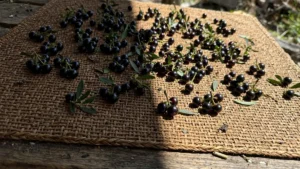
| Drying | Pods sun-dry on mats until the seeds redden |
| Best weeks | The picking weeks, when the mats are out and the kitchen cooks fresh |
| Price span | $65–$95 a night at the simplest farmhouse to $345–$380 at the lodge |
| Gluten note | The spice is gluten-free; farm kitchens serve wheat sides, so ask first |
The caveats that matter
These are working farms in the forest belt, and the trip takes more planning than a beach stay. Some roads are rough, a downpour can shut a track for a day, and the closest hospital may be hours off. Buy cover that includes remote stays and pack a small first-aid kit.
The seeds are safe in ordinary cooking, but the pods are not for chewing whole and the leaves are not food. If medicines of yours react to strong spices, check with a doctor before a week of spice-heavy meals. The best luxury ginger farm retreats raise the same kitchen questions, and the answer is the same: say what you eat and what you cannot, before you arrive, not at the table.
Mosquitoes are part of the region, and the farms sit in their country. Use the prevention your doctor recommends, sleep beneath the nets the lodges supply, and keep repellent handy in the evenings. The dry season has fewer of them than the rains, another reason to come in the picking weeks.
Checklist: booking a grains of paradise farm stay honestly
Work through the list before you pay a deposit.
- Ask which weeks the farm picks, and book inside them.
- Ask whether the kitchen can cook without wheat, and get the answer in writing.
- Ask how far the farm sits from town, and how the road runs in rain.
- Ask how many guests the farm takes in one stay.
- Ask what the price covers.
- Ask what to bring home.
Frequently asked questions
Are grains of paradise the same as black pepper?
No. Grains of paradise are the seeds of Aframomum melegueta, a ginger-family plant from West Africa, while black pepper is the dried fruit of an Asian vine. The flavours overlap in warmth, but grains of paradise carry citrus and cardamom notes black pepper lacks.
When do grains of paradise farms pick their pods?
Pods ripen in the dry season, and each farm picks over a few short weeks. The exact weeks shift with the rains, so ask the farm directly. The best time to visit is during the picking weeks, when the mats are out.
Why are grains of paradise so expensive?
Every pod is picked by hand, and the plants grow scattered under forest canopy rather than in dense rows. The harvest is small, the drying is slow, and the spice travels far. The price reflects hand work, not rarity.
Can guests help the picking crews out in the rows?
Most farms let guests join the picking for an hour or two, with a basket and a lesson in which pods are ripe. The crews work fast and the rows are uneven, so wear closed shoes and follow the picker’s lead. Ask when you book, since some farms keep picking to the crew alone.
Which grains of paradise region suits a first visit best?
Ghana’s Ashanti Region is the easiest first visit, with the shortest drive from a city and farms used to guests. The rooms are simple, the food is familiar, and the walks are gentle. Save Guinea’s highlands and Liberia’s forest frontier for a second trip.
Can you eat well gluten-free on a grains of paradise farm?
Yes, with notice. The spice itself is gluten-free, and the farms cook rice, yam, plantain, and groundnut stews that suit a gluten-free table. The trouble is the bread and wheat sides served with most meals, so warn the farm ahead of time.
The bottom line
Grains of paradise farm retreats are for travellers who like their luxury quiet: a cool forest, a working farm, and a kitchen that cooks with the week’s seeds. The nine stays above cover the whole belt, from Ghana’s easy forest farms to Guinea’s high plateau and the cocoa slopes of Côte d’Ivoire.
Book inside the picking weeks, warn the kitchen about wheat, and pick the region that matches your appetite for rough roads. The farm that answers plainly is the farm worth your money.