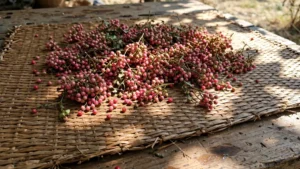
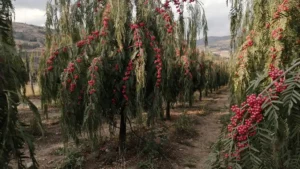
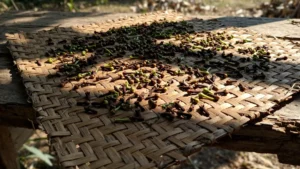
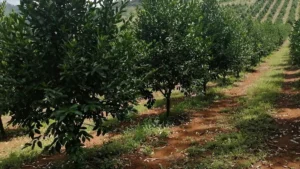
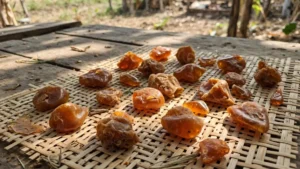
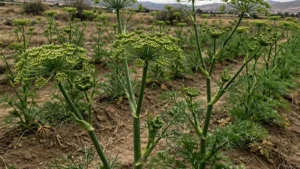
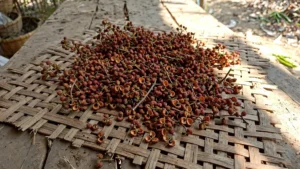
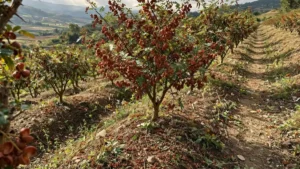
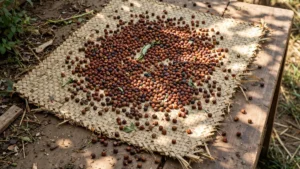
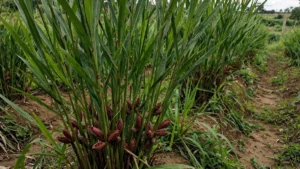
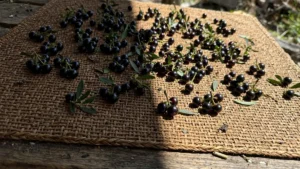
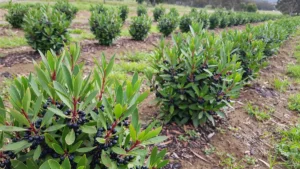
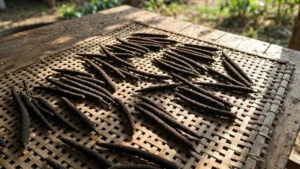
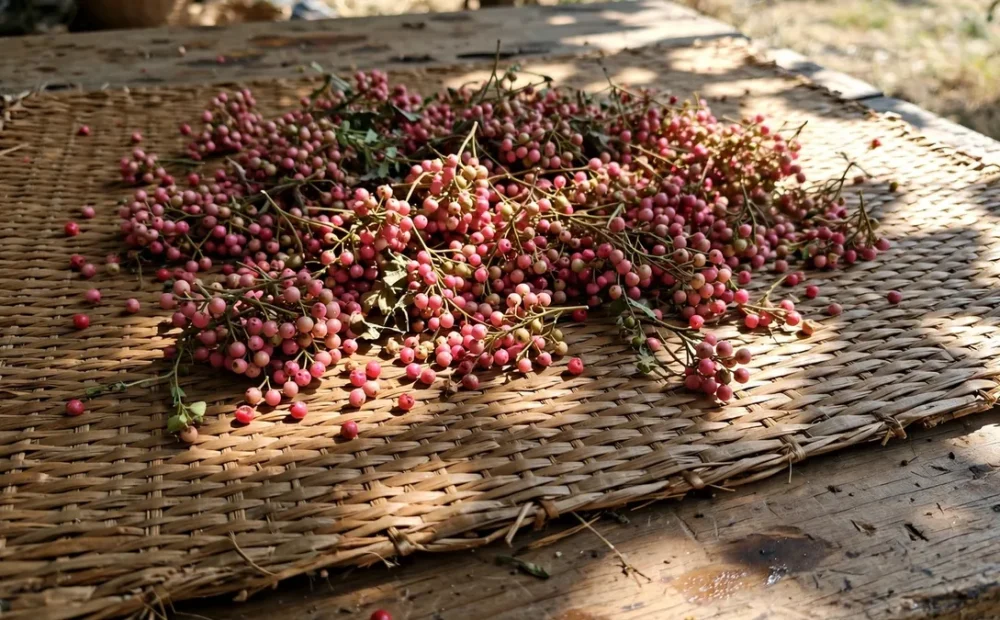
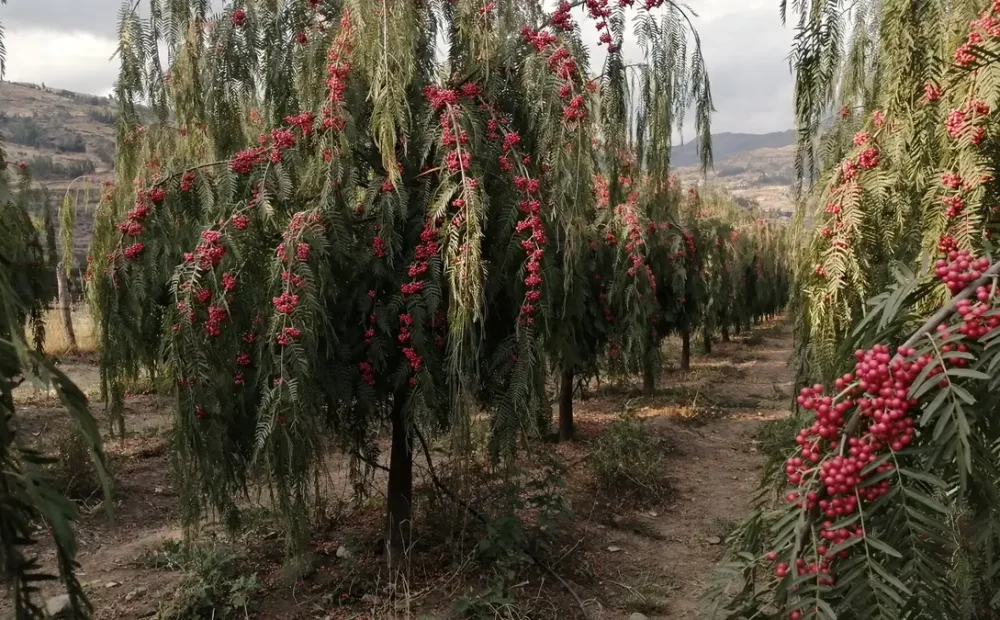
Pink peppercorn is the prettiest spice in the pantry. It grows on a feathery tree with drooping branches, not on a vine, and its berries hang in loose clusters that turn from green to a soft rose pink as they ripen. Picked by hand and dried in the sun, the berries keep their blush colour and a sweet, rosy warmth, unlike black pepper in every way but the name.
A pink peppercorn farm retreat is a few nights on a working farm in the harvest weeks, when the trees are heavy with pink clusters and the drying mats are full. You sleep in a farmhouse room, eat berries folded into salads and roasts, walk the groves while the clusters are still on the branch, and watch the harvest dried and sorted for the table.
Here are nine pink peppercorn farm retreats to weigh for 2027, from the cheapest Sacred Valley stay to the dearest Margaret River farm, covering the Peruvian pepper tree from the Andes to the Australian coast, so the decision turns on the way you travel rather than the place on the map.
Key takeaways
- Pink peppercorn is the dried berry of the Peruvian pepper tree, Schinus molle, and it is not a true pepper at all.
- The berries ripen from green to rose pink, are picked by hand in loose clusters, and are sun-dried until they hold their blush colour.
- The harvest window is short, and the farm names its picking week, not a month, so book the week before the flights.
- Pepper trees run dry and dusty country, with a handful of rooms and meals shared at one table, so expect plain comfort and red dust on your boots.
- Pink peppercorn carries no gluten, but the bread and pastry served beside it are usually wheat, so settle the kitchen and the calendar before you pay.
What a pink peppercorn farm retreat actually is
A pink peppercorn farm retreat means three to five nights on a working farm that grows the Peruvian pepper tree, with the harvest weeks as the reason for the trip. Guests sleep in a farmhouse room, eat what the farm kitchen cooks, and join the harvest, walking the groves as the clusters are cut and the berries are spread on mats to dry.
Pink peppercorn has travelled far from its Andean home. The tree was carried from Peru to the Mediterranean, to California and to Australia, and it settled wherever the summers are dry and the winters are mild. Peruvian cooks scattered the berries over potatoes and fish, Brazilian kitchens folded them into salads and sweets, and French cooks ground them into sauces for duck and goat cheese. The crop needs dry heat and room to spread, so the farms sit in sunny valleys and coastal hills.
Days on these farms follow the tree’s timetable rather than a hotel’s, with supper at one shared table and real work for guests who ask.
How we picked these stays, and what to ask first
We began with where pink peppercorn truly grows, not where it sells best. A genuine peppercorn farm offers trees to walk among, berries to stand beside at harvest time, and a kitchen working with its own berries. A farm that buys its berries in is not a peppercorn farm, whatever the website says.
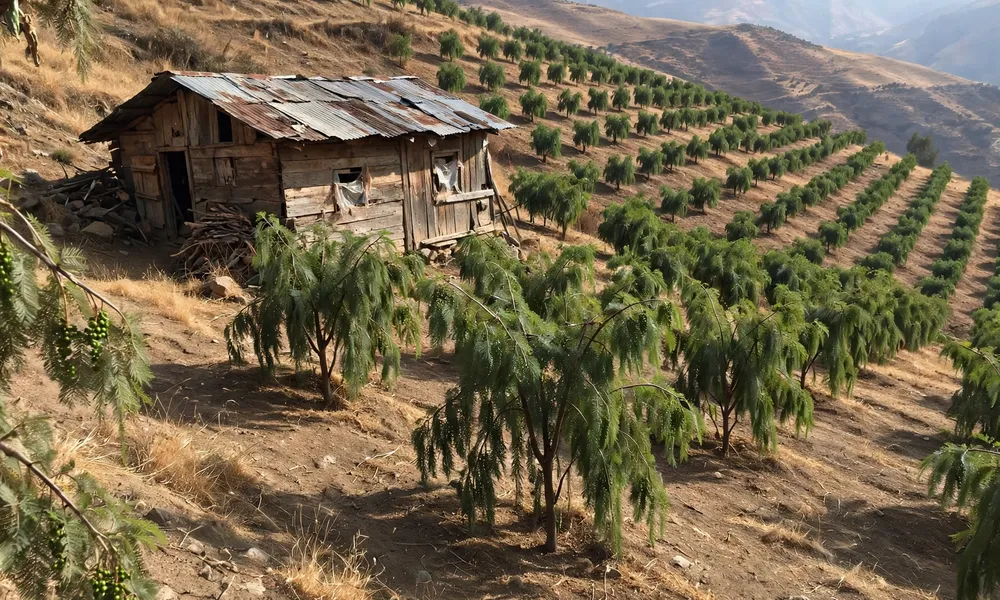
Small guest lists mark a serious farm: the harvest stays genuine work instead of a display for visitors. They also set out in the first email what the nightly rate covers, with supper, the drive in from the nearest town and walks among the trees counted in the price rather than billed on arrival. Plain talk about trees and drying usually means the farm looks after its guests well too.
The 9 best luxury pink peppercorn farm retreats of 2027
Sacred Valley, Cusco, Peru — Pink Berries Below the Andean Terraces
What we like: Pink peppercorn in the Sacred Valley grows on the old terraces below the Andes, and the farm scatters its berries over roast potatoes, trout and quinoa salads. The river runs through the valley floor, and the kitchen serves pink berry trout, spiced potatoes and warm corn bread.
What to consider: The valley air is thin at this height, and the farm sits far up the road from Cusco, so arrive slowly and rest on the first day.
Style: Andean terrace farm stay. Best for: Travellers who want pink peppercorn where the tree first grew. Price range: $65–$95 per night. Standout feature: Pink clusters cut from the valley trees that morning.
Arequipa, Peru — Pink Berries in the Volcano Shadow
What we like: Pink peppercorn in Arequipa grows in the dry valleys below the volcanoes, and the farm folds its berries into rocoto sauces, grilled meats and fruit salads. The volcanoes rise beyond the fields, and the kitchen serves pink berry lamb, stuffed peppers and warm chicha bread.
What to consider: The midday sun is fierce in the dry valley, and the farm is a long drive from the city centre, so arrange the lift in advance.
Style: Peruvian valley farm stay. Best for: Travellers who want pink peppercorn with volcano views. Price range: $100–$130 per night. Standout feature: Sun-dried berries from the volcano-shadow groves.
Mendoza, Argentina — Pink Berries Among the Vineyards
What we like: Pink peppercorn in Mendoza grows along the vineyard rows of the Andes foothills, and the farm grinds its berries for grilled beef, empanadas and salads. The irrigation channels run clear, and the kitchen serves pink berry asado, beef empanadas and warm bread.
What to consider: The foothill wind picks up in the afternoon, and the farm sits outside the wine town, so travel early in the day.
Style: Argentine vineyard farm stay. Best for: Travellers who want pink peppercorn beside the wine. Price range: $135–$165 per night. Standout feature: Fresh-ground pink berries on the asado grill.
Pelotas, Rio Grande do Sul, Brazil — Pink Berries on the Southern Plains
What we like: Pink peppercorn in Pelotas grows on the wide southern plains, and the farm dries its berries in long yards for the spice trade. The cattle graze beside the trees, and the kitchen serves pink berry beef, rice and beans, and warm cheese bread.
What to consider: The plain wind is strong at harvest time, and the farm sits far from the coast towns, so pack a layer for the evenings.
Style: Brazilian plain farm stay. Best for: Travellers who want pink peppercorn from Brazil’s southern farms. Price range: $170–$200 per night. Standout feature: Pink berries dried on the open plain yards.
Minas Gerais, Brazil — Pink Berries in the Coffee Hills
What we like: Pink peppercorn in Minas Gerais grows in the rolling coffee hills, and the farm folds its berries into chicken dishes, cheese boards and fruit desserts. The coffee grows beside the trees, and the kitchen serves pink berry chicken, Minas cheese and warm pão de queijo.
What to consider: The hill rain falls hard at harvest time, and the farm is a drive from the nearest city, so plan the journey with daylight to spare.
Style: Brazilian coffee-hill farm stay. Best for: Travellers who want pink peppercorn grown beside coffee. Price range: $205–$235 per night. Standout feature: Pink berries picked from the coffee-hill groves.
Andalusia, Spain — Pink Clusters Under the Southern Sun
What we like: Pink peppercorn in Andalusia grows among the olive groves of the south, and the farm scatters its berries over salads, goat cheese and grilled fish. The olive oil is pressed nearby, and the kitchen serves pink berry salad, grilled sardines and warm country bread.
What to consider: The summer heat is fierce by midday, and the farm books its rooms early, so write well ahead.
Style: Spanish olive-grove farm stay. Best for: Travellers who want pink peppercorn with the Mediterranean close by. Price range: $240–$270 per night. Standout feature: Pink berries ground fresh for the goat cheese board.
Algarve, Portugal — Pink Clusters in the Southern Sun
What we like: Pink peppercorn in the Algarve grows on the sunny hills above the Atlantic cliffs, and the farm folds its berries into seafood rice, grilled sardines and orange salads. The salt air reaches the trees, and the kitchen serves pink berry cataplana, sardines and warm corn bread.
What to consider: The coastal wind is strong at harvest time, and the farm is the dearest stay on this list but one, so plan a year ahead.
Style: Portuguese coastal farm stay. Best for: Travellers who want pink peppercorn with sea air. Price range: $275–$305 per night. Standout feature: Pink berries from trees above the Atlantic cliffs.
Central Coast, California, USA — Pink Berries in the Wine Valleys
What we like: Pink peppercorn on the Central Coast grows in the dry wine valleys, and the farm grinds its berries for grilled vegetables, roast chicken and berry desserts. The vineyards run beside the trees, and the kitchen serves pink berry roast chicken, grilled squash and warm sourdough.
What to consider: The valley fog hangs late in the morning, and the farm sits high above the coast road, so the walk down is steep.
Style: Californian wine-valley farm stay. Best for: Travellers who want pink peppercorn from California’s dry valleys. Price range: $310–$340 per night. Standout feature: Pink berries ground for the valley roast chicken.
Margaret River, Western Australia — Pink Berries on the Southern Coast
What we like: Pink peppercorn in Margaret River grows on the southern coast, and the farm folds its berries into lamb dishes, seafood and berry desserts. The karri forest stands nearby, and the kitchen serves pink berry lamb, grilled fish and warm damper bread.
What to consider: The farm is the dearest stay here, and the coastal rain falls hardest at harvest time, so plan a year ahead.
Style: Australian coastal farm stay. Best for: Travellers who want pink peppercorn from Australia’s far south-west. Price range: $345–$380 per night. Standout feature: Pink berries from trees on the wild southern coast.
Which pink peppercorn region fits your trip
If you want pink peppercorn where the tree is treated as a feast, start with the Sacred Valley or Arequipa, where the berries are picked and ground the same week they were cut. Either one is gentle on a newcomer, with easy walks and slow suppers at the farm table.
If you want scenery with your berries, Margaret River puts the trees on a wild coast, the Algarve above Atlantic cliffs, and Mendoza among the vineyards. The crop beside the tree shapes the plate: coffee in Minas Gerais, olives in Andalusia, vines in Mendoza. For a farm stay built around another pepper altogether, our guide to the black pepper farm retreats covers climbing vines in the wet tropics, with green spikes and black corns instead of pink clusters, and the cubeb pepper farm retreats offer tailed berries from Java, with camphor notes instead of rosy sweetness.
If you want the pepper that shares pink peppercorn’s kitchen, the long pepper farm retreats put you among catkin spikes in India, with hotter berries beside the pink ones.
The caveats that matter
Pink peppercorn farming answers to the weather: farms give a best guess, never a promise, and a trip pinned to one harvest day gambles on rain. The real warning is the tree itself, easy to miss when the stay is sold as gentle country.
| Detail | What is known |
|---|---|
| Best time to visit | In the harvest weeks, when the berries are rose pink and full, with the season shifting by region and the farm naming its week, not a month |
| What the work involves | Walking the groves, watching the clusters cut down and stripped by hand, and seeing the berries spread in the sun to dry and hold their pink colour |
| How long a stay runs | Three to five nights, set around the harvest weeks |
| Who should take care | Guests with a tree-nut allergy, since the Peruvian pepper tree is a cousin of cashew and pistachio, and anyone unused to fierce sun, dry wind or dusty tracks |
| What the kitchen serves | Pink berry salads and roasts, grilled fish and meats, cheese boards and berry desserts, with fresh bread and farm butter beside the plate |
| Gluten note | Pink peppercorn carries no gluten, but the bread and pastry served beside it are usually wheat, so ask the kitchen what it can safely serve |
| What to pack | Closed walking shoes, a broad sun hat, a light layer for windy evenings, and clothes that wash easily by hand |
| What it does not do | No promised harvest day, no fixed menu, and no hotel-style service on a working farm |
Anyone with a tree-nut allergy should ring the farm before booking. A single question about the kitchen and the berries can save you a difficult stay, and a farm that answers honestly is usually worth the visit.
Checklist: booking a pink peppercorn farm stay honestly
Work through this list before you pay, and go over it again in the week before you travel.
- Get the harvest window in writing, and ask what happens if the berries are still green when you arrive.
- Confirm the nightly rate covers supper, the drive in from the nearest town and the walks among the trees.
- Ask whether the picking and drying happen on the farm, and whether the kitchen can serve a meal without pink peppercorn.
- Before you pay, look at the room yourself: turn on the taps, sit on the bed and try the heater, since farm rooms are plain.
- Pack for dry heat and dusty ground: strong shoes, a hat, a light layer for windy evenings, and clothes you can rinse in a basin.
- Keep a day open for the nearest town, so a harvest week that moves still leaves you a fine trip.
Frequently asked questions
Is pink peppercorn a real pepper?
No. Pink peppercorn is the dried berry of the Peruvian pepper tree, Schinus molle, which belongs to the cashew family, not the pepper family. True pepper grows on a climbing vine, while pink peppercorn grows on a feathery tree. The name comes from the shape and the mild warmth, not from any shared family.
When do the farms pick their pink peppercorns?
Pink peppercorn is picked when the berries in a cluster turn from green to rose pink, with the precise week shifting with the dry heat and the rain, so ask the farm for its harvest window instead of a single date, and hold off booking flights until that window is fixed.
Does pink peppercorn grow on a tree or a vine?
Pink peppercorn grows on a tree, not a vine. The Peruvian pepper tree is a feathery evergreen that spreads wide and droops low, which is why the picking is done by hand from the ground or a short ladder, cluster by cluster, while the berries on one cluster ripen at different times.
Do farms let visitors pick the berries themselves?
Most farms let guests walk the groves, join the picking and sit at the kitchen table, and some invite you to strip the clusters and spread the berries to dry. Picking is steady work, so ask the farm what guests may do before you book, and expect pink dust on your hands either way.
Which pink peppercorn farm region should a first-timer pick?
The Sacred Valley is the easiest first trip: the pepper trees are widest there, the farms are used to guests, and the trout and potato dishes best show what the berry can do. If you want the story as well as the plate, Arequipa is the dry valley ground where the tree has grown for generations.
Can you eat well gluten-free on a pink peppercorn farm?
Mostly. The fields, the picking and the harvest are worth the trip alone, and pink peppercorn carries no gluten, but the bread and pastry served beside it are usually wheat. Ask the farm what it can cook without wheat for a gluten-free guest, and fix the harvest week before any week the kitchen bakes bread.
The bottom line
A pink peppercorn farm retreat suits travellers who prefer rosy berries and farm kitchens to a hotel. The pink berries come sweet and warm, the clusters dry in the sun, and the finest stays feed you from ground they worked themselves.
Lock in the harvest week first, then the travel dates, and hold a spare day at the end. When the berries pick on time you will eat berries dried that week, and when they do not, the valleys, the coasts and the old towns will still carry the trip.