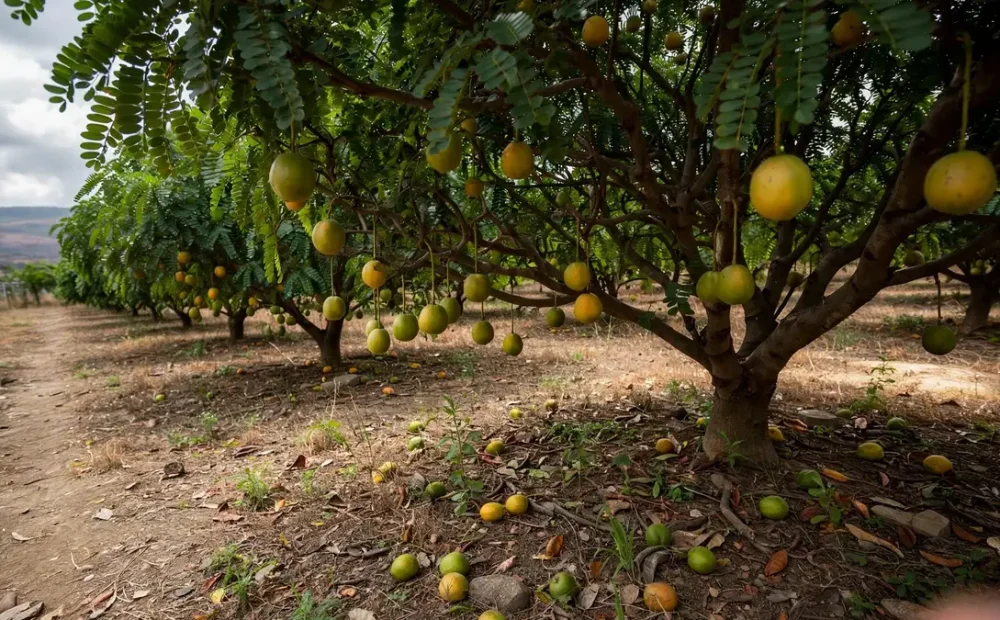
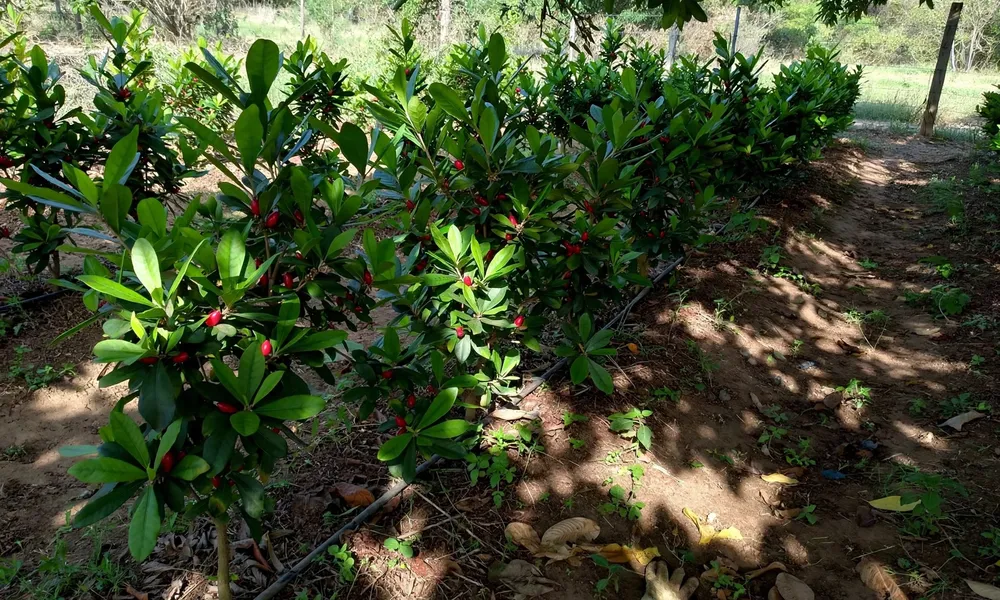
A miracle berry looks unremarkable on the bush: a small red oval, no bigger than a coffee bean, on a slow evergreen shrub. Eat one, then bite a lemon, and the lemon tastes like honeyed lemonade. The berry carries a protein, miraculin, which sits on the tongue and turns sour flavours sweet for half an hour, and has made this West African fruit the centre of tasting tables from Accra to Cairns.
A miracle fruit farm stay is built around that trick. The shrubs grow in shaded rows, the berries ripen a few at a time, and the farm sets out lemons and sour yoghurt so guests can taste the change. The rooms are plain, the host tends the shrubs, and the day moves at the picking’s pace: slow, because the shrubs fruit in small flushes and the berries spoil within days.
Below are nine miracle fruit farm stays worth considering in 2027, from a coastal plot outside Accra to a rainforest-edge farm near Cairns. The nine entries below judge each stay on strengths, shortfalls, and the traveller it suits best.
Key takeaways
- Miracle berries grow on Synsepalum dulcificum, a slow evergreen shrub from West Africa, and the best stays are working farms where the berry is the main crop.
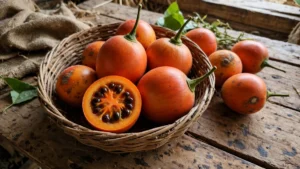
- A ripe berry is bright red all over and soft to the touch; a pale or firm berry has not yet turned, and the sweetness trick will not work.
- Miraculin changes sour flavours to sweet for about thirty to sixty minutes, so tastings are short, timed affairs.
- Most stays include a farm walk and a tasting, but meals, transfers, and flavour-tripping dinners are often priced separately.
- Travellers who cannot eat wheat should write to the farm before booking: the kitchen bakes bread every morning and flour dust reaches every surface.
What a miracle fruit farm retreat actually is
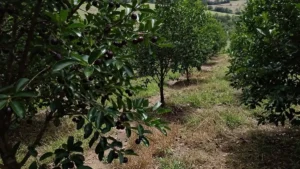
A miracle fruit farm retreat is a stay on, or beside, a working miracle berry farm. The shrubs stand in shaded rows under taller trees, low and slow-growing, and the berries hang singly from the branches, ripening a few at a time, so the picking never stops while the season runs. Picking is done by hand, a few berries at a time, and most of the harvest is eaten on the farm itself.
What marks it out from a plain farm stay is the single trick at its heart. The berry sets the pace, from the lemon sliced at the tasting table to the grapefruit at breakfast and the sour yoghurt passed around after dinner. Rooms tend to be plain, the host is usually out among the shrubs by dawn, and the timetable bends around the harvest, not the other way round.
Know what the nightly rate covers before you pay. Some are working farms first, with spare rooms and a host out pruning before breakfast. Others are comfortable guesthouses inside a fruit farm, with more ease and less farm work in view. Both kinds can be wonderful, yet they are different holidays, and the nightly rate usually gives away which sort you are booking. Our guide to luxury cranberry farm retreats carries the same idea: ask for every inclusion in writing before you let the photographs decide for you.
How we picked these stays, and what to ask first
The stays below all grow their own shrubs, put the berry at the centre of the visit, and say plainly what the farm looks like when nothing fruits. A farm that buys its berries in did not make the list.
Start with the fruiting calendar. The shrubs bear in flushes, and the heaviest picking follows the rains in West Africa, while the farms in Costa Rica and Queensland fruit on a different rhythm.
Then pin down the price. The walk, the tasting and the evening flavour session can each carry a charge, so ask what the rate buys: breakfast, the garden, a lift from town. When a farm puts every charge in writing before you book, that is usually a farm run with care. The luxury cloudberry farm retreats we covered earlier work the same way: small stays where the written details matter more than any star rating.
The 9 best luxury miracle fruit farm retreats of 2027
Accra, Ghana — Lemons Turn Sweet on the Coast
What we like: A small coastal plot outside Accra where the shrubs grow in the shade of plantain and mango trees, and the tasting table sits under a thatched roof. The host is a third-generation grower who picks the berries himself each morning, and the lemons for the tasting come from his own trees. The stay is a whitewashed cottage with a veranda.
What to consider: The city traffic makes the drive slow, and the harmattan dust can haze the sky in the dry months. Tasting groups are capped, so the dates fill early. Best for: Travellers who want the trick where the fruit grows wild. Style: Whitewashed cottage with a sea-facing veranda. Price range: $65–$95 a night, breakfast on the house. Standout feature: Tastings under the thatched roof at dawn.
Kumasi, Ghana — A Slow Shrub in Deep Green Shade
What we like: A forest garden outside Kumasi where the shrubs grow beneath tall shade trees, and the berries are picked into small baskets for the afternoon tasting table. The stay is a timber house with a wide veranda, and the host walks guests through the rows before every tasting.
What to consider: The roads out of Kumasi are rough, and the rains can turn the paths to mud. The farm books out in the heavy fruiting months, so dates matter more than price. Best for: Travellers who want the fruit in deep shade and green quiet. Style: Timber house with a wide veranda. Price range: $95–$125 per night, breakfast and a tasting in the rate. Standout feature: Afternoon tastings from the day’s picking.
Lagos, Nigeria — A Small Farm above the Lagoon
What we like: A compact farm on the lagoon edge outside Lagos, where the shrubs grow in neat shaded rows and the tasting table overlooks the water. The host is a former chef who sets out lemons, limes and sour yoghurt with ceremony, and the kitchen folds the berries into sorbets. The rooms are cool and plain, with a lagoon breeze to keep the heat down.
What to consider: Lagos traffic is famously slow, so the farm sends a car and guests should take it. The city hum reaches the farm on still nights, so book ahead. Best for: Food lovers who want the trick served with ceremony. Style: Cool plain rooms above the lagoon. Price range: $125–$160 nightly, supper included. Standout feature: Sorbets made with the day’s berries.
Abidjan, Côte d’Ivoire — Tasting Tables by the Lagoon
What we like: A farm on the lagoon outside Abidjan where the shrubs grow under mango shade, and the tasting table is set with French care: lemons, grapefruit, and sour cream made by the host. The stay is a low cream house with a shaded terrace.
What to consider: French helps here, and the farm is a drive from the airport on roads that flood in heavy rain. Tastings follow the flush, so confirm the dates in writing. Best for: Travellers who want the tasting done properly, with ceremony. Style: Low cream house with a shaded terrace. Price range: $160–$195 a night, dinner folded in. Standout feature: A tasting set with French care.
Cotonou, Benin — Red Berries behind the Palms
What we like: A palm-shaded plot outside Cotonou where the shrubs grow in rows behind the house, and the berries are picked at dawn for a tasting under the palms. The stay is a simple guesthouse with a courtyard garden, the host is a retired teacher, and the kitchen serves the berries with grilled fish and lime.
What to consider: The midday heat is fierce and the farm lies a long drive from the nearest town. The fruiting window is brief, so the calendar matters more than the nightly rate. Best for: Travellers who want a quiet plot and a knowledgeable host. Style: Simple guesthouse with a courtyard garden. Price range: $195–$230 per night, every meal in the rate. Standout feature: Dawn pickings tasted under the palms.
Lomé, Togo — A Hillside Plot above the Sea
What we like: A hillside plot above Lomé where the shrubs grow in terraced shade, and the tasting table looks out over the sea. The stay is a stone cottage with a cool veranda, and the kitchen serves the berries with green mango and sour cream.
What to consider: The hill road is steep and the farm fills in the fruiting months. The evenings turn cool enough for a layer, and town lies half an hour down the hill. Best for: Travellers who want sea air with their berries. Style: Stone cottage with a cool veranda. Price range: $230–$265 nightly, breakfast and supper both covered. Standout feature: Tastings with a sea view.
Douala, Cameroon — Berries in the Humid Green
What we like: A farm in the humid green outside Douala where the shrubs grow thick under the forest edge, and the fruit comes in heavy flushes after rain. The stay is a wooden house on stilts, and the host runs the tasting at dusk, when the heat finally breaks and the lemons taste sharpest.
What to consider: The humidity is heavy and the farm is a long drive from the city. The paths turn muddy after rain, so bring shoes that can take it. Best for: Travellers who want the forest edge and the heaviest flushes. Style: Wooden house on stilts at the forest edge. Price range: $265–$300 a night, meals and tastings folded into the rate. Standout feature: Dusk tastings when the heat breaks.
San José, Costa Rica — A Cool Valley Farm
What we like: A cool valley farm outside San José where the shrubs grow in the shade of coffee trees, and the berries are picked into baskets for a tasting held on the veranda. The stay is a comfortable farmhouse with a wide garden, and the host pairs the berries with sour tropical fruit from the valley.
What to consider: The road into the valley is narrow, rooms are few, and the farm fills fast. The fruit is sharpest in the warm months, and the wind picks up off the hills by afternoon. Best for: Travellers who want a mild climate with their berries. Style: Comfortable farmhouse in a coffee valley. Price range: $300–$340 nightly, full board for the whole stay. Standout feature: Berries paired with valley fruit.
Cairns, Queensland — Berries under the Rainforest Edge
What we like: A rainforest-edge farm near Cairns, where the shrubs stand in neat rows behind an old shed and the veranda faces the green. The berries here are mild and sweet, the farm holds a weekly tasting, and the kitchen turns the morning’s picking into sorbet.
What to consider: This is the dearest stay on the list, and the farm lies a drive out of Cairns, so confirm the dates before you pay anything. Best for: Travellers who want berries within reach of Cairns. Style: Polished cottage with a rainforest-facing veranda. Price range: $345–$380 a night, the lot included in the rate. Standout feature: Weekly tastings at the rainforest edge.
Which miracle fruit region fits your trip
Ghana is the natural first stop: the shrubs grow wild there, the farms know the fruit best, and tasting tables are part of daily life. Cameroon suits travellers who want the forest edge and the humidity, while Nigeria gives the biggest harvests and the liveliest markets.
First-timers do best near Accra: the farms welcome guests, the fruiting runs long, and the berry is served at every meal. The luxury blueberry farm retreats we covered make the same point: choose the farm that cooks with its own crop each day, and the rest of the trip looks after itself.
The caveats that matter
These stays suit a certain kind of traveller, and the honest ones say so up front. The berries ripen when they please, the farms lie far from town, and a stay that promises fruit on every date is promising too much.
| Detail | What is known |
|---|---|
| Best time to visit | The warm months, when the shrubs are fruiting; the heaviest flushes follow the rains |
| How the trick works | Miraculin coats the tongue and makes sour flavours taste sweet for half an hour or so |
| How ripe fruit looks | Bright red all over and soft to the touch, with no pale patches on the skin |
| What is usually included | Room and breakfast plus a row walk or tasting; evening sessions and transfers often cost extra |
| Who should go | Slow travellers, food lovers, families with older children |
| Who should think twice | Anyone after nightlife, quick service, or a full programme |
| Transfers | Usually an hour or more from the closest airport; book the lift before you arrive |
| What is not guaranteed | Berries on your dates; the crop leans on weather, season, and the shrub’s own rhythm |
The berries contain no gluten, but the kitchen bakes bread at dawn, so ask how flour is kept away from your plate. Fresh berries soften within a day or two, so taste them on the farm and take dried berries home instead. Before you book, think about the practical side if you travel with a health condition, while expecting, or with small children: the nearest clinic, the last spraying date, and whether the paths suit little feet.
Checklist: booking a miracle fruit farm stay honestly
Work through this list before you pay, and again in the week before you leave.
- Ask about the fruiting: will the shrubs be bearing on your dates, or merely open for guests?
- Ask about the price: which parts of the stay — walk, tasting, meals, lift — cost extra?
- Ask about the journey: how long is the airport drive, and does the farm collect guests?
- Ask about the room: does it look over the shrubs or the garden, and is there shade, a fan, or cooling?
- Ask about the growing: how big is the plot, is it sprayed, and when was the last treatment?
- Ask about other guests: find reviews from people who visited in the same season as your trip.
Frequently asked questions
When is miracle fruit season?
It depends on the country. In Ghana and Nigeria the shrubs bear through much of the year, with the heaviest flushes after the rains. In Costa Rica and Queensland the window is the warm months.
What does a miracle berry taste like?
Mild and faintly sweet on its own, with a soft pulp and a single hard seed. The berry is not the point, though: the point is what it does to the next thing you eat. A lemon bitten after a berry tastes like sweet lemonade.
How does the sweetness trick work?
A protein in the berry, miraculin, coats the tongue and makes sour flavours register as sweet for thirty to sixty minutes. The effect fades on its own, and water or a hot drink can wash it away sooner.
May guests pick miracle berries from the shrubs?
On most farms the answer is yes, provided you walk with a guide and ask first. Some farms hand guests a small basket for a few berries, while others keep the picking to the crew because the shrubs are slow-growing and easy to damage. Say so when you book, and wear long sleeves, because the branches are wiry.
Where should a first-timer begin with miracle fruit farms?
Accra, for the easiest journey and the longest season. The farms there welcome guests, the fruit comes for much of the year, and the kitchen serves it at every meal.
What should a gluten-free traveller ask on a miracle fruit farm?
Ask when you book, not when you arrive. The berries themselves are gluten-free, and the plain rice dishes are normally fine. The risk sits in the bread baked each morning, so ask the farm how it keeps flour out of your meals.
The bottom line
A miracle fruit farm retreat suits travellers who like their food to surprise them, and who are happy to let the picking set the day. The fruit is small, the trick is memorable, and the best stays grow the berries, serve them fresh, and set out sour fruit for guests to test.
Choose the region by what you want most: the coastal plots of Ghana, the humid green of Cameroon, or the rainforest edge of Queensland — and carry dried berries home sealed, not the fresh fruit. A packet of them will outlast any photograph.