What a marang farm retreat actually is
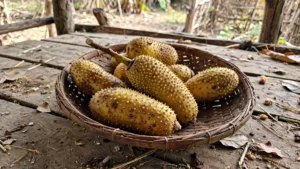
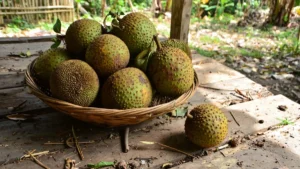
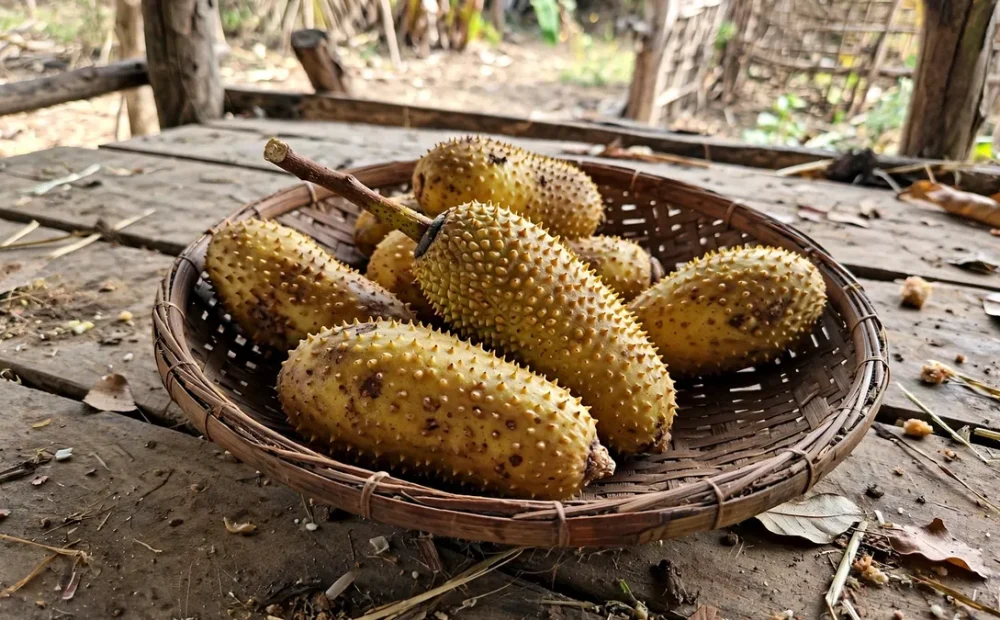
Marang is the fruit you eat with your fingers while the husk is still warm. Its skin is green-brown and spiked, and when the fruit is ready the shell splits along its seams, opening on soft white flesh that smells sweet and sharp at once. The flesh comes away in plump segments, each wrapped around a seed you set aside to roast. It tastes like custard crossed with something wilder, and goes soft within a day, which is why the best place to eat one is a few steps from the branch that held it.
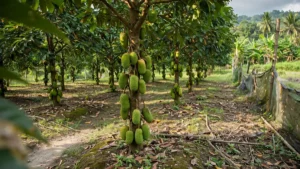
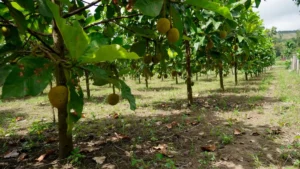
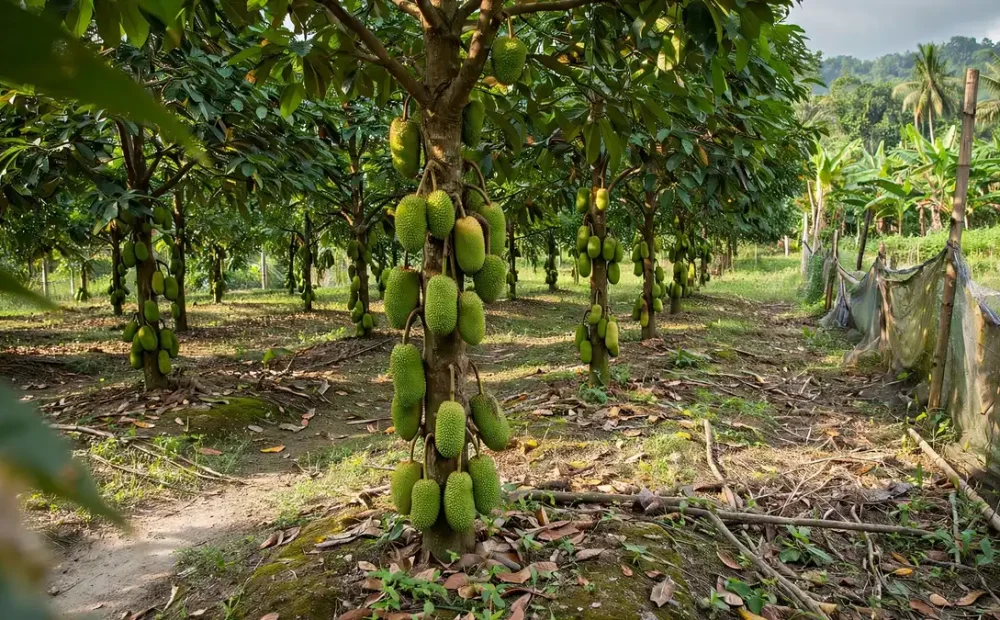
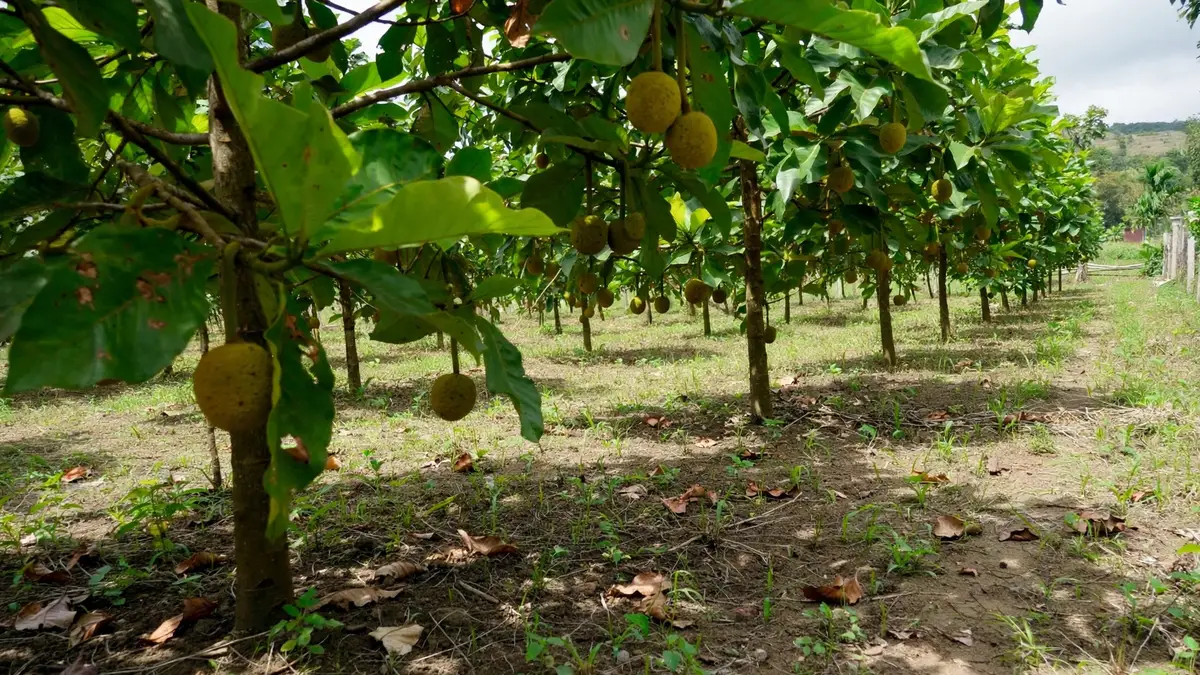
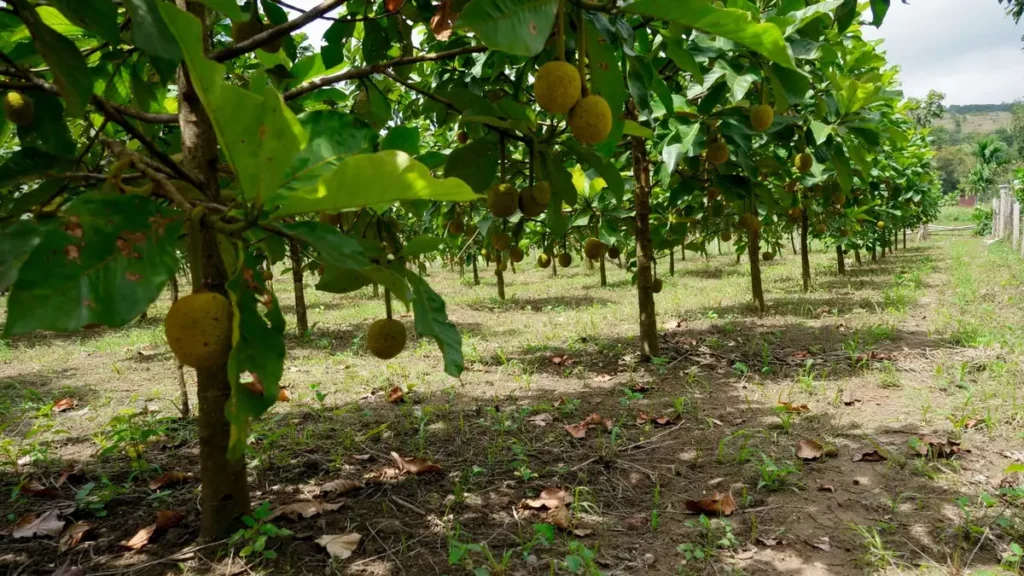
A stay on a marang farm is built around that short walk. The trees are tall and broad, the fruit hangs high, and the harvest runs for a few weeks while the orchard fills with scent. The kitchen serves the flesh chilled and plain, folds it into pancakes and fritters, and boils the seeds for supper. The rooms are simple, the host spends the mornings up ladders among the branches, and the ripening sets the hours.
Nine marang farm stays follow, from the river valleys of Borneo where the fruit began to a wet hillside in Hawaii. Each one is weighed for its good points, its weak points, and the traveller it suits, and every stay below is a working farm.
Key takeaways
- Marang ripens for only a few weeks a year, and the weeks move with the rain, so dates matter more than the room.
- The fruit splits open when ready; a husk that has to be forced is not ripe, and the flesh inside will be sour.
- Every farm below cooks its own marang, and the kitchen is the best reason to choose one stay.
- Marang flesh is soft and perishable, so take home jam, dried flesh or roasted seeds, never fresh fruit.
- Tell the farm in writing about wheat and gluten before you pay, because the kitchen fries fritters and bakes pancakes with flour on the same boards.
How we picked these stays, and what to ask first
We looked for farms where marang is the crop, not an afterthought: old trees, hosts who climb them, and kitchens that serve the fruit more than one way. A farm that buys its marang from a market does not belong here. We also wanted stays where guests can watch the harvest, eat at the farm table, and walk the orchard with someone who knows the trees.
Before you book, ask three questions in writing: when the fruiting starts and how long it lasts; whether guests may join the morning harvest, and whether the farm lends baskets and gloves; and what the kitchen does about wheat, because marang pancakes and fritters are fried in flour batter, and a gluten-free guest needs the kitchen to know before the first meal.

The stays below run from the cheapest to the dearest, each with its price, its style, and the traveller it suits. If you want a fuller sense of how the wider family of fruit farms works, the jackfruit farm retreats show a close cousin of marang grown the same way, with the same short season and the same kitchen-first stays.
The 9 best luxury marang farm retreats of 2027
Kinabatangan, Sabah, Malaysia — Marang along the Kinabatangan River
What we like: A riverside farm in Sabah where marang trees stand in old groves along the Kinabatangan, and the fruit comes down in baskets every morning. The host climbs with a long pole and a net, the flesh is served chilled on the veranda while the river moves past, and the stay is a timber longhouse with wide windows and a herb garden.
What to consider: The river road is rough and the rain arrives without warning, so bring boots and a rain shell, and arrange the lift from Sandakan ahead of time. Best for: Travellers who want marang where Borneo first grew it. Style: Timber longhouse above the riverbank. Price range: $65–$95 a night, with breakfast laid on. Standout feature: Morning harvests from the riverside groves, fruit eaten on the veranda.
Kuching, Sarawak, Malaysia — Marang in Sarawak’s River Country
What we like: A family farm outside Kuching where marang grows beside durian and rambutan, and the kitchen turns the flesh into fritters dusted with sugar. The host’s mother runs the cooking, guests sit at the long table for every meal, and the rooms are plain and cool, with fans and nets.
What to consider: The heat is heavy by midday and the farm road floods after a storm, so plan the day around the early hours and rely on the farm’s car for town. Best for: Guests who want to eat at a family table. Style: Plain farmhouse with a long dining table. Price range: $95–$125 per evening, morning meal included. Standout feature: Fritters and pancakes from the family kitchen, cooked at dawn.
Davao, Mindanao, Philippines — Marang in Davao’s Fruit Belt
What we like: A fruit farm in Davao where marang, known locally as tarap, grows between pomelo and mangosteen. The host is a third-generation grower who grades each fruit by smell, and the best ones are opened at the table. The stay is a concrete house with a shaded garden and a view of the orchard.
What to consider: The fruiting is short and the farm books out fast, so reserve as soon as the dates are set, and leave early for the morning market, because the road from the city is busy and slow. Best for: Travellers chasing the sweetest tarap in the Philippines. Style: Concrete house with a shaded garden. Price range: $125–$160 the night, dinner and breakfast both laid on. Standout feature: Fruit graded by smell and opened at the table.
Palawan, Philippines — Marang on Palawan’s Quiet Coast
What we like: A small coastal farm on Palawan where marang trees grow behind a strip of beach, and the flesh is eaten with the sea in view. The host keeps only a few rooms, the kitchen cooks the seeds in salted water for supper, and the orchard is a short walk from the sand.
What to consider: The farm is remote and the boat road is rough, so the journey takes most of a day, and supplies come from town twice a week — tell the farm about any food needs well ahead. Best for: Travellers who want the orchard and the sea in one trip. Style: Small cottage behind the beach. Price range: $160–$195 a night, with dinner thrown in. Standout feature: Salted seeds at supper, eaten with the sea in view.
Laguna, Philippines — Marang beneath the Laguna Hills
What we like: A hillside farm in Laguna where marang grows on steep ground beneath Mount Makiling, and the kitchen makes jam from the overripe fruit. The host walks guests through the terraces each morning, the afternoon is for the pool and the hammocks, and the rooms are airy, with wide balconies and valley views.
What to consider: The hill road is steep and narrow, so the farm’s van is the safest way up, and the rain is frequent in the afternoons, so walk before lunch. Best for: Guests who want a farm with a view and a pool. Style: Airy house with a wide balcony. Price range: $195–$230 a night, every meal laid on. Standout feature: Jam made from overripe fruit, sold in jars at the gate.
Tutong, Brunei — Marang in Brunei’s Rainforest Edge
What we like: A rainforest farm in Tutong where marang trees rise out of old jungle, and the host gathers the fruit with a bamboo pole. The stay is a raised wooden house on stilts, the evenings are for the veranda and the sound of the forest, and the kitchen serves the flesh with sticky rice and coconut.
What to consider: The forest is wet and the paths are slick, so wear shoes with grip, and bring what you need — the farm is a long drive from the capital and the nearest shop is far. Best for: Travellers who want the jungle and the orchard together. Style: Raised wooden house on stilts. Price range: $230–$265 the night, with all meals laid on. Standout feature: Flesh served with sticky rice and coconut on the veranda.
Bukit Lawang, Sumatra, Indonesia — Marang beside the Sumatran Jungle
What we like: A jungle-edge farm near Bukit Lawang where marang grows at the foot of the rainforest, and the host walks guests to the river after the morning harvest. The kitchen roasts the seeds over charcoal and serves them with coffee, and the rooms are simple, with nets and a view of the trees.
What to consider: The jungle is loud at night and the air is damp, so pack earplugs and dry bags, and book the farm’s car, because the road from Medan is long and winding. Best for: Travellers who want the jungle walk as much as the fruit. Style: Simple lodge at the jungle edge. Price range: $265–$300 a night, with full board laid on. Standout feature: Seeds roasted over charcoal, eaten with coffee.
Hilo, Hawaii — Marang in Hawaii’s Wet East
What we like: A small farm outside Hilo where marang grows in the wet east of the island, and the host is one of Hawaii’s few growers. The fruit is smaller than the Borneo kind but just as sweet, the kitchen serves it in smoothies and ice cream, and the stay is a cedar cabin with a garden of ginger and heliconia.
What to consider: The rain falls most days and the ground is soft, so bring waterproof shoes, and fix the dates early, because the farm is small and the fruiting is brief. Best for: Guests who want a rare fruit in a familiar place. Style: Cedar cabin in a flower garden. Price range: $300–$340 a night, with everything laid on. Standout feature: Marang smoothies and ice cream from the farm kitchen.
Cairns, Queensland, Australia — Marang in Queensland’s Far North
What we like: A tropical farm near Cairns where marang grows in the far north of Queensland, and the host collects rare fruit. The orchard holds a dozen kinds of Artocarpus, the marang is the star of the tasting table, and the stay is a Queenslander house on stilts with a pool and a wide veranda.
What to consider: The wet season is fierce and the fruiting is short, so the window is narrow, and the hire car is the easiest way to get there from Cairns. Best for: Collectors who want to taste the whole Artocarpus family. Style: Queenslander house on stilts, pool below. Price range: $345–$380 a night, with the lot laid on. Standout feature: A tasting table with a dozen kinds of Artocarpus.
Which marang region fits your trip
Borneo is where marang belongs, and the Sabah and Sarawak farms are the truest stays on this list, with old trees, growers for hosts, and fruit eaten within hours of falling. For the deepest experience, start in Kinabatangan, end in Kuching, with a night in Tutong between them. The Philippines is the easier trip, with Davao for the sweetest fruit and Palawan for the quietest stay.
Sumatra, Hawaii and Queensland are for the second trip: Bukit Lawang pairs the orchard with the jungle, Hilo with a familiar island, and Cairns with a tasting table no other farm here can match. If you want to understand how marang sits beside its better-known relatives, the breadfruit farm retreats show another Artocarpus grown the same way, with the same kitchen-first stays and the same short season.
Wherever you go, the dates matter more than the region: marang fruits for a few weeks, and the weeks shift with the rain. Ask the farm when the flush starts, book the middle of it, and leave the flights until the farm has answered.
The caveats that matter
Marang is not a fruit for everyone. The smell is strong, and guests who dislike durian should taste a segment at a market before booking a whole stay. The flesh is rich and soft, so eat slowly and in small amounts, and the seeds must be cooked — raw seeds are not for eating, and the farm will boil or roast them first.
The other caveat is wheat. Marang fritters and pancakes are fried in flour batter on most farms, and the same boards and pans are used for everything. If you eat gluten-free, tell the farm in writing before you pay, and ask what the kitchen can do with rice flour instead. The durian farm retreats show how the best farms handle a powerful fruit and a careful kitchen.
| Detail | What is known |
|---|---|
| Best time to visit | The fruiting weeks, which move with the rain and differ by country |
| The fruit at a glance | Artocarpus odoratissimus, a large spiky fruit with soft white flesh that splits open when ripe |
| How ripe fruit looks | The husk splits along its seams, the flesh smells sweet and sharp, and the segments come away easily |
| What is usually included | Room and breakfast with an orchard walk or tasting; cooking and lifts often cost extra |
| How the fruit is eaten | Fresh and chilled, in fritters and pancakes, as jam, or with boiled or roasted seeds |
| What to pack | Boots, a rain shell, gloves, and dry bags |
| What to avoid | Raw seeds, unripe flesh, and booking flights before the farm confirms the fruiting dates |
| Who it suits best | Travellers who like strong-smelling fruit, farm kitchens, and slow orchard mornings |
Checklist: booking a marang farm stay honestly
- Ask the farm in writing when the fruiting starts and how long it lasts this year.
- Check whether guests may join the morning harvest, and whether gloves and baskets are lent.
- Ask the kitchen about wheat and gluten before you pay, and get the answer in writing.
- Confirm the lift from the nearest town, and whether the farm’s car is included in the price.
- Pack boots, a rain shell, and dry bags, because the orchards are wet and muddy.
- Plan to take home jam, dried flesh or roasted seeds, never fresh fruit.
Frequently asked questions
When is marang season?
Marang fruits for a few weeks a year, and the weeks move with the rain: Borneo often between August and October, the Philippines between September and December, Queensland in the wet summer months. Ask the farm; the dates shift every year.
What does marang taste like?
The flesh is soft and custardy, sweet with a sharp edge, and the smell is strong, though milder than durian. Some guests taste banana and cream, others pineapple and vanilla, and the seeds, once boiled or roasted, taste nutty and mild.
May guests pick marang from the trees?
At most farms, yes, provided you walk the rows with a guide and ask before you set off. The fruit hangs high, so the host usually does the climbing while guests hold the net. Never pull at a husk that has not split, because the flesh inside will be sour.
Is marang the same as jackfruit?
No. Marang and jackfruit are cousins in the same genus, Artocarpus, but marang is smaller, softer, and splits open when ripe, while jackfruit stays shut and must be cut. Marang flesh is eaten fresh with a spoon; jackfruit flesh is firmer and usually cooked.
Where should a first-timer begin with marang farms?
Start in Davao, where the fruit is sweetest and the farms are easiest to reach, or in Kinabatangan, where the orchards are oldest. Taste a segment at a market first; if the smell puts you off, a farm stay is not the trip for you.
What should a gluten-free traveller ask on a marang farm?
Ask whether the kitchen fries fritters and pancakes in wheat flour, and whether it can use rice flour instead, and whether the boards and pans are shared. Get the answer in writing before you pay. The fruit itself is gluten-free; the kitchen is where the risk sits.
The bottom line
Marang is a fruit for the patient traveller: the season is short, the fruit is perishable, and the best stays are working farms with simple rooms and strong kitchens. Book the middle of the flush, tell the farm about wheat before you pay, and eat the flesh within hours of the harvest.
The reward is a fruit few travellers have tasted, eaten where it grew, with the smell of the orchard still in the air. Start with Davao or Kinabatangan, keep the dates flexible, and let the trees decide the day.