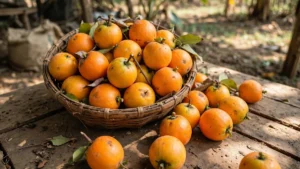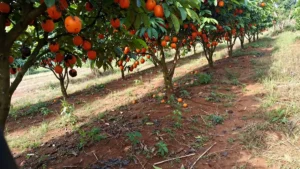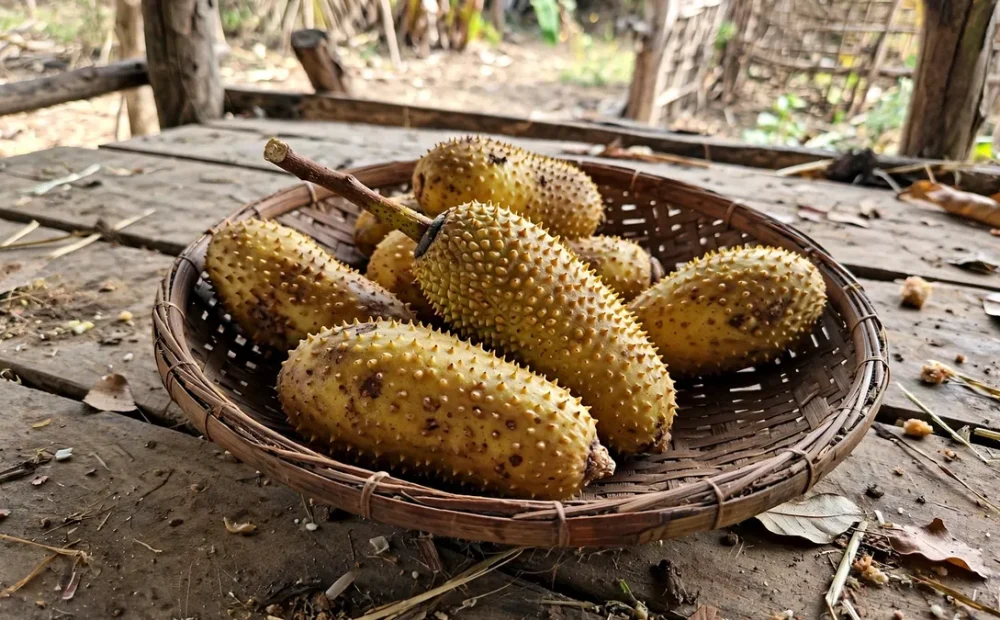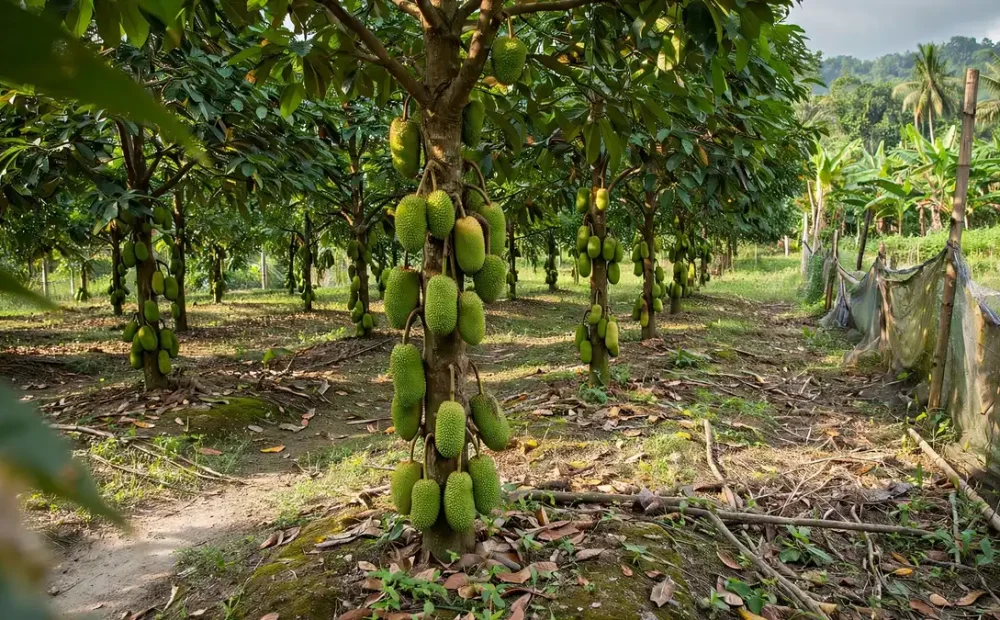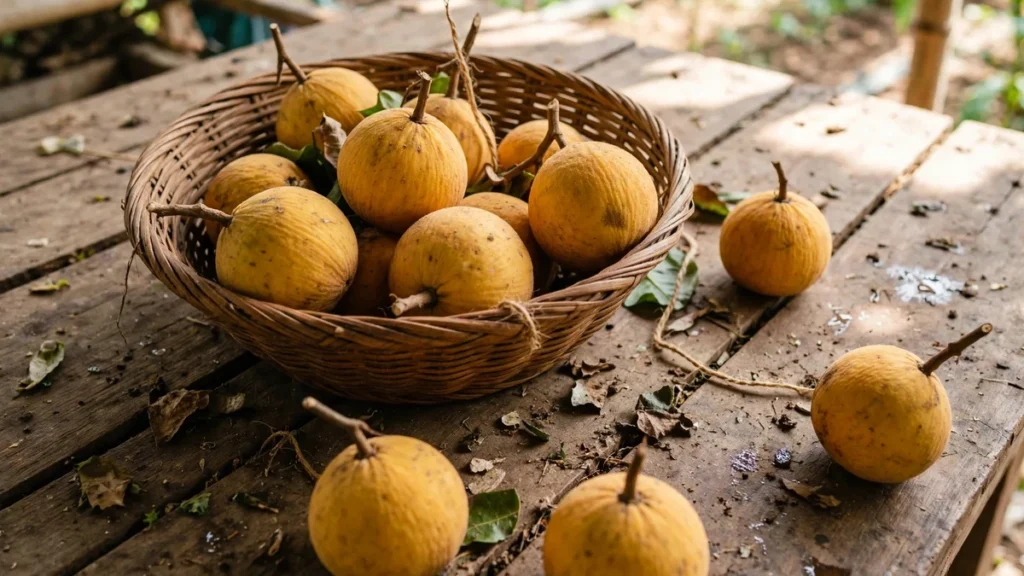
Three nights, one orchard, and a fruit that refuses to wait for anyone: that is the whole shape of a santol farm escape. You sleep within earshot of the trees, you rise before the heat, and you eat pulp that was hanging on a branch an hour before breakfast. No lobby, no concierge, no schedule — the orchard sets the hours, and you keep them.
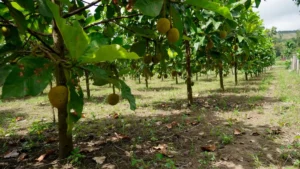
The tree sets the terms, and that is both the risk and the reward. The harvest is brief and the fruit bruises at a touch; the best santol never leaves the farm — it sells at the gate the morning it is cut. Arrive in the middle of the harvest and the branches hang heavy; arrive a week late and you will sleep beside bare wood. The planning is about the fortnight, not the hotel.
Nine choices shape the trip, from the first taste at a market stall to the jars you pack for home. Each one is small on its own, and together they are the difference between a harvest and a hotel room with trees nearby. Make them in this order: the dates first, then the region, the kitchen, the room, the packing, and the questions worth asking before any money moves.
Key takeaways
- Santol fruits once a year, so fix the harvest dates before you fix the flights.
- Taste the fruit at a market stall first, then settle on a region.
- Choose a farm whose kitchen cooks its own fruit, and judge it by the salad.
- Carry home jam and dried santol, not fresh fruit, which bruises and often fails border checks.
- Tell the farm in writing about wheat or gluten a week ahead, because farm kitchens bake with wheat flour and cross-contact is common.
Before You Book: The Santol Calendar
Santol season is short and it moves with the rain. In Thailand the harvest usually runs from June into September, in the Philippines and Malaysia the calendar is similar, and a wet year pulls everything a week or two earlier. A farm that gives you last year’s dates without checking this year’s rain is guessing, and a guest who books on a guess can arrive to bare branches. Ask too what the deposit covers if the fruit runs a fortnight early, because a farm that refunds or moves the booking is a farm that has handled a late season before.
Write to the farm first. Ask for this year’s picking window, ask what happens if the fruit runs early or late, and ask whether the farm moves the booking or refunds the deposit when the harvest shifts. The farms that answer clearly are the farms that have handled a late season before. The mangosteen farm escape guide runs on the same short-season logic, and the travellers who get the dates in writing have the better trip.
Once the dates are fixed, everything else follows: the flights, the room, the market mornings. Book in that order and the trip holds together. Book in the other order and you may own a flight to an orchard with nothing left to pick. The room, the market mornings and the jars all wait on the dates, so fix those first and let the rest follow.
The 9 Steps to a Santol Farm Escape
Begin at a market stall, not on a booking page
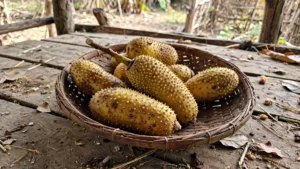
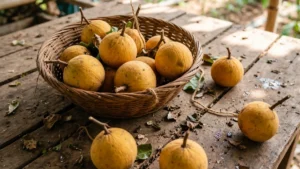
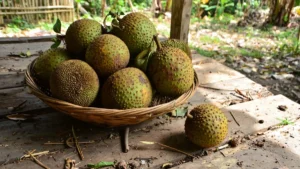
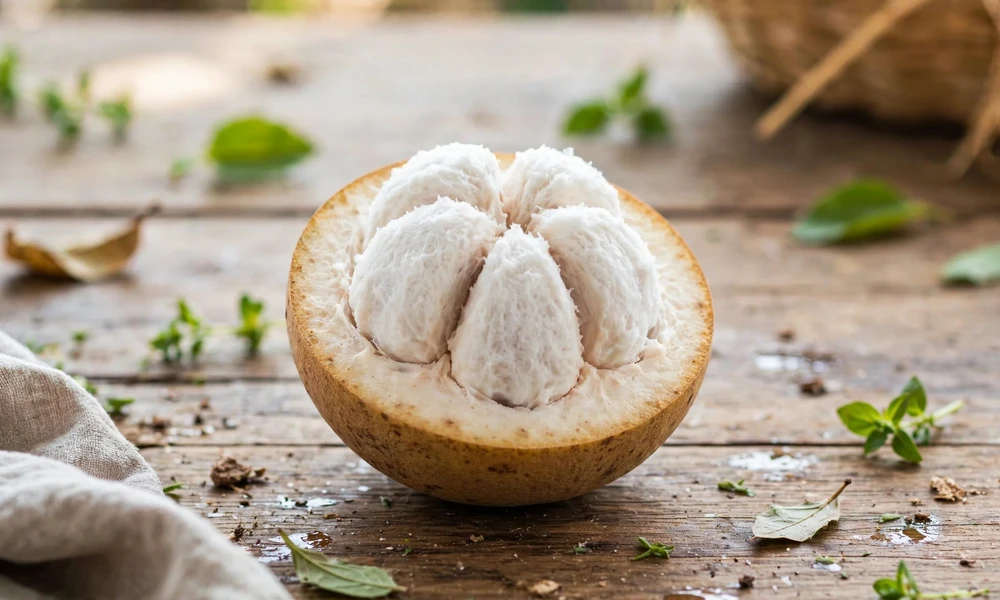
Before you choose a region, taste the fruit. A market stall in Bangkok, Manila or George Town will sell you a santol for the price of a coffee, and one fruit tells you more than ten photographs. The sour ones make you blink, the sweet ones make you reach for another, and the difference between them is the difference between regions.
What to Do: Buy two or three santol from different stalls and compare them. What to Avoid: Booking a farm before you know whether you like the fruit. Best For: Travellers who have never tasted santol. Time Needed: An hour at the market stall. Standout Tip: Taste before you buy a basketful.
Set the harvest dates before you book the flights
The harvest is the trip. Write to the farm, ask for this year’s picking window, and ask what happens if the fruit runs early or late. Only when the dates are in writing should you look at fares, because a flight booked before the dates are fixed is a flight to an empty orchard. Ask for the refund or the moved dates in the same message, so the promise is written down beside the picking window.
What to Do: Get the picking window in writing, then book the flights. What to Avoid: Paying for flights before you know the fruiting dates. Best For: Travellers who want the dates fixed early. Time Needed: One email, sent before any money moves. Standout Tip: Ask for the dates in writing, not on the phone.
Let the kitchen decide which farm you book
Santol is a cook’s fruit, and the farm that only serves it raw is missing half of it. Ask what the kitchen made yesterday, and ask whether the salad, the jam and the chutney all come from the farm’s own trees. A kitchen that cooks its own fruit is a kitchen worth travelling for.
What to Do: Ask what the cook served yesterday, and judge the farm by the answer. What to Avoid: Choosing a farm whose kitchen buys its fruit from the market. Best For: Travellers who judge a farm by its kitchen. Time Needed: An afternoon reading the menu with the cook. Standout Tip: Ask what the cook served yesterday.
Find out whether guests may pick on the morning walk
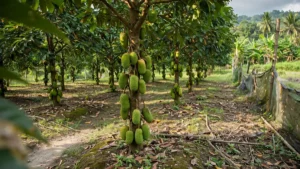
Some farms let guests pick, some farms only let guests watch, and the difference matters more than the room. Ask who leads the walk, what it covers, and whether guests carry a basket or only a camera. A farm that hands you a basket at dawn is a farm that trusts its guests.
What to Do: Ask the host directly whether guests may gather fruit on the walk. What to Avoid: Assuming you can pick, then finding the rows closed to guests when you arrive. Best For: Travellers who want to pick, not just watch. Time Needed: Five minutes with the host at check-in. Standout Tip: Ask who leads the walk, and what it covers.
Sleep where the orchard fills the window
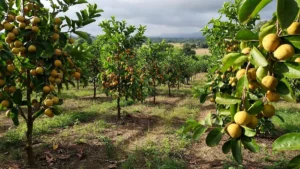
The view is part of the trip, and the rooms facing the rows go first. Ask which way the window faces, whether the shade holds through the afternoon, and whether the fan or the cooling works. A room that looks onto the orchard wakes you to the trees, and a room that looks onto a wall wakes you to nothing. Ask too whether the shade holds through the afternoon, because a room that bakes in the sun is a room you will not sleep in.
What to Do: Ask for the room the host would take, and why. What to Avoid: Accepting the last room going and spending your mornings facing a plain brick wall. Best For: Travellers who want the orchard outside the window. Time Needed: Ten minutes over the room list. Standout Tip: Ask for the room the host would take.
Sort the wheat-free table in writing before you go
Farm kitchens bake with wheat flour, and the bread sits beside the fruit on the same table. A guest who needs wheat kept out of their meals must tell the farm in writing a week ahead, ask whether the santol dishes can be cooked without wheat, and ask whether the salad dressing is wheat-free. A farm that has done this before will answer clearly and without fuss.
What to Do: Send one written message a week ahead, listing what you cannot eat. What to Avoid: Mentioning it at the table, after the food is cooked. Best For: Travellers who need wheat kept out of the table. Time Needed: One written message, sent a week ahead. Standout Tip: Ask whether the salad dressing is wheat-free.
Dress for heat, rain and santol-sticky hands
Santol juice stains, the pulp clings to the fingers, and the afternoon rain arrives without warning in the wet months. Pack a light rain layer, shoes that can take mud, and clothes you do not mind staining. Leave the white linen at home, and bring a spare bag for the jars you will carry back.
What to Do: Pack the rain layer, the mud shoes and the spare bag. What to Avoid: Packing light and buying everything twice at the farm shop. Best For: Travellers who want to pack once and pack right. Time Needed: Half an hour with the packing list. Standout Tip: Pack a spare bag for the jars.
Go to the market before breakfast with the cook
The market is where the farm buys what it does not grow, and the cook knows every stall. Follow the cook at dawn, watch what is chosen and what is passed over, and ask why. The walk teaches you the season in an hour, and the breakfast that follows tastes better for it. Note what the cook buys for the evening meal as well, because the market tells you what the farm cannot grow.
What to Do: Set the alarm, follow the cook, and ask questions at every stall. What to Avoid: Sleeping through the market and eating a breakfast you never saw chosen. Best For: Travellers who want the market as much as the farm. Time Needed: An hour at the market, before breakfast. Standout Tip: Let the cook choose the stall.
Bring home jam and dried santol, leave the fresh fruit behind
Fresh santol bruises in a bag and border rules often forbid it, but the jam and the dried fruit travel well and keep for months. Buy them on the last morning, when the kitchen has finished the week’s batch, and leave room in the bag for the jars. The rambutan farm escape guide gives the same advice, and the jars are the souvenir that actually gets eaten.
What to Do: Buy the jam and the dried fruit on the last morning. What to Avoid: Buying a basketful of fresh fruit and watching it bruise on the way home. Best For: Travellers who want a souvenir that gets eaten. Time Needed: Twenty minutes among the jars. Standout Tip: Buy the jam on the last morning, not the first.
What to Look for in a Santol Farm
Look first at the dates, then at the kitchen, then at the table. A farm that gives you this year’s picking window in writing, a kitchen that cooks its own fruit, and a clear answer on wheat is a farm worth booking. A farm that cannot give you any of the three is selling a room with trees nearby, and you can find that anywhere.
Look next at the size of the stay. The best santol farms take few guests, and the small table is part of the charm, but a small farm books out early in the harvest. If the farm you want is full, ask for the next week rather than the next farm. The langsat farm escape guide makes the same point, and the travellers who wait a week for the right farm have the better trip.
Look last at the road. Santol farms sit a drive from the nearest town, and the road is long after rain. Ask how long the airport drive takes, whether the farm sends a car, and what happens if the flight lands late. A farm that answers all three has thought about your arrival, and that is a good sign.
Getting There and Getting Around
Most santol farms sit two to four hours from the nearest airport, and the drive is part of the trip. A small car gives you the run of the valley and a way to reach the market before dawn, but the farm car is the simpler choice when the road turns to mud. Ask the farm which it recommends for the week you are coming. A hired driver who knows the farm roads is worth the extra cost when the rain has turned the track to mud.
Inside the farm, everything is on foot. The rows are close, the market is a short drive, and the kitchen is the centre of the day. Bring shoes that can take mud, because the paths turn after rain and the morning walk starts before the ground dries.
Between farms, the distances are long and the flights are few. If you want two santol regions in one trip, fly between them rather than driving, and give yourself a full day for the move. The fruit will still be there when you arrive, as long as you arrive in the harvest.
Planning at a Glance
| Detail | What is known |
|---|---|
| Best month | July and August in Thailand, with the Philippines and Malaysia close behind |
| Booking window | Two to three months ahead for the harvest weeks, which sell out first |
| Flights | Book only after the farm confirms the picking dates in writing |
| Getting around | Farm car or a small hire car; on foot inside the farm |
| What to pack | Light rain layer, mud-proof shoes, stain-proof clothes, a spare bag |
| What to buy | Jam, chutney and dried santol on the last morning |
| Border rules | Fresh fruit is often forbidden; jars and dried fruit usually pass |
| Wheat-free note | Tell the farm in writing a week ahead and ask about the dressing |
Your Santol Packing Checklist
- Light rain layer for the afternoon downpours.
- Shoes that can take mud on the morning walk.
- Clothes you do not mind staining with santol juice.
- A spare bag for the jars of jam and dried santol.
- A written note to the farm about wheat or gluten, sent a week ahead.
- The farm’s picking dates in writing, kept with the flight booking.
Frequently Asked Questions About Planning a Santol Escape
How far ahead should you book a santol farm stay?
Two to three months ahead for the harvest weeks, which sell out first. The farms are small, the season is short, and the best rooms go to the travellers who write first. Outside the harvest, a week ahead is usually enough.
What if the harvest runs early or late?
Ask the farm before you book. A good farm will move your dates or refund the deposit when the harvest shifts, and it will say so in writing. A farm that will not put it in writing is a farm to avoid. Some farms hold a second week in reserve for guests whose dates slip, and that is worth asking about too.
Can children join the picking walks?
Yes, at most farms, as long as they walk with a guide and stay on the paths. The fruit is picked from low branches, the pulp is safe to taste, and the seeds are not for eating, so small children need watching at the tasting table.
Do santol farms cater to wheat-free guests?
Yes, if the farm knows in advance. Tell the farm in writing a week ahead, ask whether the santol dishes can be cooked without wheat, and ask whether the salad dressing is wheat-free. A farm used to the question will answer without fuss.
How do you get to a santol farm without a car?
Ask the farm to send a car from the airport. Most farms will collect guests, and the cost is often in the rate. Inside the farm, everything is on foot, so no car is needed once you arrive. If the farm cannot collect you, ask which town the bus reaches and whether the host will meet you there.
What does a santol farm stay cost?
From $65–$95 a night at the simplest farm stays to $345–$380 at the grandest, with breakfast and often dinner in the rate. The middle of the range, around $160–$230 a night, buys a good kitchen and a room that looks onto the orchard.
The Bottom Line
A santol escape is a trip built around a fortnight. Taste the fruit first, fix the harvest dates in writing, choose the farm by its kitchen, and tell it about wheat a week ahead. Pack for rain and sticky fingers, walk the market with the cook, and carry home the jam.
Arrive in the harvest and the orchard does the rest. Arrive a week late and you will sleep beside bare wood, so plan around the fruit and the fruit will reward you.