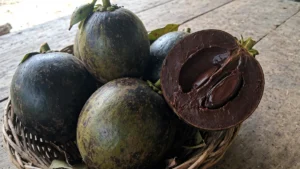
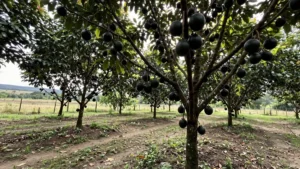
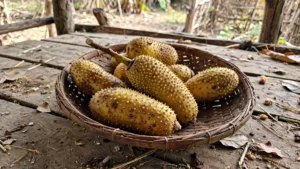
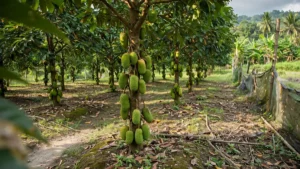
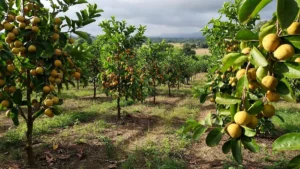
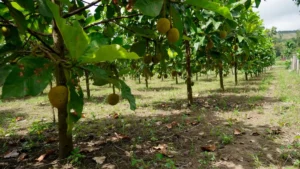
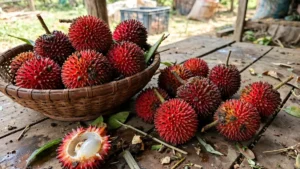
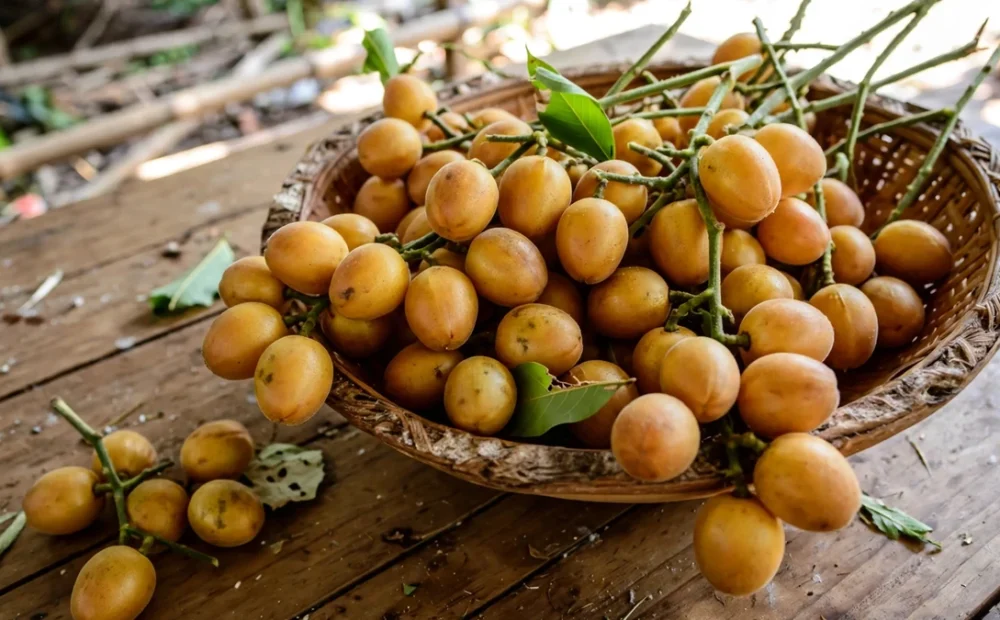
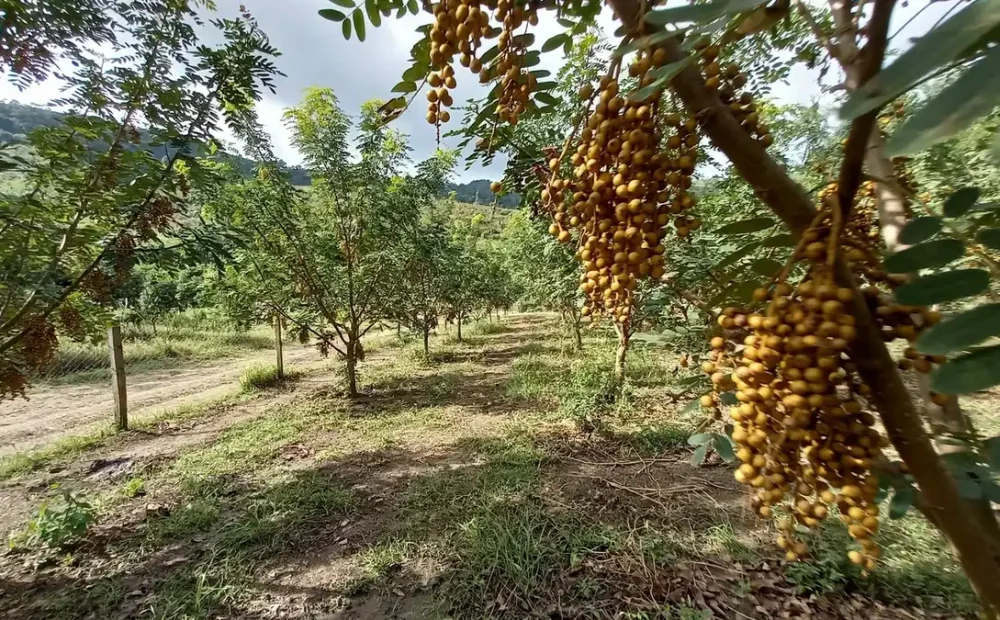
Three nights, one orchard, and a fruit that refuses to wait for anyone: that is the whole shape of a langsat farm escape. You sleep within earshot of the trees, you rise before the heat, and you eat clusters that were hanging on a branch an hour before breakfast. No lobby, no concierge, no programme — the orchard writes the day, and you follow it.
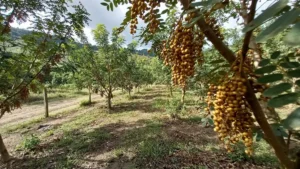
That dependence on the tree is the gamble and the charm at once. The burst is brief and the clusters bruise at a touch; the best fruit never leaves the farm — it sells at the gate the morning it is cut. Arrive in the middle of the burst and the branches hang heavy; arrive a week late and you will sleep beside bare wood. Planning here is choosing a fortnight, not a hotel.
Nine decisions carry the trip, from the first taste at a market stall to the jars you pack for home. They run in order below: the dates, the region, the kitchen, the room, the packing, and the questions worth asking before any money moves. Because the clusters ripen a few at a time rather than all at once, a good stay keeps you near the trees for several mornings, so you catch each branch at its sweetest.
Key takeaways
- The bearing window lasts a few weeks and slides by country, so settle the dates before a single flight is paid for.
- Arrive in the langsat weeks and the branches hang heavy; arrive in the duku weeks and they hang heavy with something else.
- Walks and tastings usually sit inside the nightly rate; anything beyond that — meals, lifts, lessons — usually costs extra.
- No gluten in the fruit, but the ovens fire before sunrise — so flag the wheat allergy in your very first message.
- Open gates say nothing about bearing branches — get the picking calendar in writing before money moves.
What a langsat farm escape involves
Picture a bedroom at the edge of someone else’s workplace, where the day’s work is picking fruit and the fruit ends up on your breakfast plate. Three nights is about right — settle and walk on day one, pick and cook on day two, market and road home on day three.
The day starts before the heat does. The host leads with a basket, guests trail behind with theirs, and breakfast still carries the morning’s cool. Afternoons drift by: a lesson with the cook, a walk to the gate stall, or a drive to town for supplies. Nights are hushed, the garden belongs to everyone, and supper is whatever the branches offered. Supper from the field at your feet — that is who this trip suits; nightlife, brisk service, and packed days belong to a different holiday. Longan works the same way on a different tree, and our guide to planning a longan farm escape walks through the same nine decisions with longan’s calendar instead of langsat’s.
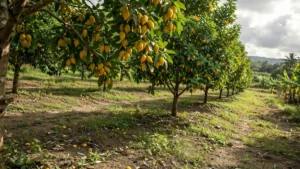
Newcomers settle in fast: small orchards, hosts used to strangers, and a fruit that explains itself in one bite. Families do well too, when older children treat dawn alarms and sticky hands as part of the fun. What you will not find is a spa, a minibar, or a turndown service — the money went into the orchard, and the orchard is the point. Come hungry, come unhurried, and say yes when the host suggests the early start: the grove is at its best before the heat, and the host’s stories come out on the walk, not at dinner.
How to plan it, and what to ask first
Let the bearing calendar choose the destination, because a farm with empty branches is just a hotel with trees. Philippine picking runs late summer into autumn, with Laguna ahead of Davao; Thailand and Malaysia gather late in the wet season, while Australia picks as the northern orchards rest. That shift matters more than the map: a farm two hours from the one you first liked may fruit a fortnight earlier, and the difference between the two is the difference between a full basket and an empty grove.
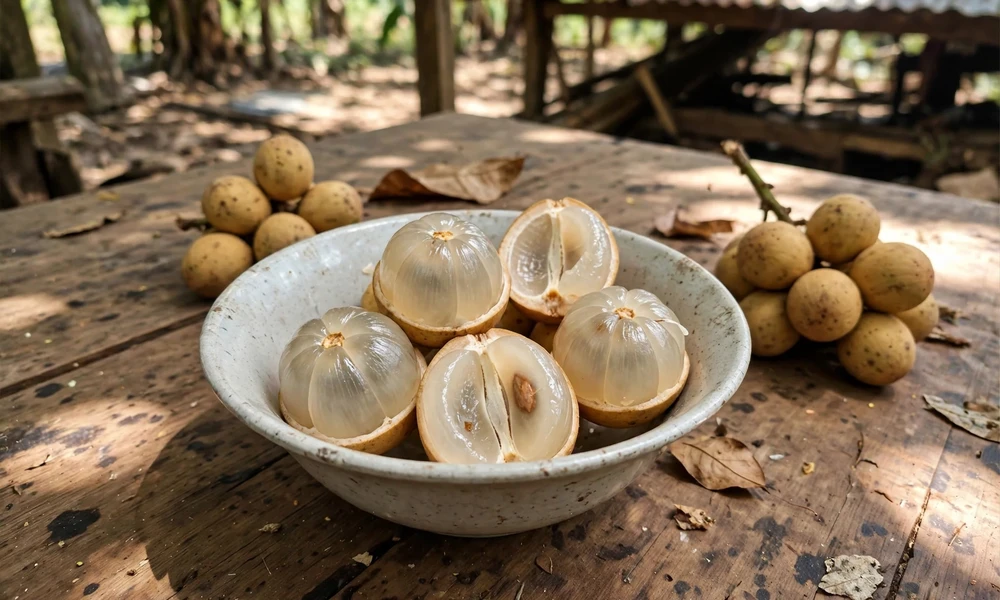
Then sort out the price: the walk, the tasting and the lesson are three pleasures, billed three ways. Ask what the rate holds — breakfast, a shared garden, a host you can talk to — and what arrives as a separate line on the bill. Charges stated plainly before booking usually mean a well-run stay. The lychee guide covers the same ground with a different fruit: dates, kitchen, room, in that order.
Last, ask about the fruit: the bearing weeks, whether guests cut clusters on the walk, and what the kitchen serves once the flush ends. Dates instead of adjectives usually mean a well-run farm; a dodged question tells you plenty on its own. For the purple rival, the mangosteen farm escape guide runs the same checklist against mangosteen orchards.
The 9 steps to plan a langsat farm escape
Let a market stall decide before you book
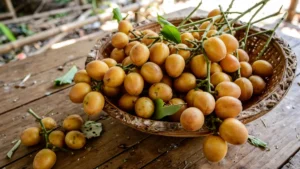
What to do: Find a stall selling fresh langsat, buy the smallest bunch on offer, and eat it slowly enough to notice whether you prefer it sweet or sharp. A few dollars at a stall beats any photograph: taste first, and let the flavour pick the region — sharp from cool ground, sweet from warm. What to avoid: Letting photographs choose the region before you have tasted the fruit. Best for: A first taste of langsat. Time needed: A slow morning at the stalls. Standout tip: When the stall stocks duku too, taste the two side by side — the gap between them is the gap between two harvest weeks.
Lock in the picking fortnight before tickets
What to do: Message every farm for its picking dates first; buy flights only once you know them, landing the day before picking opens. Bearing runs a few weeks, and the finest fruit falls mid-flush, so aim for the middle of the window, when the skins run palest and the baskets fill fastest. What to avoid: Flights booked on hope; an open gate is no promise of fruit on the branches. Best for: Anyone whose dates can move a week or two. Time needed: One afternoon of messages. Standout tip: Get the dates on paper; a vague reply is a warning in itself.
Choose the region for its kitchen
What to do: Learn each region’s cooking before you choose: desserts in Camiguin, syrups in Johor, puddings in Penang, sauce in Sabah. Judge the farm by its stove, not its scenery: home-cooked crop at every meal means real work; bought-in jam means the opposite. What to avoid: A pretty valley where the cooking never uses the farm’s own crop. Best for: Travellers who put the menu first, the map second. Time needed: An evening of reading. Standout tip: Ask what the kitchen cooked last night, and let the answer judge the farm.
Can guests pick at dawn?
What to do: Find out whether guests join the morning harvest, and whether baskets are handed out or the crew picks alone. A few farms let guests walk between the trees; the rest keep the cutting to the crew, because careless hands can strip a branch bare. What to avoid: Turning up to pick and finding the grove is closed to guests. Best for: Hands-on guests, not watchers. Time needed: One note before you book. Standout tip: Ask when the crew gathers, then rise thirty minutes ahead of them.
Book the room above the trees
What to do: Ask for the tree side over the car park, and get it confirmed when you book. The outlook is half the holiday, and grove-side rooms go first, so the request belongs in the first message rather than at check-in. What to avoid: The last room going, and a blank wall where the grove should be. Best for: Tree views from the bedroom window, not tarmac. Time needed: Ten minutes at booking. Standout tip: Ask for the row’s quiet end, away from the gate.
Put wheat first in your opening note
What to do: Start with the allergy: tell the farm about wheat and gluten in your opening note, and ask what the kitchen can make for you. The fruit itself is gluten-free, yet the ovens bake bread and pastries each morning and flour settles on everything. What to avoid: Saving the wheat talk until dinner is served. Best for: Anyone who eats wheat-free. Time needed: One message’s worth of time. Standout tip: Get the kitchen’s flour routine in full, and judge whether the answer sounds practised or improvised.
Dress for mud, rain and scratching branches
What to do: Closed shoes, a hat, long sleeves for the grove, and a light jacket for the afternoon showers. Tall trees, heavy midday air, and paths that turn to mud after rain make sandals a mistake, and the air cools fast once the sun is down, so a light layer earns its place in the bag. What to avoid: Short sleeves and sandals in a grove that scratches. Best for: Anyone who plans to pick. Time needed: An evening of packing. Standout tip: Evenings turn cool fast, so pack a warm layer.
Follow the cook to the dawn market
What to do: Walk with the cook to the dawn market and watch what the farm buys in. At dawn the stalls fill, the best produce goes first, and the cook reads ripeness by sight and touch. What to avoid: Missing the market by sleeping in — the best stalls close by noon. Best for: Early risers and food lovers. Time needed: One early morning. Standout tip: Paper money only at the dawn stalls — they take no cards.
Stock the bag with sealed jars
What to do: Buy sealed jars and dried langsat at the farm shop, and cushion them well in your bag. Jars outlast the journey; fresh clusters seldom do — they bruise on the road and arrive leaking. What to avoid: Fresh clusters for the journey home — they bruise and leak. Best for: Taking the holiday home with you, in jars, after the drive ends. Time needed: Fifteen minutes with the jars. Standout tip: Watch the sealing, then test each lid yourself before the jars go in the bag.
Picking the right season and region
Laguna is the traditional first stop, its trees feeding the table at every meal, and the easiest trip to start with. Ask the host which weeks bear fruit, and book a room facing the trees.
Sabah holds the wildest ground, rainforest hills under the canopy, mornings of hornbills and mist. Davao brings the boldest flavours, fierce sun and a heavy harvest, while Camiguin suits anyone who wants island pace and a ferry in the trip. Penang and Johor sit a short flight from Singapore and Kuala Lumpur, gentler in pace than the mainland. Judge the journey against the fruit: the finest langsat is the one you reach while it bears.
Each country suits a different traveller. Philippine farms run on family kitchens and long seasons, with hosts who have fed guests for a generation; Malaysian farms run tighter, with gate stalls, syrups, and short hops from big cities. Neither beats the other; the choice is a slow week in Laguna or a long weekend out of Singapore. Flushes come and go either way, so an orchard can look full one week and empty the next, and the farm that answers your dates honestly is worth more than the farm with the prettier photographs.
The caveats that matter
A langsat escape delights some travellers and disappoints others, and the difference usually comes down to season, distance, and honesty about both. Langsat keeps to its season and the farms lie far from town; fruit every month is a promise no tree can keep.
| Detail | What is known |
|---|---|
| Best time to visit | The late wet season, while the trees are bearing; the window shifts by country |
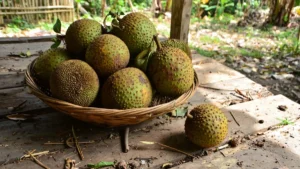
| The two main kinds | Thin-skinned langsat peels in a moment and is eaten fresh; thick-skinned duku keeps longer and travels better |
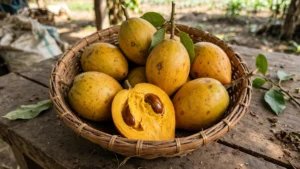
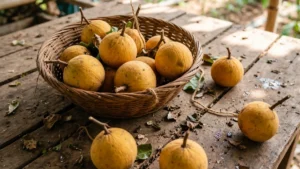
| How ripe fruit looks | Pale yellow all over, soft to the touch, and easy to peel, with clear flesh and no green on the skin |
| What is usually included | Room and breakfast with a grove walk or tasting; cooking lessons and transfers often cost extra |
| Who should go | Slow travellers, food lovers, and families with older children |
| Who should think twice | Travellers chasing nightlife, fast service, or a packed daily schedule |
| Transfers | Usually an hour or more from the nearest airport; arrange the lift before you arrive |
| What is not guaranteed | Fruit on your dates; harvests lean on rain, season, and the tree itself |
Gluten is absent from the fruit, but the kitchen bakes bread and cakes each morning — warn the farm in your first message and ask how flour stays away from your plate. Cook this fruit rather than carry it: eat it fresh on picking day, and let cordial and jam do the travelling. Before paying, think about clinics, spray dates, and path safety — especially with a health condition, a pregnancy, or small children in tow.
Checklist: before you book a langsat farm escape
Do it twice — once before money moves, and once seven days out — because excitement makes the first pass unreliable.
- Get the bearing calendar in writing, not the opening hours.
- Cost out every extra — the walk, the tasting, the meals, the lifts — before you compare nightly rates.
- Work out the airport drive time, and book the farm car before you land.
- Check whether the bedroom faces the trees or the car park, and what keeps it cool at night.
- Ask about the grove’s size, the spray routine, and the last treatment date.
- Seek out guest notes from the month you plan to travel, not the newest ones.
Frequently asked questions
How many days should a langsat escape last?
Three nights is about right — settle and walk on day one, pick and cook on day two, market and road home on day three.
Do you need wheels for a langsat farm?
Mostly you need one. The nearest airport is an hour or more away, and public buses rarely reach the gate. Your own wheels get you across the valley in time for the first stalls. A farm lift takes the need away — get it in writing before you travel.
Is picking part of the morning walk?
Permission is common but never assumed: walk with a guide, ask before you cut, and accept it if the crew picks alone. Some farms press a basket into your hands; the rest keep the cutting to the crew, because tall trees bruise if touched. Mention it at booking, and cover your arms — the branches catch skin.
What sets langsat apart from duku?
Langsat has thin skin that peels in a moment, and flesh that is sweet with a grapefruit edge. Duku has thicker skin, bigger fruit, and milder flesh, and it keeps longer after picking. The wild kind ripens first — thin skin warms fast — yet its season runs shorter; a market tasting shows the gap at once.
Is a langsat farm fun for children?
Older children, yes — provided dawn alarms and sticky fingers sound like fun rather than a chore. Picking and cooking are hands-on fun, but wide groves and rough paths need small children watched. Ask about a cot for the baby, and whether a toddler can cope with the grove paths.
Which questions protect a wheat-free guest?
Raise it when you book. The fruit and the rice carry no gluten; the danger is the dawn baking. Ask for the kitchen’s flour routine, and pay only when the answer sounds real.
The bottom line
This is a trip for travellers who would rather plan around a tree than around a timetable, and who think a harvest is a better reason to travel than a hotel. What you are buying is a fortnight of sweet fruit, served fresh at breakfast and simmered into jam by afternoon.
Laguna’s old groves, Sabah’s rainforest hills, Camiguin’s island orchards — choose by flavour, and let the jam jars do the travelling home.